By SGN | 26 Aug 2024

When he first started building a travel app, Kaniyet Rayev envisioned building a Super App that would offer a suite of services such as ride-hailing, booking attractions, and food delivery.
However, the challenge came in integrating the different services into a single app. Moreover, the Super App market was already saturated with big players like Grab, WeChat, and LINE, making entry incredibly difficult.
But Kaniyet was not discouraged. Instead of building their own Super App, he thought outside the box and decided to create a platform that would enable existing apps with large user bases to transform into Super Apps.
“We realised the need for a solution that allows these different services to be easily integrated into one app. That’s how we came up with our template-based platform, Boxo.”
Born with an entrepreneurial spirit

Born in Kyrgyzstan and raised in Kazakhstan, Kaniyet was brought up amid rich traditions and a strong sense of community. Known for their nomadic heritage, these countries deeply value hospitality and communal living, as well as education, inculcating in him a fervent love for learning.
“Growing up in Kyrgyzstan and Kazakhstan was extremely dynamic and diverse,” Kaniyet says. “My childhood was filled with activities like advanced coding classes, competing in Latin dance, and even being part of a rock band!”
Kaniyet’s parents, both entrepreneurs themselves, were unwaveringly supportive of his pursuits. His father owned a food manufacturing business, while his mother ran a beauty salon. “They always encouraged me to go for anything I wanted,” he recalls.
Kaniyet’s first foray into entrepreneurship, albeit an informal one, was organising rave parties at his school. “We would rent equipment, plan performances, invite DJs to spin, and charge our fellow students a cover fee to attend,” he shares.
Making unused space available with Haus

In 2013, Kaniyet moved to London to study at Cass Business School (now known as Bayes Business School). After graduating, he returned to Kazakhstan for a time before heading back to London in 2016 to start his first venture, a co-working space business called Haus.
The idea for Haus came from Kaniyet’s struggles as a student trying to find a suitable place to study in London. “Cafes and museums are always too noisy, while libraries are always too crowded,” he says.
Kaniyet realised that many venues remained underutilised at different times of the day. “Restaurants and bars are often closed until around 5pm, leaving valuable space unused,” he explains. Through Haus, Kaniyet partnered with hotels and restaurants to open their spaces to remote workers during inactive hours.
However, despite Haus being profitable, Kaniyet began having second thoughts about its long-term sustainability three years into the business. “The more popular you become, the worse the customer experience gets due to overcrowding,” he explains.
“This negative cycle makes it challenging to maintain the business in the long run.”
Exploring Super Apps
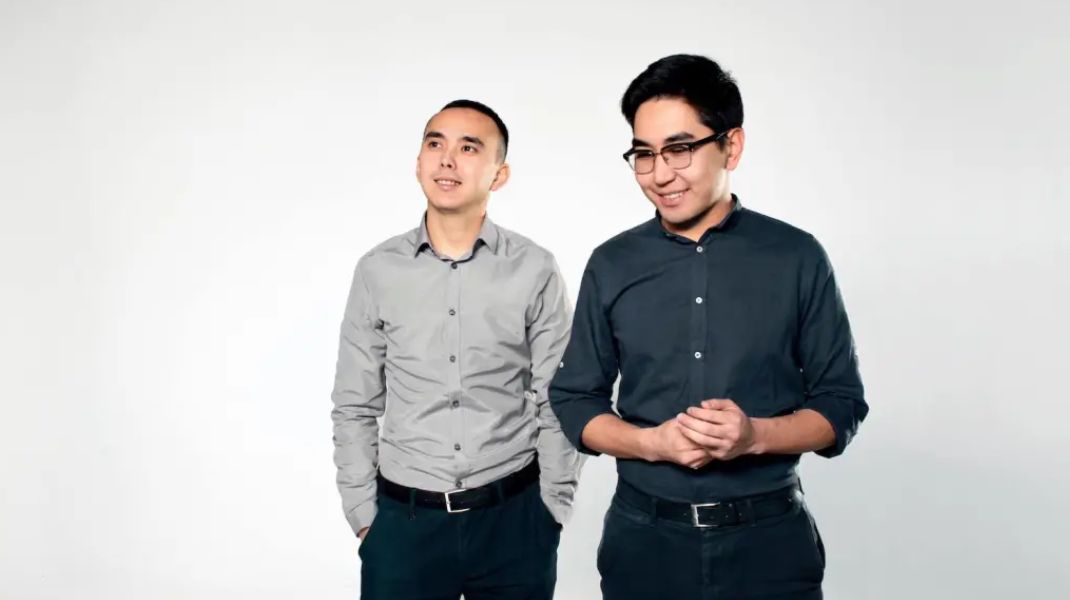
While still running Haus, Kaniyet started exploring new opportunities with Nursultan Keneshbekov, a fellow Kyrgyz he befriended at university.
“Our separate visits to China in 2017 exposed us to the convenience of Super Apps like WeChat and Alipay, where everything from booking cabs to ordering food was integrated into one platform,” he shares.
Inspired, Kaniyet and Nursultan set out to build their own Super App. Soon, however, the co-founders recognised the saturation of the market.
“The existing Super App market is incredibly competitive,” Kaniyet explains. “Starting from scratch without a strong, loyal user base is very difficult.”
But Kaniyet found room for a pivot and decided instead to build Super Apps for other startups with built-in followings. “Many of them offer separate services but don’t know how to integrate them. There’s a clear need to unify these digital experiences into a cohesive platform.”
Setting up in Singapore
When Kaniyet and Nursultan succeeded in raising a seed round to materialise their dream of building Boxo in 2019, Kaniyet knew it was time to move on from Haus.
He closed the company in December of that year, three months after launching Boxo. They then joined the third cohort of founders mentored by the global startup investor Antler in Singapore.
“The growth in the Southeast Asia tech landscape is evident. There is a huge opportunity for founders who join programmes like Antler in Singapore to build, work on and mould an idea from the very beginning for this region,” Kaniyet says.
The two also chose Singapore for its strategic location as the heart and business tech hub of Southeast Asia where everything is happening.
“In London, if you want to meet people from places like France or Germany, you have to travel there,” he explains. “On the other hand, Singapore is the business hub of Southeast Asia. If you want to meet people from places like Thailand or Vietnam, you can find them all in Singapore.”
“The streamlined legal and compliance processes, coupled with substantial government support, offer foreign founders like me accessible opportunities,” he notes.
Putting the super in Super App

Creating a Super App typically takes years, but Boxo accomplished this in just a few months.
“Boxo simplifies building Super Apps with a template-based platform that allows companies to easily create and manage mini apps within their Super Apps,” Kaniyet explains. “These templates are also fully customisable according to each company’s branding guidelines.”
This allows clients to swiftly introduce new features and services to their customers and bypass the lengthy in-house development process to transform an app into a Super App.
For example, one of Boxo’s clients, GCash, initially focused on money transfers as a Filipino mobile payment service. Since integrating Boxo’s platform and transforming into a Super App, GCash now offers an expanded suite of services, including online shopping, and insurance purchases.
“GCash has also reported a significant increase in user engagement and transaction volume,” Kaniyet adds. As of May 2023, the finance app-turned-finance super app boasts 81 million active users and 2.5 million sellers and merchants across the Philippines.
In the near- and medium-term, Kaniyet plans to expand Boxo into Thailand and Vietnam, as well as East Asian markets like Japan and Korea. “We plan to partner clients in these countries to integrate advanced AI capabilities into their apps,” he shares.
Building a life in Singapore
While Nursultan is based back in Kyrgyzstan, Kaniyet has put down roots in Singapore, where he lives with his wife. He appreciates the city-state’s safety, cleanliness, and green spaces. The warm and sunny climate is also a refreshing change from cold and rainy London.
Adapting to Singapore’s fast-paced lifestyle and work culture was initially overwhelming, but Kaniyet quickly embraced the structured environment and learned from local entrepreneurs.
Residing in Singapore, Kaniyet has immersed himself in Singaporean culture. He particularly enjoys Singlish, with its quirky suffixes like ‘leh’, ‘lah’, and ‘lor’. “My personal favorites are ‘can’ and ‘cannot’,” he shares. “I love how such simple expressions can convey so much!”
The practice of reserving seats at hawker centres with personal items like tissue packets, umbrellas, and even company ID cards has also intrigued him. “I’ve never experienced anything like that in Kazakhstan, probably because the country is so vast that there’s no need to reserve spaces!” he adds.
The future of Super Apps, powered by AI
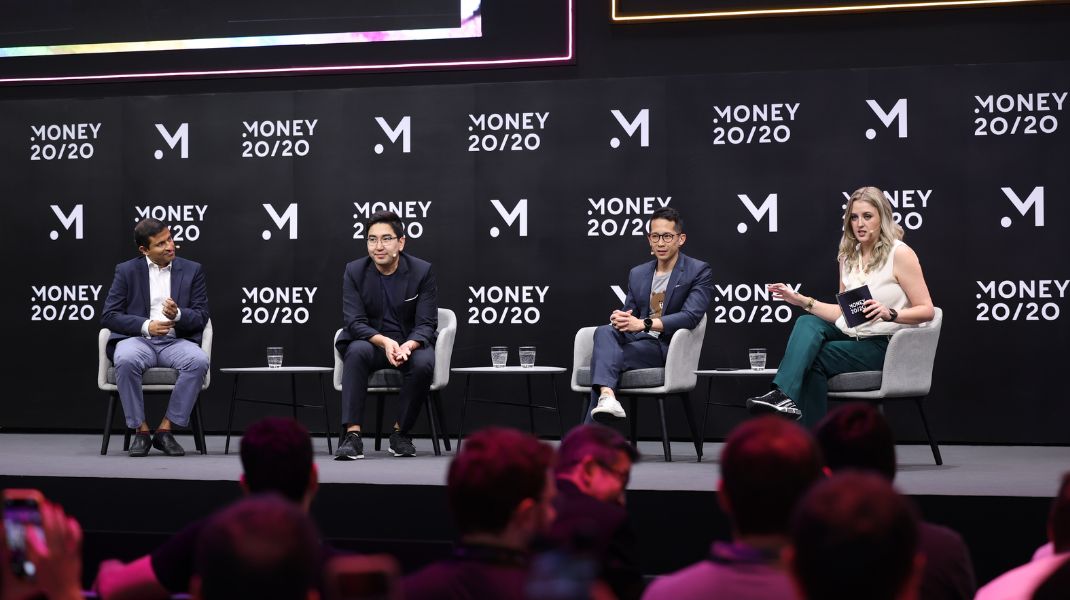
Looking ahead, Kaniyet foresees a proliferation of Super Apps evolving into comprehensive solutions, driven by AI and new user interfaces.
“AI and machine learning will play a significant role in personalising user experiences,” he predicts. “We anticipate a shift towards voice command interfaces, which will make Super Apps more user-friendly and efficient.”
Southeast Asia’s thriving tech startup ecosystem holds vast potential for innovation and market growth but faces a talent shortage, especially in AI and software development.
“There are plenty of opportunities, especially in tech hubs like Singapore,” Kaniyet notes. “Despite potential language barriers for skilled professionals from non-English-speaking countries, those pursuing a career in tech should actively pursue these opportunities, continuously learn, and build a strong network.”
Kaniyet also encourages people not to fear AI but to embrace it. “Use AI to optimise your time and focus on tasks that add significant value,” he advises. “It’s not about AI taking over jobs, but rather, using AI effectively to gain a competitive advantage.”
And for aspiring entrepreneurs, Kaniyet’s advice is straightforward. “Start small and focus on solving real problems,” he says. “Be ready to pivot based on feedback and leverage existing platforms rather than starting from scratch.”
“Ultimately, prioritise what truly matters and remain adaptable in your approach.”

Meet Kaniyet
Kaniyet is the CEO and Founder of Boxo, an innovative tech company shaping the Super App industry. The company has raised $8 million in funding from top-tier VCs, including Gradient Ventures (Google’s AI-focused fund), Founders Fund, 500 Global, SciFi VC, RTP Global, Antler, and Plug and Play.
Connect with him here.