By SGN | 4 May 2026
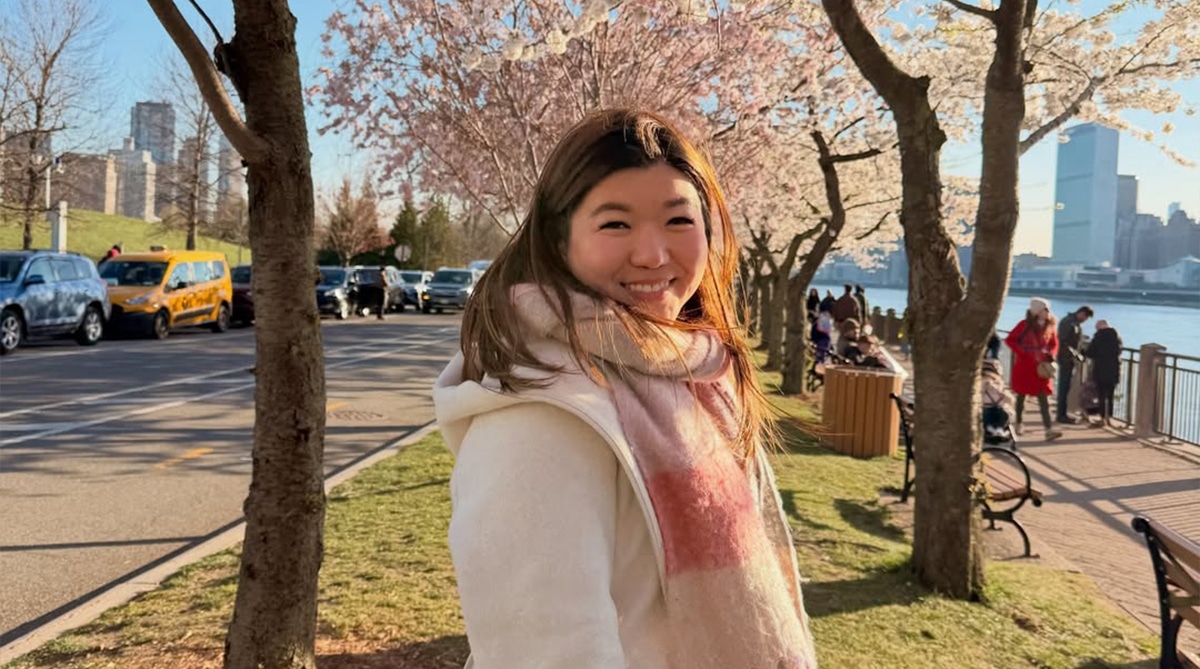
If you had asked a much younger version of me, this probably wasn’t how I imagined it would happen. New York City felt distant then – more of something you watched, rather than something you lived.
And yet, three years into living in New York City, I’ve come to understand that the decision to leave, or stay, is rarely about geography alone. It is more often about proximity to opportunity. And for many Southeast Asians I meet here, the question isn’t where is home? but where can I grow next?
When I speak to professionals across finance, tech, media, and startups, I hear a consistent refrain. Global cities are not just places to work; they are ecosystems to be immersed in. Dense, competitive, and sometimes unforgiving, but also catalytic.
As one professional here told me, “It’s not just the role. It’s being surrounded by the best people in the world doing the same thing, at scale.”
And in many ways, that’s exactly what draws people to New York City in the first place.
The gravity of global cities
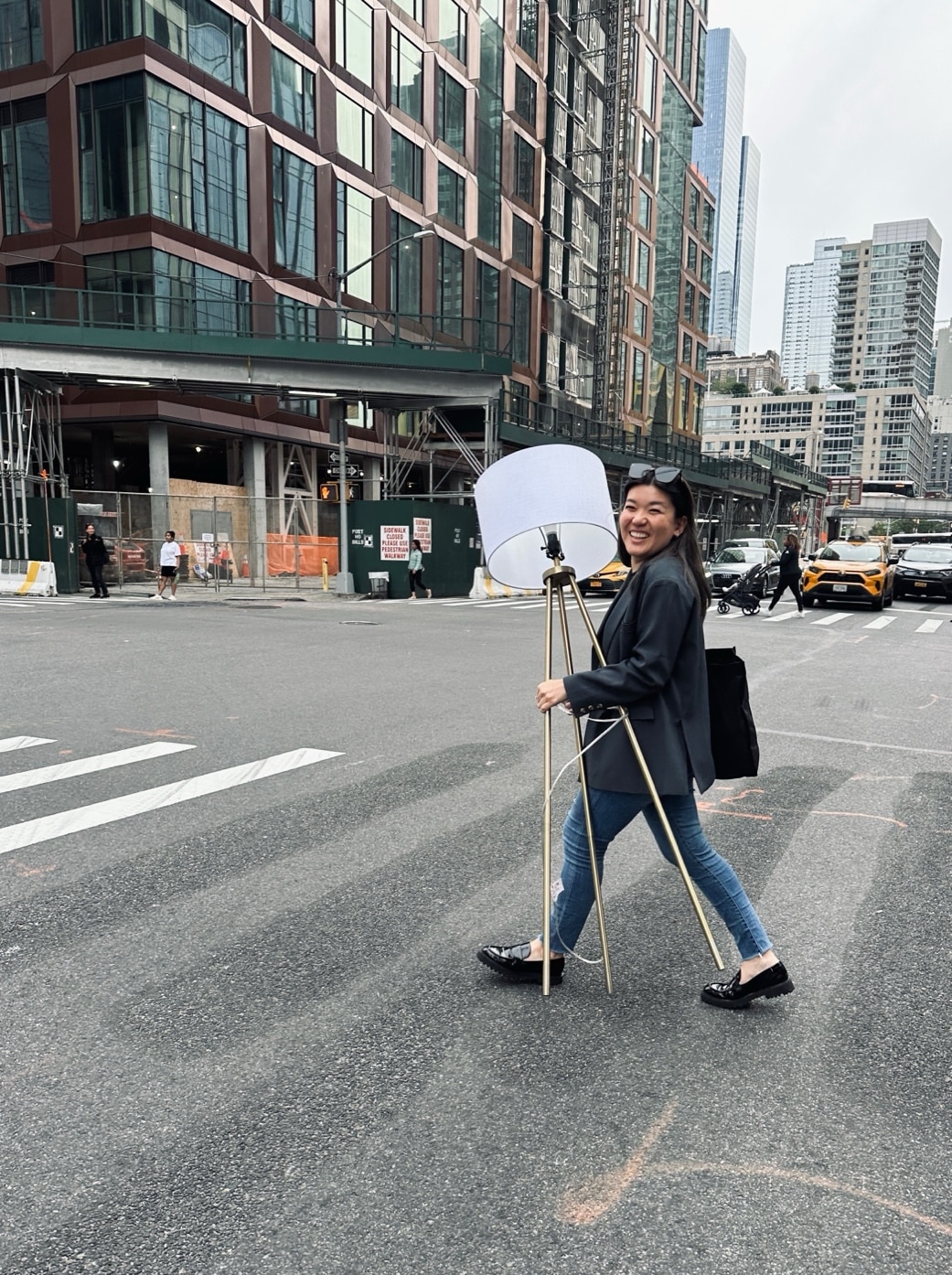
There is an intensity and magnetism to cities like New York that is difficult to replicate. You don’t coast. There’s a constant awareness of where you stand, but also a sense that you can become something more, if you’re willing to push for it.
The pace has a way of sharpening you, whether you’re ready for it or not. You find yourself thinking faster, meeting more people, and building credibility in ways that would probably take longer elsewhere.
Working internationally also signals something beyond capability. It reflects ambition, adaptability, and a willingness to step into the unknown. Increasingly, I see younger professionals treating geography as flexible. Less a fixed identity, more a series of strategic choices.
Rather than “leaving their homes”, their focus is on “expanding their options”.
Singapore, as seen from afar
When conversations turn to Singapore, the tone shifts subtly. There is an immediate recognition, of course. Singapore is often described in similar ways – efficient, stable, and well-run, that part is rarely questioned.
But that alone is not always immediately compelling. Not when your benchmark is scale, intensity, and constant exposure to global capital and talent.
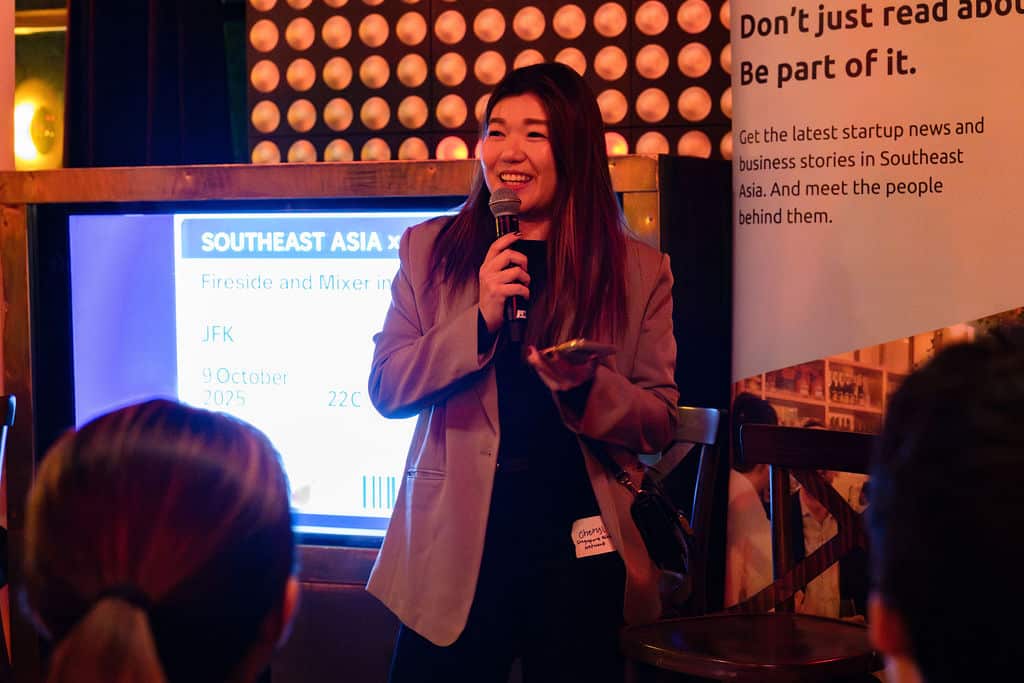
- Will it feel too small?
- Is the ecosystem deep enough?
- Will the conversations be as sharp and as varied?
Because for many, the decision is not permanent. It is phase-based. A three to five-year horizon. A strategic move, not a final destination.
When Singapore enters the equation
What I’ve found most interesting is that when Southeast Asians do consider relocating to Singapore, the motivations shift.
Singapore is rarely framed as a homecoming. Instead, it is positioned as a node, where the city is established as a strategic and effective base within a larger regional system.
For founders, it offers access to capital and networks. For operators, it offers the opportunity to take on a regional scope. For some, there’s also a more personal layer – being closer to family, or simply back within a familiar rhythm of life. It’s rarely the main driver, but it often makes the decision easier to follow through on.
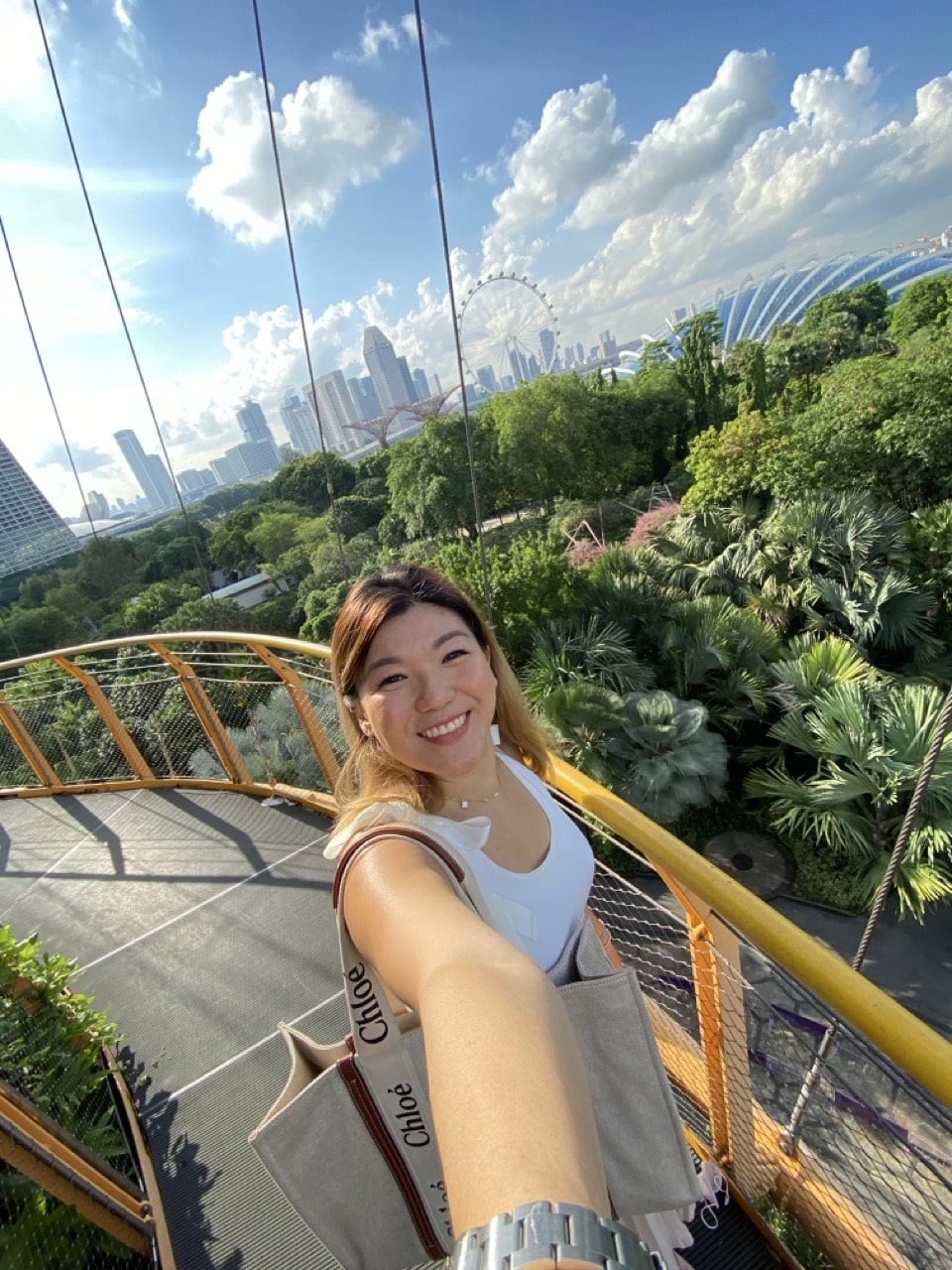
In a world where ecosystems are often fragmented, Singapore’s interconnectedness becomes an advantage. Conversations that might take months to unlock elsewhere can happen in weeks here.
One professional described it this way. “In New York, I was one of many. In Singapore, I suddenly had visibility across the region.”
That shift, from depth to breadth, is subtle but significant.
A different kind of career growth
What becomes clear over time is that career growth in Singapore is perceived differently. It is not always about climbing faster within a single function, but about expanding across functions, markets, and responsibilities.
Where New York offers depth, Singapore often offers range. Neither is inherently better. But they serve different stages of a career; and perhaps that is the point.
OF course, there is also the lifestyle side to all of this. Singapore is often described as easy, safe, predictable, and efficient. And after three years in New York, I understand why that matters more than we sometimes admit.
I’ve found myself appreciating things I used to take for granted in Singapore – like how straightforward daily life can feel. In New York, even a simple plan can turn into a bit of an adventure, depending on the subway, the weather, or the occasional curveball this city throws you. It’s part of the charm, but also part of the trade-off.
But ease can be interpreted in different ways. For some, it signals stability and clarity. A foundation for building something meaningful. For others, it raises questions about edge, intensity, and creative friction.
Neither perspective is wrong. They simply reflect different priorities at different moments in life.
Where this leaves us
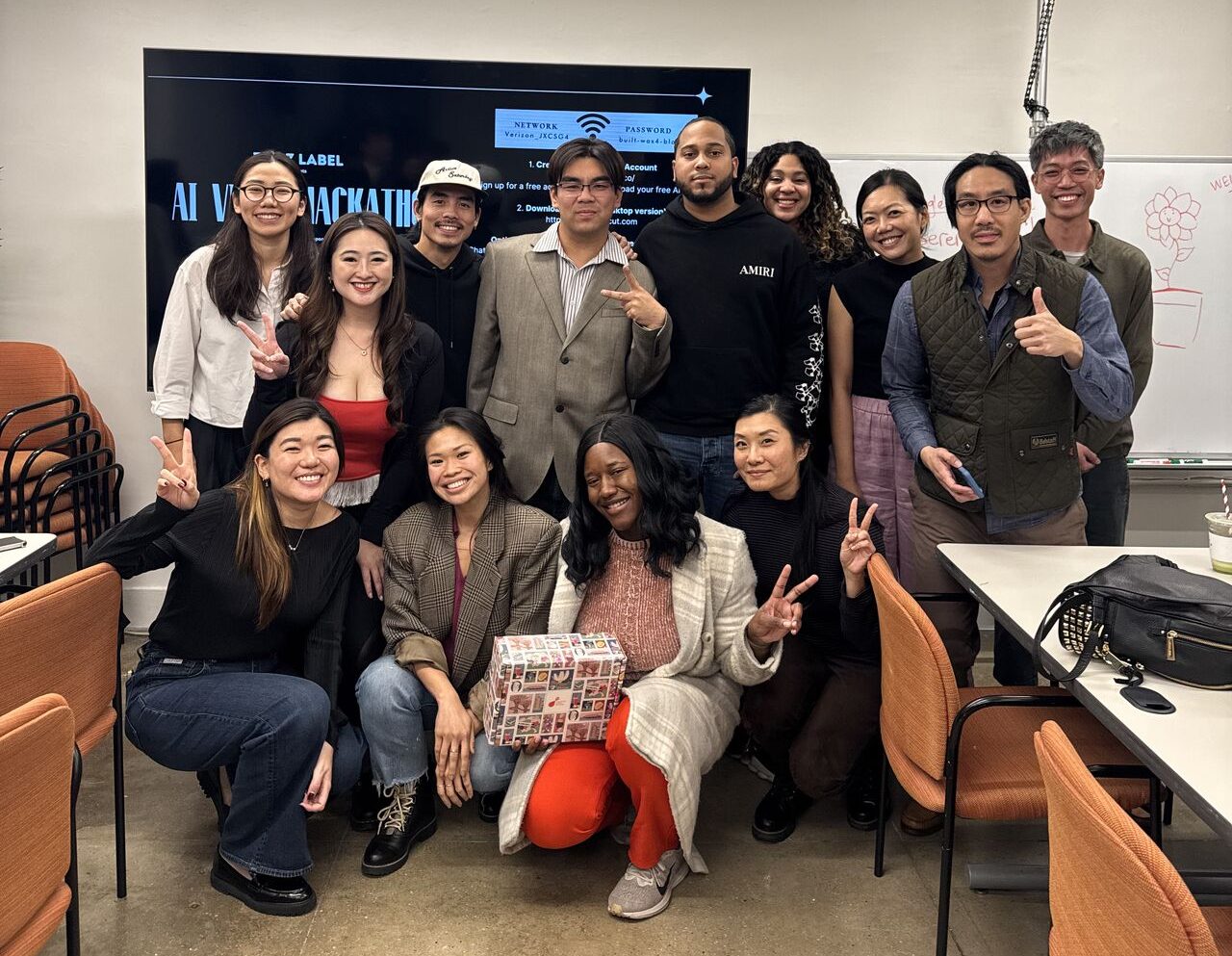
From where I sit today, in New York, I don’t see Singapore and New York as competing narratives. I see them as complementary chapters in a longer journey.
But this chapter, in particular, has been a meaningful one.
Over the last three years, New York hasn’t just been a place I lived in. Beyond the work, it’s been the people I’ve met, the communities we’ve built, the conversations that inspired, and the pace of the city that has shaped how I think and how I show up.
In many ways, it’s also where I’ve grown into a version of myself I’m not sure I would have discovered if I had stayed in Singapore. As I prepare to return to Singapore later in 2026, I don’t see it as leaving one behind for the other. If anything, I’m bringing that version of myself with me.
The more useful question is no longer “Where should I be?” But “Where should I be, right now?”
That shift, from permanence to phase, may be the most important change of all.
About Cheryl
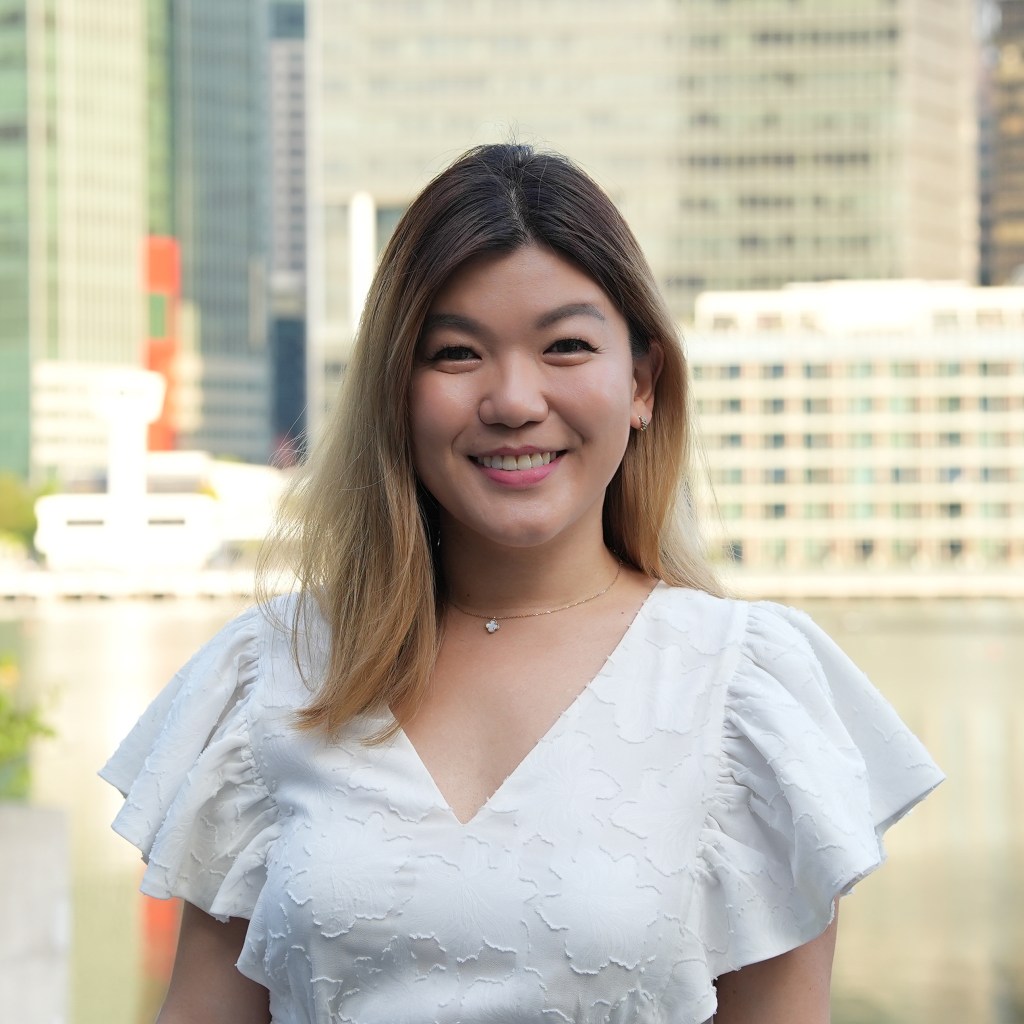
Cheryl Lee is Singapore Global Network’s Market Director for North America. Based in New York City since 2023, she’s driven by purpose – building connections and communities. Off the clock, she’s busy perfecting the art of wiping out gracefully on snowboards and wakesurf boards.
Connect with her here.