By SGN | 18 May 2026
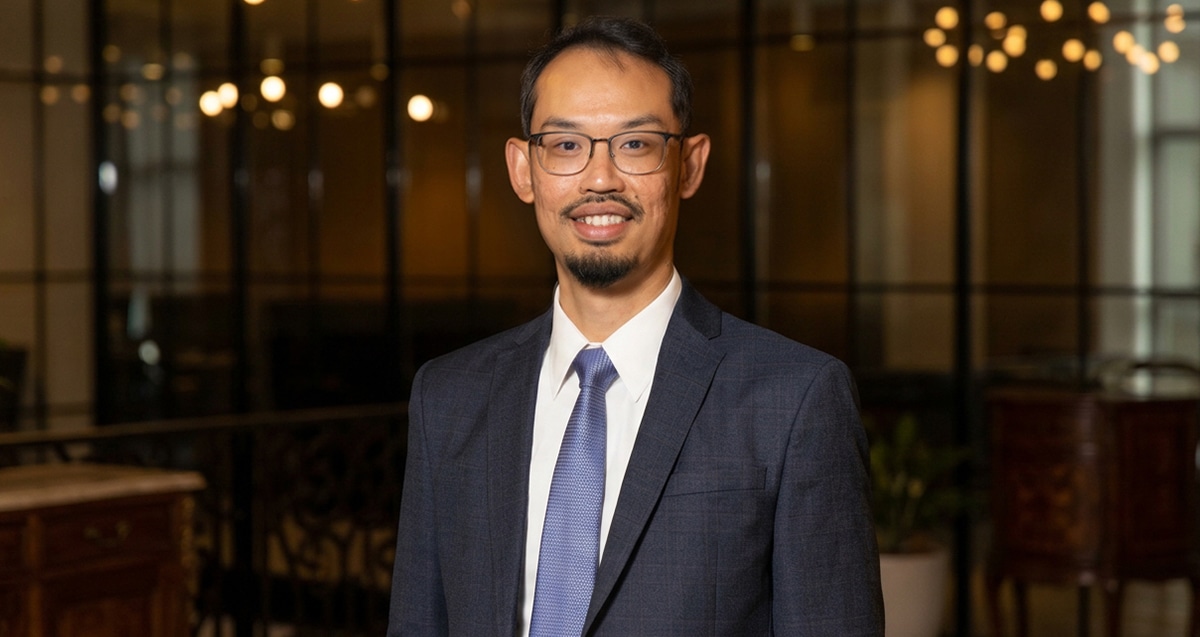
When Dr. Izzuddin Aris left Singapore for Boston in 2017, he expected to be gone for only two years. Nearly a decade later, he is now an Associate Professor at Harvard Medical School’s (HMS) Department of Population Medicine, where his research on how early life shapes long-term health is changing the way scientists and clinicians think about strategies to prevent adverse health outcomes, such as obesity, in children.
The chance encounter that changed everything

Izzuddin’s path to Harvard began with a fortuitous meeting in a conference room.
Midway through his PhD at the National University of Singapore (NUS), the Department of Obstetrics and Gynaecology welcomed Dr. Michael Kramer, a distinguished visiting professor from McGill University in Canada, whose goal was to strengthen public health and epidemiological skills within the department and faculty. Dr Kramer met with all the PhD students from the department who presented their work to him that day, with Izzuddin among them.
During the months of mentorship that followed, Michael recognised in Izzuddin a researcher who would benefit greatly from additional training beyond Singapore’s shores, and offered him options to continue his postdoctoral training with one of his collaborators in the UK, Canada, or USA.
Given the close alignment between Izzuddin’s research interests and the work being done at the Department of Population Medicine at HMS and Harvard Pilgrim Health Care Institute (HPHCI), the choice was clear.
“Michael felt that doing a postdoctoral fellowship with Dr. Emily Oken, my current mentor at HMS and HPHCI, would be the most relevant for me given our similar research interests,” he recalls.
Armed with an NUS Overseas Postdoctoral Fellowship that provided two years of funding, he packed up his life in Singapore and crossed the Pacific.
Izzuddin’s work in the science of early life
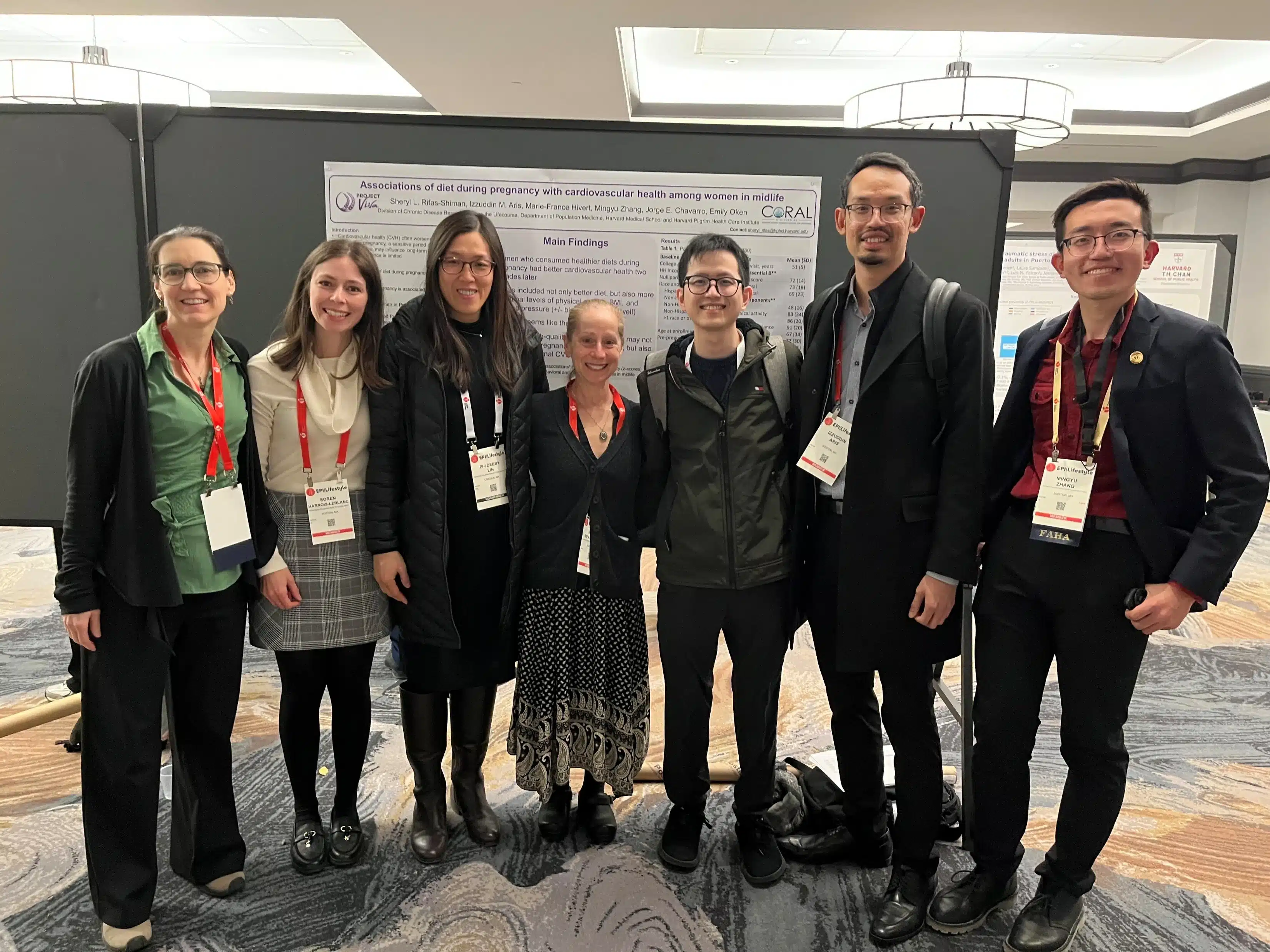
Izzuddin’s work primarily focuses on the developmental origins of disease — what happens in the earliest stages of life, even before birth, that shapes a person’s health decades later.
The core of his work is built on a long-running cohort study known as Project Viva, that began recruiting pregnant women at US academic medical centers in 1999–2002. Both mothers and their children have been followed for more than 25 years, and the children are now young adults in their mid-to-late twenties. Details of clinic visits, blood tests, blood pressure readings, diet, exercise, and screen time are all woven into a rich longitudinal picture of how early life choices and circumstances ripple forward through time.
One of his key findings involves gestational diabetes, a condition in which a mother experiences dangerously elevated glucose levels during pregnancy. His research has helped show that children born to mothers with gestational diabetes face a significantly higher risk of obesity, which in turn raises their risk of other health conditions such as hypertension and cardiovascular disease later in life. While the hypothesis had always existed, his work helped confirm it.
More recently, Izzuddin has turned his attention to the environments children grow up in. His research on neighbourhood contexts reveals that where a child lives matters enormously — communities with poor access to healthy food, limited green space, and low socioeconomic status are associated with higher rates of childhood obesity, asthma, and early hypertension. It is a reminder that health is not purely a matter of individual behaviour; the structural conditions of a neighbourhood shape what choices are even possible.
“If you live in a neighbourhood that doesn’t provide good access to healthy foods, have parks for children to play in, or sidewalks where people can walk, this influences your physical activity and your lifestyle because you’ll end up more sedentary which, in turn, may affect your health,” he explains.
Project Viva is funded through 2028, and with hopes of continuing the cohort beyond then, Izzuddin’s work is far from over. As children in the study reach college age and more well-being data is collected, he intends to embark on a new frontier in mental health research.
A pivot shaped by failure
Izzuddin’s work did not always lie in population medicine.
As an undergraduate at NUS, his final honours year project placed him in a “wet” lab, where he worked on liver cancer research from morning until night – only to watch his experiments fail repeatedly. While the project did garner some interesting results that allowed him to complete his honours project, the experience was, by his own admission, demoralising.
“I wanted to do graduate studies, but I knew that I did not want to re-live that experience in a wet lab again,” he says.
The timing worked in his favour. Just as he was finishing his undergraduate degree, he stumbled upon a major new Singapore study in the papers — the GUSTO cohort (Growing Up in Singapore Towards Healthy Outcomes) — that was getting off the ground and recruiting PhD students. Izzuddin attended an information session, found the work compelling, and made the leap.
It was a decision that would define his career. The GUSTO cohort, which follows Singapore-born children from pre-birth, became the training ground for the kind of long-term epidemiological research he now leads at Harvard. And the mentorship of Dr Kramer, who himself worked in the same field, helped crystallise what had begun as a happy accident into a genuine vocation.
Building a life between two worlds
During his fellowship at HMS, a faculty position in the department had opened up. With support from his mentors, Izzuddin applied for the position and was successfully recruited to the department in 2019. A visa transition, however, required him to stay in the US. Then COVID arrived, and he found himself in the US for nearly four years without returning to Singapore.
He has returned twice since (in 2021 and 2023), finding the right window around teaching commitments and research deadlines is never simple. Like many Singaporeans abroad, he has leaned on technology to stay close to home. WhatsApp and other platforms bridge the twelve-hour time difference with friends and family. “Technology has definitely made it easier for me to stay close with my friends and family. I still feel connected to them in some shape or form”.
And after enough years in Boston, he has found ways to keep his cravings in check closer to home too. The Asian supermarkets in the city stocks a surprisingly reliable range of condiments — enough to put together a pot of ayam masak merah, a Malay dish with chicken simmered slowly in dried chilli sambal. “It took some practice over the years, but I think I’ve managed to make a decent version of the dish to help me curb my cravings,” he shared.
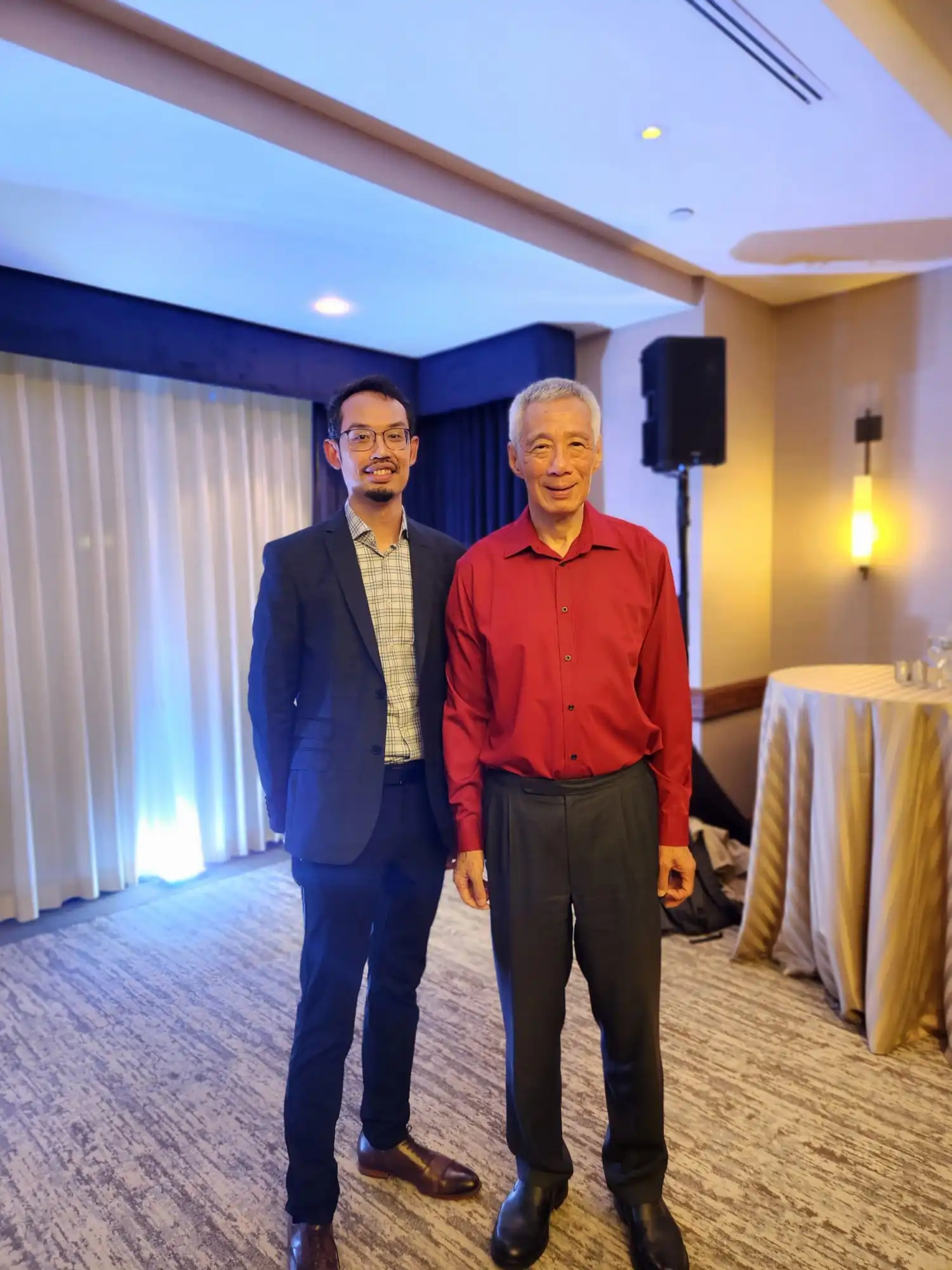
He also makes a point of connecting with the Singaporean community in Boston when opportunities arise. The Singapore Global Network recently held an event in Boston featuring Senior Minister Lee Hsien Loong, who was invited to deliver the Edwin L. Godkin Lecture at Harvard Kennedy School, giving Izzuddin and fellow Singaporeans a rare chance to reconnect with home.
His family, he says, was supportive from the start. They understood that the opportunities available to him in the US were highly significant, even if it meant an indefinite stay in the US. While he has no plans to return to Singapore at this time, he maintains research ties with collaborators from the GUSTO cohort and has mentored other Singaporean post-doctoral fellows who have made the journey to Harvard themselves.
Teaching the next generation of doctors
Alongside his research, Izzuddin co-directs and teaches a course on Clinical Epidemiology and Population Health to HMS students in January and September, with classes comprising up to 200 students each term.
The curriculum covers biostatistics and evidence appraisal, skills that will help future doctors evaluate research and make better clinical decisions. It is a relatively small slice of his time, around 15 percent, with the bulk of his responsibilities focused on research, grant writing, and mentoring postdoctoral fellows. But it is clearly work he values – in 2022, he was awarded the Young Mentor Award by HMS for his commitment to teaching and mentoring.
From a late-night laboratory in Singapore to the halls of the world’s most prestigious medical institution, Izzuddin’s journey is a testament to the power of staying open to unexpected paths. His work has received widespread recognition in the US, with numerous invited presentations to key US institutions and societies, such as the National Institutes of Health and the Society for Pediatric and Perinatal Epidemiology.
Importantly, his research helps to answer questions that matter: what shapes a child’s health, and what we can do about it before it’s too late.
About Dr. Izzuddin Aris
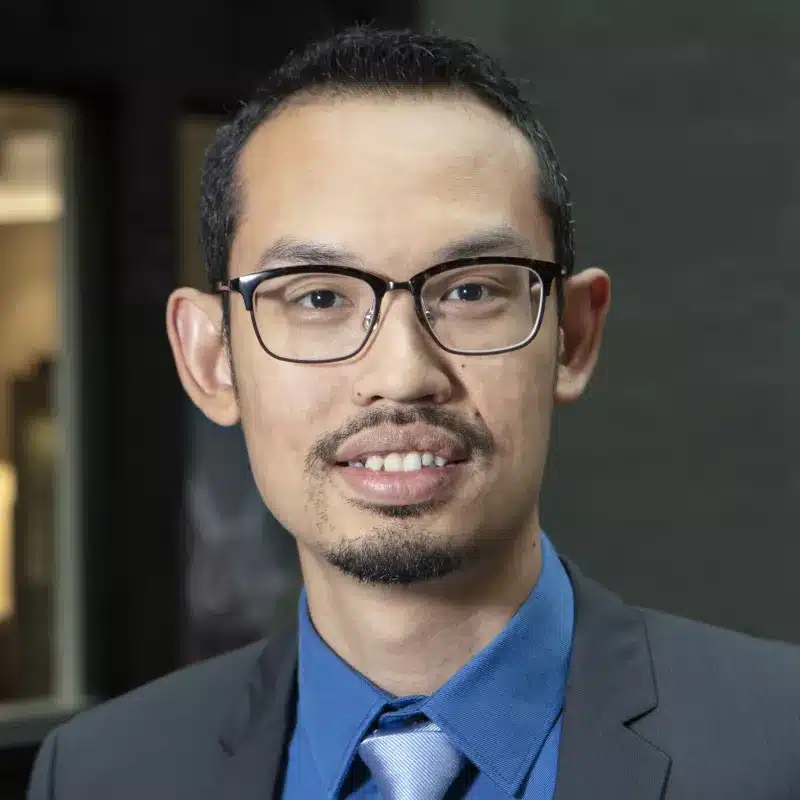
Dr. Izzuddin Aris is an Associate Professor in the Department of Population Medicine at Harvard Medical School and Harvard Pilgrim Health Care Institute. Originally from Singapore, his research focuses on the developmental origins of childhood obesity and cardiometabolic disease. He also co-directs and teaches a course on clinical epidemiology and population health to Harvard Medical School students.
Connect with him here.