By SGN | 23 Oct 2026
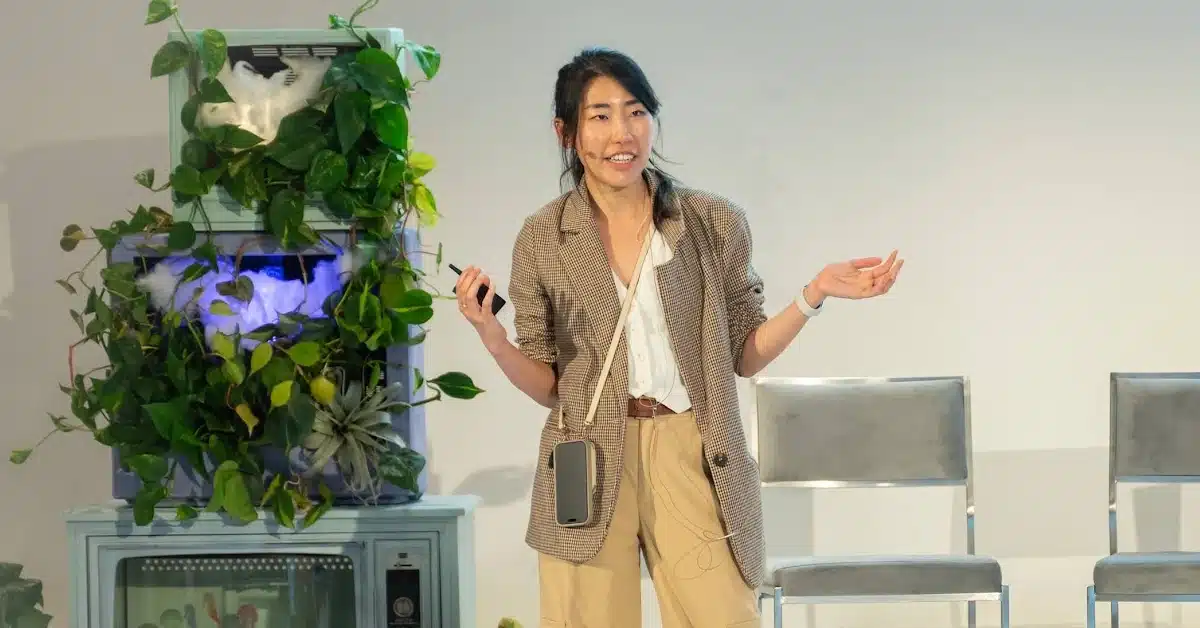
When she co-founded Revery in 2020 – an app that gamified mental health – she flew regularly to Silicon Valley and connected with some of the best minds in the tech scene. One dinner party she attended was hosted by a power couple: Pamela Vagata and Keith Adams.
Pam, who spent her early years in Singapore, was a founding member of OpenAI and had led AI at Stripe. Keith founded Facebook AI Research (FAIR) and was previously chief architect at Slack.
What impressed Tammie wasn’t just their resumes, but their ability to be ahead of the game. “Those were not obvious choices,” she says. “It shows their sense of knowing which technologies to take a bet on.”
The couple also ran a learning community in a warehouse in the Mission District. “I went to the happy hours and I met all these incredible technologists,” Tammie recalls.
About half a year later, Tammie decided to step away from her startup. When Pam and Keith found out, they took her to a Golden State Warriors basketball game and shared some news of their own.
They were starting a venture capital outfit called Pebblebed, and they wanted Tammie to join them as co-founder. The Mission District warehouse would become their new office.
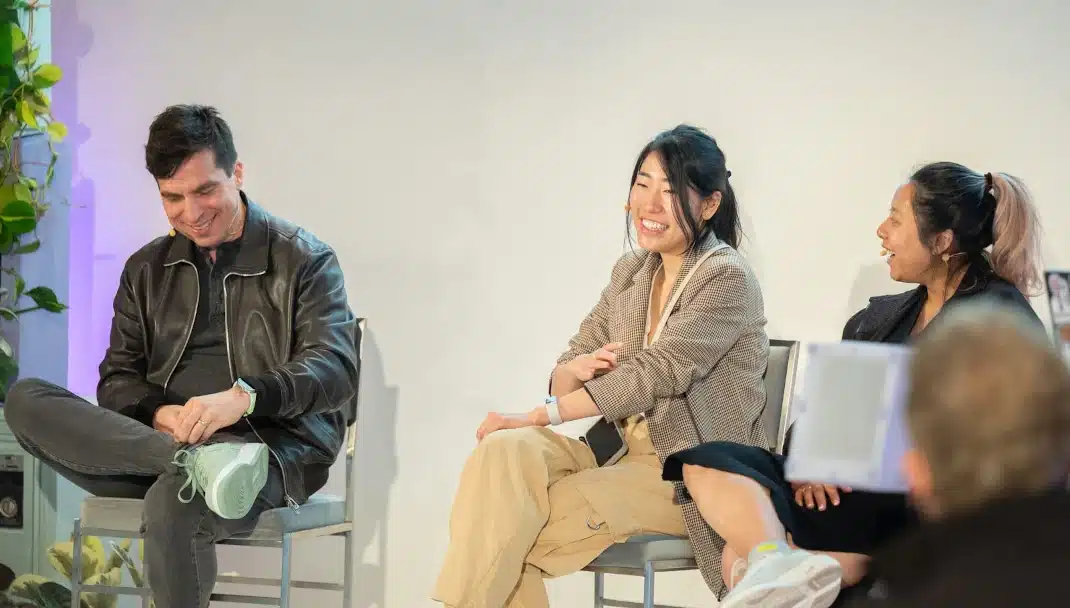
From startup founder to venture capitalist
She began her career at Boston Consulting Group before joining Sequoia Capital (now Peak XV), which seconded her to CRED, a fintech firm in India. Its founder, Kunal Shah, is now the global head of WhatsApp.
“He was a big influence in encouraging me to start up myself and was an angel investor in my company,” Tammie shares.
Becoming a founder herself was an eye-opener. “As a younger investor or consultant, you think you understand the strategy and all that jazz,” she says, “but what you don’t really see is all the micro-decisions that compound into building a company: everything from how to negotiate a music licensing contract to how do you hire and fire gracefully.”
Building Revery taught Tammie how difficult it was to be founder. She also learned that the most important component of a startup is its people. “The tech you use will change. The market will change. Ideally, what doesn’t change is you and your founding team,” she says.
Now at Pebblebed, Tammie applies her operational experience to be a hands-on investor, someone who has taken risks and is able to empathise with founders. “I want to be the kind of investor I wish I had,” she says.

Backing technical founders and looking beyond today’s AI boom
Pebblebed sees itself as a team of technical investors backing technical builders. That means getting interested in the nuts and bolts of a startup, not just the pitch and the ideas around it.
The firm takes a “high conviction, high concentration” approach to portfolio construction, with 15 to 20 early-stage companies per fund.
“Because of our technical slant, we can run our own coterie of agents and run experiments. Our analyst is a chess grandmaster,” Tammie says. “At our monthly machine learning meetup, independent, corporate and lab researchers come in and present papers rather than demos.”
But Pebblebed’s conviction in frontier technologies did not always attract the same enthusiasm it does today.
“When we were fundraising in 2022 – this was before the launch of ChatGPT – there were quite a few limited partners who went, ‘Why would we want to invest in AI?’” Tammie recalls. “They discouraged us from pursuing AI. Obviously that narrative has changed quite a bit.”
As they invest in everything from AI to biotech – including the Singapore-based Anomaly Bio, co-founded by Armaan Dhanda and Samyak Baid – the team is exploring “post-AI” fields like post-quantum cryptography. “We are figuring out what the next frontier looks like now that everyone is equipped with AI,” Tammie says.
Within the span of a just a few years, capital structure and venture strategies have evolved, and there’s a higher concentration of late-stage investments in AI giants like OpenAI and Anthropic. “The market is very noisy. Funds of unprecedented size are being raised,” Tammie observes. “But we still believe that early-stage venture has a place.”
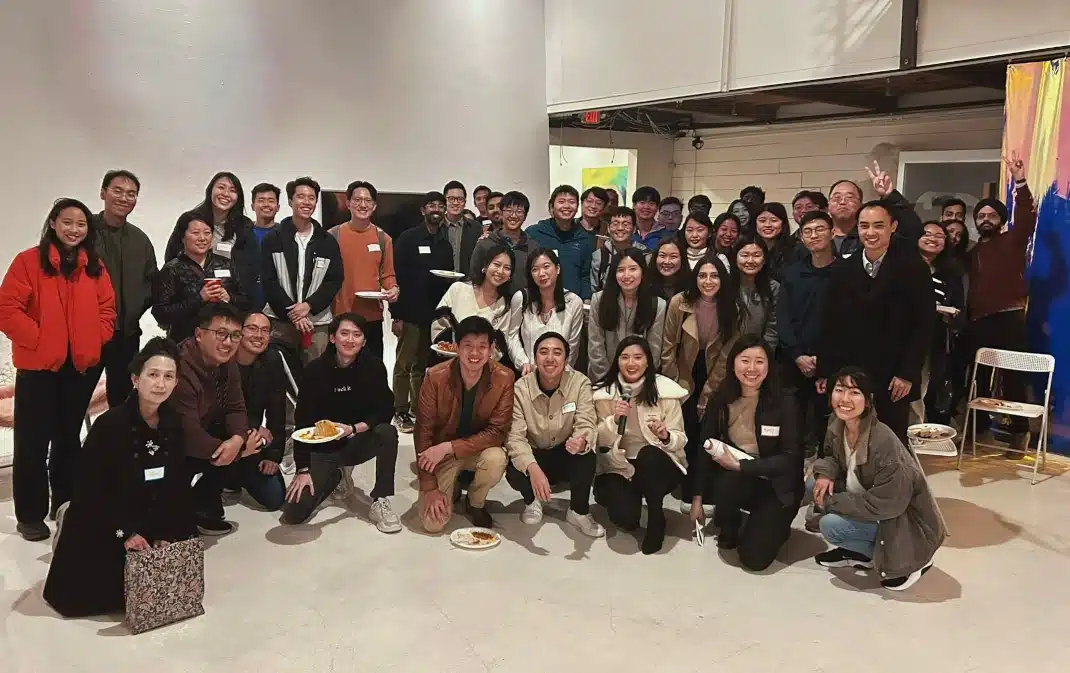
Networking in Silicon Valley: Let your nerd flag fly
“People really connect when they nerd out about something,” she says. “That’s a big factor in a lot of the more authentic and durable friendships in San Francisco. If you really encourage yourself to follow your intellectual curiosities, you’re going to find a crew.”
The shared interest doesn’t have to be something technical. “You could be a big nerd about Fallen Empires or Eastern philosophy,” she says. Tammie has bonded with other tech professionals over her love of video games like Portal, BioShock and Outer Wilds. She sees their creation as a craft, bringing together sound, graphics and gameplay to create a rich and rewarding experience.
A surprising side of tech in San Francisco that Tammie discovered is the community of creative technologists – people who use their engineering skills to create artistic and interactive installations.
“The same energy that goes into building for work goes into creative expression – just to stimulate conversations and a different sense of wonder,” Tammie explains. There’s a collective called The Intersection of Art and Technology (TIAT), as well as groups that participate in Burning Man and other artistic festivals.
Tammie once created an installation – in collaboration with a Thai and another Singaporean – in relation to how Southeast Asia has become a plastics dumping ground. Participants would sort items coming down a conveyor belt into a bin for recycling and one for general trash. “At the end of the shift, both bins open up onto a papier-mâché diorama of Southeast Asia,” she shares.
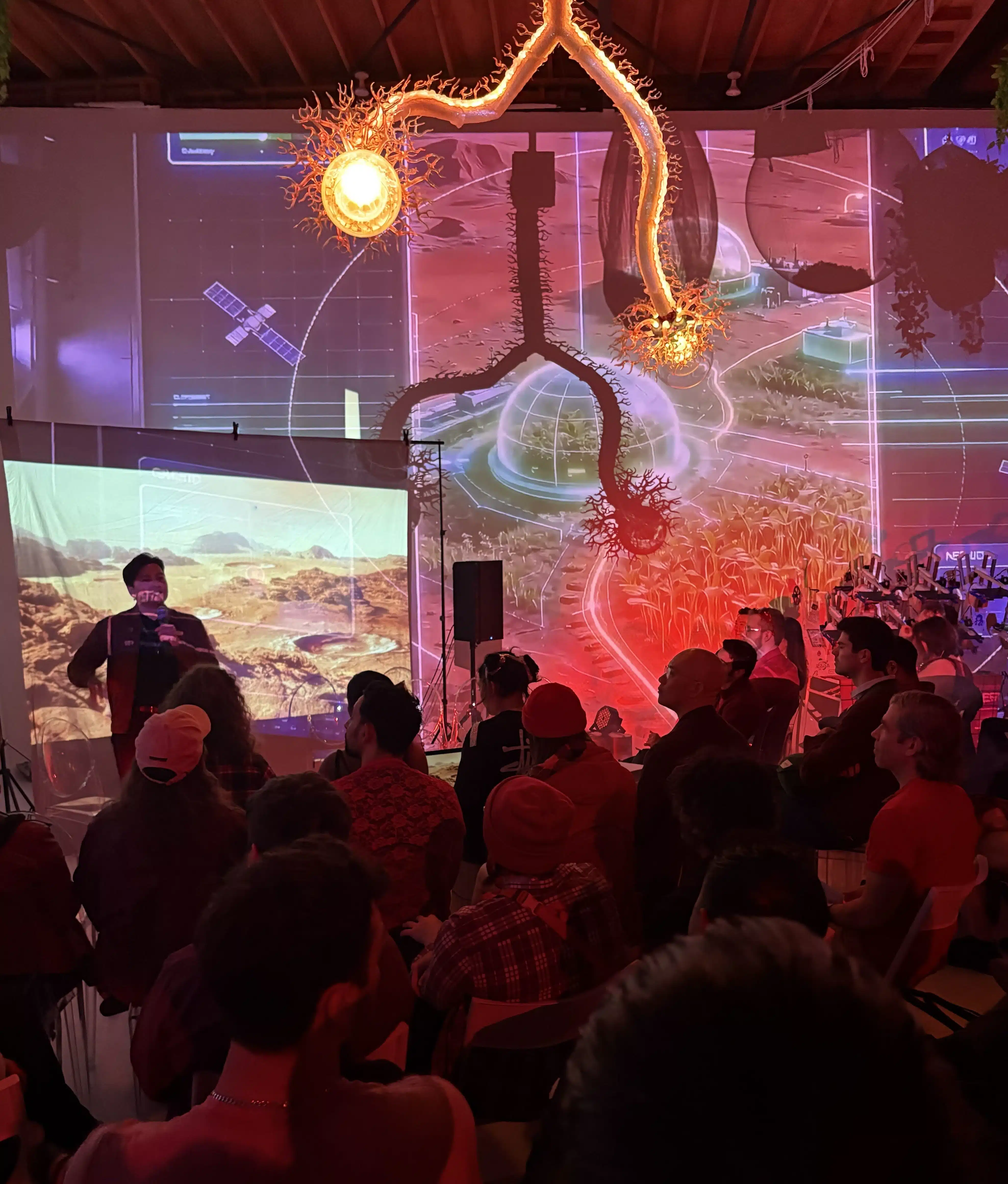
On another occasion, Pebblebed hosted a Mars-themed event where attendees roleplayed as early settlers on the red planet. Through interactive installations, they conversed with an AI bot about life on Mars and voted for the settlement to be part of civilisation on Earth or to operate as an independent colony.
“Such events make it more fun to talk about the wonders of technology, without it being transactional and going, ‘Look at my resume. Look at my pitch,’” Tammie says.
What Silicon Valley has taught her about being Singaporean
Living abroad has also made Tammie more conscious of her Singaporean-ness. “I once spoke with a founder who said the greatest human good is autonomy. But Singaporeans like me think a lot more about societal impact and being part of a collective,” she shares. “I realise that these values persist no matter how long I’ve spent in the US.”
“At the same time, she believes that being Singaporean makes it easier for her to reconcile diverging perspectives. “What makes Singapore special is that we’re such a global city. We have an Asian background, but we’ve integrated into world,” she says."
“I was very privileged to be raised and educated in Singapore,” she says. “Hopefully in the future, I can contribute my perspective on tech projects or policy-making, to think about the next wave of growth that might come through a new form of technological services.”
Meanwhile, she tries her best to connect with Singaporeans in San Francisco and set them up for success however she can. “Learning from other tech communities will help Singapore grow. That learning transfer needs to happen,” she says. “So I do encourage coming out – but also eventually going back.”

About Tammie
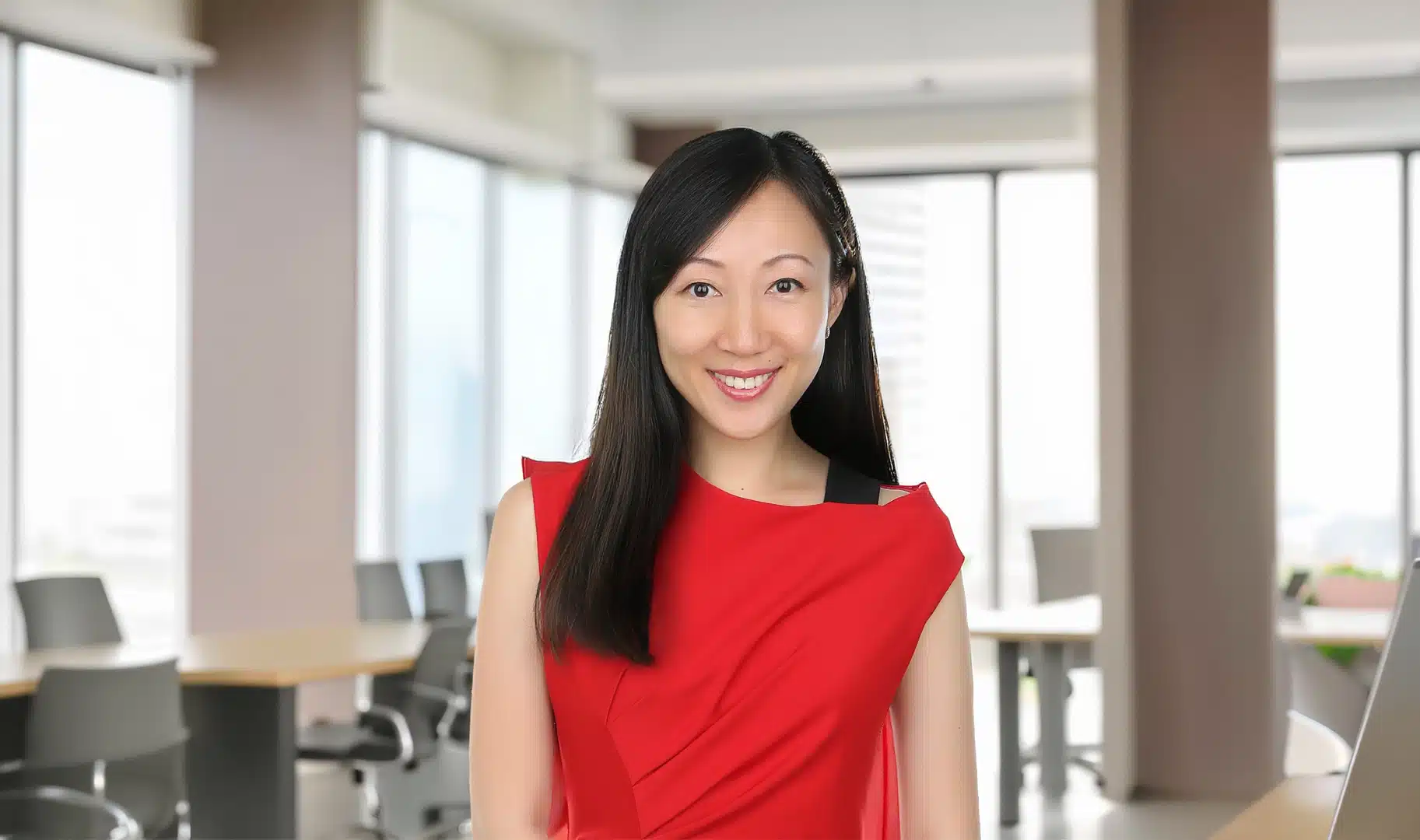
Tammie is a co-founder and general partner at Pebblebed, a venture firm in San Francisco. Previously, she worked with Boston Consulting Group, Sequoia Capital, and co-founded the mental health startup Revery.
Connect with her here.