By SGN | 7 Oct 2026
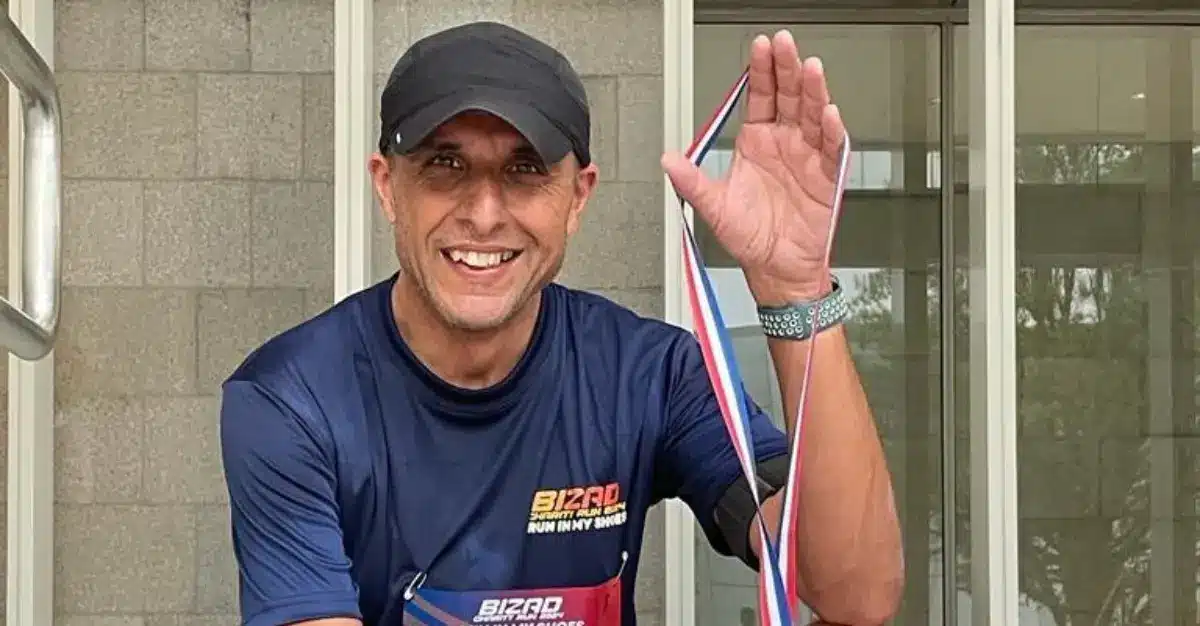
When Nikhil Kapur first moved to Singapore in 2014, he assumed it would be another typical four-year corporate stint. Twelve years later, Singapore has become his home.
It’s where his son was born, where his family built their community, and where he grew Kowa Pharmaceutical’s presence across Southeast Asia from a blank slate to over 10,000 stores in eight markets.
However, his journey has been anything but linear.
A career built by movement
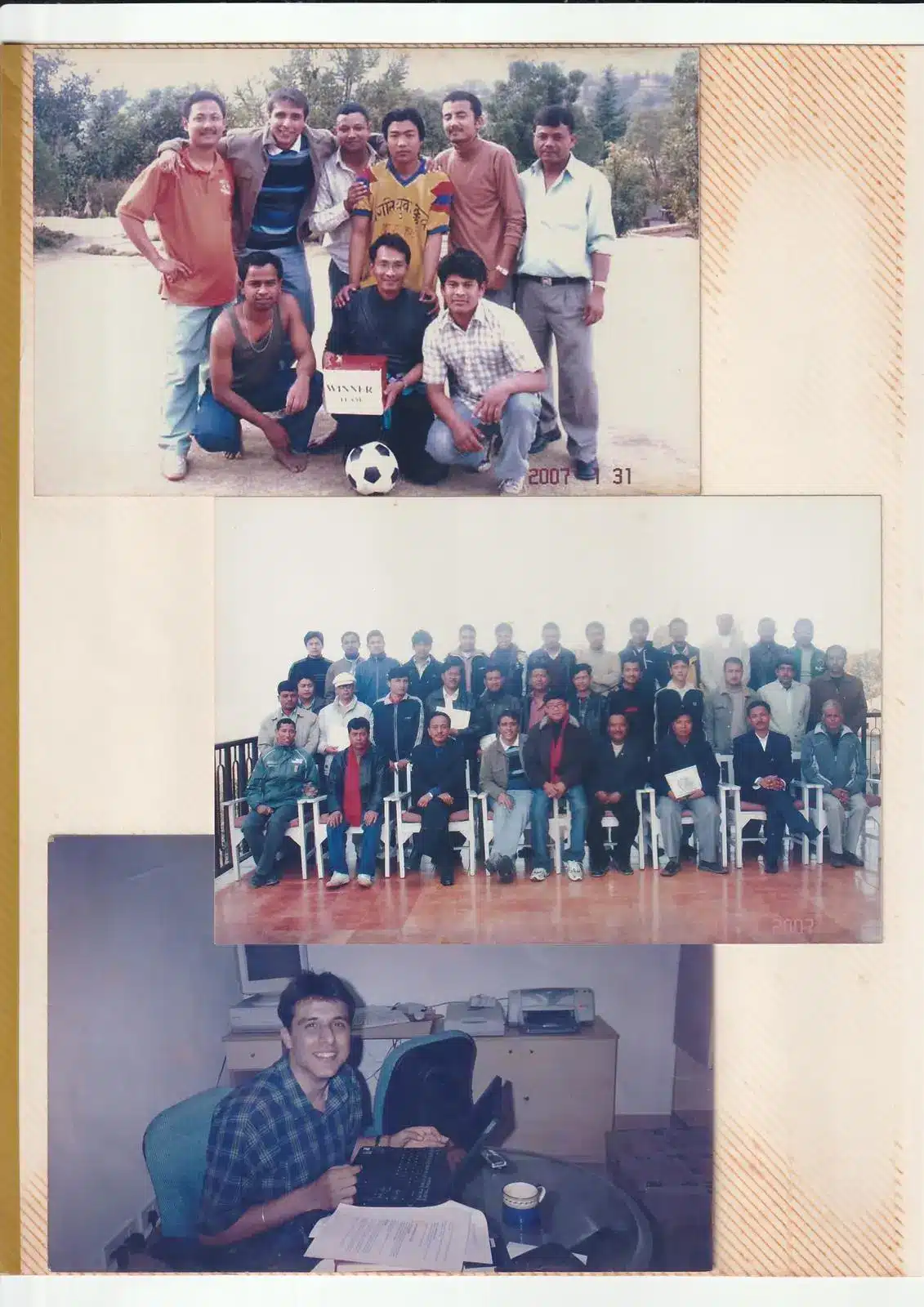
After graduating from business school in India, Nikhil knew he wanted to start his career in sales. “I liked the hustle,” he says simply.
At the time, pharmaceutical company GSK Consumer Healthcare was known for lending young professionals a strong foundation in sales. Thus, he signed up as a management trainee, well-versed in GSK’s brand portfolio.
The thirteen years Nikhil spent at GSK turned out to be eye-opening in more ways than one. Every two to three years, he’d be moved into a new territory or country, which lent him valuable exposure to different markets, cultures, and ways of working, and made him adept at adjusting to unfamiliar environments.
“This foundation has been instrumental in my ability to work across Southeast Asia and find commonalities in a world of differences,” he reflects. He credits this in part to the senior leaders he worked alongside, describing them as some of the best he’d ever worked with.
Nikhil’s mindset proved invaluable as his career took him, first to Nepal, then to Vietnam and Indonesia, where living and working across these distinct markets reinforced a crucial principle: leaders must learn to adapt to their environment, rather than expecting it to conform to them.
A major transition arrived in the form of Sanofi, which marked his first move to Singapore and his first regional influencing role. Until then, he had largely held country-specific roles with direct commercial responsibility and large reporting teams.
“Suddenly, I was an individual contributor who had to influence senior stakeholders who did not report to me,” he says. The experience taught him how to influence without authority, and provided his first real exposure to the nuances of multiple Asian markets, including Japan, Korea, the Philippines, Malaysia, and Singapore.
While companies often group the aforementioned markets under one ASEAN or Southeast Asia cluster, he quickly discovered that the region is anything but homogeneous. In fact, one of the biggest things he had to unlearn was the assumption that what worked in one market could simply be replicated in the next.
“Every market comes with its own nuances — from people and culture to regulations, channels, and consumers,” he comments. “Something that is relatively simple in one country can be surprisingly complex in another.”
But rather than focus on differences, Nikhil preferred to merge diverse perspectives. “Instead of constantly saying, “We are different’, we need to learn from each other and build the business collectively,” he says, a mindset he credits to help him build businesses across the region.
The unglamorous days of building from zero

When Nikhil joined Japanese multinational Kowa in 2018 to build its Southeast Asian presence from scratch, he stepped into a radically different environment.
Today, Kowa’s regional presence spans thousands of stores, but the early days in 2018 looked very different. Moving from established global giants where brand recognition was a given, he found himself leading a team of three in Singapore, introducing a brand and company that few in the region recognised.
Before joining Kowa, he questioned the move, wondering if he was accepting too much risk. In hindsight, he has no regrets. “Looking back, I am incredibly glad I took this risk,” he reflects. “I always believe that magic happens when you step outside of your comfort zone.”
Nikhil’s early days in Kowa were among the toughest, yet, some of the best. Operating alongside a skeleton crew of three, his team spent their weekends travelling to-and-from various Kowa outlets across Singapore, inspecting displays, and building pricing strategies; thus effectively taking on the role of merchandisers.
While none of it was glamorous, and required him to rely on his previous experience while simultaneously casting aside his ego, it showed him how things worked on the ground. “Even today, I can walk into a customer organisation and connect with the ground staff just as well as the CEO,” he shares.
“Singapore’s biggest strength is its ability to bring together great international and local talent,” he notes.
“When you are trying to build a business from the ground up, being based in Singapore makes it easier to recruit talent, find the right partners and agencies, and connect with regional customers and stakeholders.”
Nikhil’s pioneering work on Kowa’s Singapore chapter laid the foundation for his appointment as the first non-Japanese board member of a Kowa Pharmaceutical entity in Asia, a milestone he views as a reflection of mutual trust built over time.
“Being appointed to a board for the first time was a proud moment in itself,” he says. “The organisation trusted me not just to deliver the business, but to help shape its direction and make important decisions. That trust means more to me than the title itself.”
Navigating Japanese corporate culture over eight years has also lent Nikhil a deep appreciation for its distinct design. “I’ve been fortunate to work with a great leader who gave me considerable autonomy to build and run the Southeast Asian business,” he reminisces.”
Bridging cultures and leading with humility
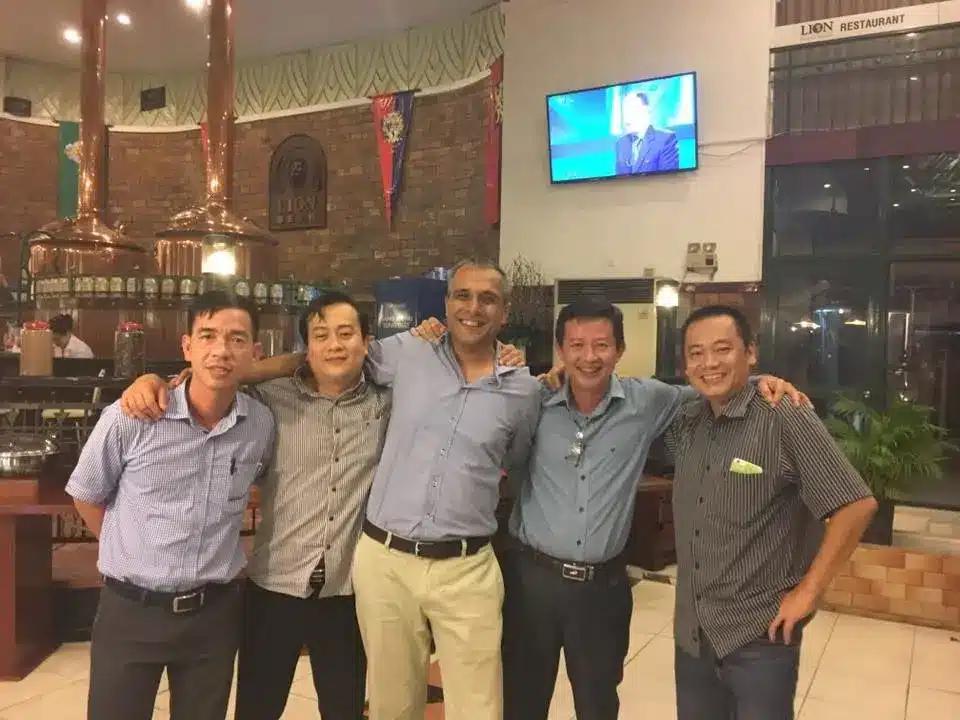
Having led teams across Southeast Asia, Brunei, and the UAE, Nikhil emphasizes looking beyond language to understand true intent. He recalls an early experience in Vietnam during a heated debate with a team member. Fifteen minutes in, a colleague intervened, translated the discussion into Vietnamese, and started laughing.
“Turns out, we were both saying the same thing,” he says. “We laughed about it, and had a few beers together, but I walked away with a very important lesson: sometimes, what looks like disagreement is simply miscommunication.”
When evaluating potential senior leaders, Nikhil looks for traits that go beyond technical skills. He values agility, curiosity, a hunger to learn, the courage to try new things, and the resilience to find solutions when things fail the first time.
But above all, he prizes the values of respect, humility, and integrity the most.
“Titles change as you progress in your career, but how you treat people remains one of the clearest indicators of the kind of leader you will ultimately become,” he says. “
He also encourages aspiring leaders to gain hands-on international experience.
“If you want to succeed in a regional role, having meaningful in-country experience outside your home country is incredibly valuable,” he advises. “It changes the way you see people, business and leadership.”
Interestingly, he adds that he has even applied these cross-cultural communication lessons to parenting his son.
Establishing roots in Singapore
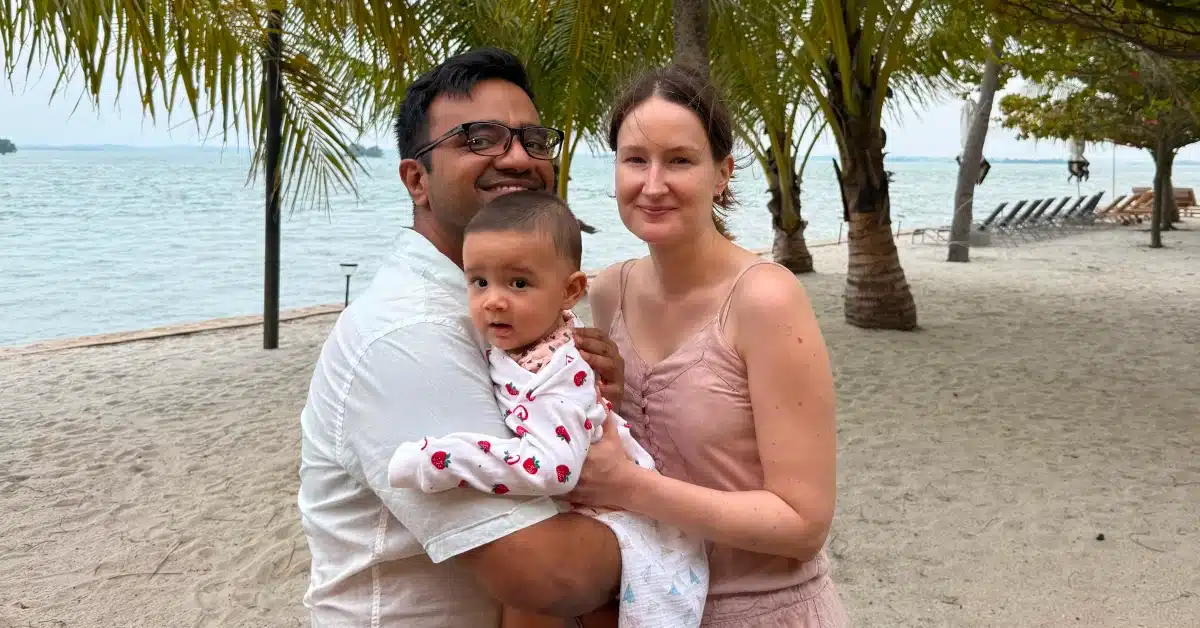
Nikhil was accustomed to moving, having changed schools nine times while growing up in India. However, relocating required his wife to restart her career with every move (across Nepal, Vietnam, Indonesia, and Singapore), while taking the lead in establishing their family’s social circles.
“She adapted beautifully, built a successful career in each country and, more importantly, became the person who helped our family build a social life wherever we went,” he reflects. “When you are away from your extended family, having a community or ‘tribe’ around you makes an enormous difference.”
In each new country, the Kapurs found comfort in connecting with other expatriate families who understood the nuances of starting over. Over time, their circle expanded through their son’s school, football teammates, and neighbours.
“Today, our friends in Singapore come from all over the world,” he shares. “That diversity has given us a window into cultures we may never otherwise have experienced.”
Nikhil’s multicultural experiences have inevitably changed how he lives his life, broadening his perspective on people, culture, and ultimately, what matters. He finds himself more conscious about staying healthy, and maximising time with family.
“I think every country you live in leaves a little bit of itself with you,” he notes. “Over time, we have learnt that ‘home’ is not necessarily the place where you were born. You can build it around you — through friends who become like family, the community you create, and the environment in which you raise your family.”
Interested in working in Singapore?
Learn about our Work Holiday Pass and how to get started.

About Nikhil
Nikhil Kapur is General Manager and Board Director at Kowa Pharmaceutical Asia, where he has been instrumental in building the Japanese multinational’s regional business from zero to 8 markets and 10,000+ stores in five years.
Connect with him here.