By SGN | Updated 29 Sep 2026
When Peter was seven, he learned an unexpected lesson about miscommunication.
In a classroom in New Zealand, a student excitedly described a dream about chocolate mousse. Peter had only encountered “moose” in books, and burst out laughing at the image of a chocolate-covered animal.
When the room fell silent, he realised that he had embarrassed her without meaning to.
This moment stayed with him well into his adulthood. Not because it was particularly dramatic, but because it revealed to him some fundamentals about human interaction.
“People can hurt or misunderstand each other even when ill intentions aren’t involved,” he says. “This is because of a gap in language, context, culture, pace, or simply the fact that two people have different perspectives.”
Decades later, that childhood lesson has become the foundation of his life’s work.
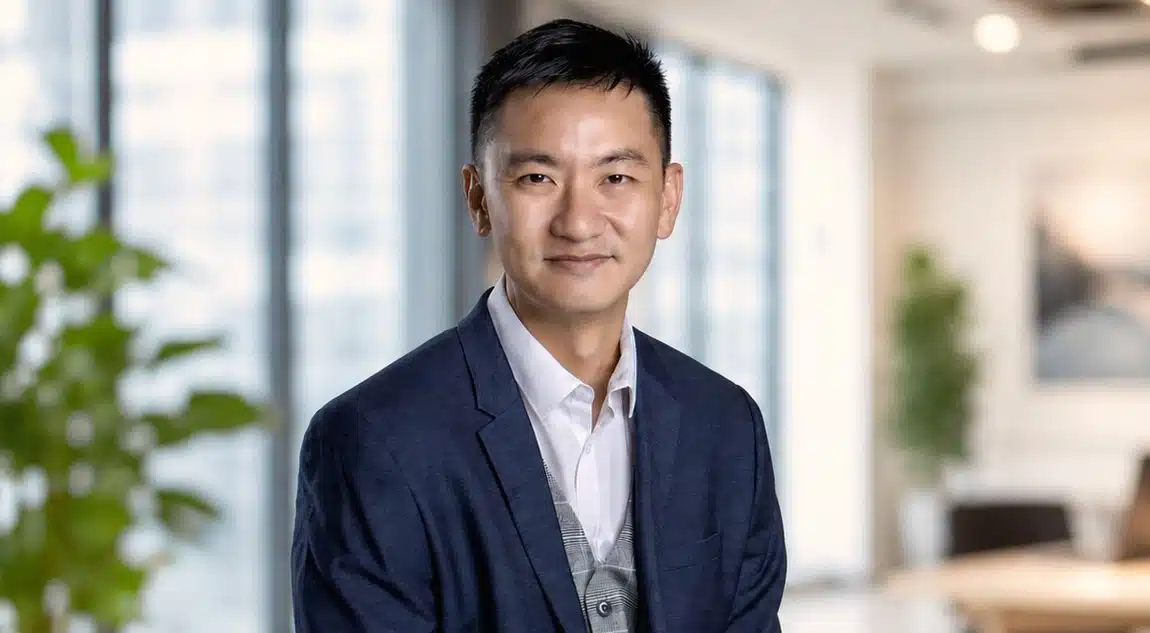
Today, Peter is better known as the co-founder of TOKEN2049 and SuperAI, two of Asia’s largest technology gatherings. Yet when asked what he does, he prefers a more poignant description.
“I like building rooms where people feel seen enough to soften, listen, and meet each other properly,” he reveals. “The instinct behind my work is translation.”
The art of building impactful rooms
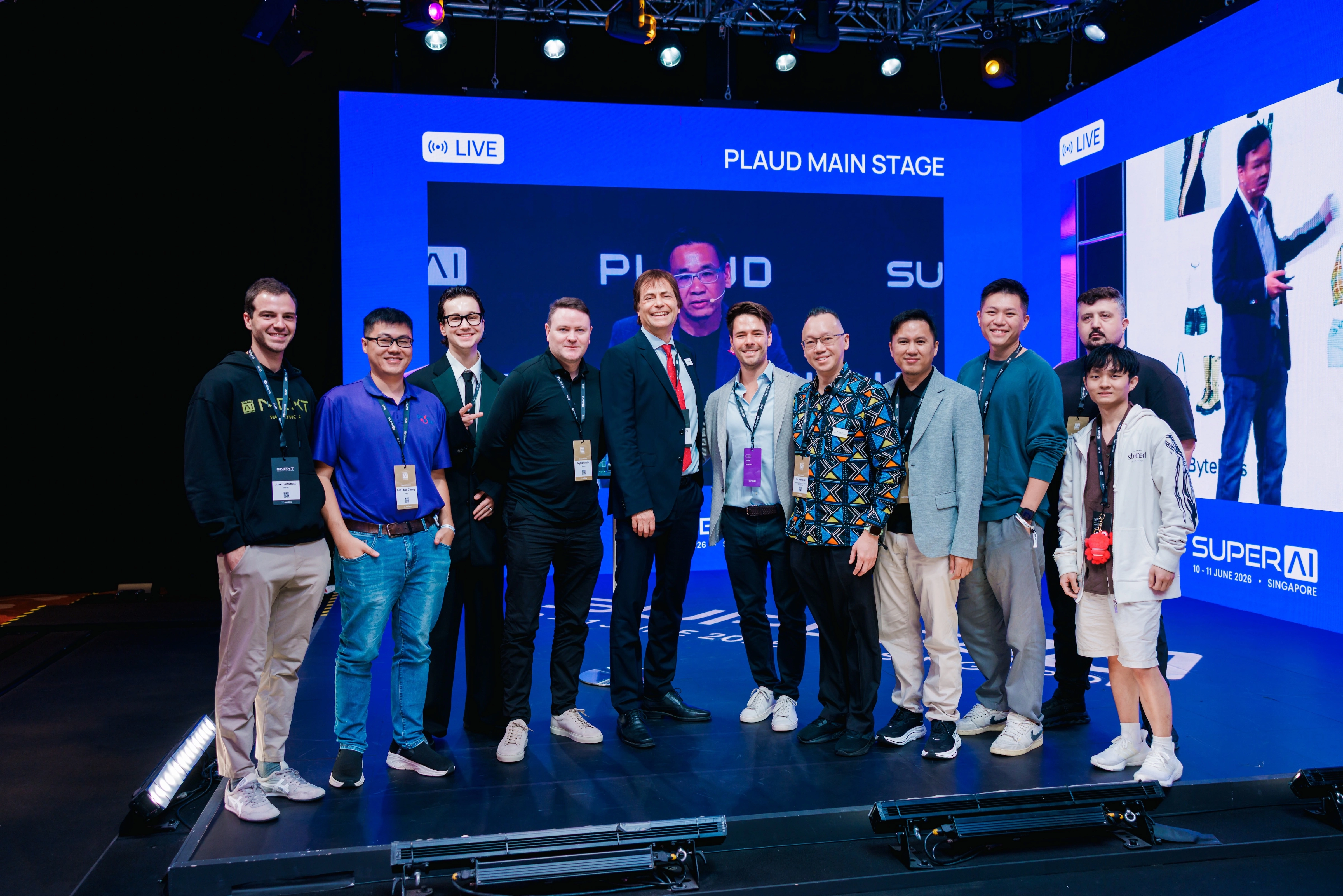
When asked what his professional title is, Peter doesn’t fall back on executive acronyms. Instead, he simply says he “builds rooms”.
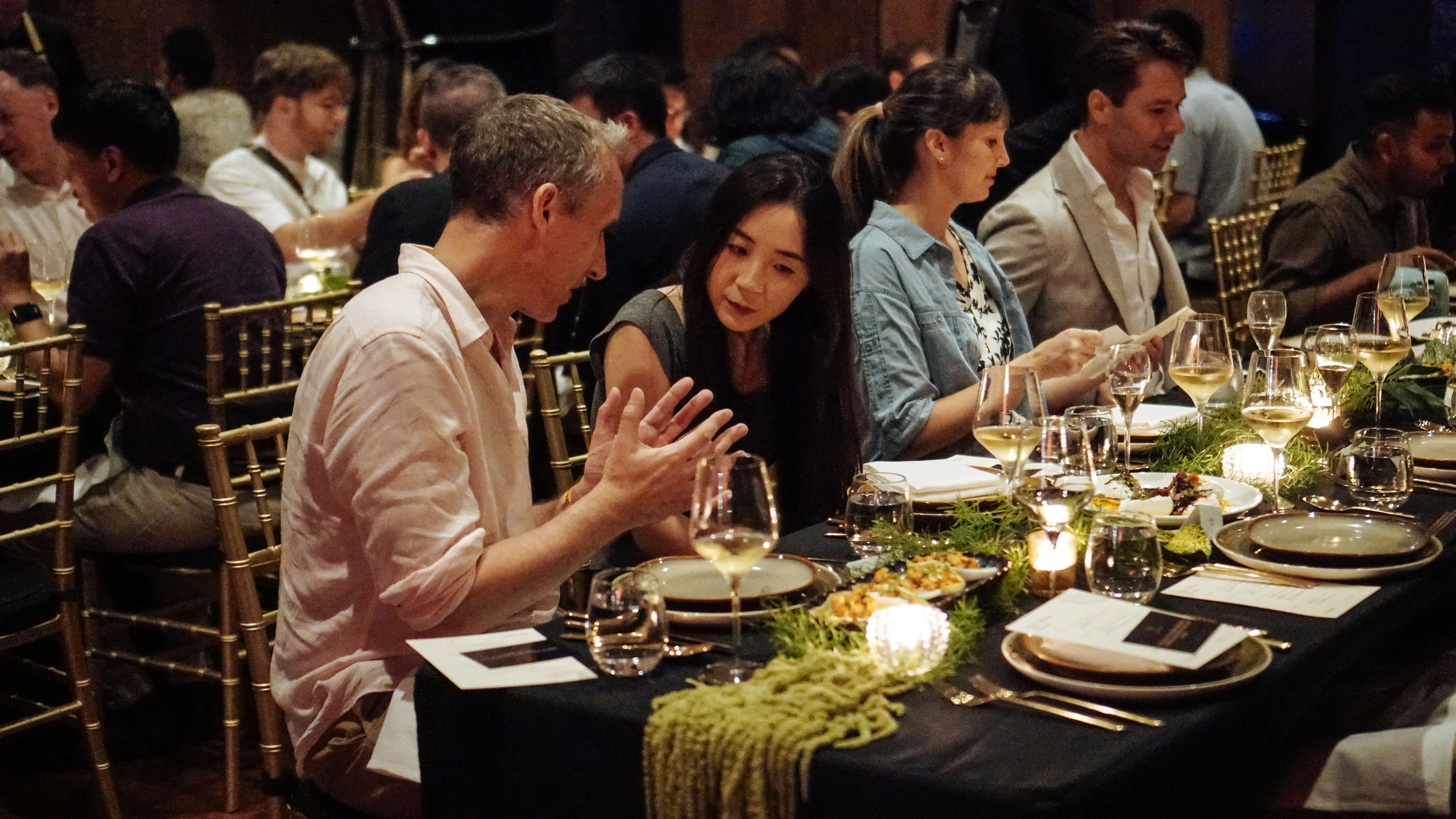
“Conceptually, a room consists of people, timing, context, seating charts, music, food, and follow-ups,” he explains. “In good rooms, people can speak more openly and honestly than they would in public.”
While these details may seem ornamental, they are key to making honest conversations possible at any scale – whether it’s a tightly-curated dinner, or a mega-conference with attendance running into the thousands.
Rather than designing events around speakers or sponsorships, Peter starts with a different question: which parties need to cultivate a mutual understanding, and what is the smallest format for this to unfold?
“Sometimes the answer is a dinner, private salon, or a conference track for thousands of people,” he shares. For him, those moments matter because genuine friendship often creates stronger collaboration than formal introductions ever could.
Building bridges in the age of AI
Peter’s academic background in History and International Relations shaped the way he views the rapid rise of artificial intelligence. “History trains pattern recognition,” he says. “It teaches you to look past the noise of the present and ask what structure is forming underneath.”
While much of the conversation around AI focuses on models, chips, data centres and regulation, he sees a more complex story unfolding. The defining challenge of the AI era, he argues, is coordination.
“Technology never moves through the world on its own,” he states. “It moves through states, markets, alliances, institutions, capital and trust.”
To harness opportunities generated by artificial intelligence, key players needed to override geographies, cultures, and competing interests to find common ground.
Peter’s answer was simple: bring them into the same room.
“Events reduce distances of all sorts,” he comments. “Geographic, trust, information, and institutional, because people can meet, interact, collaborate, and form connections that they wouldn’t have been able to otherwise, because of geography.”
Resolution of the issue of coordination first took shape with TOKEN2049, with Peter realising that the crypto ecosystem needed to be better consolidated, especially in Asia. With most of the industry living inside Twitter DMs, Telegram groups, small meetups, exchange relationships, fund circles, and founder chats, what was missing was the element of hospitality.
He deduced that what people needed were gatherings – and ones where they felt seen, held, and connected. A recurring theme in his work is what he calls “unreasonable hospitality”. “For me, hospitality is part of the infrastructure,” he reveals.
The minutiae of these events mattered greatly to Peter – greetings, seating arrangements, furniture, music, menu. While they seemed small, they were the prerequisites for building trust, which in turn, would translate into meaningful collaboration.
“Unreasonable hospitality means building with the guest as the first principle,” he describes. “You start with how they feel, what they need, who they should meet, and what would make the experience generous, rather than transactional.”
From TOKEN2049 to SuperAI

Peter, along with his three co-founders, were no strangers to building large-scale experiences.
They had been doing so since the 2010s, and were experienced in identifying emerging opportunities, particularly in fintech, and applying systematic operations to bring them to life at scale, in the hopes of attracting global investors.
TOKEN2049 and SuperAI were born out of this operating background. Designed as large-scale platforms, these events were envisioned as ways to create the conditions for capital, talent, founders, and institutions to move and act faster.
And as the crypto industry matured, TOKEN2049 grew alongside it. What began with around 1,000 attendees evolved into a global platform, attracting tens of thousands of participants annually across multiple editions.
With SuperAI, Peter was particularly motivated to solve the issue of fragmentation – where researchers, frontier labs, startups, enterprises, governments and investors were all participating in the AI conversation, but from separate vantage points.
“Key players are working across research labs, universities, government offices, thinking about policy and national strategy. Some are independent developers vibe-coding at home and showing up to meetups at night,” he comments. “SuperAI was designed to bring those worlds together, and to prevent ecosystems from splintering across geographies, disciplines, and institutions.”
While attendance for SuperAI and TOKEN2049 have soared significantly over the years (40,000 for both events combined as of 2025, upwards from the 1000 reported for TOKEN2049 in 2018) Peter is quick to point out that scale should not be treated as the prize. “A big crowd is impressive, but the real test is whether people leave with relationships, conviction, deals, hires, ideas, and reasons to return,” he says.
Singapore as the vantage point
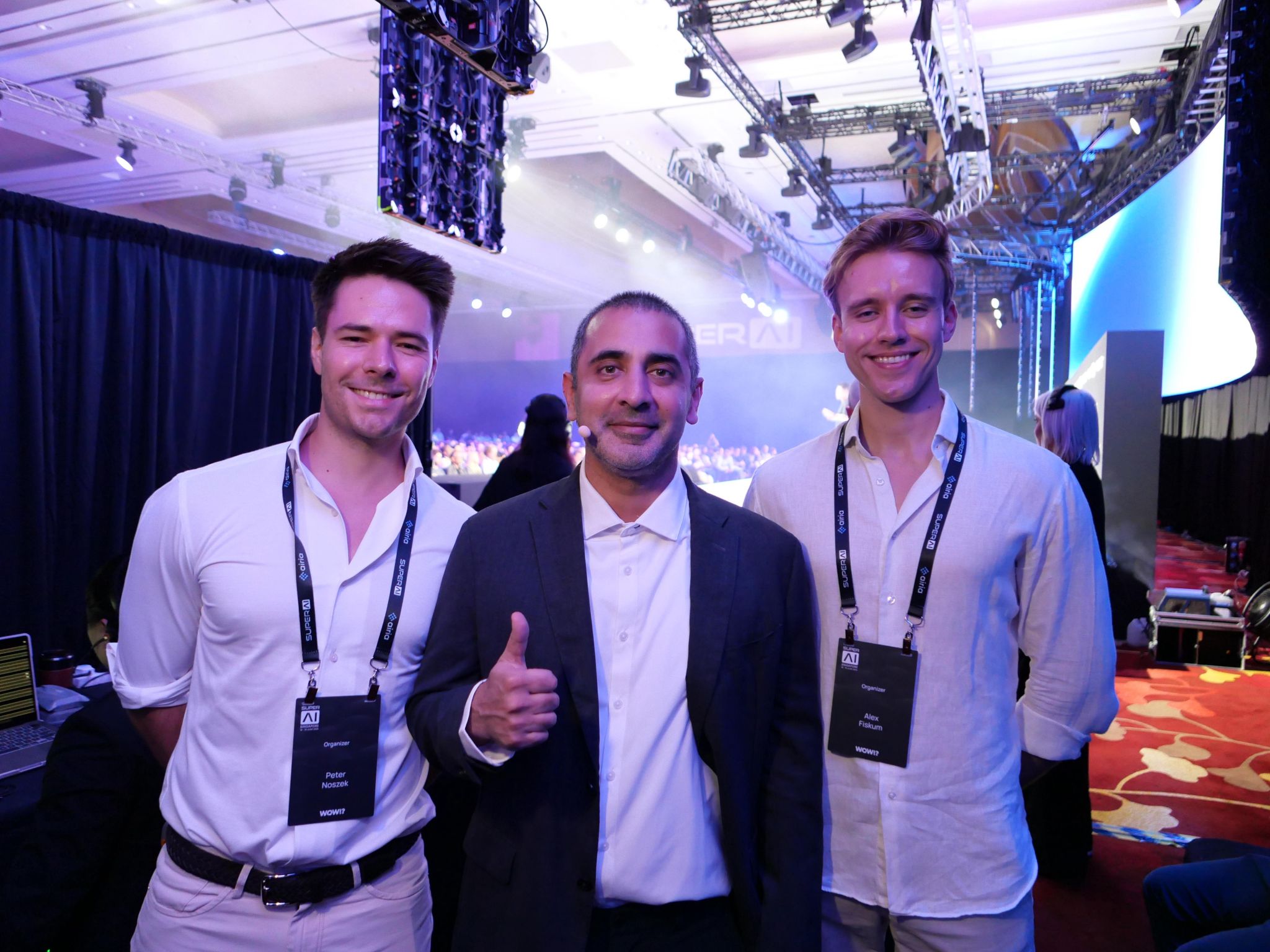
“I want SuperAI 2026 to make Singapore feel like the most useful neutral room for AI in the world.”
Singapore became the natural vantage point for Peter’s work.
“The global AI ecosystem is increasingly shaped by different centres of gravity: Silicon Valley, China, Europe, Southeast Asia, the Middle East, sovereign capital, infrastructure players, and governments,” he observes. “And while these groups do not always trust each other, they still need places to meet.”
Peter believes the city-state’s ability to convene diverse stakeholders is one of its greatest strengths. He often describes Singapore as a form of neutral ground: a place where builders, policymakers, enterprises and investors can meet without feeling as though they are stepping into someone else’s territory.
“Singapore has a rare role here,” he says. “It is globally connected, trusted across several systems, and close to the markets where AI deployment will matter most.”
Peter views his work as building an informal “relationship layer” that runs in parallel to the formal strategies of the Singapore government. While state agencies excel at establishing policy, infrastructure, and institutional frameworks, his initiatives build the human corridors required to move capital, talent, and information seamlessly into the region.
“While I don’t represent the government, I find myself working in a similar direction as theirs – just on behalf of private and ecosystem stakeholders,” he clarifies.
“I try to add to that by bringing in people who would otherwise be difficult to reach, then giving them a trusted way to understand the region and build here.
Building the human layer at scale with Pax Silica dinners

Peter’s latest initiative, Pax Silica dinners, is perhaps the clearest expression of his philosophy. He has begun hosting intimate dinners aimed at connecting tech pioneers from Asia and the West.
“Dinners are the smallest complete unit,” he shares. “They are intimate enough for honest conversations, yet serious enough to compel the attendance of consequential people.”
A recent iteration brought AI founders, researchers, investors, policymakers, infrastructure operators, and sovereign wealth funds to the same table in Singapore, sparking immediate, real-world momentum.
Conversations quickly turned into follow-ups around research collaboration, market entry, compute, and regional partnerships.
“The goal is simple: to help the people building the future understand one another before they try to build it together,” he clarifies.
There was another, simpler, outcome that mattered to Peter. “Several people who had never incorporated Singapore into their plans, now have plans to attend SuperAI and Singapore AI Week for the first time,” he shares.
Over time, Peter hopes Pax Silica becomes a trusted corridor connecting San Francisco, Singapore, China, Southeast Asia and the wider global AI ecosystem — a network of relationships capable of navigating the biggest technological shifts of the current generation with greater trust and less fear.
Rebuilding rhythm and setting roots in Singapore
Having spent more than two decades living and working across Asia-Pacific, Peter describes Singapore as “where Asia comes together in the best way possible”.
Beyond work, Singapore holds a special place in Peter’s heart. “I first came to Singapore when I was seven,” he recalls. “My father considers Singapore to be his favourite city, and I hold the same sentiment.”
Singapore, as a location, has also been conducive to Peter’s health and lifestyle. “In Singapore, I can rebuild my personal rhythm, with sleep, nutrition, access to quality healthcare, and a sense of order,” he reflects.
Lately, he has begun thinking of Singapore as a permanent base. “I have close friends who have started families here, which is why I can envision a version of my life in Singapore that feels warm, grounded, and real.”
Interested in working in Singapore?
Learn about our Work Holiday Pass and how to get started.

About Peter
Peter is the co-founder of SuperAI, Asia’s largest AI conference, and TOKEN2049, the world’s largest crypto event. Operating from both Singapore and San Francisco, Peter is committed to
breaking down silos between Silicon Valley and Asia, and bringing together founders, builders, and institutions.
Connect with him on LinkedIn.