By Eric Bahn | 22 Apr 2024

As co-founder at Hustle Fund, an early-stage venture capital firm, my team and I have reviewed over 50,000 founder fundraise pitches.
Without realising it, lots of founders accidentally fall into a trap in their messaging while making their case for raising capital.
When I was a founder (in an earlier phase of life), I myself made so many of these mistakes that led to my getting rejected by most VCs.
Here are three of the biggest traps I see that ruin a founder pitch, as well as some advice on how to avoid them.
Trap 1: You and your co-founder have barely met.

When it comes to co-founders, I am strongly biased toward a team that has worked together – and shipped together – for at least a few years prior.
Co-founder relationships transcend simple business partnerships, or even friendships. They are more like sibling relationships.
The reality is that your co-founder is the single human in your life that you will spend the most time with, even more than your spouse, kids, friends. And running a startup is hard – there are constant fires and stress.
I believe that a great co-founder relationship is established on deep trust, which is best earned through a shared history of working together and overcoming hard moments together. If you just met your co-founder last week at a hackathon and have decided to start building a company – that may be a dealbreaker for me.
So how do you avoid this trap? Well it starts years earlier. Identify who in your world you consistently enjoy working with, and keep doing projects together. This might set the ground for becoming a great founding team later.
Trap 2: You talk about how quickly you’ll get acquired.

If you’re pitching a VC and are already talking about flipping your startup by getting acquired for tens of millions of dollars within a few years, you probably aren’t going to get funded. This simply doesn’t gel with venture mathematics.
As a VC, I need to build a portfolio of founders who are swinging as hard as possible for massive outcomes – measuring in the billions. For the Hustle Fund portfolio, any given fund features 250 startups we’ve backed. Probably a half dozen of these companies will become major breakout businesses, which will ideally pull up the entire value of the portfolio by several multiples.
When companies talk about acquisition during their earliest pitches, this signals to us that the team is trying to just get some quick money in a flip. Normally, that means that we won’t be able to 50x or 100x our money on the given deal, and that we’d be better off working with founders who are aiming and striving for the IPO – even if it’s a longer, harder path.
To avoid this pitfall, just don’t talk about ‘exit strategies’ at all in your early pitches. It will only harm your chances of getting funded.
Trap 3: You often resort to lies and exaggeration.

This trap sounds pretty obvious, but you’d be surprised how often founders are tempted to exaggerate a bit too much. Here’s a common example:
A founder tells me that ‘X Fund’ is committed to the round. In fact, they even feature this fund in one of their slides. I’ll then text the general partner at that fund to ask for her opinion on the company, and then discover that this fund has not committed at all, or is still deliberating whether or not to invest.
This is a massive red flag.
VCs know each other. I’m in contact with 1,400 venture capitalists around the world, and we’re texting all the time. Very quickly we can figure out when someone is lying, and once you’ve been branded as a founder who lies – no one will want to work with you. Possibly ever.
Avoid this trap simply by being truthful. Your relationship with venture funds should also be built on trust and transparency.
Founders, please take heed of the pitfalls above! These are mistakes I see all the time, but they are also really easy to avoid.
Interested in working in Singapore or starting a business here?
Find out more about the new Overseas Networks & Expertise (ONE) Pass as well as other work passes that may suit you.

Meet Eric
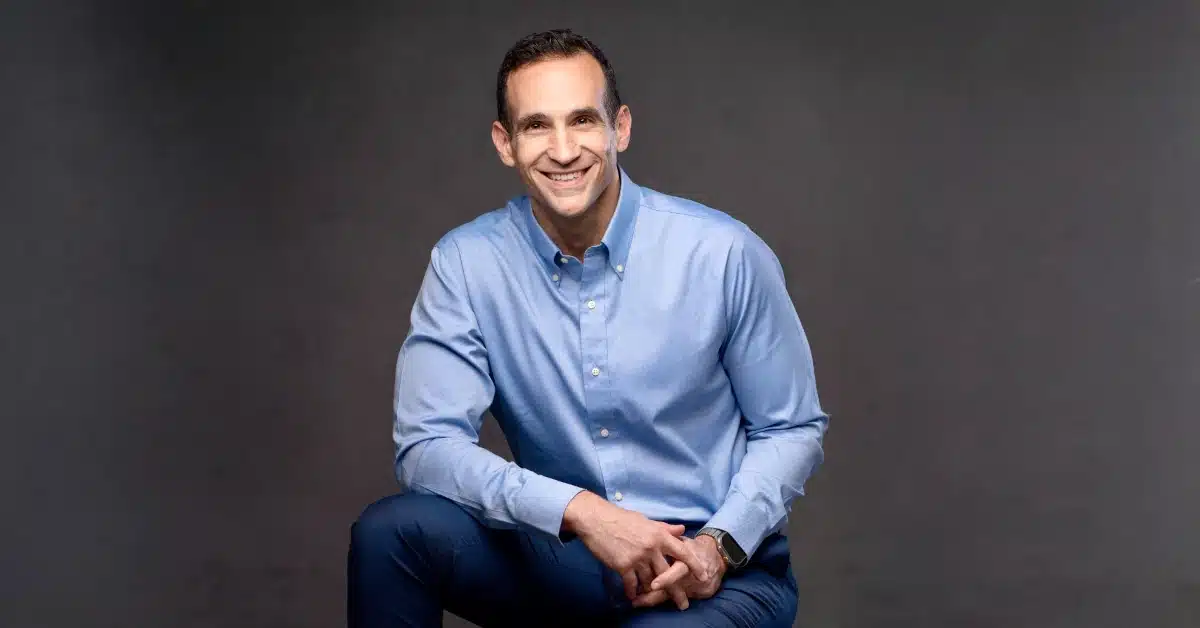
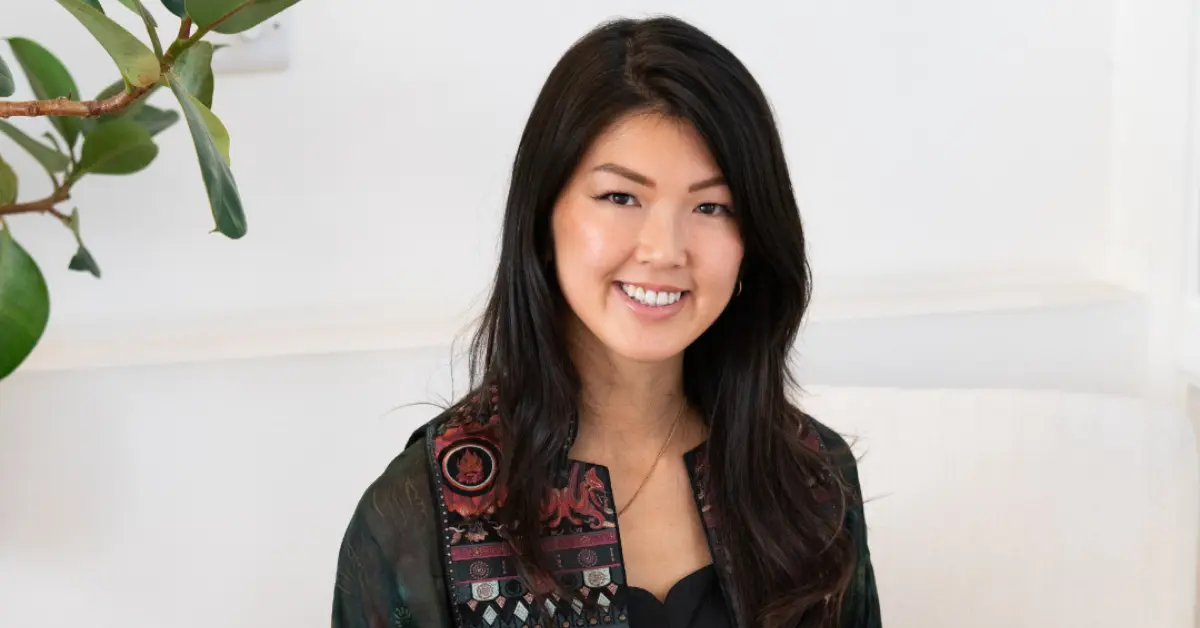
Eric is co-founder and general partner at Hustle Fund, a pre-seed venture capital firm with over $130 million in assets under management. He is based in the San Francisco Bay Area with his wife and two children.
Connect with him here.