By SGN | 17 Jul 2026
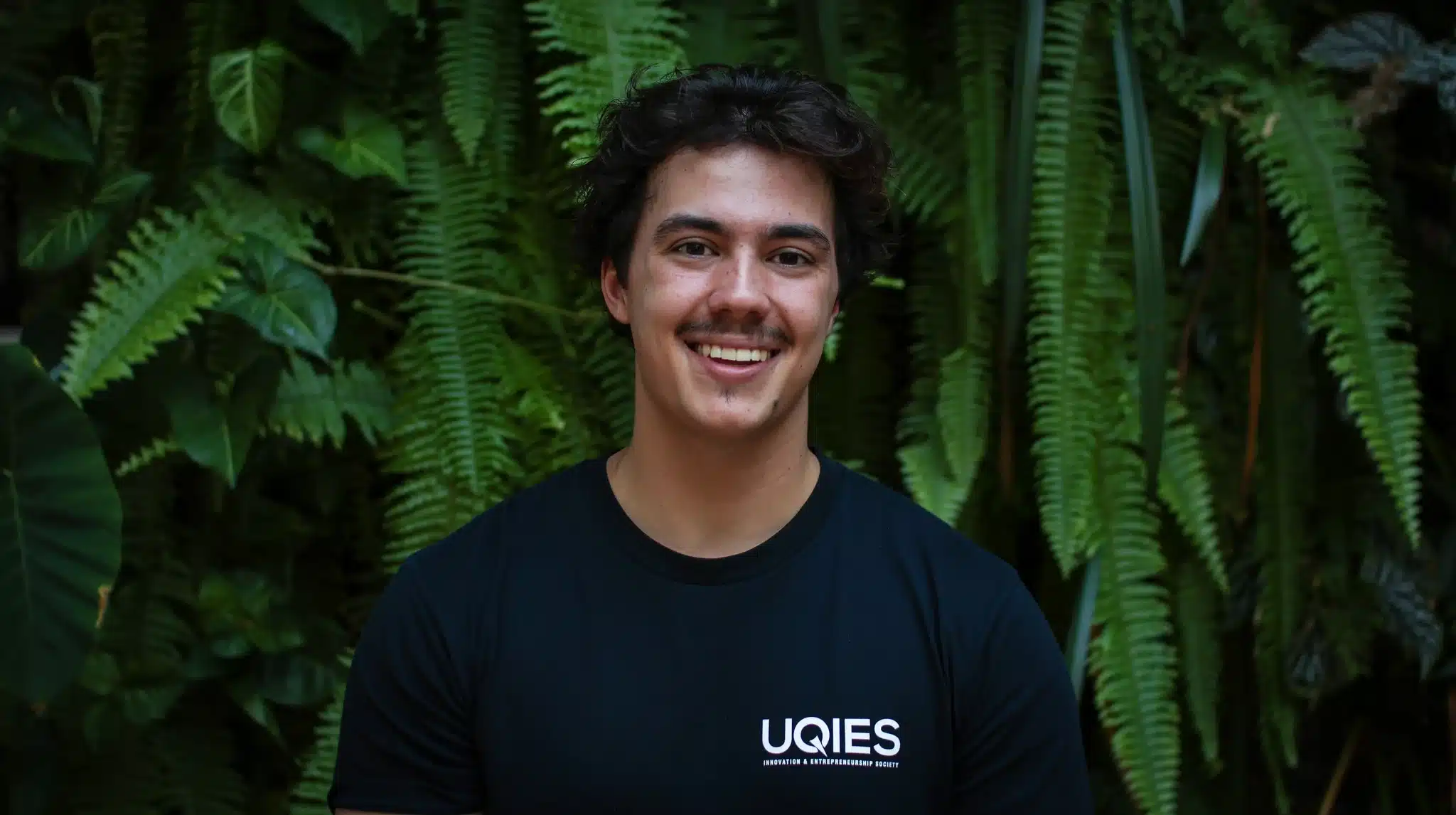
Xander grew up on a farm in regional Queensland. “About as far from Singapore as you can get,” is how he puts it.
He first came to Singapore in 2024 on a university scholarship trip which included a structured introduction to a city’s startup ecosystem. He spent a few days at the National University of Singapore (NUS) and spent some time watching how things work here. Whereas most students return home after embarking on trips like this, Xander started thinking about how to come back.
He was still an undergraduate at the University of Queensland when he returned to Singapore. The route back wasn’t via a graduate job offer or a formal posting, rather, an exchange semester at Singapore Management University (SMU). And by the end of that semester, he had decided that he wanted to stay.
“I had a choice: to go back to Brisbane and finish my degree on schedule, or take a sabbatical and stay,” he shares.
Xander then took six months off university to intern full time at January Capital, a Singapore-based early-stage venture capital firm working across fintech and AI. “An opportunity of this calibre just isn’t available to a 21-year-old back home, and I wasn’t going to pass it up to sit in a lecture theatre in school.”
Setting up his life in Singapore
The decision to stay was the easy part. What followed was considerably more complicated. When Xander was solidifying his move to Singapore, he had been interning in Bangalore as an AI product manager at Infosys.
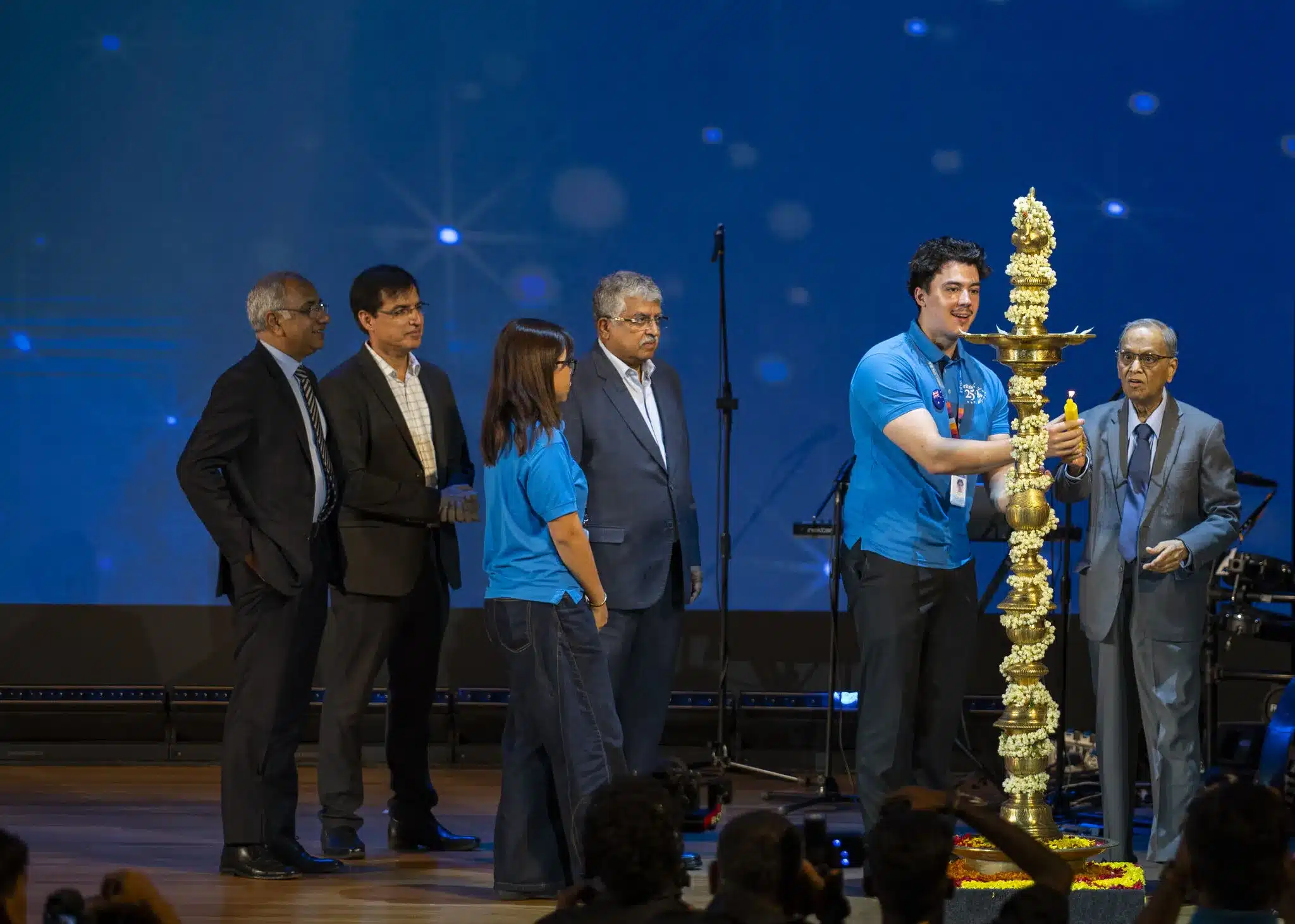
“Sorting out banking, a phone line, a place to live, and all of it remotely from another country, was a real test of patience,” he says. But the shared housing arrangements came together more smoothly than he’d expected, and finding other students to live with made the actual landing gentler than the planning process suggested it would be.
It was at this point when he found out about Singapore’s Work Holiday Pass (WHP) from two other Australians he’d met in the city — one interning in consulting, the other at Interpol, both already on the WHP. The allows eligible Australian and New Zealander students and graduates to work and holiday in Singapore, for up to a year.
The application process, he says, was fairly straightforward. After submitting his personal details online, he received his In-Principle Approval (a document issued to an applicant while pending completion of formalities for immigration purposes), and then collected his new Work Pass at the Ministry of Manpower.
The dinner that changed everything
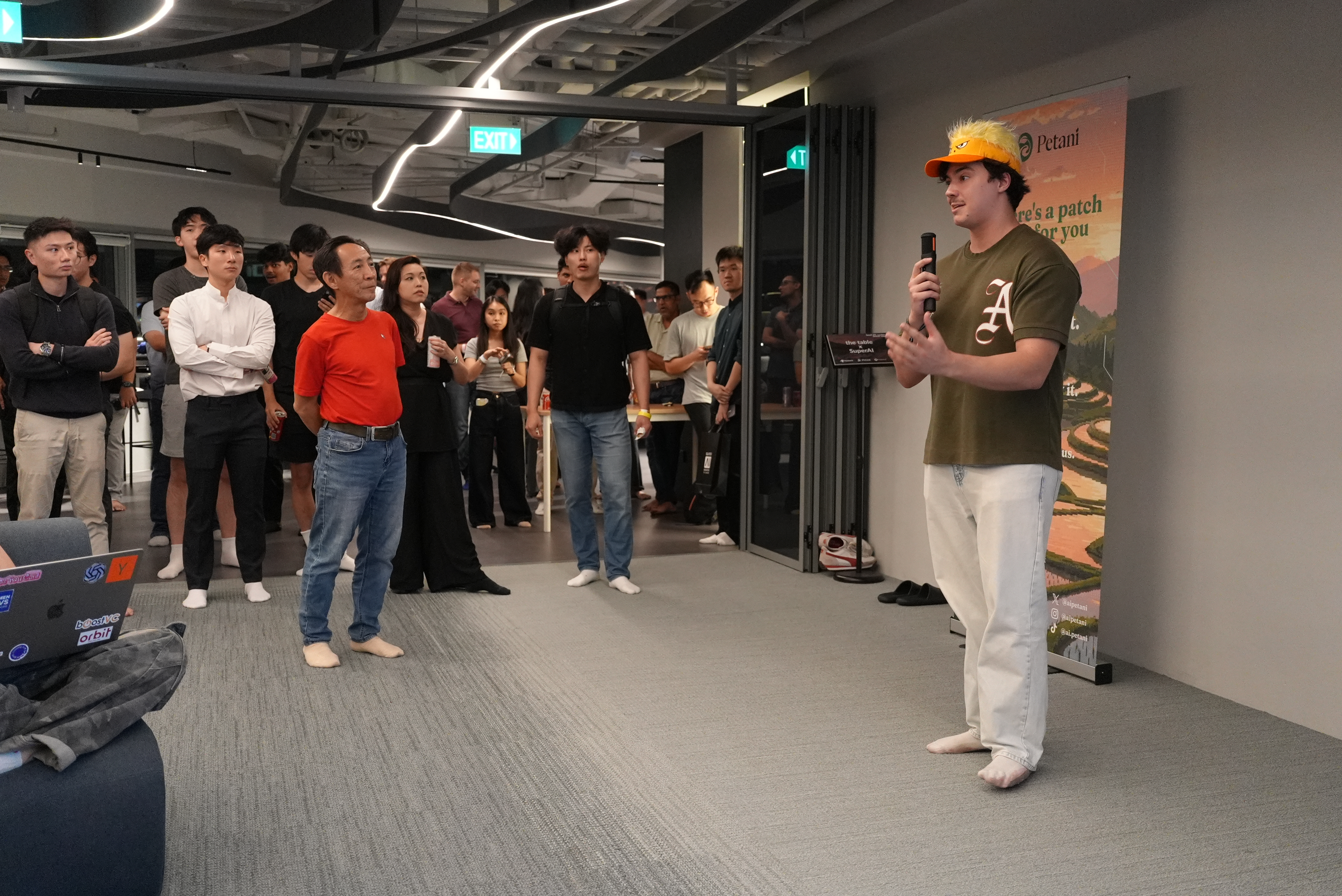
Singapore’s startup ecosystem runs on events like panels, pitch nights, drinking with investors and networking sessions. Xander was attending four or five such events in a week, and after a while, most of them started to blur. The conversations and formats were similar. A lot of it was, as he puts it, less about what people were actually building, and more about the performance of building.
Then he was invited to a dinner at a founder’s house.
“I’d been to a hundred networking events at that point,”, he says. “But sitting around a dinner table at a founder’s home with people who were just as obsessed with startups as I was, and who had actually lived and breathed it instead of just talking about it on panels helped me realise that these were my people,” he shares.
It was the kind of conversation that made him understand what the startup ecosystem in Singapore could be, if you found the right rooms.
That dinner would become the blueprint for what he built next.
48 hours to code
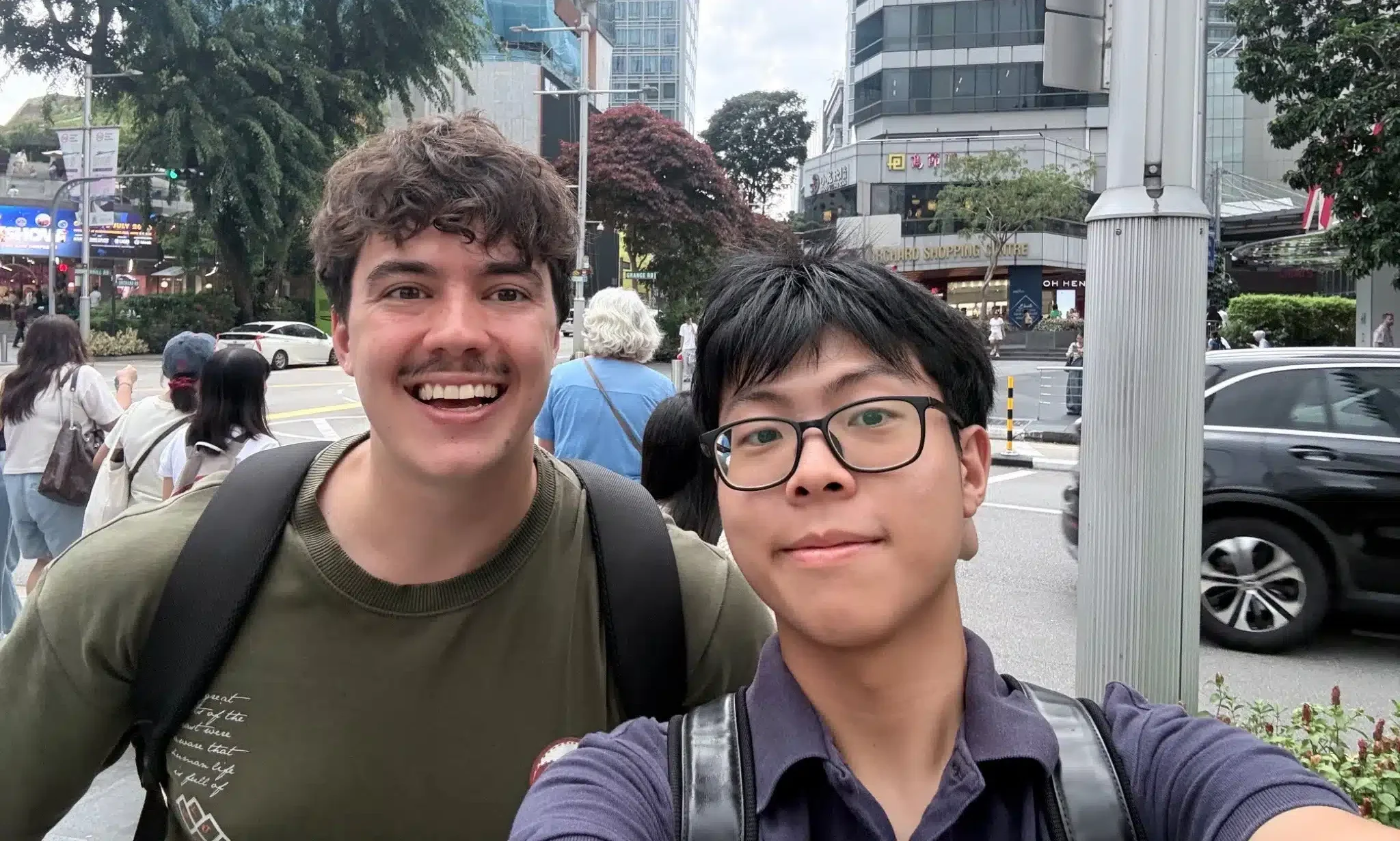
Project 6 started with a shared frustration. Xander and his co-founder Canaan Poh, who runs an AI infrastructure startup called Lythe, kept turning up at the same events, seeing the same faces, and having conversations that circled around fundraising and LinkedIn updates rather than the actual work of building things. They were looking for something different.
They started small, hosting private dinners for founders they admired. Around ten people were invited to each session – a number small enough for conversations to gather momentum. While this format worked, it had its limits. People would leave, go back to their routines, and the momentum would dissipate.
That’s when the duo struck gold with a novel idea.
“We decided to rent a mansion, fill it with the best builders we knew, gave them 48 hours, and told them to ship code,” Xander says.
From this point on, the private dinners took on the form of hacker houses — intensive, residential, time-bounded.
The idea, Xander says, came from observing San Francisco operate. “Hacker houses are the norm there, and we wanted that intensity here,” he shares.
Since then, Project 6 has run four residencies across Singapore, Malaysia, and Canada, with events in China and India on the way. 15 projects have shipped across those sprints, with hacker houses running across 5 countries.
Founders who came through have raised over 1.5M USD in funding directly off the back of the residencies. Some participants have gone on to quit big tech jobs to build full time, while two have relocated to San Francisco to pursue their own startups.
Project 6 has since worked with Aspire, OpenAI, and Lovable.
What Xander didn’t fully anticipate was the personal dimension of it. “I’ve made lifelong friends and colleagues from hacker houses I’ve been to, and the ones I’ve hosted,” he says.
“The people who show up to spend a weekend shipping code with strangers tend to be a very specific kind of person, and the relationships formed at 3AM over a half-working prototype hold differently than ones formed over drinks at networking events.”
What university taught him about building communities
Before any of this, Xander was president of (UQIES) the University of Queensland Innovation and Entrepreneurship Society (UQIES), which grew into the largest student entrepreneurship community in Australia during his time there.
While the numbers were impressive: 18 executives, 36 events including a student-led trip to San Francisco, $35,000 in prizes and grants, 784 members, and 18 million monthly views across their social media content, it’s not what he mentions when he talks about his experience there.
“Communities don’t grow because you tell people they should care,” he says. “They grow because you build something worth showing up to.” This guiding principle remained with him as he travelled from Queensland to Singapore.
When he looks at Singapore’s startup ecosystem, he’s clear about where the gap is. Talent isn’t the problem.
“Singapore is one of the most technical-talent-dense countries in the world. The students coming out of the universities here are the product of that,” he shares.
What’s missing, in his view, is a culture that points that talent toward founding, and this is the gap Project 6 is trying to close. He’s also been helping to run The First Fellows programme at January Capital, which supports young founders across Southeast Asia and Australia, and has been judging hackathons around Singapore as a way of meeting builders earlier in their journey.
Ice baths and a fitness routine

Away from work, Xander has settled into a routine that he didn’t entirely plan for. He’s been to the ice bath club over a hundred times now. He went once on a whim early on, got hooked, and it’s become a fixed morning ritual after going on a run around Marina Bay Sands.
“The community at the ice bath club has turned into one of the best I’ve found in the city,” he says. “A real cross-section of people who show up early to do something hard together.”
Coming from a farm, apartment living took some adjustments. The bigger surprise, though, was the green. MacRitchie Reservoir, he says, is genuinely wild — he’s spent a lot of weekends out on the trails there. “For someone who grew up surrounded by open land, it mattered more than I expected.”
The clock running down
The Work Holiday Pass has a built-in time limit, and Xander is aware of it in a way that feels less like anxiety, and more like intent. “The time limit forces me to maximise every day, professionally and personally,” he says. “Abundance of time is the enemy of innovation, and a clock running down is its own kind of forcing function.”
When asked whether there’s a version of events where he stays longer than planned, he doesn’t dismiss it. “I would love to stay, so I can keep supporting founders here,” he says. “But the mission of building a proper pathway for young builders isn’t something that has to be anchored to one city.”
What success looks like, he says, is different depending on which lens you use. Personally, he has built deep friendships that will outlast this stint, and created connections with people he’ll still be in business with and in life decades from now. Professionally, his ambitions are not confined to a single residency or a city.
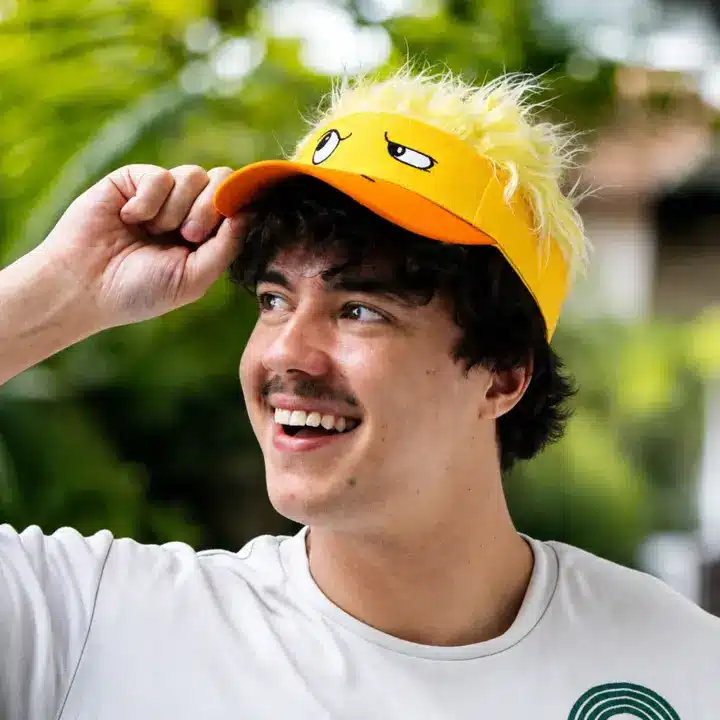
“I want to set up a city for building long term. A place where founders, designers, and engineers can live together, ship things, and grow into rocket ships.” To achieve this, Xander is also working on another startup – Produck, an AI-native user intelligence platform that helps businesses find product-market fit.
For young Australians considering a move to Singapore or the wider region, he keeps the advice simple – move here as soon as possible. “Coming to Southeast Asia has been the biggest growth opportunity I’ve ever taken,” he says. “It’s a great adventure, and it’s the right place to build a company or a career.”
He shares this advice with the ease of someone who came for a school semester and found, somewhere in the middle of sorting out logistics from Bangalore, building prototypes at 3 A.M. and 125 ice baths, that he’d built a life here. Not a perfect one, not a finished one, but one that is, for now, worth staying for.
Interested in working in Singapore?
Learn about our Work Holiday Pass and how to get started.

About Xander
Xander Minzenmay is an Australian entrepreneur and community builder based in Singapore on the Work Holiday Pass. He is the co-founder of Project 6, a hacker house and founder community running residencies across Singapore, Malaysia, Canada, and beyond. He also runs Produck, an AI-native user intelligence platform that helps businesses find product-market fit.
Connect with Xander here.