By Armaan Dhanda | 23 Feb 2026
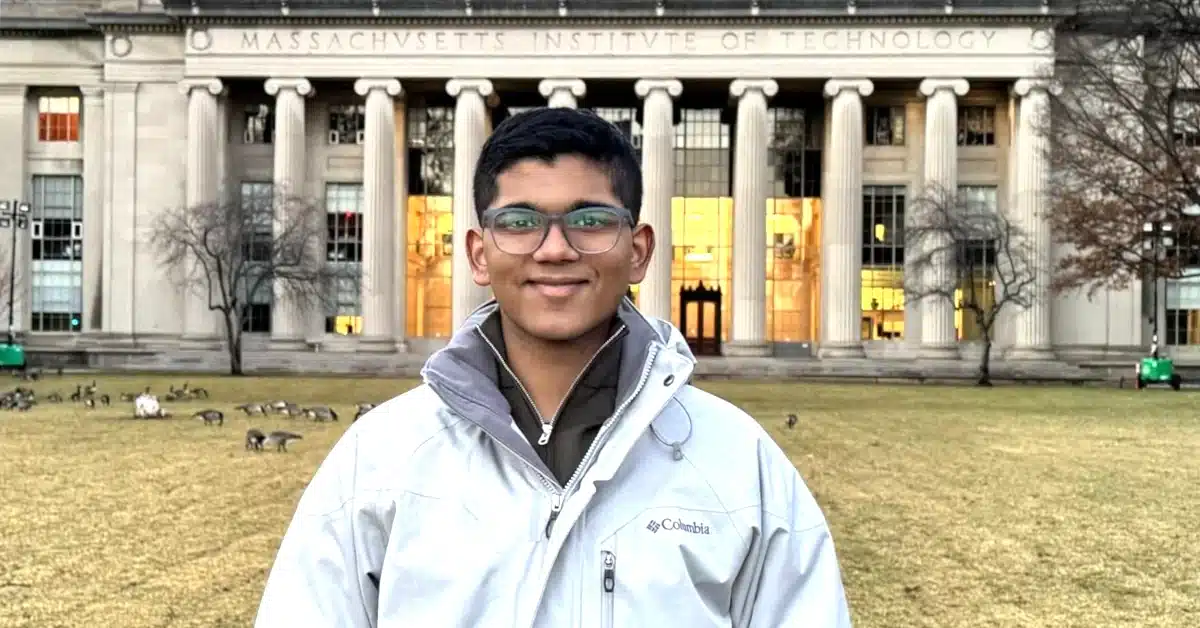
My surname Dhanda sounds like the Hindi word for “business”, so you could say I was born to be a founder.
My earliest years were spent in Ludhiana, Punjab, before we moved to Gurgaon outside Delhi when I was three. Because my family is in the manufacturing business, dinner table conversations revolved around supply chain, margins and working capital.
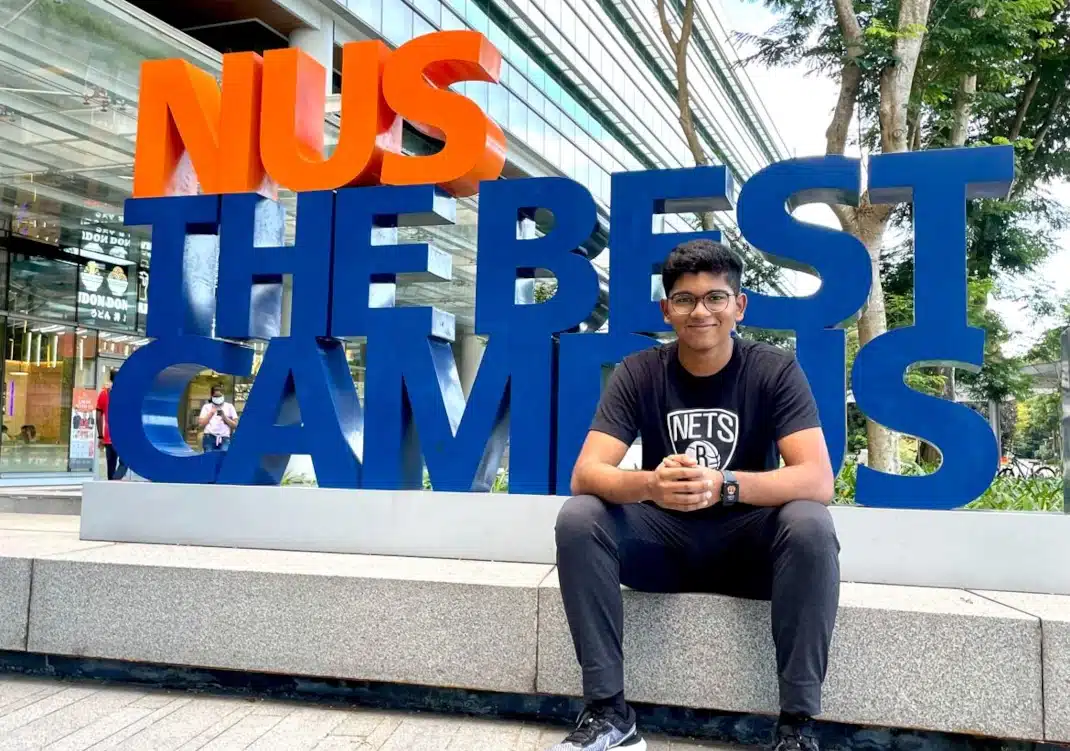
In school, my interests leaned towards the sciences, and entering the National University of Singapore (NUS) became a dream. It meant getting a world-class science education in a city that was safe and close to India.
The idea seemed out of reach – nobody in my circle of friends had got in – so I was over the moon when I won a full scholarship to study chemical engineering.
Co-founders from Week One
Believe it or not, I met my co-founder Samyak Baid even before school started. We had spoken once in India, and he was enrolled to study economics at NUS.
Samyak had applied to the Singapore Management University’s Business Innovations Generator (BIG) incubator, and he asked me to join him. By the first week of school, we became co-founders.
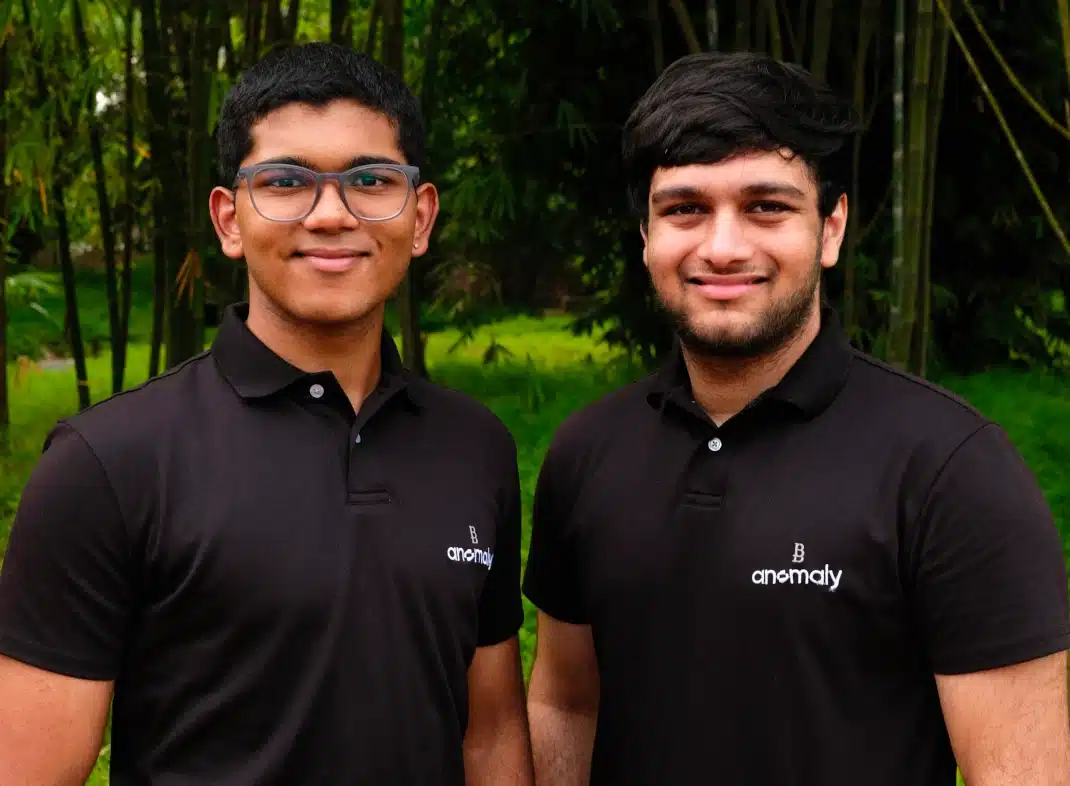
Samyak likes to scale things up and make them viable, while I enjoy early-stage scientific research. It’s a good balance.
Based on his interest in the nutrition supply chain and mine in the future of food, we launched the startup Pawsible Foods in 2023 with a super niche offering: a vegan canine supplement made by upcycling mushroom stems.
Since then, we’ve rebranded as Anomaly Bio and transitioned to a B2B ingredient company. Think of us as a modern-day Cargill or BASF. Rather than deplete nature’s resources, we devise ways to brew novel molecules in tanks, finetuning the process of fermentation and turning microbes into micro-factories.
Moving from lab to pilot scale
At Anomaly, the technology we develop involves engineering the microbe. We have conducted R&D in Singapore, India and the US, funded by grants and fellowships, including one we received from Prime Minister Lawrence Wong.
Our goal is to supply better ingredients for a broad range of product categories such as nutrition, crop protection and personal care.

Our first ingredient is a bulk protein to replace meat in pet food, produced using a fermentation-derived fungus.
Near the end of 2024, we were among five startups chosen for The Next Generation Pet Food Program by Mars Petcare, the manufacturing giant behind brands such as Pedigree, Royal Canin, Sheba and Whiskas. Out of 140 applicants, we were the only student company accepted.
After optimising the bioprocess, we partnered with an experienced scale-up company to move from lab to pilot scale. This progress enabled us to advance into the next stage of commercial development with Mars Petcare.
Fundraise when you don’t need to
In 2025, Samyak and I both had stints in the US – he was an exchange student at Princeton, I was an intern at an MIT spinoff. We figured this was a good opportunity to start talking to investors. Our commercial agreement with Mars gave Anomaly credibility, and it’s just good advice to fundraise when you don’t need to so you won’t come across as desperate.
To connect with potential investors, I would take early-morning and late-night calls. Over one weekend, the venture fund Pebblebed flew me to San Francisco to meet them. Two weeks later, the fund offered us a term sheet that ended up leading our $2.6 million pre-seed round.
As Anomaly gained momentum, it felt natural for Samyak and me to focus on it full-time. NUS was very supportive in the entire journey. We have now switched to Employment Passes (EPs).
When we were students, there was always more work to do and never enough hours in a day. Now things feel very different. We have a lot more time to decompress and generate ideas for future projects. The beauty is that it is still day zero. We are just getting started.
Naivety is a superpower
Samyak and I are going against the grain: It’s unusual for people without a PhD to be founders in biotech, and we don’t even have undergraduate degrees. For investors to take us seriously, we need the data to speak for itself. As we build our team, we’re excited to work with exceptional talent, including people with decades more experience than us.
Naivety is a superpower. I believe the best companies in deep tech are built by outsiders who come without any assumptions. You approach problems from first principles, and usually that’s where nuance and possibility lies. You can rethink systems from the ground up.
Founders in our generation readily use tools like ChatGPT. Although Samyak and I use AI to speed up our pace of learning, we are cognisant to never outsource our critical thinking.
On our journey, we’ve been fortunate to meet business mentors and personal cheerleaders. Early inspiration came from founders like Naman Tekriwal, whose journey building Breer showed us that it’s possible to start a company as a student.
Sumit Jain, CTO of Zalora, gave us what I call the permission to start, at a time when we knew what we had to do but lacked the courage to take the plunge. He helped us avoid early mistakes and often expressed confidence in our long-term potential.
Singapore vs the world
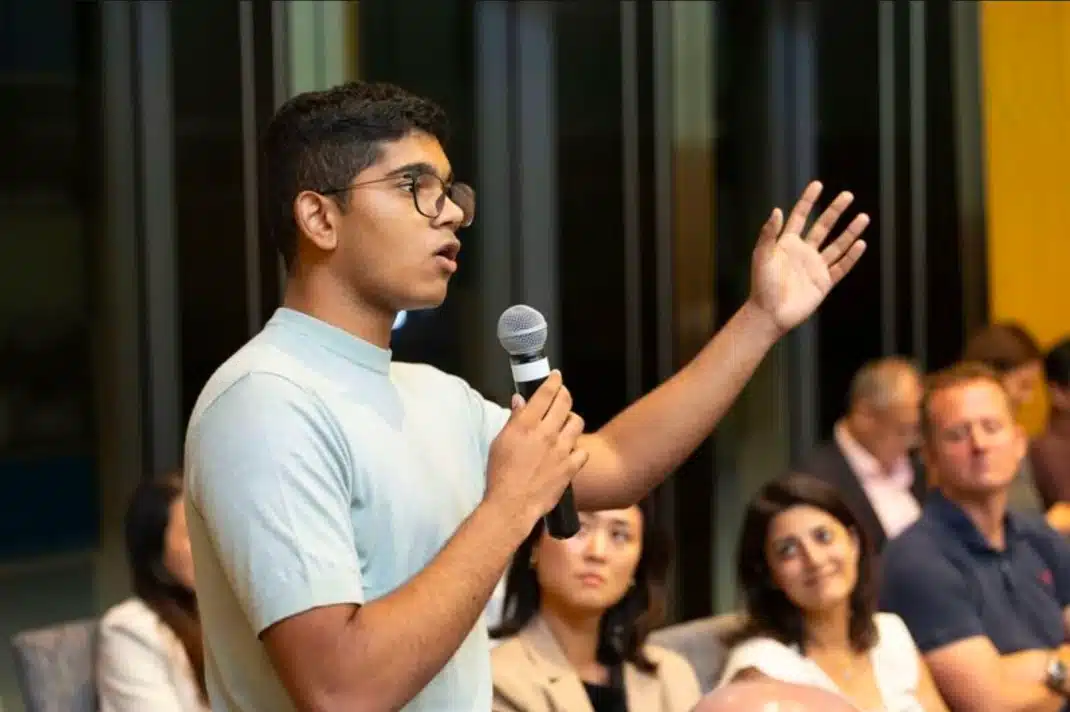
The level of ambition I’ve seen among deep tech startups in San Francisco or Bangalore is on a different level as compared to Singapore. It comes down to a greater ability to take more bets, thanks to lower costs in India and more access to funding in the US.
In Silicon Valley, the depth of market and ability to back young founders without question is a lot higher. American investors often go, “Hey, you’re raising too little. Raise one million more.” Asian investors tend to say, “You’re raising too much. Raise one million less.”
Still, Singapore has been a great launching pad for us. The country is heavily invested in science and the future of food, and is brilliant for early-stage R&D. At conferences like the International Summit on Sustainable Protein (ISSP) and the Singapore International Agri-Food Week (SIAW), we’ve met lots of startups, potential hires, investors and academic collaborators.
I really appreciate the comfort of life in Singapore. Food is not as expensive as it is in other developed countries. Transportation and other services are very reliable. It’s an extremely high-trust society. In my leisure time, I play racket sports quite a bit. And I really like going to cafes over the weekends.
I do sometimes wish there was more room for serendipity. In Singapore, you don’t always find outliers or “weird” people. And yet it’s usually the crazy ones – the innovators, the artists, the creators – that change the world. With Anomaly, that’s what Samyak and I are striving to be.

About Armaan
Armaan Dhanda is the co-founder of Anomaly Bio, a Singapore-based startup that turns microbes into micro-factories to rebuild ingredient supply chains. It has raised $2.6 million from Pebblebed and angel investors such as Akshay Koathri (Notion) and Sean Hunt (Solugen), and was one of five startups selected for The Next Generation Pet Food Program by Mars Petcare and Big Idea Ventures.
Connect with him here.