By SGN | 2 Sep 2024
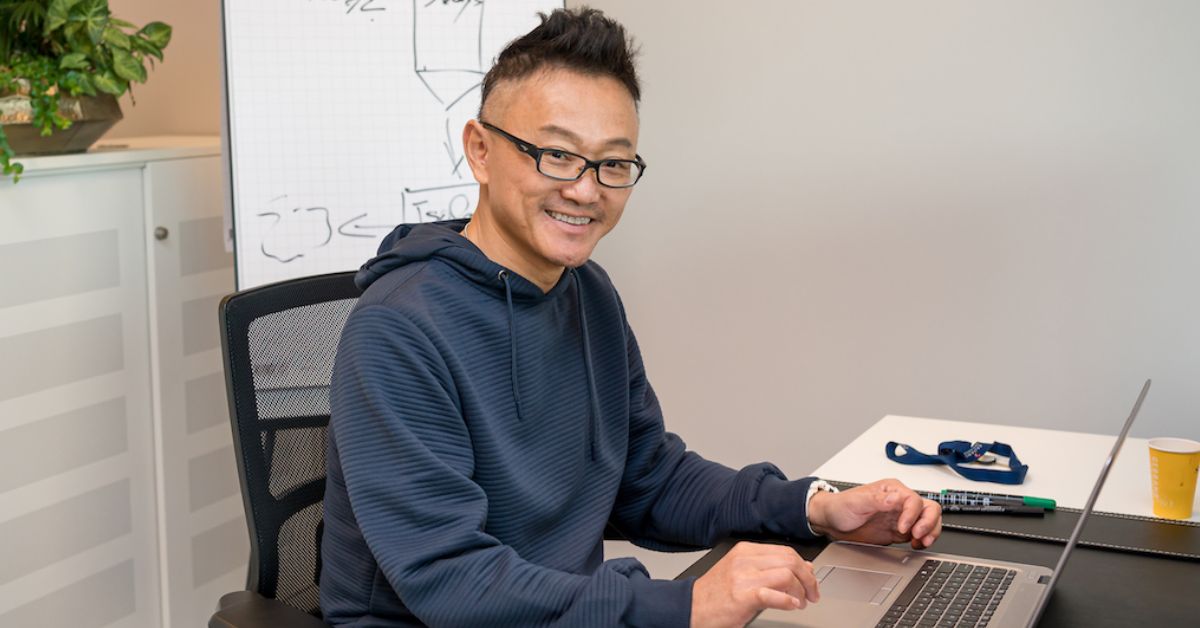
Eugene Wang comes from a family with a long tradition of making plant-based foods.
Born and raised in a Buddhist household spanning four generations in Taiwan, he and his family naturally gravitated towards the vegetarian food industry.
“My grandparents were vegetarian food street vendors in Taiwan,” he shares. “My father then graduated with a food science degree and went on to establish our family’s vegetarian food manufacturing plant in Taiwan.”
Over the past 50 years, the family has focused on quality manufacturing and distribution across Asia and North America, establishing several vegan businesses along the way.
“For us, eating vegetarian food isn’t just a religious belief; it’s a way of life.”
Making seafood out of plants
“I’ve been consulting for leading food companies in the vegan and vegetarian sectors since 1996,” Eugene shares. “However, it wasn’t until more than a decade later that I found the inspiration to start my own venture.”
This arose from his daughter Sophie’s allergy to shellfish, which sparked Eugene’s desire for her to enjoy ocean nutrients without consuming animals.
“It got me thinking about how there were no vegetarian seafood alternatives on the market,” he explained. “So I thought, why not use the knowledge I’ve gained from my family’s business to start one?”
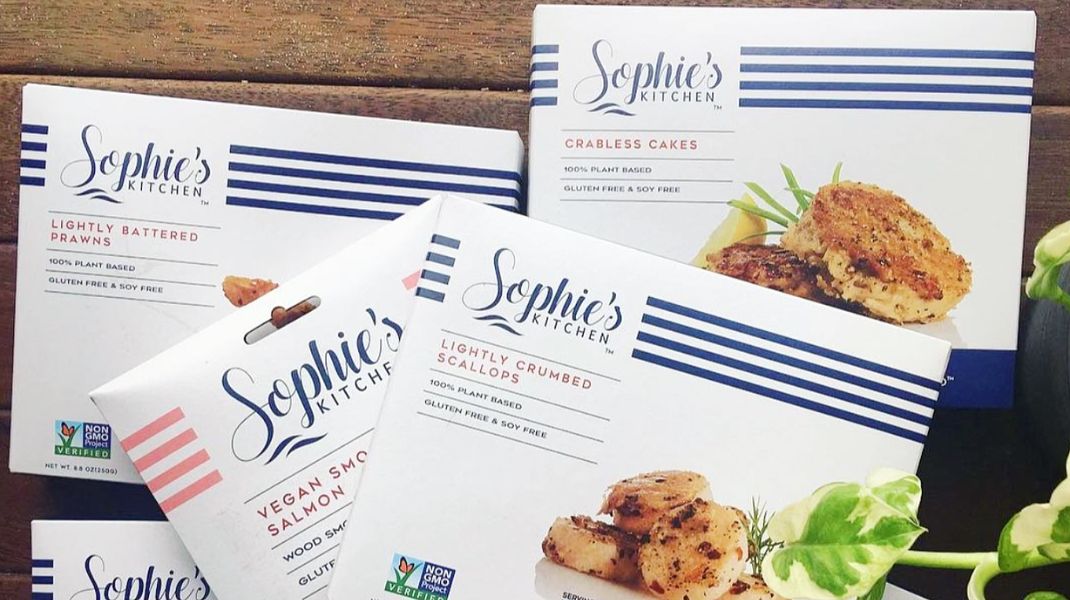
After extensive research and developing the right technologies, Eugene founded Sophie’s Kitchen in California in 2010. As the world’s first plant-based seafood company, it offered vegan seafood made from soy-free, gluten-free, non-GMO, and plant-based ingredients.
“No one had really heard of creating seafood without animals before, so Sophie’s Kitchen garnered widespread recognition from major companies like PepsiCo and Chipotle,” he says.
This success also earned him the nickname of ‘Vegan Visionary’ among the press and industry leaders.
Zooming in on microalgae
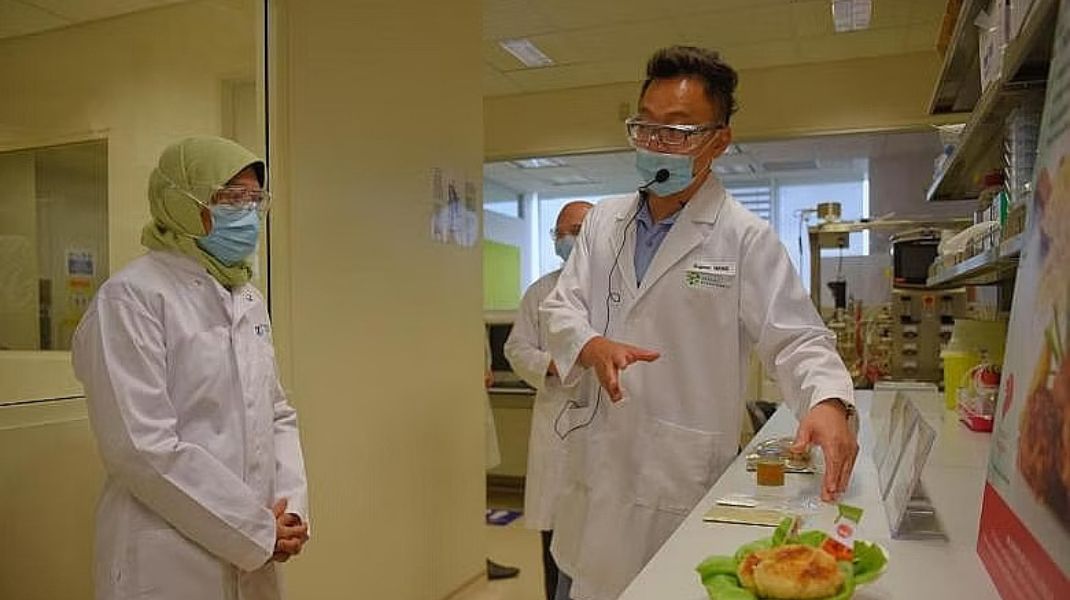
In 2013, Eugene’s research into microalgae to develop seafood alternatives revealed its massive potential.
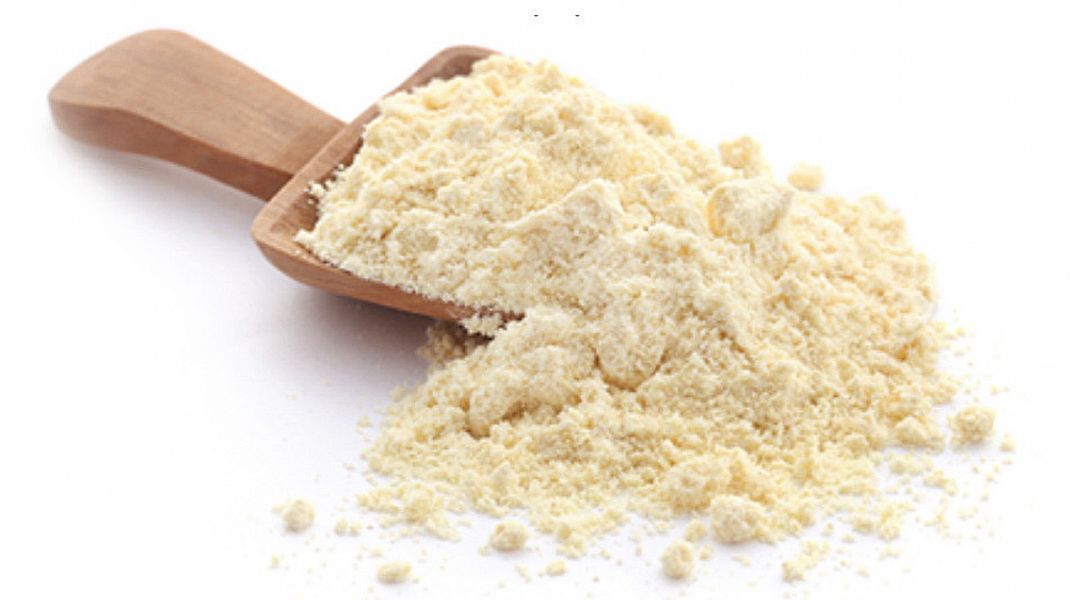
“Microalgae is rich in nutrients such as proteins, essential fatty acids, and vitamins,” he explains. “This makes it ideal for creating a variety of plant-based products beyond seafood substitutes.”
This discovery led Eugene to face one of the most challenging business decisions in 2017: selling everything he had built with Sophie’s Kitchen in California to launch a new venture, Sophie’s BioNutrients, in Singapore.
“I moved to Singapore with my family during the first year of the pandemic, which was quite challenging,” Eugene reflects. “However, the positive aspects of living here, like the hassle-free commute and the wide variety of food options, made the transition worthwhile.”
On the professional front, Eugene received considerable support from the Singapore government and private sector.
“The extensive support gave me the courage to take the leap and truly made setting up a business in Singapore a smooth and relatively easy process.” he says.
Eugene’s venture also received a significant boost in 2019 when he won $1 million SGD from The Liveability Challenge, an annual sustainability competition hosted by the Temasek Foundation. This funding facilitated the establishment of a protein fermentation facility in Singapore.
How protein is derived from microalgae
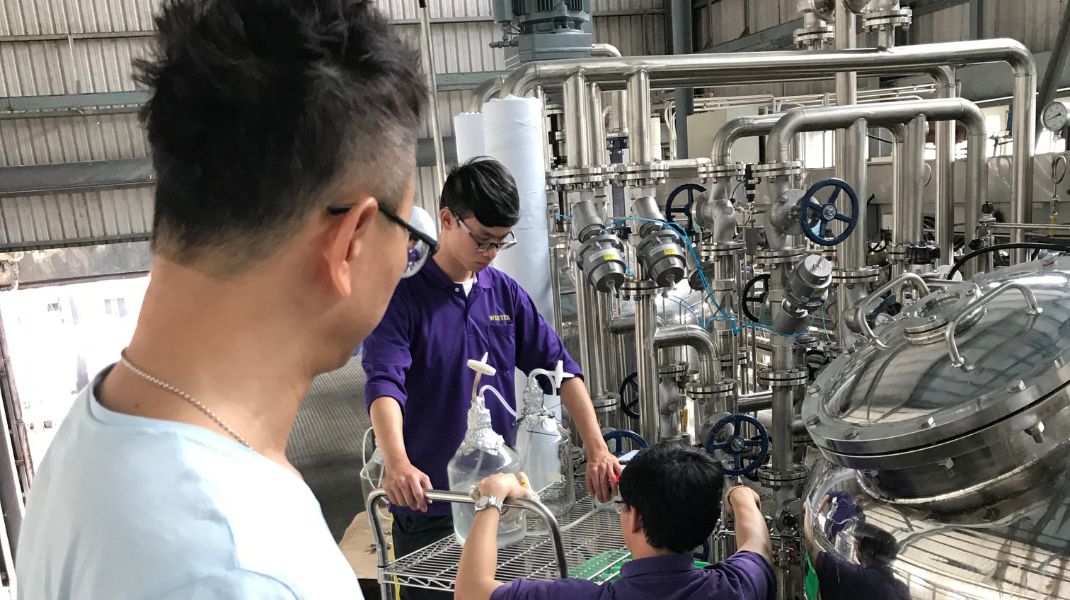
Sophie’s BioNutrients cultivates microalgae, including two strains of chlorella, in bioreactors where they ferment for just three days. They use upcycled food waste like spent grains, tofu waste, or molasses to provide essential carbon and nitrogen.
“These are the key sources of foods for our microalgae during the dark fermentation process, which is where microorganisms grow in an oxygen-deprived environment,” Eugene explains.
This method significantly reduces water and energy consumption compared to traditional agriculture and does not involve fertilisers, herbicides, antibiotics, or growth hormones.
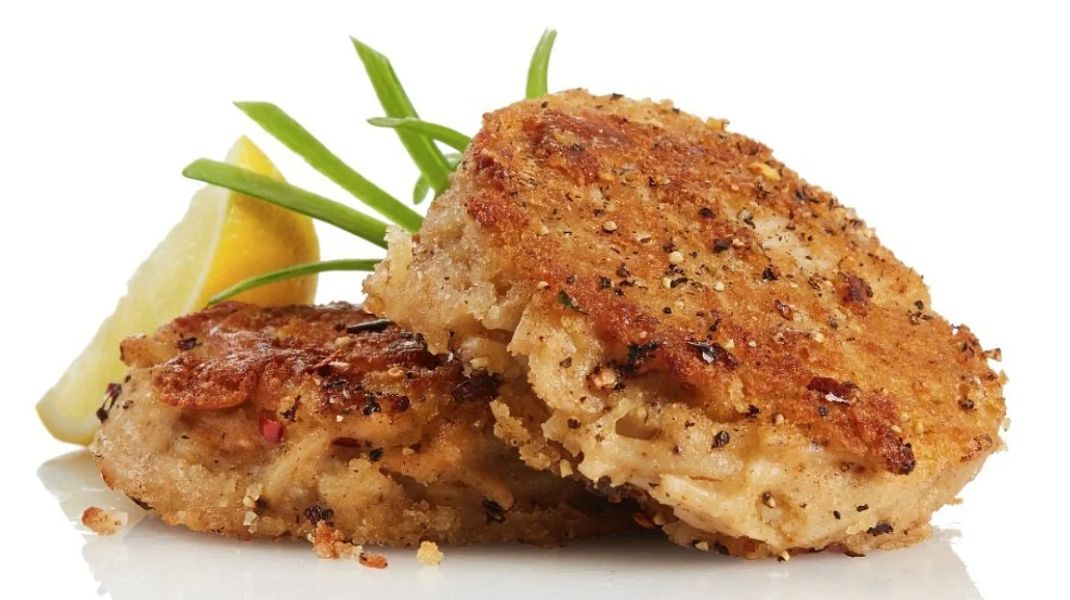
“While other microalgae companies cater to diverse industries such as nutraceuticals, cosmetics, and biofuels, we distinguish ourselves by exclusively using microalgae to produce ingredients for food manufacturers,” Eugene emphasises. The startup’s notable creations include the world’s first allergen-free microalgae-based dairy alternatives – including milk, cheese, and ice cream – as well as microalgae-based burger patties.
Expanding from Singapore to the Netherlands

During the pandemic, a revelation emerged. “We realised that almost all of our potential customers and R&D collaborators were based in Europe,” Eugene explains.
“Lots of European companies wanted to buy from or collaborate with us, likely because Europe hosts the highest concentration of microalgae research institutes and for-profit companies globally,” he elaborates. “They see microalgae as the next sustainable food ingredient.”
Coupled with shipping difficulties during the pandemic, the market potential of Europe spurred Eugene to expand Sophie’s BioNutrients to Food Valley in Wageningen, the Netherlands, a cluster of startups, multinationals and research institutes in the food manufacturing sector. This move, which took place in 2021, was facilitated by Enterprise Singapore.
“We chose Wageningen because it is home to over 250 plant-based protein companies and hosts the best food and ag-tech school in the country,” Eugene explains. “Unilever even established an R&D centre on the Wageningen University and Research campus.”
Nevertheless, Eugene reaffirms the company’s commitment to Singapore.
“Singapore is where we handle the initial research and development, such as creating and testing new concepts,” he explains.
“Once we have proven these concepts, we move to Europe for the scaling process, utilising their advanced infrastructure and resources to bring our products to commercial levels.”
“The company was born in Singapore, and it will always be our home.”
Adapting as a first-time Asian entrepreneur in Europe
As an Asian entrepreneur with no prior experience or relationships in Europe, Eugene faced significant challenges when moving operations there.
“The biggest challenge is fundraising,” he says. “European investors are very different from those in the US, Canada, or Asia. Understanding their cultures and priorities is crucial, but as an Asian entrepreneur new to the European business landscape, it’s been a steep learning curve.”
Given these challenges, Eugene advises aspiring entrepreneurs to secure robust financial support from their home countries before venturing into foreign markets. “Starting with strong backing from home provides the best foundation,” he emphasises.
Comparing food tech scenes across continents, Eugene sees the US as the market leader in food tech but believes Europe is the heart of innovation.
“The US remains the leading and most advanced market among these three continents. However, Europe is rapidly closing the gap and has the potential to emerge as the global leader in the food tech landscape,” he notes.
“That’s why we knew we had to be in the Netherlands; it’s like the Silicon Valley of food.”
The future is tiny, but bright
Looking ahead, Sophie’s BioNutrients has several exciting projects on the horizon.
“We’ll be teaming up with the European Space Agency to study how microgravity affects microalgae growth,” Eugene shares. “This research is crucial as it could potentially lead to cost reductions in our production processes.”
“In addition, we’re nearing the completion of our EFSA (European Food Safety Authority) approval process,” he adds. “That brings us one step closer to our goal of becoming the first company to commercially market microalgae protein as an ingredient in Europe.”
Most importantly, he remains a firm believer in the role microalgae can play in the future of the human diet. “Microalgae hold tremendous potential as a future food source,” Eugene asserts. “Consumers have relied on microalgae supplements for decades, and fossil records show that ancient algae are the ancestors of Earth’s first plants and animals.”
“They contain essential nutrients like amino acids, vitamins, and minerals. This makes them a potential solution to numerous food supply challenges we face today,” he adds. “I’m excited about shaping the future of food, whether it’s in Singapore, the Netherlands, or globally.”

Meet Eugene
Eugene is the CEO and Founder of Sophie’s BioNutrients, a food tech startup that uses fermentation technology to grow microalgae for alternative protein. He previously founded Sophie’s Kitchen, the world’s first company to make plant-based seafood alternatives.
Connect with him here.