By SGN | 5 Dec 2025
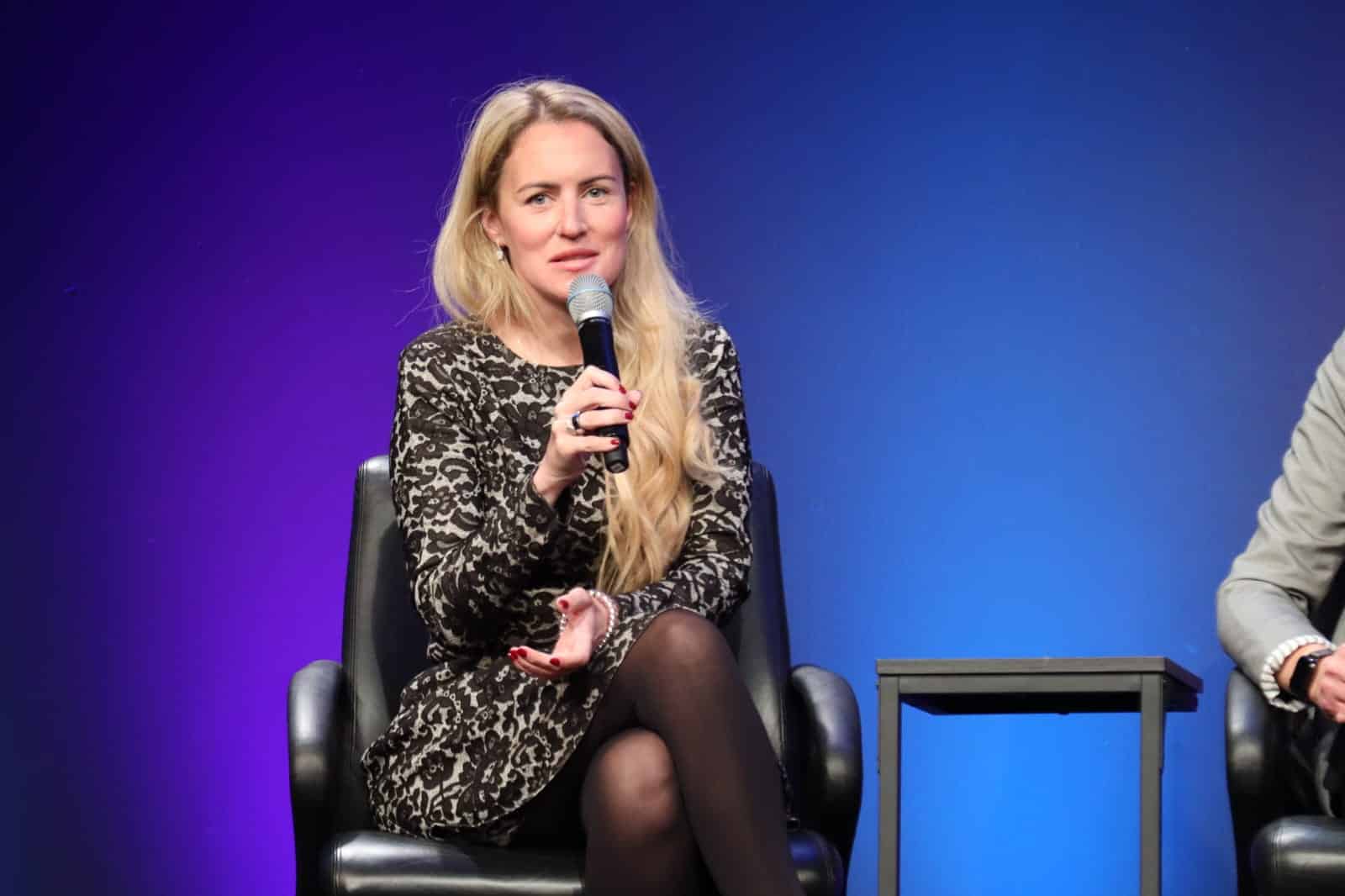
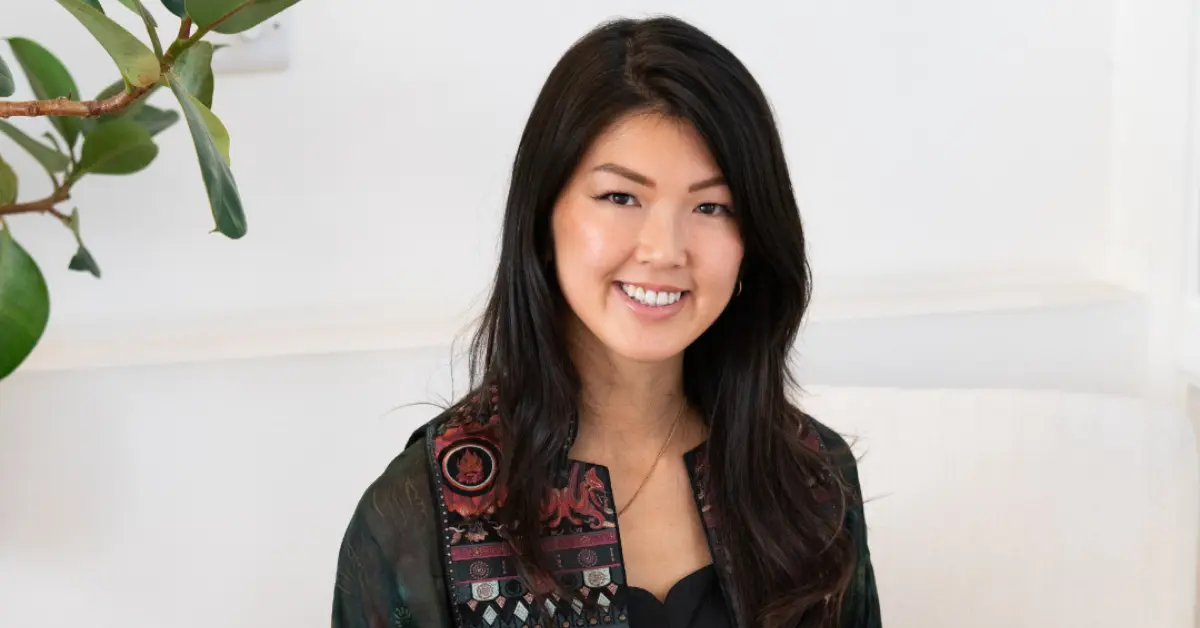
As a child, Alexandra Vidyuk was always enthralled by physics. And while she enjoyed all sciences, physics captured her imagination like nothing else.
“I loved that it wasn’t just about memorising facts but about understanding why things happen, from the tiniest particles to the biggest forces in the universe.”
“I’ve always been drawn to challenges that make me think differently,” she reflects. “Physics taught me to look for patterns, to break problems down to their core, and to never be satisfied with the surface answer.”
Now based in Singapore, Alexandra channels that same analytical mind into deep-tech and space ventures, supporting innovations from nuclear fusion to frontier robotics while helping the next generation of scientific founders turn bold ideas into reality.
From physics to finance: A journey of curiosity and impact
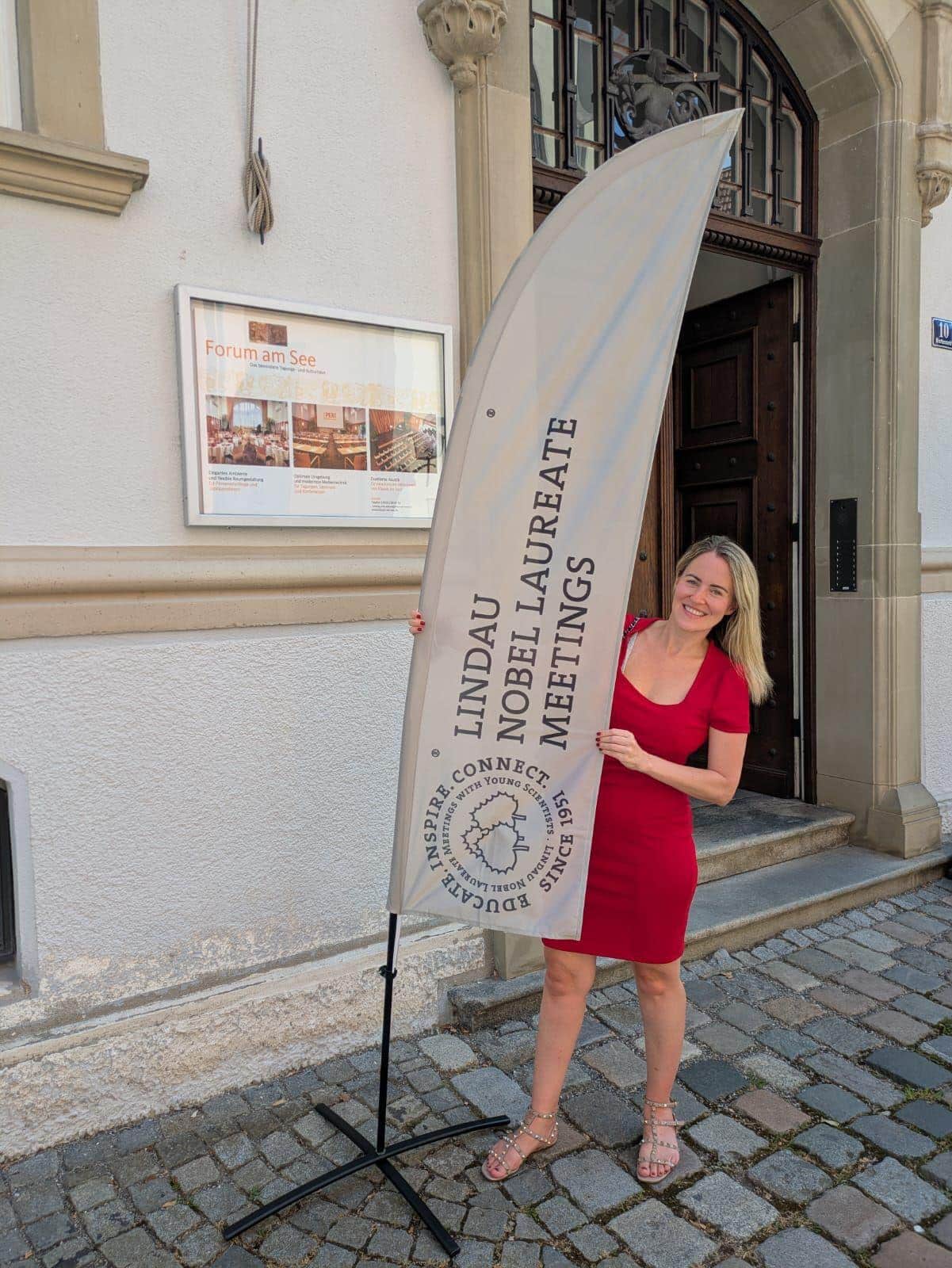
Alexandra trained as a physicist, earning a Bachelor’s degree in Applied Mathematics and Physics from the Moscow Institute of Physics and Technology, followed by a Master’s in System Analysis and Control.
But her career took a less conventional path. Though trained in physics, Alexandra ventured into commercial banking, strategy, ventures, and AI, working across London and Hong Kong before eventually settling in Singapore. She even spent a year at the Royal Military Academy Sandhurst for a leadership programme as part of HSBC’s leadership reserve.
“I stayed in the same cadet accommodation once used by Prince William and Prince Harry,” she recalls. “It was one of the most exciting times of my life.”
Alexandra’s professional journey has been as diverse as her academic background. She began her career in consulting and business intelligence at Hitachi Consulting in London, where she found satisfaction in turning complex data into actionable insights.
“I remember long hours wrestling with messy datasets, but there was something incredibly rewarding about seeing patterns emerge and decisions shift because of the work we did,” she says.
She then spent the next seven years at HSBC in London and Hong Kong, where she led AI and data teams and oversaw large-scale banking operations across Asia Pacific.
Launching the Space Ambition blog
After nearly a decade in banking and fintech, Alexandra was lost.
“I remember waking up one day and asking myself: what am I doing here?” she recalls. “I wanted to work on something that mattered more deeply to me, something that aligned with the curiosity I had as a child.”
That moment of reflection set Alexandra on a new trajectory. A short stint running fintech startup DigiDoe gave her first-hand experience of the founder’s world, with its relentless pace, hard choices, and the thrill of building something from the ground up.
“Around that time, a friend encouraged me to share what I was reading and learning about space and deep tech.”
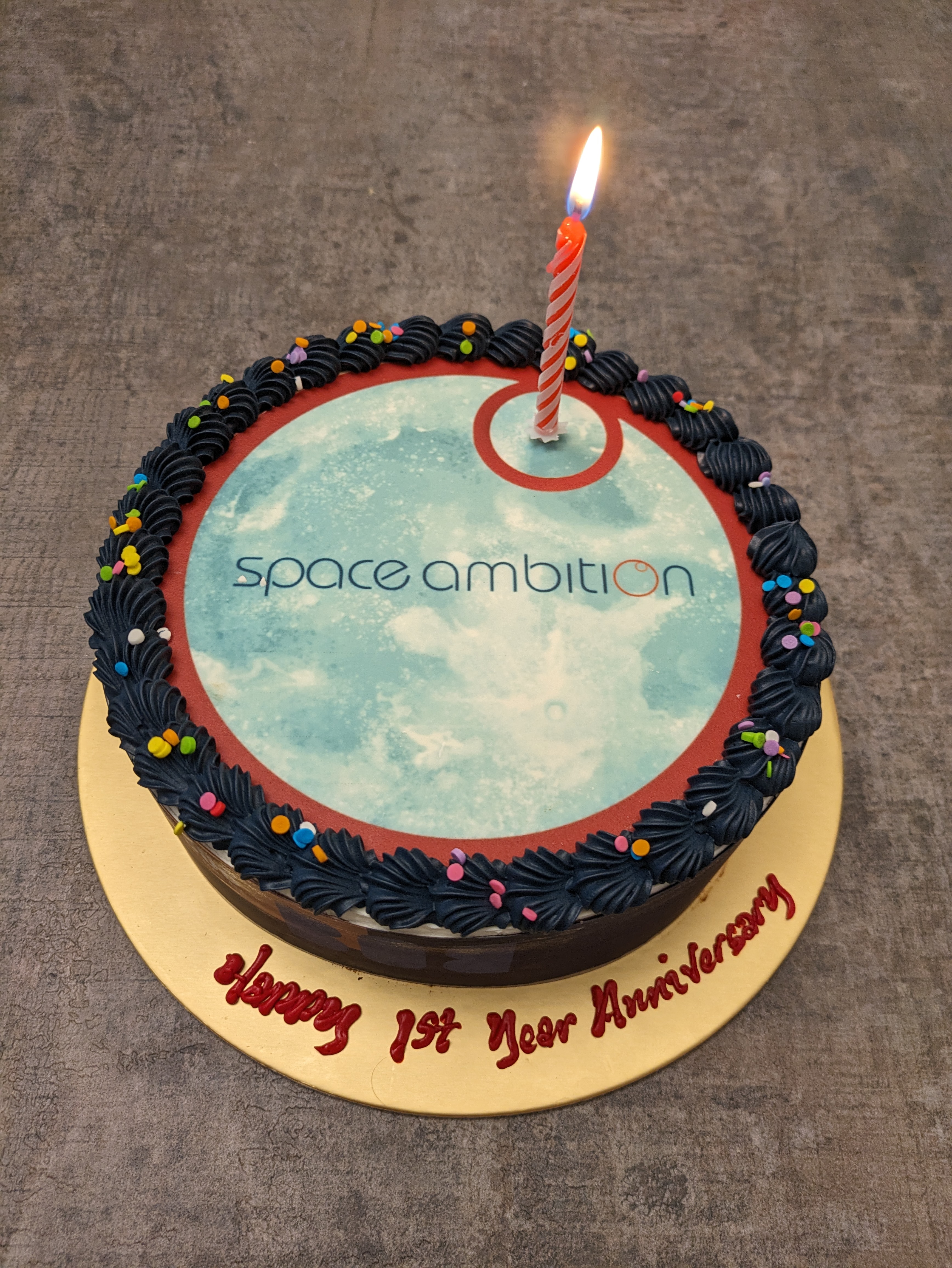
What began as a handful of notes written in plain English soon evolved into Space Ambition, a blog that now reaches more than 74,000 readers in 184 countries. Each week, Alexandra distils the latest breakthroughs in space and deep tech into concise posts for busy professionals, designed to be read in just five to ten minutes.
“I love when people from outside the industry tell me they see space in a new light,” she says. “Some come from banking and finance and say, ‘I had no idea satellite data could be used for commodity trading or insurance claims.’ That kind of feedback sparks the best conversations.”
Through her writing, Alexandra found herself at the heart of a growing community of scientists, entrepreneurs and investors.
Investing in space-tech in Singapore

That growing community of scientists, entrepreneurs, and investors soon became more than conversations; it opened doors for Alexandra to take an active role in shaping the future of space and deep tech, particularly in Asia.
In 2022, she and her family moved from Hong Kong to Singapore — a city she saw as an emerging hub for frontier innovation.
As Founder and General Partner at Beyond Earth Ventures, Alexandra leads investments in early-stage companies developing breakthrough technologies across space, robotics, energy, advanced materials, and future computing.
“Space is one of the great frontiers, like AI. But progress is not just about rockets or satellites. If we are thinking about a Mars colony or a moon base, we will need new energy sources, advanced materials, robotics, and powerful computing. My focus is on the broader ecosystem that will enable these futures,” she explains.
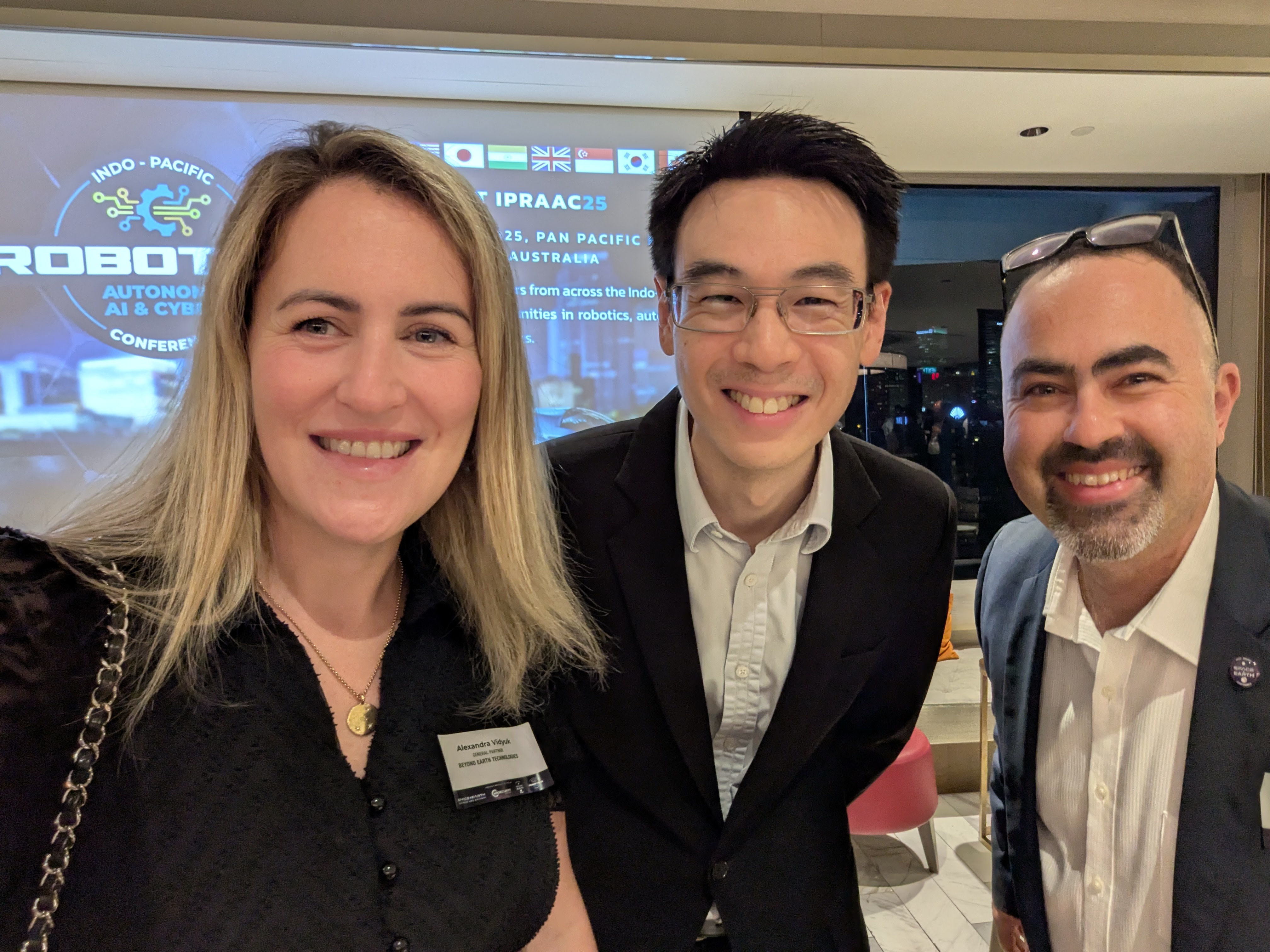
Choosing which companies to back goes far beyond providing capital. Alexandra and her team conduct deep research into entire sectors, including technology trends, business models, regulatory frameworks, and market dynamics.
“Take energy for example. We explore hydrogen, fusion, nuclear, solar, and more, mapping the landscape over months. From that, we identify the one or two companies with the potential for outsized impact,” she says.
Some of the companies Alexandra has helped back include TransCelestial, a Singaporean startup using laser technology to deliver high-speed communications for both telecom and space, now expanding into the United States.
Other portfolio highlights are Zeno Power, which develops nuclear batteries for long-duration missions; Tandem PV, advancing perovskite solar technology for more efficient renewable energy; Xona Space Systems, building next-generation GPS infrastructure; and Lunar Outpost, focused on developing infrastructure for space exploration.
Giving back to the space-tech community
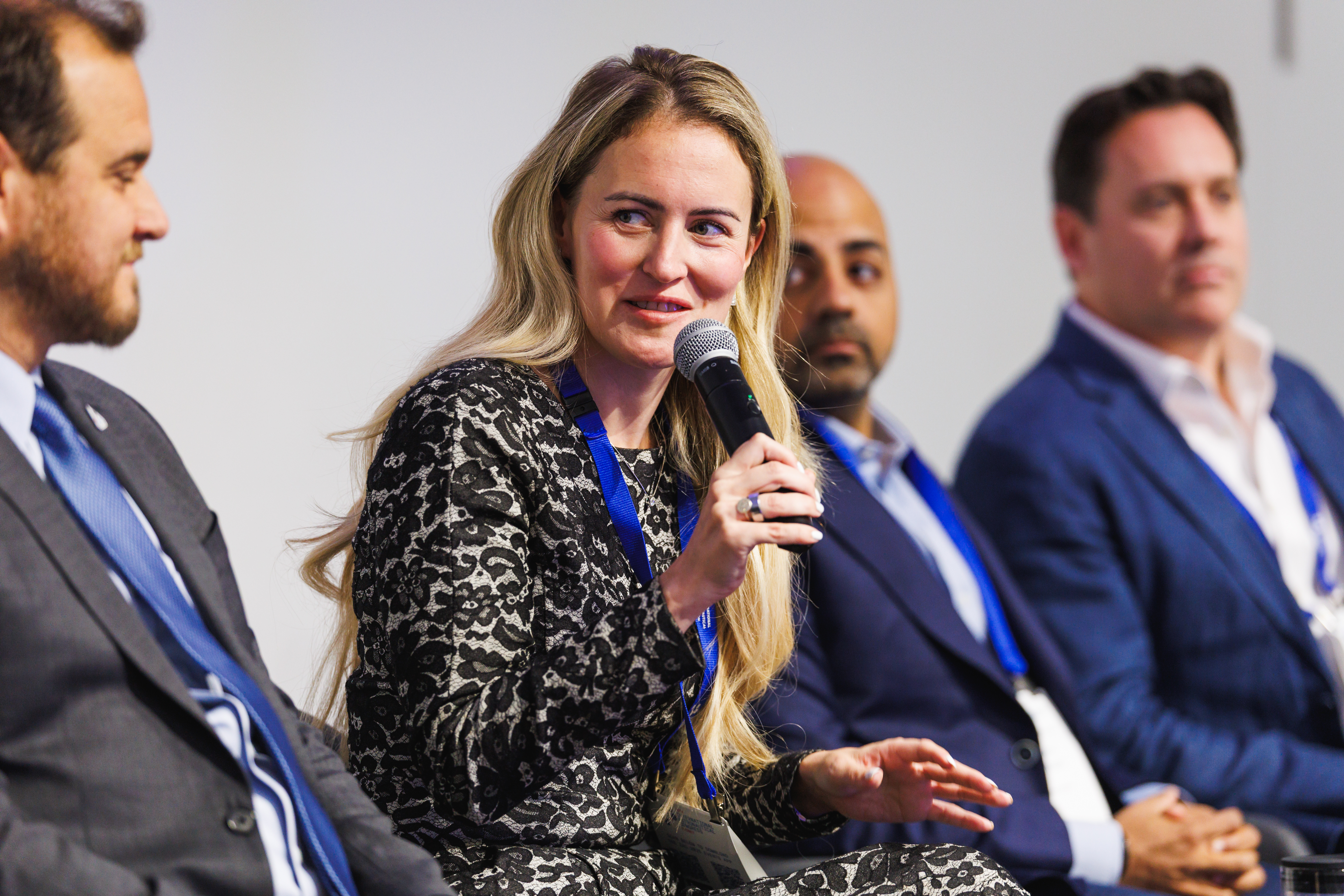
Beyond Earth Ventures is only one part of Alexandra’s work in the space ecosystem.
She also serves on the board of Space Bridge Partners, connecting research missions with private backers at a time when public support is limited.
Alexandra also mentors founders, launched AngelList’s first space-tech syndicate, and runs a global community of over 650 space and deep-tech investors.
“It is incredibly rewarding when someone tells me, ‘I backed a space robotics startup, and my children were so proud they told everyone at school.’ That is the kind of impact this ecosystem creates,” she says.
Closer to home, Alexandra keeps a close eye on Singapore’s deep-tech and space-tech scene. “I track nearly every space-tech and deep-tech startup in Singapore,” she explains.
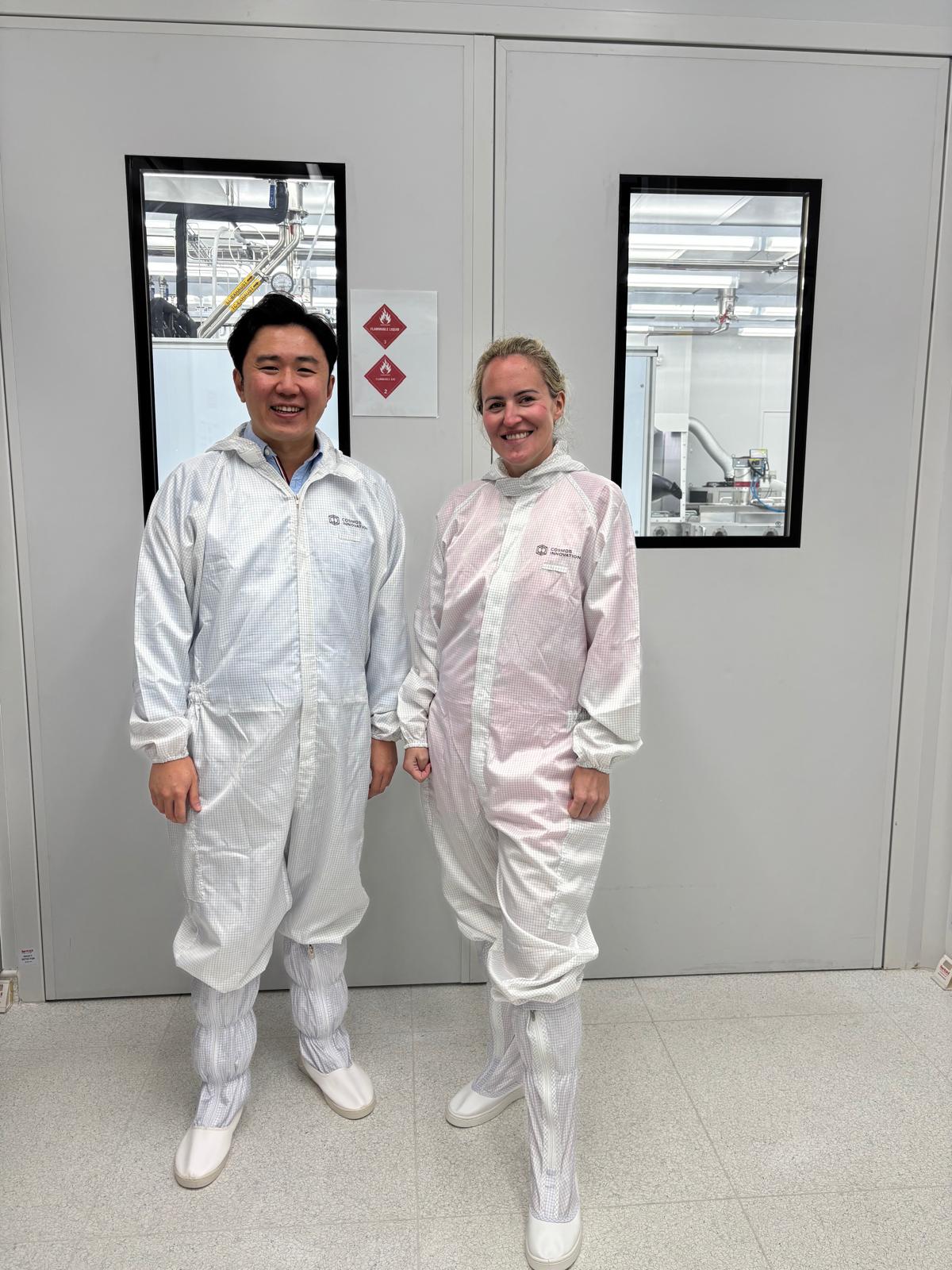
“Recently, I visited Cosmos Innovation’s clean room and was blown away by their work on semiconductors designed by AI. It really aligns with Singapore’s strengths in advanced manufacturing and AI.”
She also engages with OSTIn and other key ecosystem players to support founders in navigating strategy and commercialisation. Through this hands-on involvement, she helps shape the next generation of ambitious ventures in the region, on Earth and beyond.
A day in a life in Singapore

Alexandra didn’t move to Singapore just because she saw its potential in space-tech innovation; she also saw it as the perfect place to raise her daughters.
“It’s safe, clean, and offers good-quality education,” she says. “We felt it was the right environment for our family to grow and explore.”
A typical day for Alexandra blends work with curiosity. She might be reviewing pitch decks, exploring data rooms, speaking directly with startups, attending pitch sessions, or keeping up with the latest industry reports. “It is all about spotting where the next trends and companies will emerge,” she notes.
Even on her days off, her interest in space never stops. Last year, she visited the Mars Red Mirror exhibition at the ArtScience Museum and found herself captivated by how art and science can intersect.
“I love seeing different perspectives on space and technology. It reminds me why I got into this field in the first place,” she says.
Alexandra also makes it a priority to stay connected with the wider community. “It is about being open-minded and building connections wherever you can, whether at work, at school, in your condo, or even at the gym.”
“You just have to show up, attend events, and put in the effort. Singapore makes that easy. It is international, and people are welcoming,” she adds.
What’s coming up in space-tech innovation
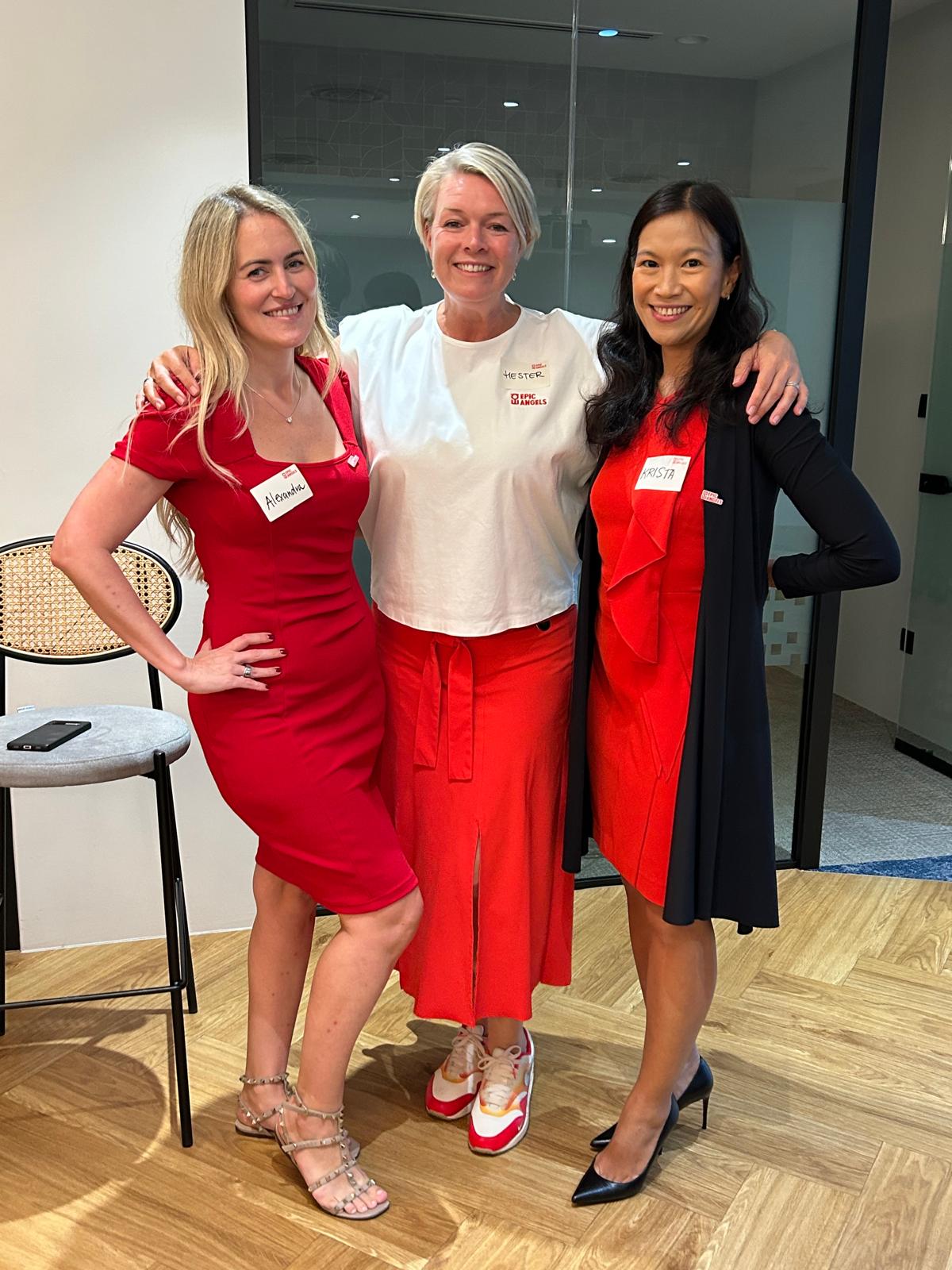
Looking back, Alexandra sees her path from science to finance to founding Beyond Earth Ventures as an unexpected but rewarding journey.
“When I graduated, nobody was talking about joining OpenAI, SpaceX, or DeepMind. Most of my classmates went into consulting or banking. I chose banking, with the glamorous offices and business-class flights, but after a while I realised something was missing,” she recalls.
“I kept asking myself how I could combine my experience in banking and fintech with my scientific background. Deep-tech venture capital felt like the most natural and exciting path.”
Since moving to Singapore, Alexandra has found a city embracing frontier innovation. “The industry here is growing fast. In the three years I have lived here, I have seen tremendous progress. A new conference, Space Summit 2026, launching at the Singapore Airshow in February, will further highlight Singapore’s global role,” she notes.
She is especially passionate about helping scientists and PhDs step beyond academia and become founders. “I understand the excitement of the tech, but what really captures my attention is when founders clearly explain the market need, the pain points, and why people truly need their product,” she says.
Looking ahead, Alexandra is inspired by the wider possibilities of space.
“Space is not just an industry; it is an enabler for advancements across various sectors. This cross-industry impact is what excites me most about the potential of space exploration and technology.”

About Alexandra
Alexandra Vidyuk is a physicist by training who began her career in banking before turning to deep-tech venture capital. She is the Founder and General Partner at Beyond Earth Ventures, a U.S.-based fund backing pioneering companies across space technology, robotics, energy, advanced materials, and future computing.
Connect with her here.