By Holly Smith | Updated 27 Jun 2025
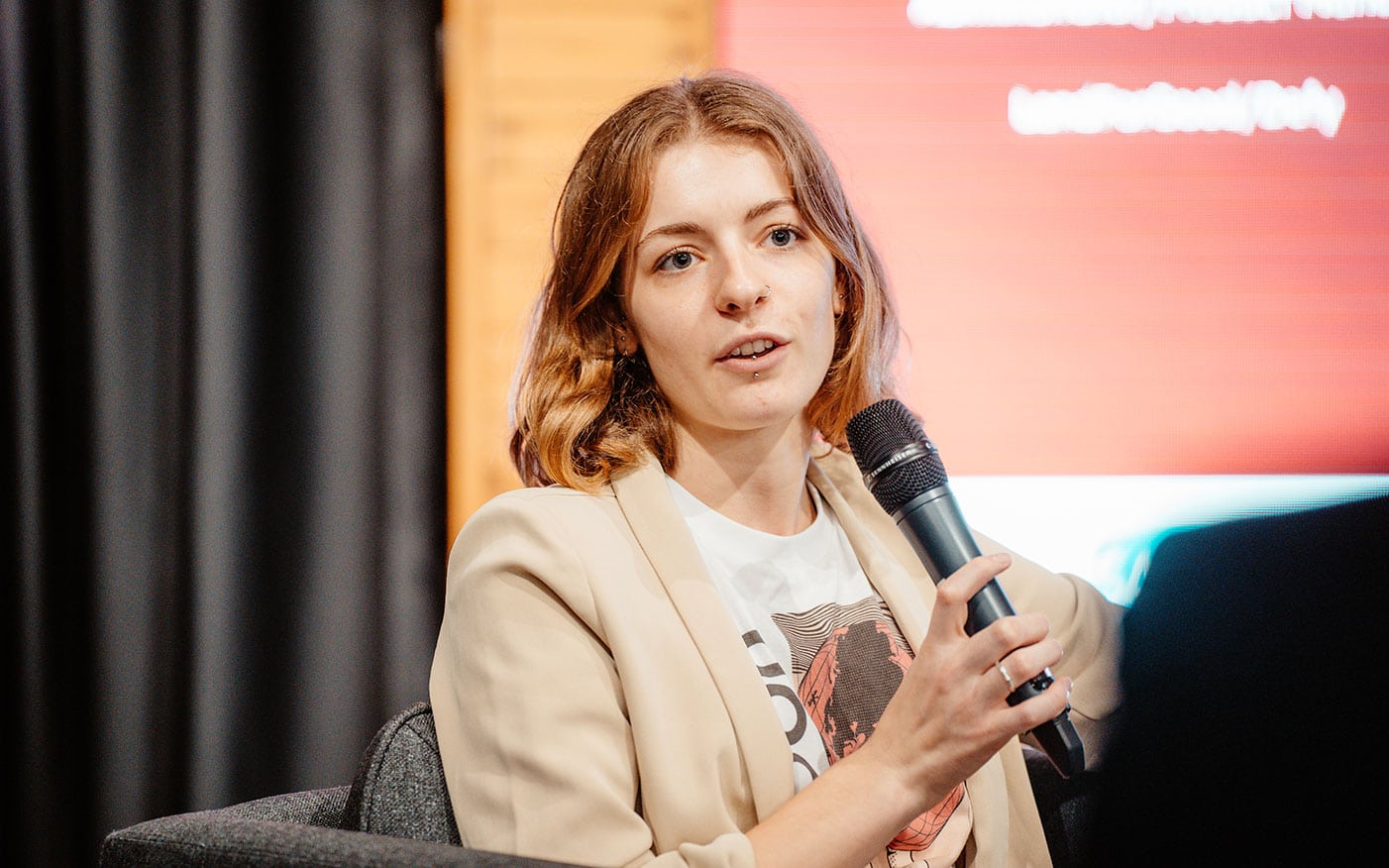
I used to be a financially inexperienced environmentalist who ticked all the “right” boxes — recycled religiously, bought second-hand, marched in the streets, and led sustainability projects on campus.
But everything changed when I came across a campaign by People & Planet, urging Barclays to stop funding fossil fuels. To my dismay, I discovered that Barclays — the very bank I’d had an account with since I was 10 — was the largest funder of fossil fuels in Europe at the time.
I had to confront an uncomfortable truth: despite my efforts to live sustainably, my own money was helping fund the very thing I was trying to fight against. So, I closed my account, sent them an email explaining why, and thought, “Okay, step one is done. I’ve stopped the harm.”
But that wasn’t enough; I quickly realised that finding the “good guys” in finance wasn’t easy. Greenwashing was everywhere and ethical banking options charged for the privilege Most sustainable retail finance options were either too complicated or required minimum investments that the average 20-year-old student like me couldn’t afford.
That left me wondering: What comes next?
My first venture into impact investing

One day during a classic LinkedIn doomscroll, I came across FLIT Invest — a startup developing an impact investing app designed for everyday people.
The minimum investment? Just 10 dollars. The user interface? Simple and easy to understand.
The app was accessible, focused on real-world impact, and not just for finance bros. They were also looking for sustainability interns. I applied, stating, “I need what you’re building — let me help.”
Before I knew it, I was hired as a Sustainability Intern and, soon enough, I transitioned to a full-time role as an Impact Investing Analyst.
Over the next year and a half, I threw myself into my work. I helped develop the product, wrote investment papers, published articles on financial literacy and impact investing, and led the team conducting ESG and impact analysis for FLIT’s portfolio. I also worked closely with NGOs, led shareholder advocacy efforts, and mentored interns.
That job was everything I could’ve asked for — an incredible team, meaningful work, a mission I truly believed in, and fair pay.
But, like many visionary startups, we were slightly ahead of our time. The market wasn’t ready, and the geopolitical climate in the West made it incredibly difficult for B2C sustainable investing apps to survive. Eventually, the company shut down, and so did many of our friends and competitors.
Aside from the obvious feelings about company closure, there was a disappointment that many parts of our roadmap didn’t happen. Many of us shared the same hope for our mission to reach beyond Europe and the US.
We’d seen how impact investing in wealthier countries often meant investing in their own resilience and progress — while the Global South was left out of the picture, or with restrictive funding
That never sat right with me. I felt a responsibility to connect across borders and drive impact capital into new spaces — to help shape a version of sustainable finance that didn’t just serve the privileged but was truly accessible to all.
Learning everything from the ground up, across continents
And so, I made a decision: if I wanted to do this authentically and compassionately, I couldn’t keep building this mission where I was; I would bring myself to where the mission needed to grow.
At the age of 23, with no mortgage, no dependants, and a strong desire to walk the talk, I packed up my savings and a backpack and took a year off to travel.
But this wasn’t a sabbatical or a soul-searching getaway. I had three clear goals: to reconnect with friends and communities in their home environments, to broaden my perspective and challenge the way I thought about development, and to learn what sustainability looks like in practice — not from a classroom or boardroom, but on the ground.
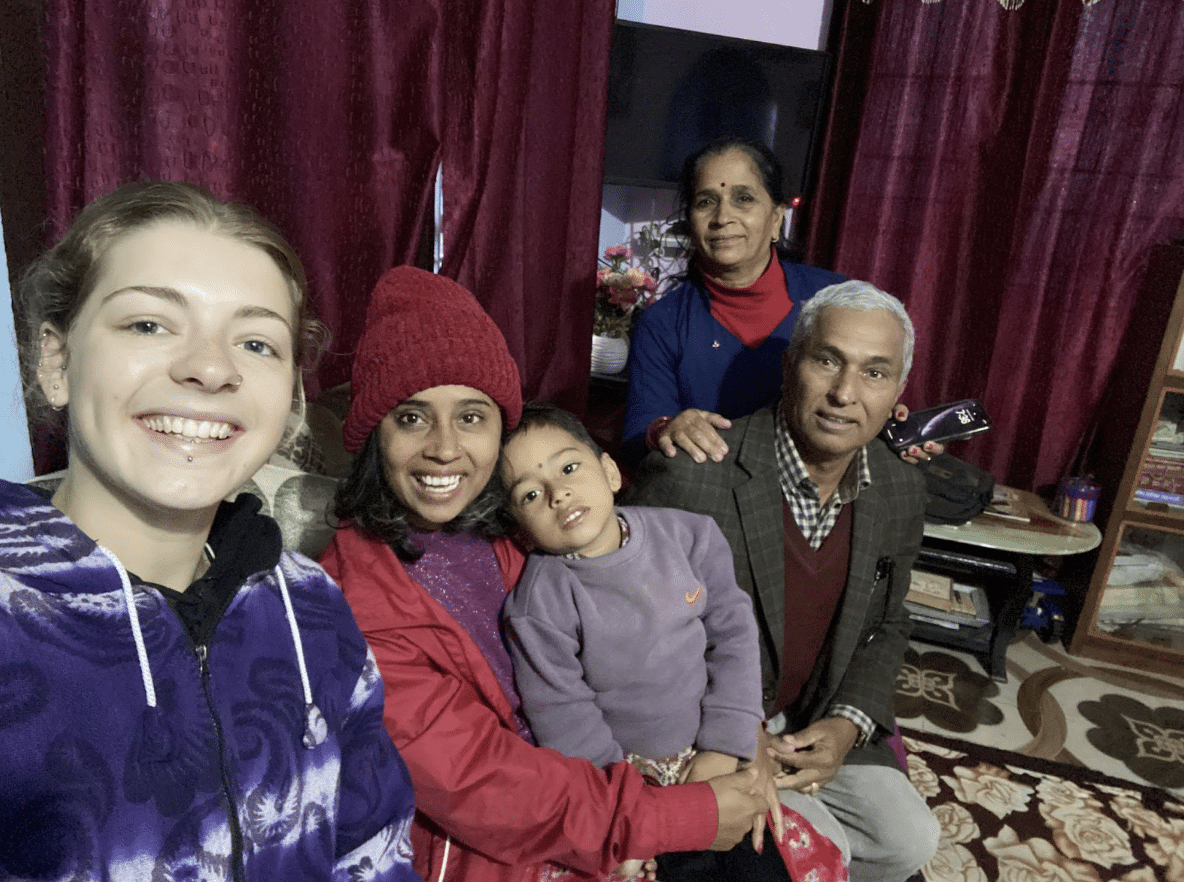
I approached that year as an immersive form of education. I stayed in villages where I was the only foreigner, met my best friend’s mother in Bangalore, interviewed Ministers and micro-entrepreneurs, and did pro bono work.
I rode buses into places far off the beaten path and spent hours listening to and learning from everyday people. I observed, unlearned, and asked myself tough questions along the way.
Of course, it wasn’t easy. There were so many times I felt exhausted and overwhelmed. But it was everything I needed. That year changed how I see the world, and fundamentally, how I see my role in it.
Now, when I enter a room to discuss investment mandates or funding strategies for impact, I don’t just rely on theory; I draw from real-life experiences and the relationships I’ve built over time.
For instance, if someone wants to invest in preventing gender-based violence in South Asia, I can connect them with the Director of one of Sri Lanka’s largest NGOs working on this issue, as well as a hundred everyday women of all age ranges who experience this. Real people. Real insights. That’s a value you can’t get from a textbook or conference.
Although I’m no longer on a career break, my learning hasn’t stopped. I continue to stay connected to local communities through my work, Scouting, and women’s travel networks.
At its core, sustainable finance — and any impact-driven work, really — isn’t about speaking over others. It’s about listening, understanding, and amplifying the voices of those who have long been overlooked, understanding how and where I hold power, and using it with humility to better the world.
How I found my path to sustainable finance in Singapore
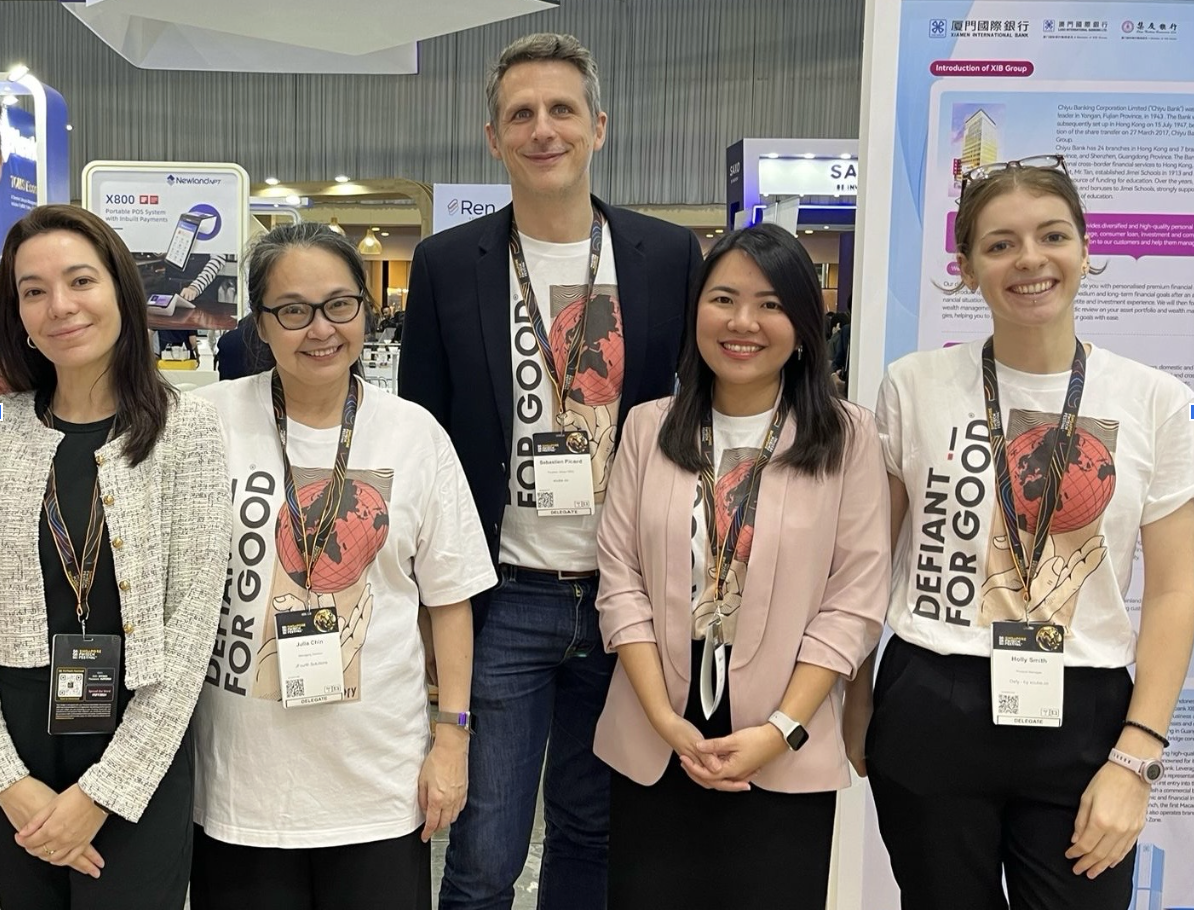
After a year backpacking in Asia, it was time to get back in the workforce, firstly, to apply my knowledge, but also because my savings had dried up.
As I considered my next steps, I knew that I wanted to continue my work in sustainable finance. In the region, Singapore stood out. I applied for the Work Holiday Pass (WHP), which is a 6-month pass granting me the right to work and stay in the country while exploring opportunities in the industry.
As a young UK citizen with a Bachelor’s degree, the WHP — which doesn’t require a minimum salary, nor a job offer, before applying — was a great fit for someone like me who was starting out in a new place.
When I arrived, I quickly realised I was starting with a blank slate. I knew no one, except for a fellow traveller I crossed paths with in India, who worked in a completely different industry. With no local network, I knew I had to be proactive. So, mission get-to-know-everyone-in-Singapore began.
I reached out to old colleagues for connections, scoured LinkedIn for potential contacts, and asked for virtual coffees with anyone willing to chat. I joined local WhatsApp groups like Sustainability Women and Lean In SG and threw myself into the professional scene, positioning myself as a “young aspiring professional.” I spent my days networking, applying for jobs, and attending events.
While the Work Holiday Pass allowed me the time and flexibility to explore job opportunities without the immediate pressure of a permanent visa, there were challenges; the WHP isn’t widely known, and I often had to explain it to employers during interviews.
Some companies were unfamiliar with the pass and unsure of how to navigate the immigration process, which led to missed opportunities.
Despite these hurdles, the community in Singapore was incredibly supportive. People were ready to connect and offered me guidance, which helped me build the relationships I needed. I found particularly that positioning myself as an “aspiring impact investor” and leveraging my “early-career” status really helped open connections to incredible people and learning opportunities.
One of those early coffees was with Eelee Lua, a fintech and regtech leader in Singapore. She afforded me a two-hour coffee and Singapore market lesson while also doing her own assessment of my character and skill set.
This coffee led to a call three months later with great news. She had an opportunity in her company. It wasn’t the “expat package” we all imagine with Singapore roles, but it was exactly what I was looking for: a foot in the door into Asia’s sustainable finance scene.
The role was initially with Defy, a xcube.co company focused on inclusive finance and with some impact finance products. It was my first dive into the Web3 and AI world which was a little daunting but, given the impact mission, it felt like the right fit.
I joined as a Product Manager for the startup ecosystem and soon transitioned into the role of Impact Investing Lead for xcube.co group. It was the perfect opportunity, and it allowed me to build my career and establish a presence in Singapore and across Asia.
Overcoming the initial ups and downs

The first few months in Singapore were a real test. Mentally, I was still recovering from a year of constant travel, and the weight of decision fatigue was hard to shake.
On top of that, finding somewhere to live proved inevitably challenging. Since I had gone home for a brief break when I got the call from Eelee, I didn’t have a clear grasp of Singapore’s rental market, nor could I attend any viewings.
Thankfully, Facebook groups like “Rooms For Rental SG,” my university alumni network, and the Scout community were super useful.
One of the biggest sources of support throughout this journey has been Scouting. I have been a Scout since I was eight, and it has given me a family and safety network wherever I go.
During my travels, I volunteered at the SDG Village at the 10th National Sri Lankan Jamboree. It was a chance encounter that turned into something incredible. I met Scouts from Sri Lanka, Spain, Austria, Australia, India, Maldives, Taiwan, and of course, Singapore.
Through Scouting, I made a key connection that helped me find accommodation in Singapore. The Singaporean contacts I made in Sri Lanka welcomed me into their open unit, Sambar Scouts (an open unit is a Scout group independent of a school). A woman that I met in a dusty campsite in Sri Lanka 6 months later became my condo Auntie and Scout Leader. And that’s the power of the global family of Scouting.
Because I had visited the condo before for a Scouts meeting, I already knew it was family-friendly, had great amenities, and was conveniently located near the MRT. To avoid scams, I asked multiple agents for photos and videos of the room, comparing their views to make sure everything was legitimate.
It wasn’t the cheapest, but it was familiar, and I had the comfort of a nearby “Auntie” who would always offer me a cup of tea whenever I needed a little break. Over the six months, we became great neighbours: she lent me coat hangers, and I pet-sat her cat. Someone in my block played the same piano pieces as my brothers. It was great.
The tropical climate was another adjustment. Despite having spent plenty of time in Asia, I wasn’t quite prepared for the heat and humidity of Singapore. It’s one thing to survive the heat in countries without air conditioning, but humidity is something else.
I was often left feeling like I had stepped out of a sauna, and let’s just say, my hair often looked more like a poodle’s than anything else. And my pores appeared and never left my face. I’ve googled every “Ang Moh” skincare tip in Singapore, but to no real success. Meanwhile, inside buildings I am shivering from the AC. Quite the ride for thermoregulation.
It’s something I’m still learning to manage, but I’ve come to see it as part of the charm of living in such a vibrant city.
Then came the imposter syndrome. I’d found myself surrounded by successful expats with cushy packages or Singaporeans who had “made it.”
Meanwhile, I was still living out of a backpack, working two jobs to make ends meet (thanks to a timely part-time remote role with LendForGood, an impact crowd-lending platform), and cooking my meals on a budget. Sometimes it felt like a funny secret that I was a scummy backpacker in a corporate world. But other times, it felt like I didn’t belong and like my contributions didn’t measure up.
But as time went on and I reconnected with friends from home, I remembered that my not fitting in and my unique journey are my value, not my downfall.
Adapting to life in the Lion City
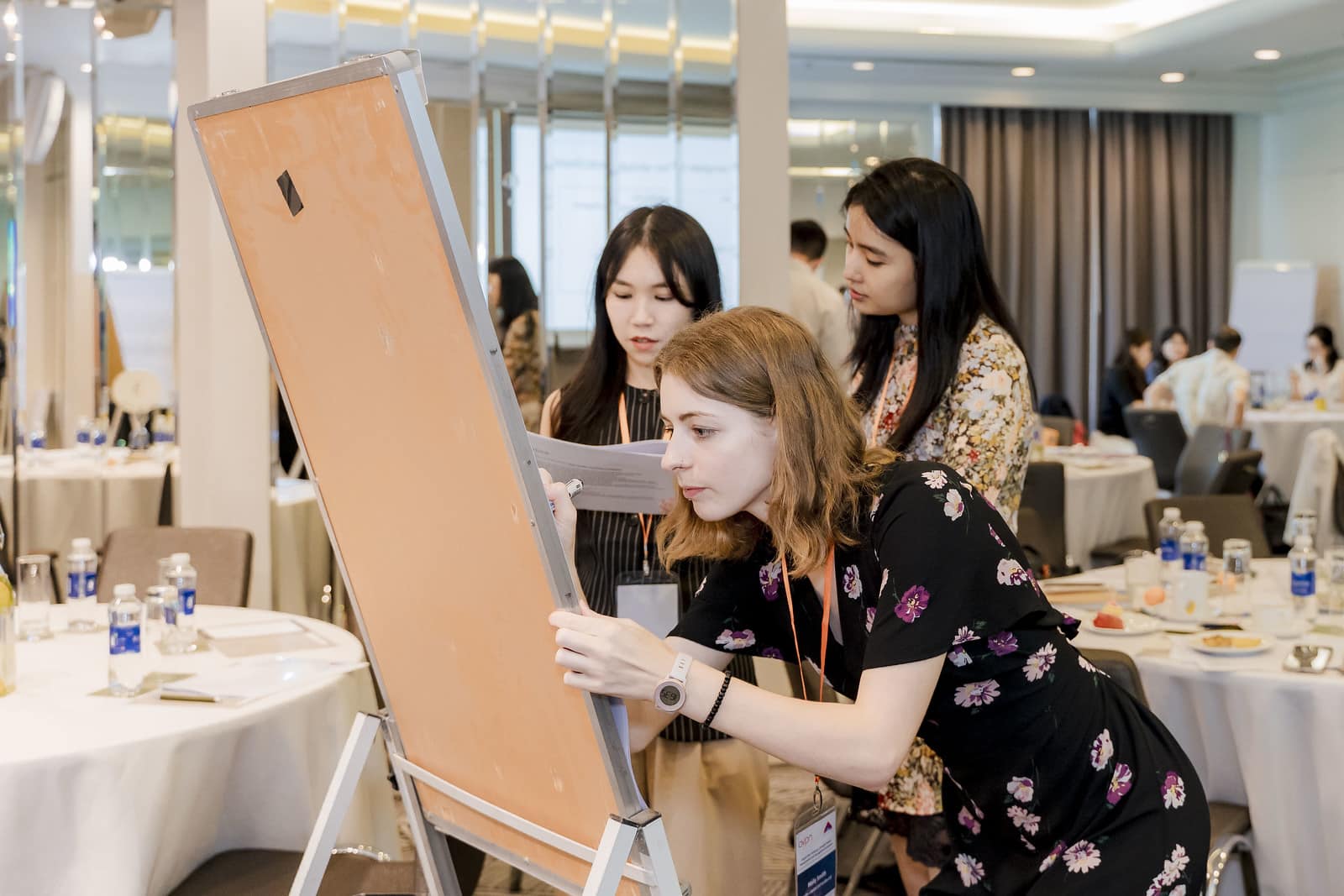
Eventually, I found my rhythm in Singapore. I found joy in eating at hawker centres, discovering hidden cheap markets, and making the most of apps like Shopback, Eatigo, Healthy 365, and Yuu to save money wherever I could. If there was a discount to be had, I had the membership for it.
I began to fall in love with the little things; a peaceful run around Bishan Park, a heart-to-heart phone call while walking through the CBD, or catching the latest lights display at Marina Bay. In those quiet, simple moments, Singapore started to feel like home.

And yes, I’ll admit it — I became slightly obsessed with Ya Kun. It might be touristy, but there’s something undeniably comforting about it. Now, whenever someone visits or passes through Singapore, I take them to try kaya toast and eggs. It has become a little ritual I’m proud of.
Looking back, my chapter in Singapore has undoubtedly been one of the best decisions I’ve ever made. The early days weren’t easy, but I found my rhythm and made Singapore my own. It truly laid the foundation for my Southeast Asia career in impact investing, and the potential for impact from here is incredibly exciting.
Rooted in values, building across borders
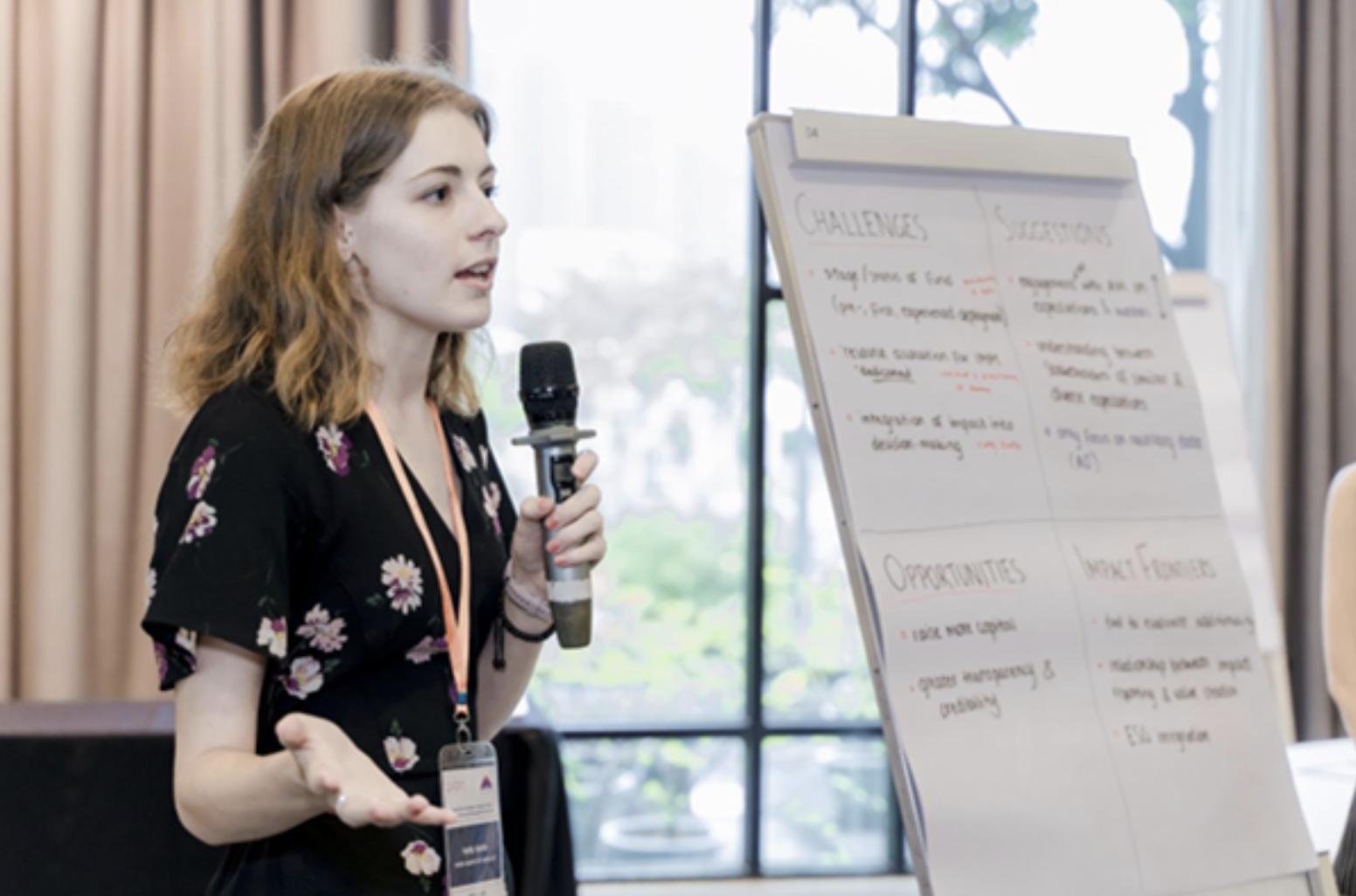
These days, I’m nomadic in Southeast Asia, figuring out where to base myself next. Thailand and Malaysia are great contenders, thanks to their accessible visas. At the same time, I stay closely connected to Singapore’s impact investing ecosystem. In fact, I still run my monthly impact investing coffee mornings, thanks to some amazing new volunteers.
Life in Southeast Asia is full of small joys — strong coffee, one-dollar smoothies, and affordable living — but my heart is still in Singapore. I don’t feel like my chapter there is complete. There’s unfinished business, and I know I’ll be back.
For me, impact investing isn’t just a job. It’s a way of life. Whether it’s how I spend my time, energy, or money, every decision is an investment in what truly matters to me.
That’s why I choose to work with organisations that align with my values. It’s also why I’ve stepped away from things like social media and the typical British relationship with alcohol — they simply don’t fit into the life I want to build. For me, impact investing isn’t just a job. It’s a way of life.
I believe business can be a force for good, and that’s the kind of change I want to be part of.
If you’re thinking of working in Singapore or Southeast Asia, don’t wait for the “perfect” opportunity. Create your own path. Start connecting with people, ask questions, and immerse yourself in the local culture. If you’re someone who does things a bit differently — like considering a career abroad — then the right role probably won’t show up on LinkedIn Easy Apply.
When I first arrived in the region, I didn’t wait around. I reached out, built connections, and took the time to understand the local context. Even small things like tailoring your CV to local norms can make a big difference. People notice more than you think, and those little efforts can open unexpected doors.
In the end, it’s all about living with intention. Whether you’re investing in a business or building your career, the choices you make shape your impact. If more of us lead with our values, we can build the future we want to see.
I’m excited to keep building in this space, no matter where I’m based. But I know I’ll return to Singapore when the time’s right; I see it as the landing platform for anything else I hope to do in Southeast Asia.
Interested in working in Singapore?
Check out our article on everything you need to know about work passes in Singapore or download our free Working in Singapore guide.
About Holly
Holly Smith is an impact investing professional focused on creating a more sustainable and equitable world. She has a strong background in financial activism and has contributed to the field through volunteering, speaking engagements, and publishing whitepapers on impact investing and inclusive finance topics.
Connect with Holly here.