By SGN | 13 Jan 2025
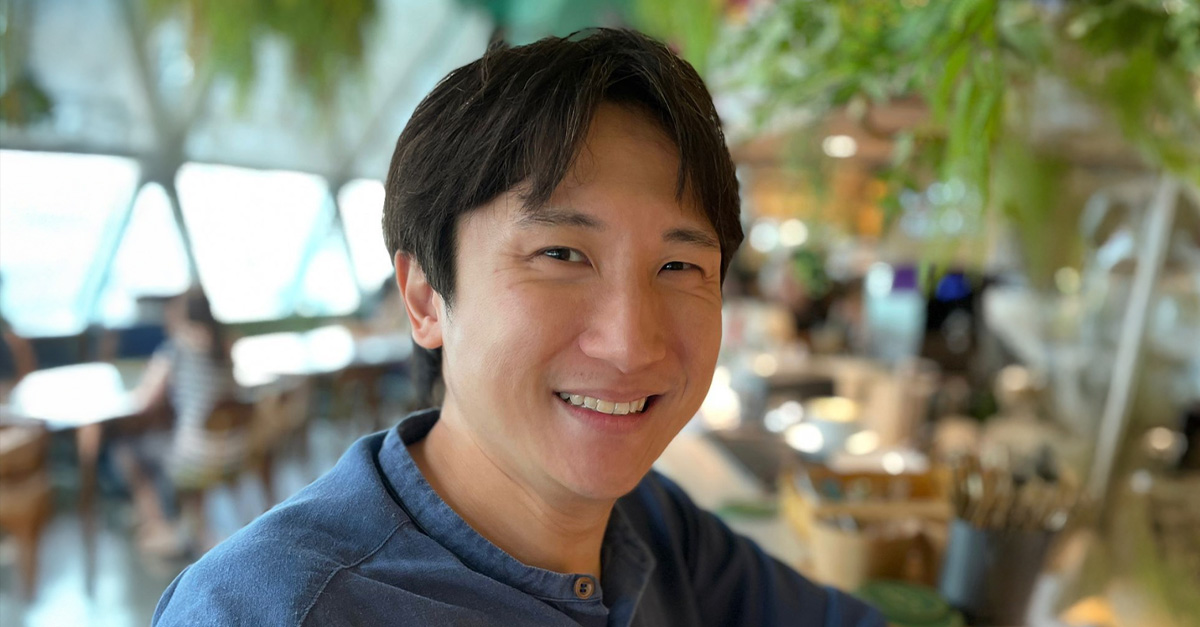
“Words have the power to heal or hurt, no matter the intention.”
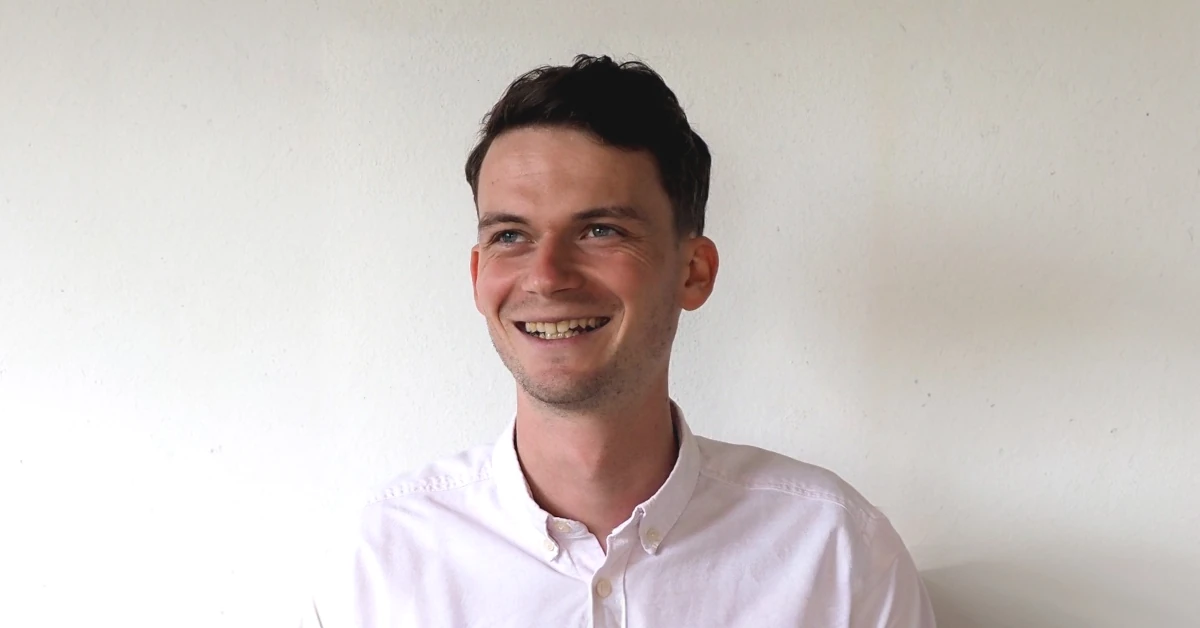
Reflecting on his upbringing, Mian Li shares how a series of family tragedies revealed the complexities of close-knit relationships.
“These experiences taught me that impact trumps intention,” he explains. “You could have the best intentions in the world, and I believe that family always does. But words don’t always land the right way and can adversely impact people who are already struggling.”
These formative experiences would mould his personal and professional outlook on mental health. “They shaped my understanding of how communication affects mental health and resilience,” he says.
Life as a neurodivergent clinician

Mian Li’s early roles in the mental health sector were in local tertiary medical and psychiatric facilities like National University Hospital System (NUHS), Institute of Mental Health (IMH), Singapore General Hospital (SGH), and Centre for Research and Pedagogy & Practice (CRPP).
With every new position, he gained a deeper understanding of Singapore’s mental health ecosystem, also referred to as “allied health”.
In his part-time volunteer role at IMH, he saw first-hand how exacting it could be to balance vulnerability (an attribute he believes all mental health providers should have) and professionalism.
“Thankfully, in my experience, I saw more providers lean towards vulnerability. And it is from observing them that I learned to be more mindful,” he shares.
Mian Li stresses the importance of remaining humble and empathetic when connecting with patients. “There is not a lot that differentiates us. I may have a PhD, but if my circumstances were any different, I could easily be in their shoes.”
Being neurodivergent added another layer to his experience as a mental health care provider. Before his ADHD diagnosis, he found it challenging to navigate the intensity of his relationships.
“I once received feedback that even though I performed well at my job, I tended to get too close to people, too quickly,” he shares. Looking back, he understands the comment was well-intentioned but could have been phrased better.
“I realised that building rapport first, is important. I’ve learnt to take a more gradual approach when creating new relationships, and ensuring that others feel at ease,” he shares.
Reflecting on this journey, he adds, “Living with ADHD is a lifelong process of learning and growth. While challenges remain, I’ve come to see it as a source of creativity and resilience.”
It wasn’t until much later in life that he came to view ADHD as his “superpower”. “I always had this incredible ability to hyperfocus (an intense fixation on an interest or activity for an extended period of time.), but when I was younger, I did not have a name for it. Now, when it comes to my clinical and academic work, I consider having ADHD to be a gift,” he says.
An American clinical education

Mian Li’s National Service deployment would take him to the United States, where he built a flourishing career in clinical psychology. Dazzled by the abundance of intellectual talent, he longed to stay on, learn as much as he could, and eventually return to Singapore to dispense the knowledge he had gathered.
“The U.S. offered a unique opportunity to learn from leading experts in clinical psychology,” he says.
His career in the U.S. began as a research assistant at the University at Buffalo. During this time, he joined the Singapore Student Association, where he found a sense of community and belonging.
Later, as a Singapore Global Network member, he connected with fellow Singaporeans in major U.S. cities, strengthening ties to his homeland while immersing himself in diverse cultural and academic environments.
“Building connections in a new place requires openness and adaptability,” he reflects. “It’s about finding a balance between assimilating into a new culture, while not losing your identity. It’s not easy at all.”
His work took him to places like New York, North Carolina, Texas, Minnesota, and the tri-state Greater Philadelphia area, where he had the opportunity to interact with the local population more than the average academic in the U.S. “I saw first-hand how diverse different areas of America are,” he recalls.
And while he enjoyed the friendships and relationships he fostered, he still experienced a sense of isolation, especially within social circles with the majority of Americans. “At my core, I am still Singaporean, so my sense of “otherness” never really went away,” he says.
Throughout his career in the U.S., Mian Li lived in North Carolina’s Research Triangle Park area, home to the highest PhD-per-capita rates. He would end up doing his PhD at the University of North Carolina at Chapel Hill.
Living and working across two vastly different healthcare systems gave him unique insights into the cultural nuances of mental healthcare. “In Singapore, there is a strong emphasis on achievement, while in the U.S. there exists an openness to discussing mental health challenges,” he shares. “Both perspectives have profoundly shaped my approach to helping clients and families navigate their journeys.”
Attending one of the top PhD programmes in the world

Being accepted into a PhD programme is no mean feat. For clinical psychology programmes, the acceptance rate is minuscule. This number declines even further depending on how prestigious and highly-ranked the course is.
“A PhD in clinical psychology is, unfortunately, more competitive than medical school, and having undiagnosed ADHD and juggling the academic demands was both a challenging and formative experience,” Mian Li recalls.
“What took my contemporaries a day would take me at least two. The increasingly unstructured life of a PhD student, which consisted of teaching, research, and clinical practice, made it incredibly difficult to stay on-task.”
Given that this system did not incentivise instant gratification (which people with ADHD are more sensitive to), his struggles were significantly amplified. Luckily, his peers and collaborators made the effort to create firm deadlines for him to adhere to, which he described as lifesaving.
During his PhD, he built up an invaluable network of the world’s top psychologists, academics, and researchers. Many from his network would mentor him at different points of his career, including UNC-Chapel Hill psychologists and global mental health experts Eric and Jen Youngstrom, both of whom he affectionately refers to as his family away from home.
Under their guidance, he developed unique expertise in child and adolescent psychology. He also spent time with at-risk populations like low-income urban families, patients with complex health concerns, and acutely ill youth with psychiatric challenges, providing third-wave cognitive behavioural strategies, and suicide risk assessments.
His work with these diverse groups gave him incredible insight into their unique challenges. “For low-income urban families in the U.S., accessibility is a pressing issue,” he shares.
Democratising works of research for the public
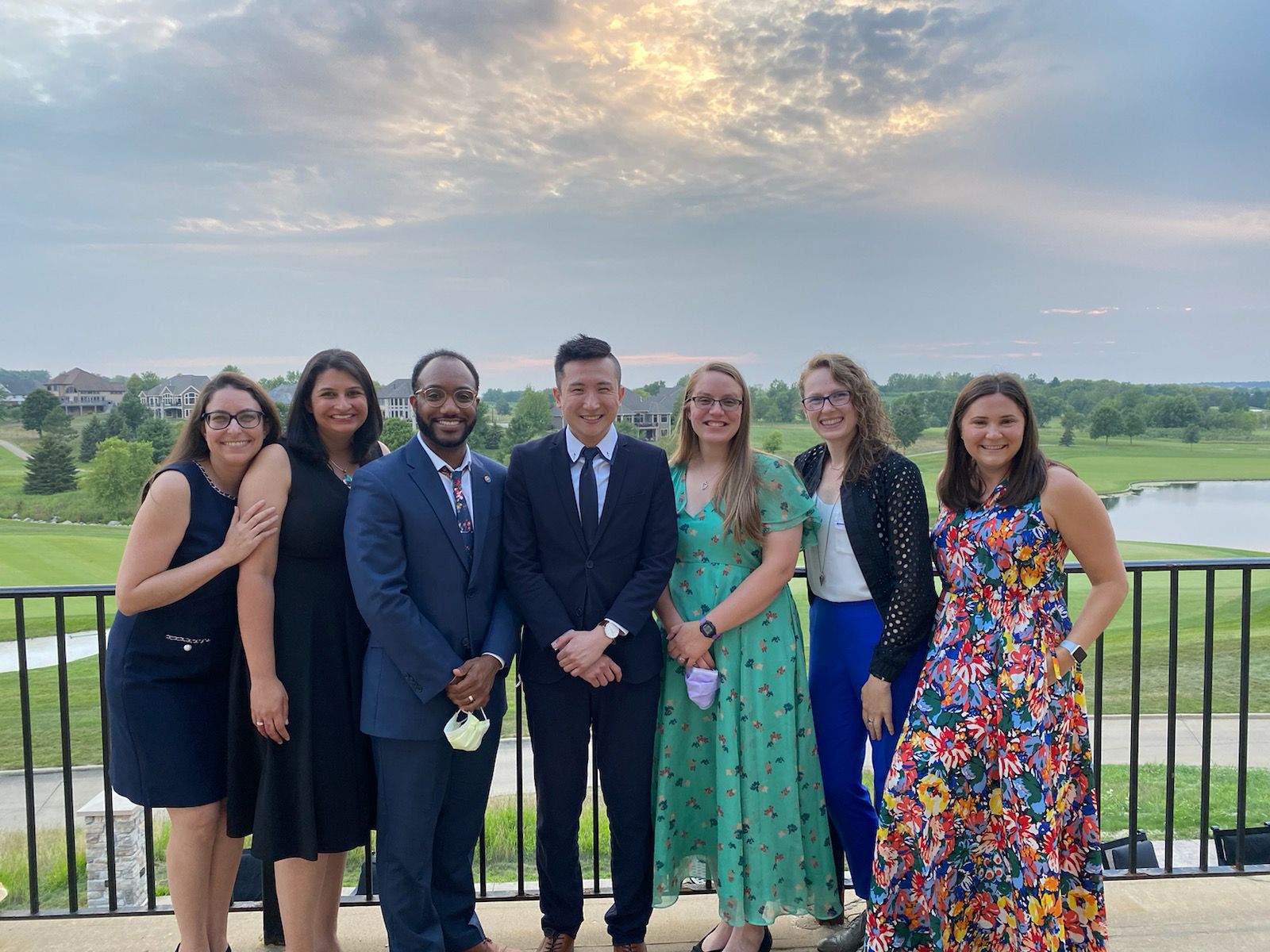
Medical and mental health support aren’t the only thing out of reach for most people. Thanks to financial and structural barriers, scientific research is also gatekept from the public.
One would need to be a member of an educational institution (as a faculty member, student, or researcher) to have access to this intellectual elite. They are also chock-full of academic jargon beyond the understanding of a layperson.
Mian Li describes the “ADHD in him” as the driving force behind his audacious suggestion to his advisor, Eric Youngstrom. “I told him that his research was a waste of time, because nobody would read it after he died,” he recalls, with a chuckle.
“So, I asked, why not just distill the best research, and release it into the public domain, instead of undertaking new research? Giving people access to the current science makes more sense.”
Naturally, executing this idea was less straightforward than proposing it. It also involved a radical rethinking of academia’s existing structures, where scientific journals are typically only accessible behind a paywall.
“Long story short, my seemingly illogical idea became a reality, and we were able to pull in major institutions like Harvard, UCLA, and John Hopkins,” he explains. “We set up a system where we got experts in different areas of mental health to collaborate with talented undergraduate students who are eager to succeed in this line of work.”
Known as Helping Give Away Psychological Science (HGAPS), his passion project opened up valuable, gated research for public consumption. “Our goal is to improve the quality of mental health care worldwide, and to create and disseminate free, accessible resources in the form of easily digestible infographics,” he explains.
“HGAPS is a product of my hyperfocus. It is meant to be a bridge between psychology academics and the public.”.
In 2019, Mian Li became the first doctoral candidate in the history of the American Psychological Association to receive the Citizen Psychologist Presidential Citation for his work with HGAPS. He also accepted a position as a Medical Psychology Postdoctoral Fellow, Clinical Child Track, at Mayo Clinic, where he would remain for the next two years.
Challenges and opportunities after returning to Singapore

As Mian Li’s time at Mayo Clinic was coming to a close, he was due to accept another offer – when he received news of his mother’s illness. Driven by familial duty, he decided to return to Singapore for good. “For too long, I have relied on my brother to hold the fort,” he admits.
Back in his native Singapore, Mian Li has been busy. He has collaborated with local schools and healthcare providers to develop programmes that foster resilience in children and adolescents. He also recently completed a three-year project as Consultant at the National Trades Union Congress (NTUC)’s Mental Health Programme, where he trained educators, parents, and employers on how to build psychologically resilient schools, householders, and workplaces.
His own practice, Lightfull Psychology Practice, has provided expert advice to organisations like NTUC First Campus, EtonHouse Community Fund, Samaritans of Singapore, ChannelNewsAsia, and Mediacorp. “My mission in Singapore is to enhance mental health awareness and resilience,” he explains.
“We live in an achievement-oriented society. When we talk about stress, it’s always framed in the context of how we can recover as quickly as possible. And while some aspects of our healthcare system are extremely streamlined, some improvements are needed.
“Mental health care in Singapore is still evolving, although I am heartened by national-level efforts to increase public awareness,” he shares. “I feel inspired to innovate and advocate for the greater integration of mental health into our healthcare and educational systems.
“My sincere hope is that we can lay the groundwork for future generations to continue building a more accessible and compassionate system that puts love for one another first, while considering economic outcomes.”
Outside of work, Mian Li finds joy in running, hiking, and spending time with his wife and their two cats. ‘These moments of connection and nature recharge me. They truly remind me why mental health matters – not just for my clients, but for myself, too,” he muses.
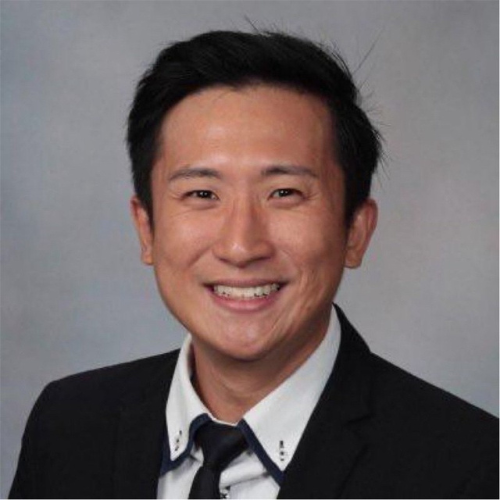
Meet Mian Li
Dr. Ong Mian Li is a psychologist with deep expertise in clinical child psychology, and works closely with children, adolescents, and families to provide holistic treatment. He currently divides his time between clinical research, advocacy, speaking, and consultancy.