By SGN | 14 Oct 2024

Imagine the vibrant spices of Southeast Asian cuisine – star anise and lemongrass – melding with the lush, flaky texture of bacalhau, Portugal’s beloved codfish. Now, envision Pastéis de Nata, iconic Portuguese custard tarts, reimagined with a dash of classic Singaporean notes like pandan and coconut.
This is the culinary magic Sophian Hoe is bringing to life at Makan Madeira, a Singaporean gastronomy restaurant featuring Southeast Asian, Portuguese and Madeirense influences.
Named after the Malay word for “to eat”, Sophian’s culinary labour of love pays homage to the rich flavours of his unique Singaporean Chinese-Malay heritage.
“I found it fascinating that despite being shaped by Portuguese culinary forces, Asian cuisine remains largely alien in Portugal,” Sophian mentions. “This motivated me to share the story of Singaporean flavours with Portugal.”
The world is Sophian’s oyster
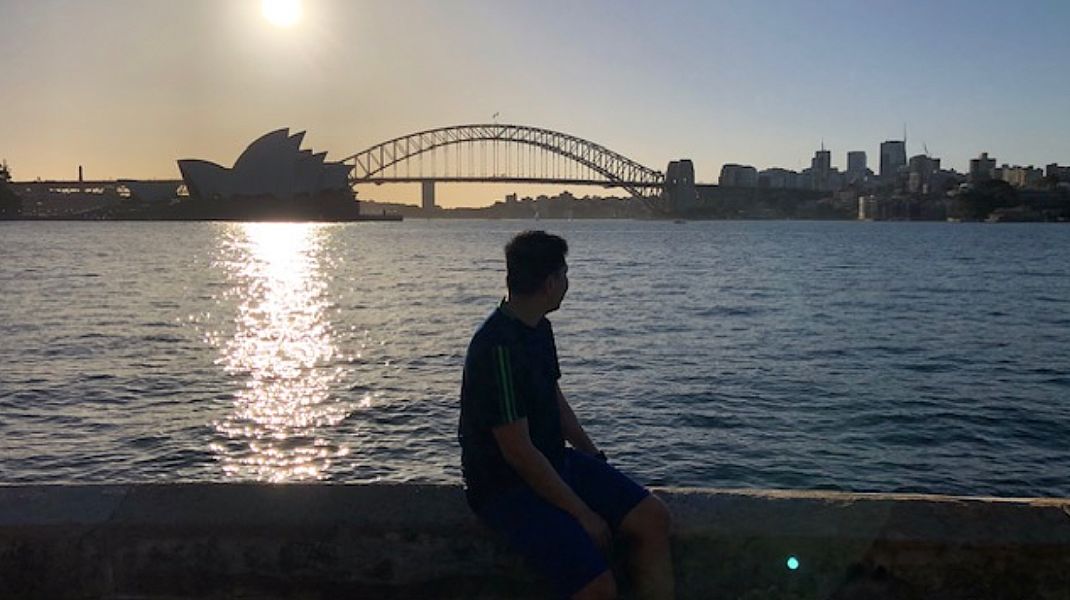
After nearly five years as a lecturer and academic developer in Arts Business Management at Ngee Ann Polytechnic, Sophian felt his career had hit a plateau. “I needed a change, and that’s when I decided to leave Singapore,” he explains.
Having applied for Australian permanent residency well ahead of time with plans to relocate there eventually, he received approval just as he was contemplating his next steps. This serendipitous timing felt like a sign, compelling him to make the move.
While Sophian did spend some time in Sydney, his life journey would play out in several other notable locations across the globe. “I ended up working on art-related projects in places like San Francisco and Dubai,” he says.
Keeping an open mind helped Sophian ease into his globetrotter identity. “Travelling to so many new places were out of my comfort zone for sure,” he reflects. “But in the process, I became comfortable enough to try different things I never knew I could do.”
Making Portugal home during the pandemic
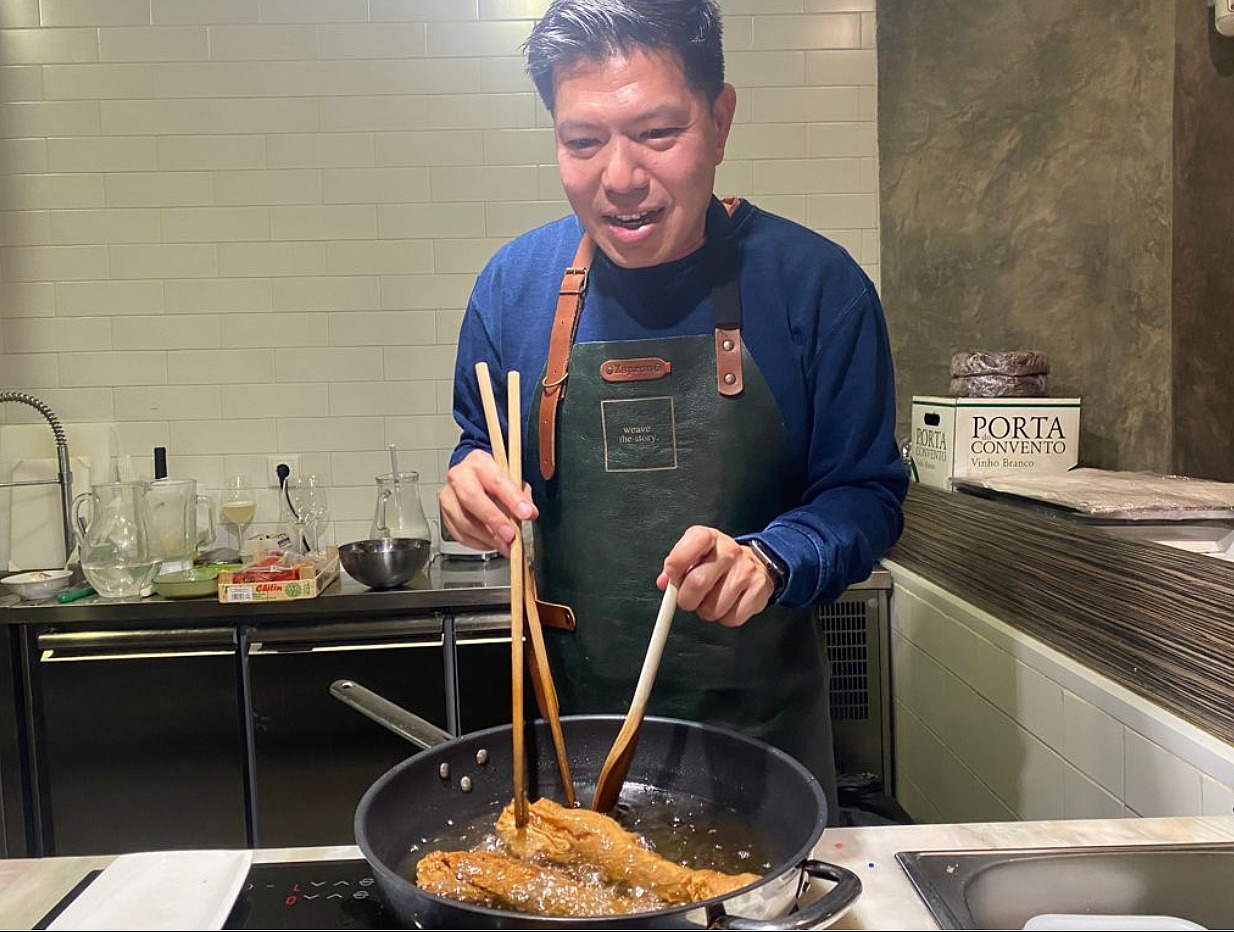
In 2017, Sophian visited Lisbon during a holiday to Europe.,
“I was looking for existing links between the Portuguese and the Eurasian and Malaccan communities,” he recalls. “But to my dismay, I found no such signs. It seemed as if the Portuguese, who spread their culinary influence in our part of the world via colonisation and trade, bore no signs of the cuisine of the colonised – unlike other major colonies of the time.”
He compared this to the UK, which is home to a culinary kaleidoscope of eateries featuring the cuisines of former colonies. Moreover, he found Portugal’s understanding and appreciation of Asian food rudimentary at best.
“The Portuguese are familiar with Japanese dishes like sushi or Thai staples like pad Thai (stir-fried rice noodles),” he says. “But they are missing out on complex Asian culinary universes by not venturing beyond these items. I wanted to change this by introducing food that reflects the gastronomic complexities of Singaporean and Southeast Asian cuisines.”
Sophian believed there was no better way to achieve this than by starting a supper club – an idea he had nurtured since attending several supper clubs during his time in Australia.
And while he was busy contemplating his next culinary adventure, he also began to view relocating to Portugal as a tangible reality. “The country’s rich history and vibrant potential beckoned me to make it my home,” he recalls.
Yet, the transition to a new place was not without its challenges, particularly as he had moved to Portugal in 2020, when pandemic-related restrictions were especially stringent.
“The regulations made even simple tasks, like opening a bank account, daunting because of the extensive documentation,” he explains. “The time it took to complete certain administrative processes was also much longer, a stark contrast to the efficiency I was used to in Singapore and Australia.”
On top of the logistical hurdles, arriving without a network in Portugal, and the language barrier, heightened his sense of isolation.
“During lockdown, I often felt disconnected, relying on friends in Singapore and Australia for support,” he says. “But I knew I had to adjust my expectations and accept that things wouldn’t happen so quickly. I focused on embracing the journey instead.”
Thankfully, things started to improve for him as restrictions eased. “I began attending arts events, visiting farmers’ markets, and connecting with people at expat meetups. These efforts helped me make new friends and feel more at home,” he mentions
Sophian also started taking the initiative to organise events for local Singaporean communities in cities like Lisbon and Porto.
“At these gatherings, we can reminisce about life back home, enjoy familiar foods, and speak Singlish without feeling judged. It’s a wonderful opportunity for all of us to relax and celebrate our shared identity,” he notes.
Bringing the Southeast Asian Supper Club to life
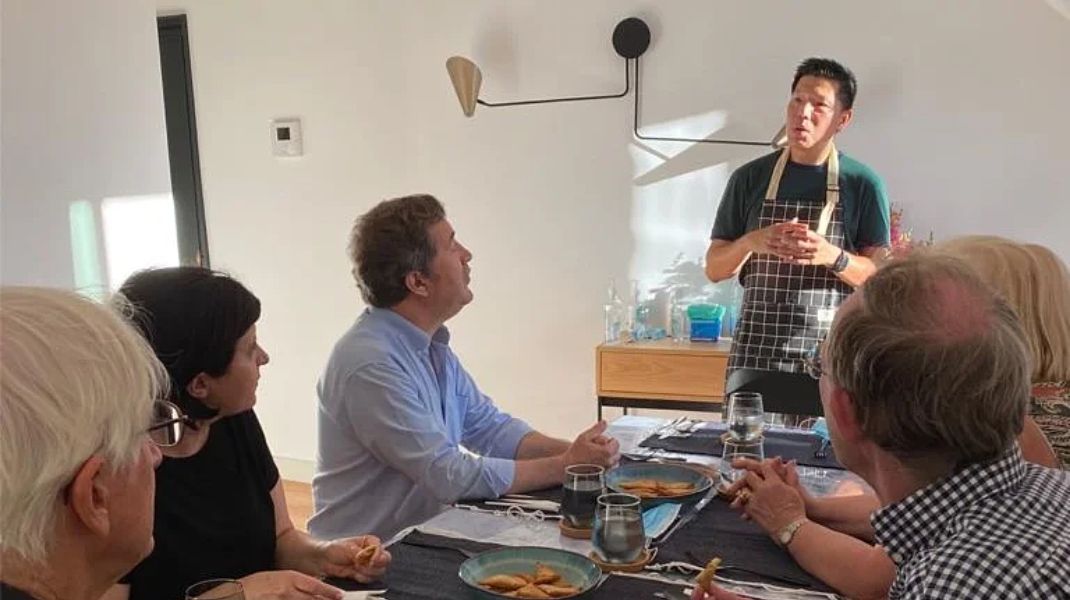
In 2021, Sophian founded the Southeast Asian Supper Club with the aim of celebrating the storied diversity of Southeast Asian cuisine.
“Each month, I curated a menu around specific themes – Malay royal dishes, Indonesian nasi padang, Melaka Portuguese, zi char (stir fry), Peranakan, and Thai regional specialities,” he elaborates. “Guests had the opportunity to learn about a particular dish’s origins, and the history that shaped it.”
Sophian also began collaborating with chefs to introduce lesser-known Southeast Asian dishes to the public. “I worked with a talented Portuguese chef, Ricardo Gaspar, on a project called Luso Nusantara. ‘Luso’ represents Portuguese culture, while ‘Nusantara’ refers to the Southeast Asian archipelago,” he explains.
He also hosted pop-up events to bring these specialty dishes to a wider audience, who quickly took a heightened interest in the unusual culinary works on offer.
“The supper club became a lively gathering place,” Sophian recalls. “It brought together both new acquaintances, and friends I had met at events and markets.”
Sowing the seeds for a restaurant venture
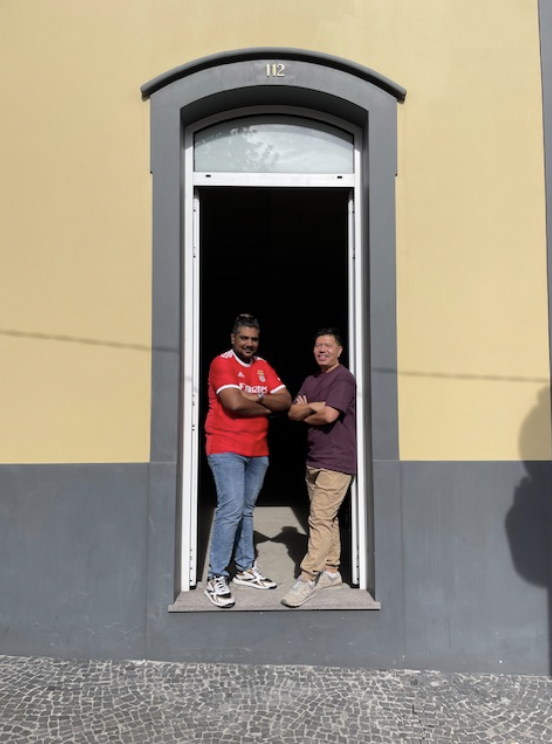
Prior to launching his supper club, the idea of opening a restaurant centering Southeast Asian cuisine had crossed Sophian’s mind. But at the time, it seemed too daunting.
“Dealing with local laws and regulations is quite stressful,” he explains. “Instead, the supper club offered a more manageable way to connect with the community and test the waters for a future restaurant.”
Throughout this time, he continued attending meetups, including those hosted by the Singapore Global Network (SGN), which were vital in helping him stay connected to Singaporean culture.
“Via SGN, I was able to connect with fellow expatriates (and fellow chefs) on our shared experiences of settling in a new place,” he states.
The vision for a future restaurant finally began to take shape when Sophian met Steve Selva, a Madeira resident, at one such Singaporean meetup in Porto in 2021.
“As you can imagine, when Singaporeans get together, we always end up talking about the food we miss,” Sophian recalls. “We talked about how we had to travel to London, Berlin, or Madrid just to satisfy our cravings because there was no Singaporean restaurant in Portugal.”
“Then, the idea came up — why don’t we open a restaurant ourselves, so we wouldn’t have to fly out?”
Putting the makan in Madeira
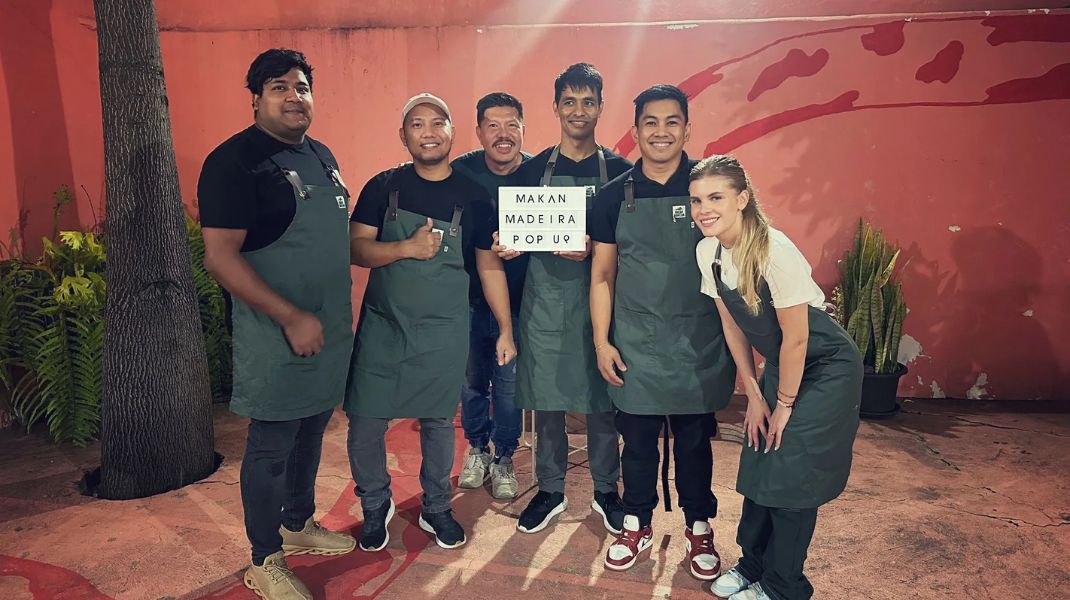
What started as a lighthearted conversation quickly evolved into a concrete plan. By 2023, Sophian had relocated to Madeira, found the ideal restaurant space, and now, after a year of preparation, he is just a month away from opening Makan Madeira.
Madeira, an autonomous collection of islands off the northwest coast of Africa, boasts a diverse international community, a strong South African presence with historical and culinary ties to Southeast Asia through the Cape Malay community, and locals who have lived, worked, or travelled in the region.
“People I met during my visits to Madeira also encouraged me to set up a base here, believing it would be a fantastic addition to the local food scene,” Sophian shares.
“Makan Madeira might very well be the first Singaporean restaurant in Portugal. And while I’ll be serving Singaporean dishes, I’ve also integrated Madeirense ingredients into some recipes, blending local flavours with our multicultural heritage.”
The menu will be spotlighting Singaporean street favourites alongside island-inspired creations, like a fragrant pandan-infused poncha (traditional alcoholic Madeirense drink) and a kaya jam (coconut jam)-infused bolo do caco, a Madeirense sweet potato bread.
Adapting to local ingredients has been a rewarding challenge for Sophian. While some traditional Asian components are hard to source, he has found creative ways to incorporate Madeirense products that align with the flavour profiles he aims to present.
“I’ve used local spices and ingredients to enhance dishes like rendang (spicy meat dish), blending it with Portuguese slow-cooking methods. I wanted to show how our cuisines have evolved and intertwined over time.”
Weaving the Southeast Asian Story
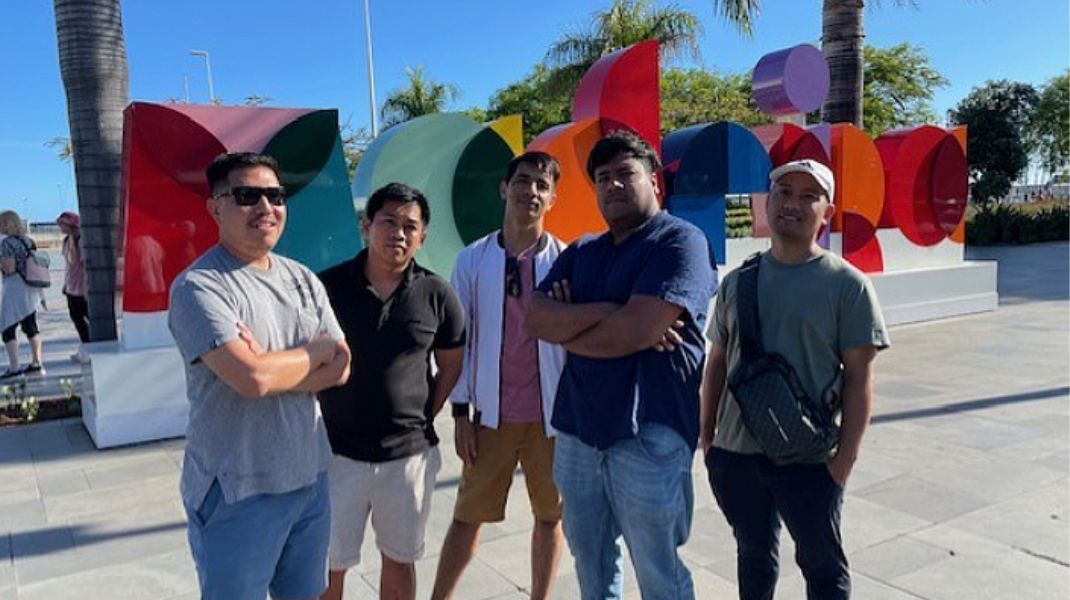
Makan Madeira is set to open soon, and in the meantime, Sophian is hosting pop-ups in Madeira’s capital, Funchal, showcasing a tantalising array of dishes.
These include spring rolls, epok-epok ayam (chicken curry empanadas), nasi lemak (coconut milk-infused rice served with fried peanuts, anchovies, chicken, and egg), and pisang goreng (fried Madeirense banana with shredded coconut and sesame seeds).
“The response has been overwhelmingly positive,” he shares. “We’ve had diners of all ages tell us how delighted they’ve been with the food.”
In the coming years, he plans to expand Makan Madeira beyond its location of origin. “We’ll test our model in Madeira first, and if all goes well, we will consider opening up more locations on mainland Portugal.”
Despite his busy schedule in Portugal, he makes it a point to return to Singapore about three times a year, cherishing time with family and friends during these essential trips.
“Maintaining my connection to my Singaporean heritage is essential,” he shares. “Whether it’s speaking Singlish or participating in cultural events, these experiences help me keep my roots alive while navigating life abroad.”

Meet Sophian
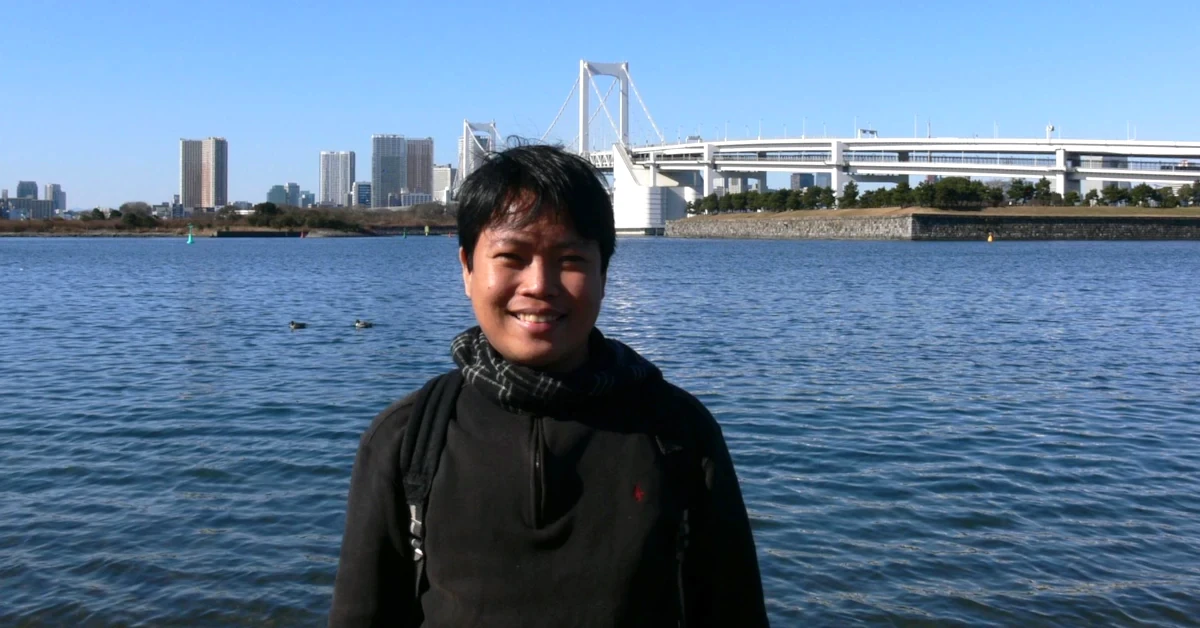
Sophian Hoe, a Singaporean in Portugal, is set to launch Makan Madeira, a restaurant serving up fare with Southeast Asian, Portuguese and Madeirense influences. He also founded the Southeast Asian Supper Club, sharing curated dishes with the local community monthly.
Connect with him here.