By SGN | 21 Jan 2025
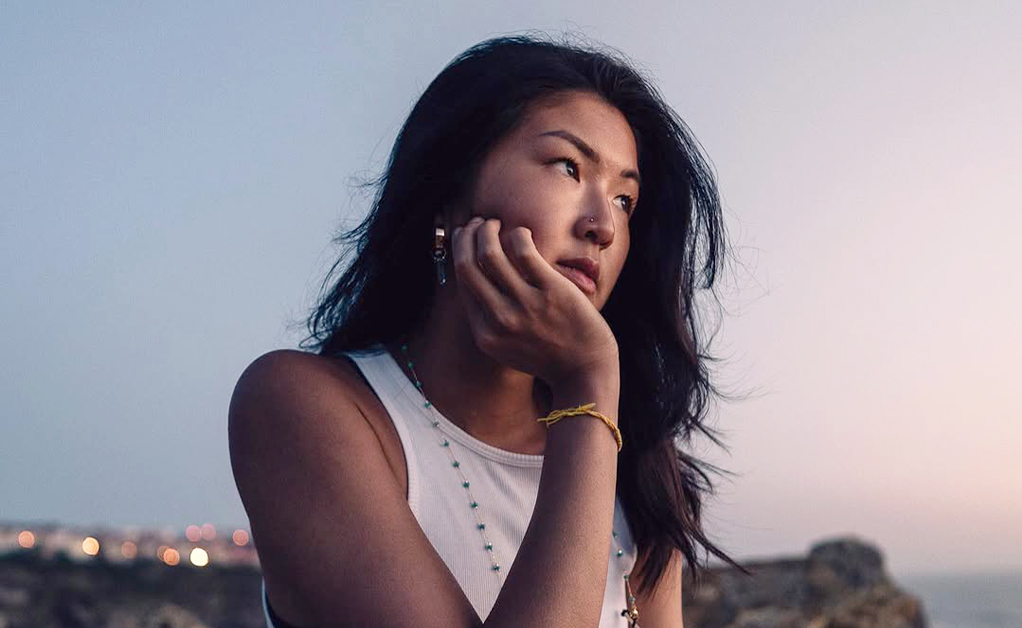
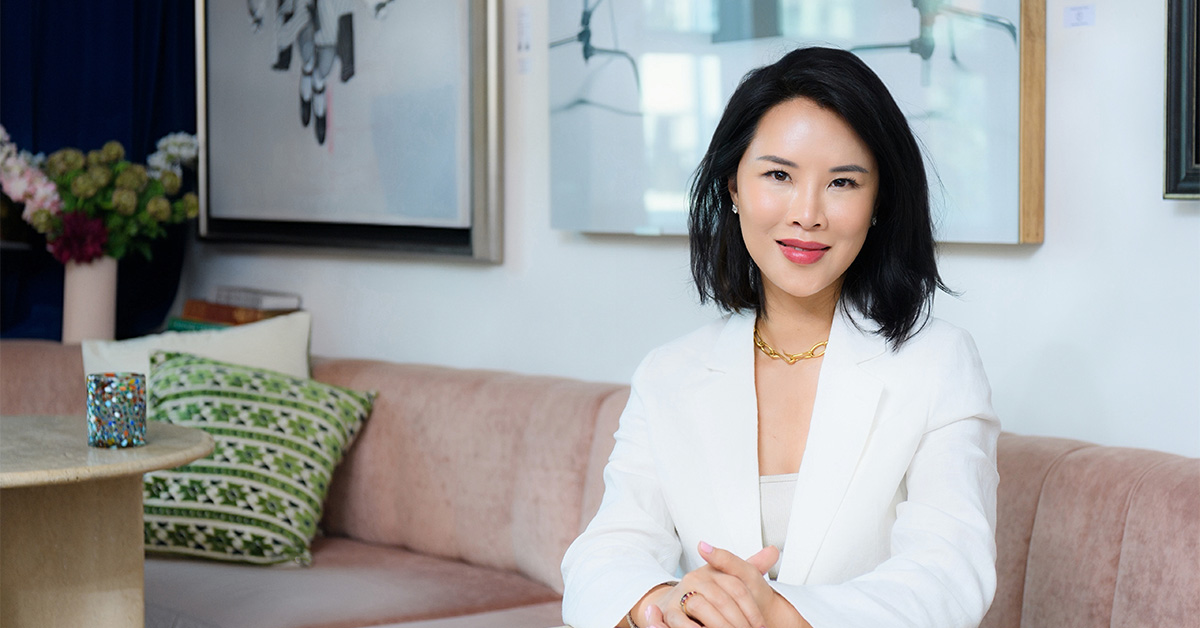
For Kaylin Eu, Lunar New Year has always been a celebration of heritage and connection, with food playing a central role in keeping traditions alive.
Growing up in Melbourne with few Asian friends, food became her bridge to her roots. Her family’s journey in Australia was steeped in culinary ties. Her parents ran a market stall selling Singaporean and Malaysian snacks like curry puffs, fried spring rolls, and ice kacang (shaved ice with red beans). Later, her father became one of Australia’s first tofu producers.
Beyond the business, dishes like mee siam (spicy stir-fried vermicelli) and nasi lemak (coconut milk rice) were regularly enjoyed at home, offering a meaningful connection to her culture.
Now living in Berlin, Kaylin continues to honour Lunar New Year traditions. “I usually gather with fellow Chinese and Asian friends who celebrate, as well as those curious to join in and learn more about the festivities,” she explains.
Adapting LNY traditions in Germany

For Kaylin, Lunar New Year has always been a time for family bonding. “Growing up, it was very much a family-centred celebration,” she recalls with a smile. “We’d do a tea ceremony with my parents, enjoy a reunion meal, and of course, always have yu sheng (Chinese raw fish salad)!”
Living far from family and familiar customs in Berlin prompted Kaylin to adapt the way she celebrates. “Not having family around means that Lunar New Year has become a bit more casual for me, and I now celebrate with friends,” she says.
Although Berlin lacks a Chinatown or a large Asian community, Kaylin finds joy in creating her own traditions. “I miss the cultural hubs, but I’ve come to appreciate the chance to make this celebration my own,” she reflects.
“The spirit of the season remains strong. Hot pot meals and dinners at Chinese restaurants help keep that sense of warmth and togetherness alive, no matter where I am.”
The challenges of recreating LNY dishes
Preparing her beloved Lunar New Year dishes in Berlin presents Kaylin with some challenges, particularly when it comes to sourcing ingredients. “It’s harder to find certain items, and they’re more expensive,” she explains.
One dish that proves tricky is yu sheng (Chinese raw fish salad). This is where Kaylin is often forced to get creative and make do with local German ingredients.
“There are so many variations of yu sheng, so improvising isn’t too difficult. As long as you have the key ingredients, it still feels authentic,” she says.
When the traditional preserved vegetables are hard to find, Kaylin substitutes sauerkraut for pickled mustard greens. For crunch, she turns to local radishes or celery, and in place of preserved fruits, she uses apples or pears, which provide a similar sweetness and texture. “These alternatives work well, and I’ve found that the essence of the dish remains,” she says.
Although her version of yu sheng may not be entirely traditional, Kaylin takes great pride in sharing this dish, which symbolises good luck and prosperity, with her community. Her creative substitutions still capture the spirit of the celebration.
A taste of home in Berlin

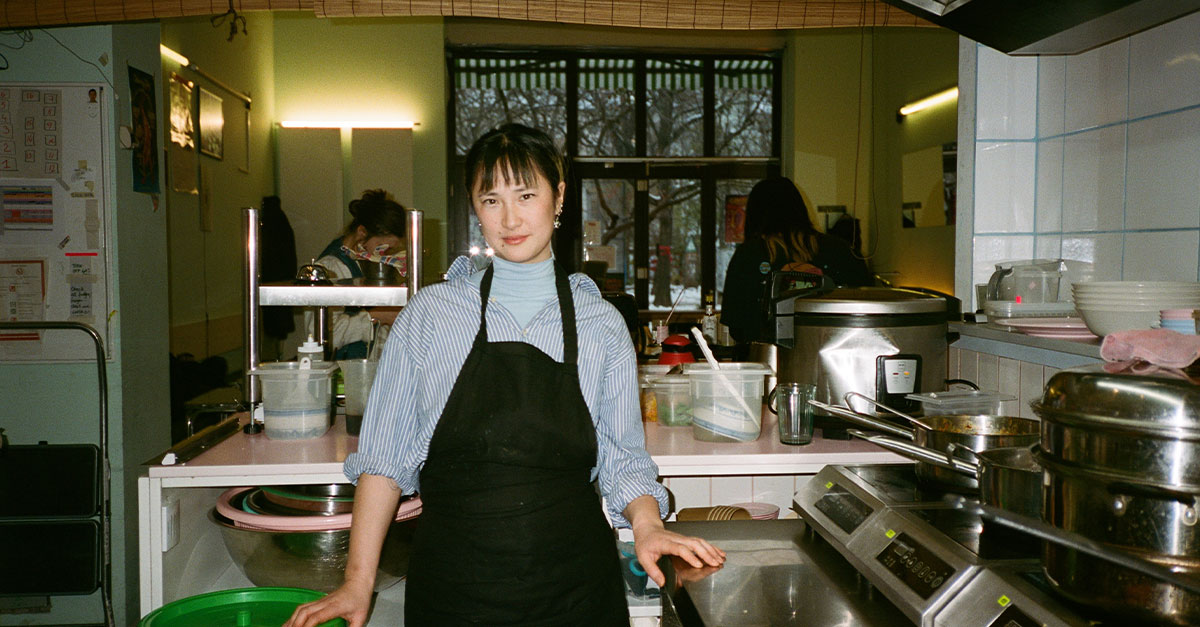
Kaylin’s food journey took a professional turn when she opened Ma-Makan, a Singaporean-Malaysian restaurant in Berlin. The idea was born from her longing for the flavours of home and the realisation that others in Berlin might enjoy them too.
“I loved cooking dishes like nasi lemak (coconut milk rice) for my friends, and they loved it too. That made me think, why not share this food with more people?” she says.
What started as a pop-up has since become a permanent fixture, offering a mix of Singaporean and Malaysian flavours.
Kaylin also adapts her menu to suit Berlin’s diverse audience. “We’ve created vegan rendang (braised meat) and laksa (spicy rice noodle soup) because there are a lot of vegetarians and vegans here,” she explains.
This spirit of innovation also shines through in her Lunar New Year celebrations at Ma-Makan. “In the past two to three years, I’ve hosted festive dinners at my restaurant. I usually make a special banquet with dishes like huang you xia (garlic butter prawns), qing zheng yu (Chinese steamed fish), jiao zi (dumplings), and of course, yu sheng!” she says.
“It’s been wonderful bringing the community together to celebrate this special occasion.”
Repping Singapore in the German culinary world

Beyond Lunar New Year, Kaylin is passionate about sharing Singaporean flavours with Berlin locals through Ma-Makan. While the menu evolves, certain dishes have become staples.
“Nasi lemak is always on the menu, usually served with achar (spicy vegetable pickle), just like my grandma used to make,” Kaylin shares. Other favourites include ayam goreng (fried chicken) and kaya toast with homemade kaya (coconut jam).
Through food, Kaylin cherishes the opportunity to connect with the Singaporean and Malaysian community in Berlin who seek out Ma-Makan.
“One of the best compliments we have received was from a Malaysian auntie, who said eating at Ma-Makan is better than being in Malaysia because here you get the best of both worlds!” she recalls.
Kaylin is also excited to share her yu sheng recipe for Lunar New Year, which holds a special place in her celebrations. And while her cooking pays tribute to Singapore’s rich culinary heritage, she still believes there’s no place like home.
“To all Singaporeans back home, I hope you realise how lucky you are to enjoy such amazing food,” she says.
Whether near or far, Kaylin reflects that the spirit of Lunar New Year is about coming together and celebrating the ties that bind. “Through food, I’m able to bring people closer and create moments of reunion and connection, wherever we are.”