By SGN | 16 Dec 2024
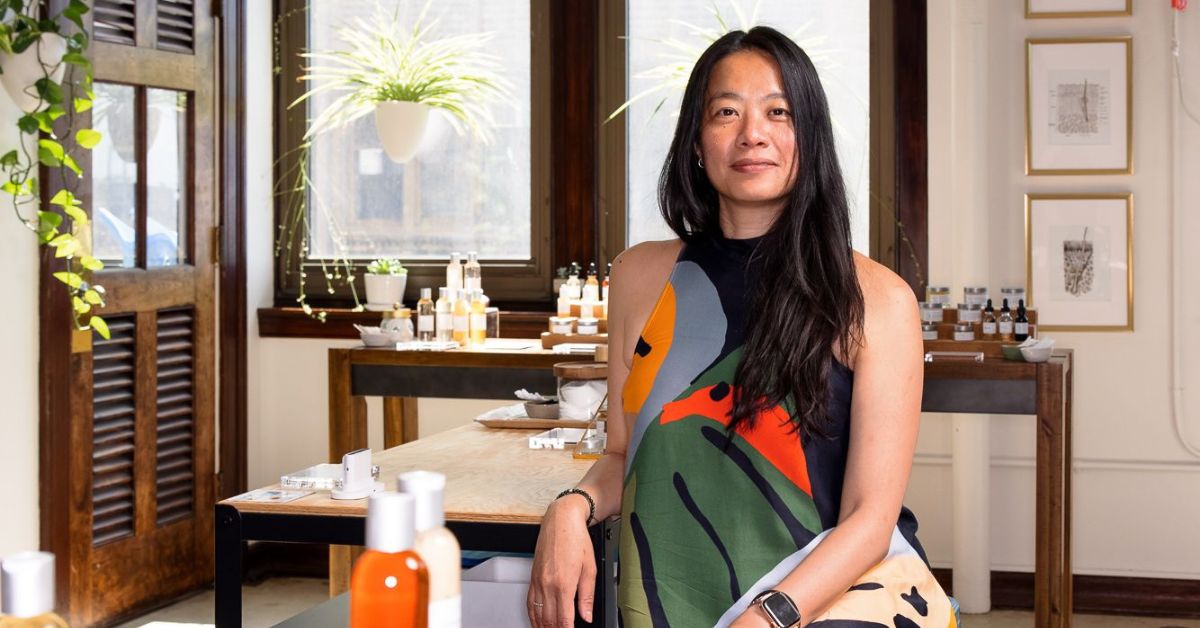
All her life, Adeline Koh had lived in sunny Singapore.
Then, at age 20, she found herself in the middle of a blisteringly cold Michigan winter, and for the first time in her life, experienced dry skin. As a resource-strapped PhD in Comparative Literature student at the University of Michigan, Adeline had no choice but to continue braving the harsh weather and dealing with a desiccated epidermis on her own.
“Having dry skin exacerbated my existing rosacea, and aggravated my acne,” she explains. “Sometimes my skin would develop welts, which refused to go away.”
Things began to look up once she secured a job as an Associate Professor of Postcolonial Literature at Stockton University in New Jersey and had enough disposable income to visit a dermatologist. To her surprise, she received some head-scratching advice. “I was told that moisturisers were scams, because they make your skin dependent on them,” she recalls.
This puzzling counsel was echoed by other dermatologists, who prescribed her harsh medications of tretinoin and peroxides further parching her troubled skin. And, for a while, Adeline was resigned to her fate.
Like any other young woman embarking on a beauty journey, she spent countless hours longingly staring at high-end brands at Sephora’s skincare section. Names like Sunday Riley, Tata Harper, Tatcha, and Herbivore spoke to her the loudest – usually for their sleek packaging, austere aesthetic, or inviting scents.
“I often thought of Sunday Riley, who would gift her experimentations with skincare to friends and family, and of Tiffany Masterson, who started Drunk Elephant because she couldn’t find what she wanted at Sephora,” Adeline reminisces. “I dreamed of making my own skincare potions one day and imagined what the process would be like.”
The popularity of K-beauty creating possibilities
In 2015, K-Beauty took the world by storm.
Suddenly, sheet masks, toners, essences, and serums were all the rage, because of the 10-step Korean skincare regimen. Conversations about “hydration” and “protecting the skin barrier” increased tenfold.
Compelled to explore Asian beauty, Adeline found that several ingredients used in these products were familiar to her.
“I grew up eating goji berries, ginseng, and turmeric, as part of soups my grandparents would prepare for me,” she recalls. “They are antioxidant-rich, and thus good for health.”
Adeline deduced that if she could safely eat these ingredients, she could apply them topically with no issues. And, to her initial delight, her skin improved with K-Beauty products, at least for a while.
However, she did not experience the massive breakthrough she was hoping for and began contemplating what might be going wrong. Her research helped her realise that an ingredient’s placement on the list corresponded to its weightage in the product’s formula.
“The lower down the list an ingredient is placed, the lower its concentration in the product,” she explains. “If a product claims to contain ginseng extract, which is placed towards the end of the list, it means there isn’t a whole lot of it to begin with. That’s why I wasn’t seeing a noticeable difference in my skin.”
Armed with these newfound insights, Adeline began to look for products with higher concentrations of active ingredients. But they seemed to be few and far between.
With her searches coming up empty, she felt lost and frustrated.
Transitioning out of academia
She decided to take matters into her own hands. Encouraged by colleagues at Stockton University, where she was teaching English at the time, Adeline took to the kitchen to formulate her own skincare products.
However, her efforts to revolutionise her beauty regime were punctuated by adverse events in her career. “Academia was proving to be hostile, and I was increasingly disillusioned by the systemic issues that kept cropping up,” she reveals. “I was faced with all sorts of glass ceilings – a very common experience for BIPOC (Black, Indigenous, People of Colour) individuals in academia. I would also get into a lot of hot water for calling out instances of racism and sexism.”
Adeline, then a tenured professor at Stockton University, saw her skincare research as a welcome break from her teaching appointment. She leveraged her Diploma in Organic Skincare Formulation and certificates in Cosmetic Stability and Preservation from Formula Botanica to rigorously research ingredients, and upon applying her own formulations, rapidly saw a stark improvement in her skin.
Her colleagues noticed and asked her to make some for them. Encouraged, she even started a small Facebook group to sell her products. Her products were a hit, and she decided to further scale up, this time starting an online shop.
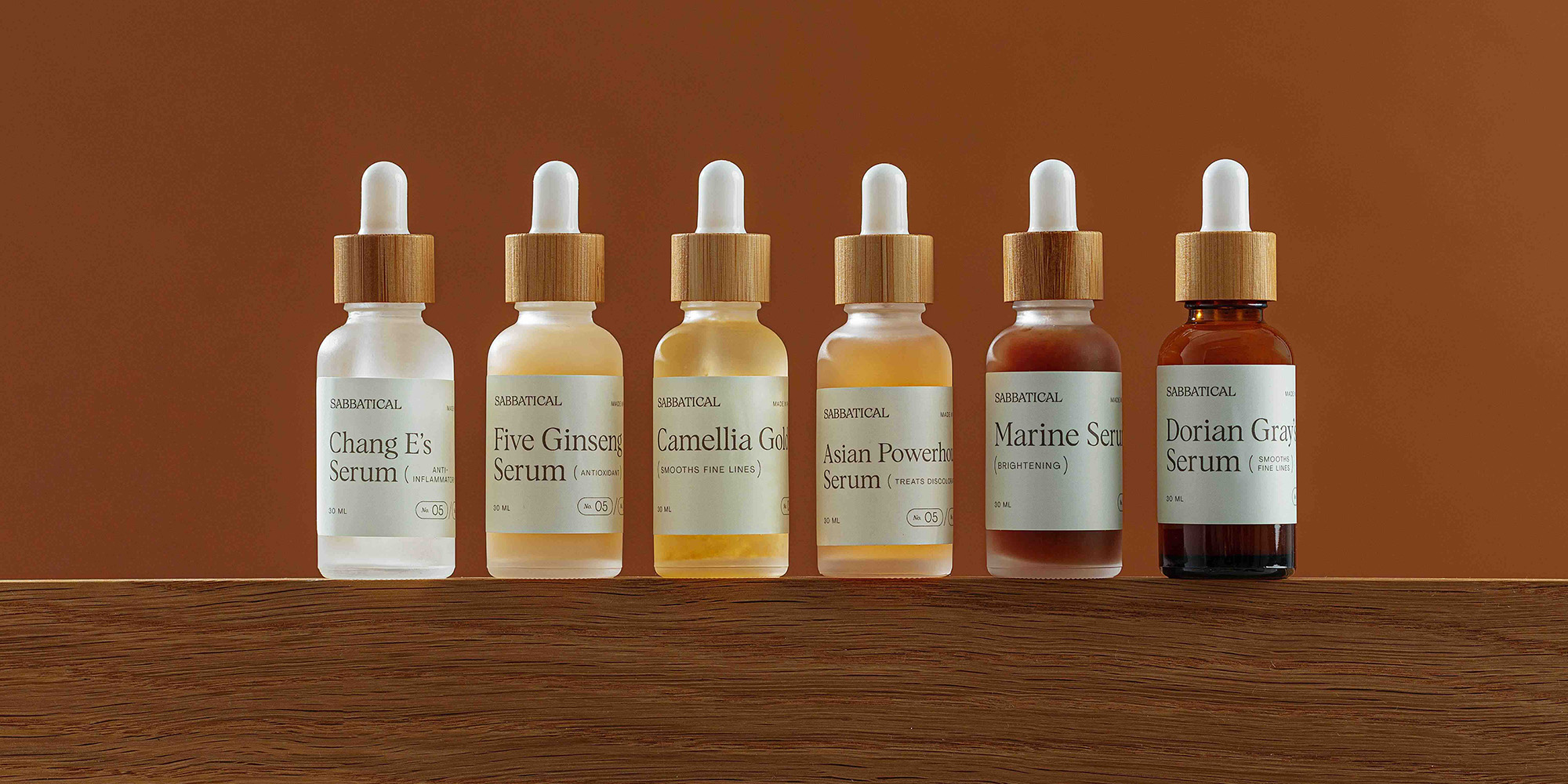
“My first two products, the Marine Serum (with sea kelp bioferment as the hero ingredient) and Asian Powerhouse (containing herbal extracts) turned out to be extremely potent,” she shares. “They worked right away.”
Concurrently, she took a leave of absence to focus on her business full-time, and to brush up on her marketing knowledge. As sales picked up, she wondered if she could quit her teaching job. The following year, she ended up taking a sabbatical, which inspired the name for her newly minted brand: Sabbatical Beauty.
Adeline’s philosophy on formulation
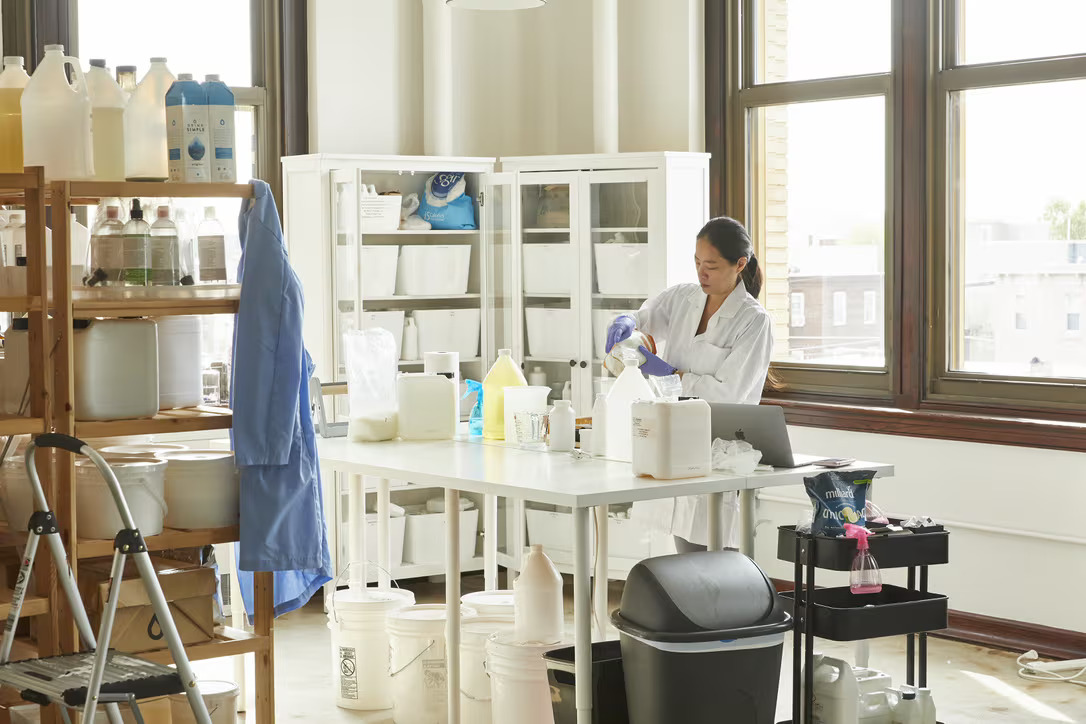
With Sabbatical Beauty’s formulation, Adeline sought to address the frustrations she had faced as a consumer. “My brand’s unique selling point is that it carries a high percentage of high-quality active ingredients, especially herbal extracts,” she explains. “You’ll be able to see positive changes to your skin pretty quickly.”
American skincare brands, which focus more on exfoliation, tend not to have many herbal extracts, if any. Adeline, who was running Sabbatical Beauty out of Philadelphia, and serving mostly American customers, was already setting herself apart with her liberal usage of botanicals.
“Rice is one of my favourite ingredients because it’s full of B vitamins, brightening your skin and making it glow,” she reveals. “A lot of companies that use rice tend to use it as an extract and call it a day, but they’ll claim it as a ‘rice-based product’.
“If I were to make a rice-based product, I would include all aspects of rice: rice milk, rice bran oil, hydrolised rice (a kind of rice protein), and other rice-based extracts and solvents. This way, all parts of the rice end up on your skin, just in different forms.”
Adeline’s approach to skincare formulation is also collaborative. “User feedback and community engagement is important to my brand,” she explains. And this is something she has put into practice since day one, with her colleagues at Stockton University being one of her first focus groups. “I like people to feel like they have a stake in creating the product.”
The politics of beauty and self-care
“When I would come back from a day of being an academic in a system set up for people like me to fail – exhausted, overwhelmed, and frustrated by persistent issues of inequality in academia – I started practising extensive skincare routines,” says Adeline.
“Skincare was a very effective way for me to soothe myself and feel better about myself. It activates the parasympathetic nervous system, which allows your body to relax. Taking care of myself was the only thing that would allow me to have the resources to combat the inequality I felt I was experiencing daily.”
Adeline has carried this philosophy into her approach towards Sabbatical Beauty. To date, the brand has advocated for progressive organisations and created political skincare collections for names like Swing Left, South Poverty Law Center, and the National Abortion Federation. During the COVID-19 pandemic, Sabbatical Beauty donated masks and hand sanitisers to local shelters, essential businesses, and non-profits.
Adeline also goes the extra mile to make her customers feel represented. “Folks have given us positive feedback on the types of models we choose for our website, pointing out how they are real and diverse,” she mentions.
“At Sabbatical, diverse beauty is central to our mission and brand ethos. We want to go beyond the typical standard of beauty that is fed to us by media.”
A potential homecoming
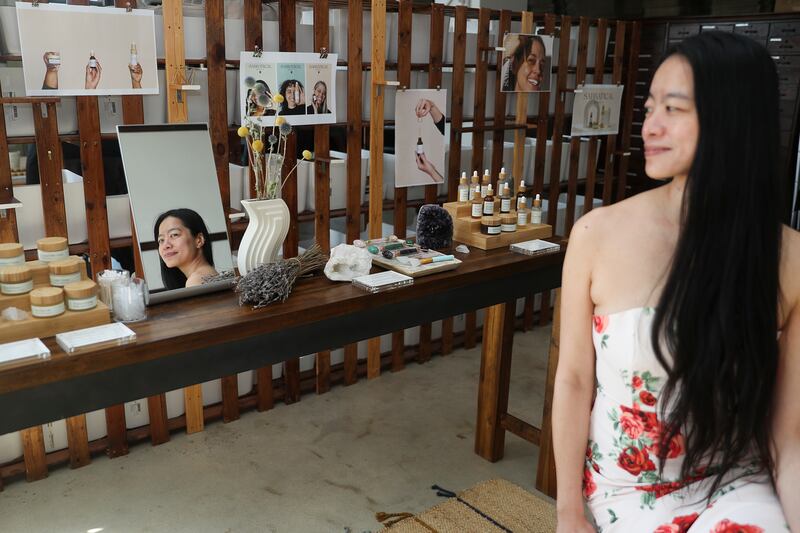
Sabbatical Beauty was founded in 2016. Two years later, the brand hit a gross annual revenue of US$ 780,000. And despite having upscaled the business a few times, Adeline still runs a lean team. She handles the bulk of the research, formulates the products herself, and has even photographed every single image ever put out by the brand – across both its website and socials.
She is currently managing a four-person team to help her with the formulations, which are made in a studio in South Philadelphia. To ensure product safety, every product batch is tested for effectiveness preservation against unwanted microbes. New formulations are also tested for stability.
“I run a boutique business that is dedicated to the needs of a small community,” she explains. “My customers are very, very invested in my products.”
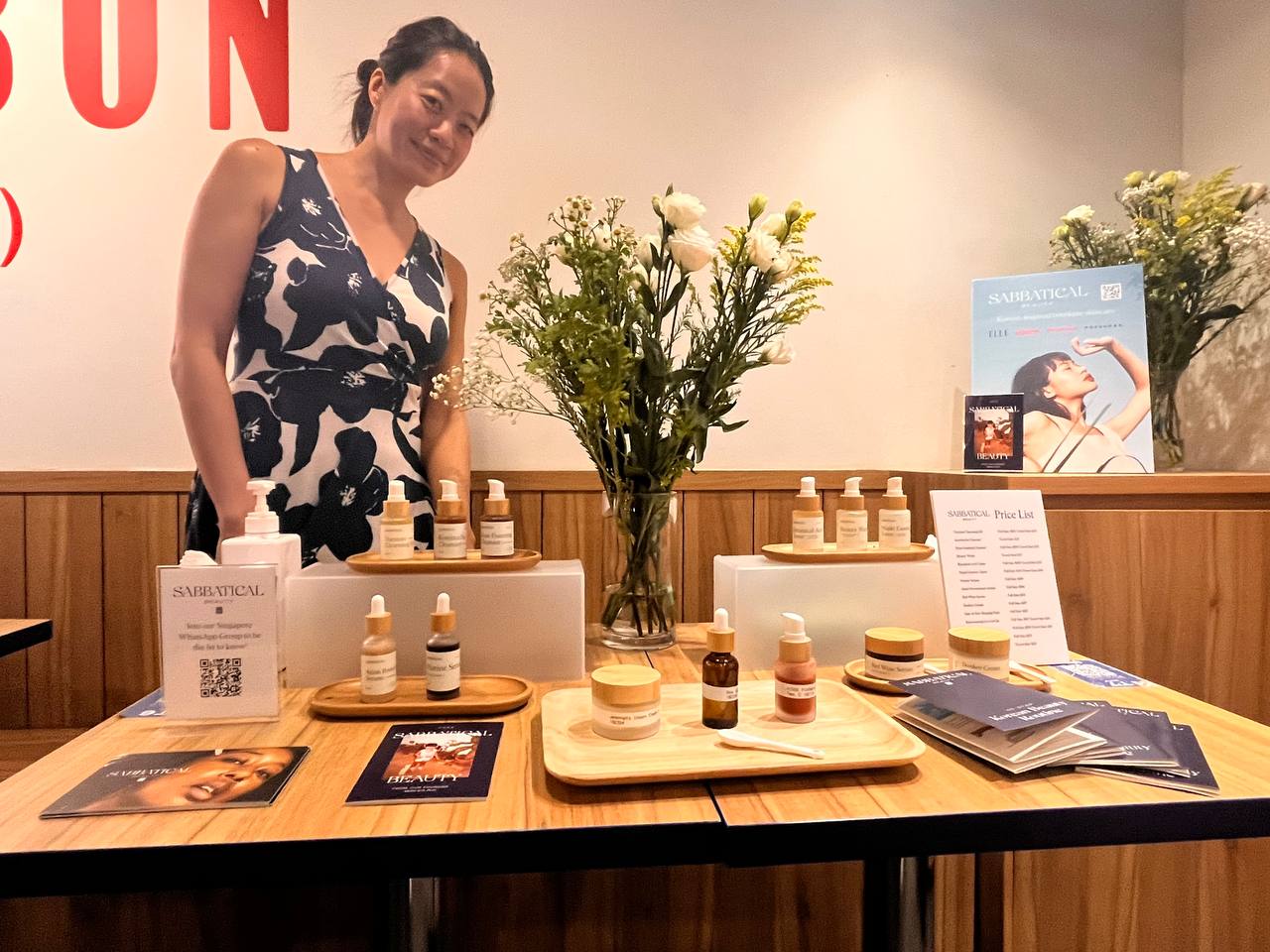
And while most of her customers are based in the US, a surprising amount of attention comes from Adeline’s native country, Singapore. “In 2018, I sold US$ 100,000 worth of products to Singapore,” she mentions. “And people were willing to pay the costly shipping and import fees.”
A visit to Singapore during Chinese New Year sparked a deep sense of nostalgia in Adeline. “I realised that I really, really missed being home. I missed my family. I missed the food. And I missed being a Singaporean, in Singapore,” she recollects. “I’ve done so much for the American market – it’s time to use my talents to help Singaporeans fall in love with their own skin and enjoy living in it. I’m here to make Sabbatical Beauty Singapore happen.”
In an ideal scenario, Adeline hopes to split her time between Singapore and the USA. While the majority of her business is based in the States, along with her family, she hopes to be physically present in Singapore more often. “Right now, I’m meeting up with potential local collaborators in Singapore, and trying to build a solid network so I can get the Singapore chapter of Sabbatical Beauty off the ground,” she states.
K-beauty's eternal relevance
According to Adeline’s observations of the beauty industry, K-beauty is enjoying a second resurgence in popularity in an echo of 2015. “Koreans are immensely invested in having perfect skin, and are constantly innovating,” she reveals.
Additionally, seeing Asian beauty occupy centre-stage brings her immense joy. “Prior to 2015, it was so hard to find K-beauty. I would have to go to Asian specialty stores that specifically carried K-beauty products. And now, you can find them at your neighbouring Walmart or CVS (American pharmacy chain).”
“K-beauty is becoming mainstream all over again, and it won’t be going anywhere, anytime soon.”
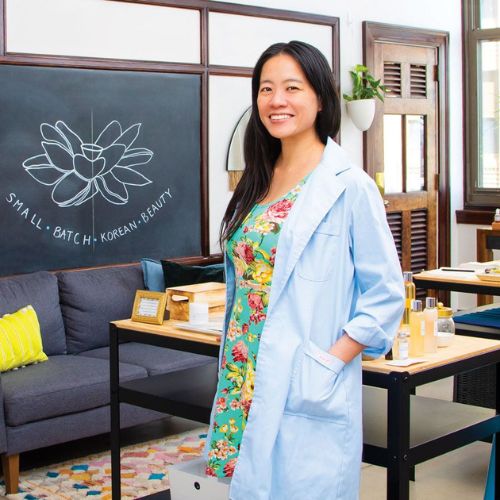
Meet Adeline
Once a tenured Associate Professor of Postcolonial Literature at Stockton University, she took a sabbatical from her academic career to set up her own home-brewed beauty brand, Sabbatical Beauty.
Connect with her here.