By SGN | 19 May 2025

I started my business from my bedroom in the Philippines.
This was in 2021, during the thick of COVID. I had no choice but to continue operating the way I was. When I finally launched my business – a newsletter that provides you with relevant, easily digestible, and bite-sized information on promising Southeast Asian startups – I was beyond relieved.
But that was just the beginning. I had zero network, just a year of work experience, and no journalism background.
With only a handful of modest resources at my disposal – namely my laptop and a Zoom background, I spent the first three years of the business painstakingly building up a virtual network.
Many Southeast Asian startups base themselves in Singapore to take advantage of its central location in the region. However, as a young founder on a shoestring budget, I remained in my home country, the Philippines, and worked from there. I didn’t mind. I love the Philippines, and I feel a strong sense of pride and joy in being Filipino. And so, when the opportunity to move to Singapore presented itself in 2024, I was conflicted.
Several thoughts crossed my mind when making this decision: Would I be a part of the “brain drain” problem that the Philippines has been experiencing? After all, I’d always hoped to show that something great could be built from within my country instead of having to build a business or career outside.
But after meditating on it for a while, I realised that moving to Singapore would allow me to help represent and put my own country on the map.
I would remain who I was at my core – nothing would ever change the fact that I was born and raised in the Philippines. Being in Singapore and doing my best work would make me an advocate of, and ambassador for, the Philippines. A beacon of light for my country.
Why I started BackScoop
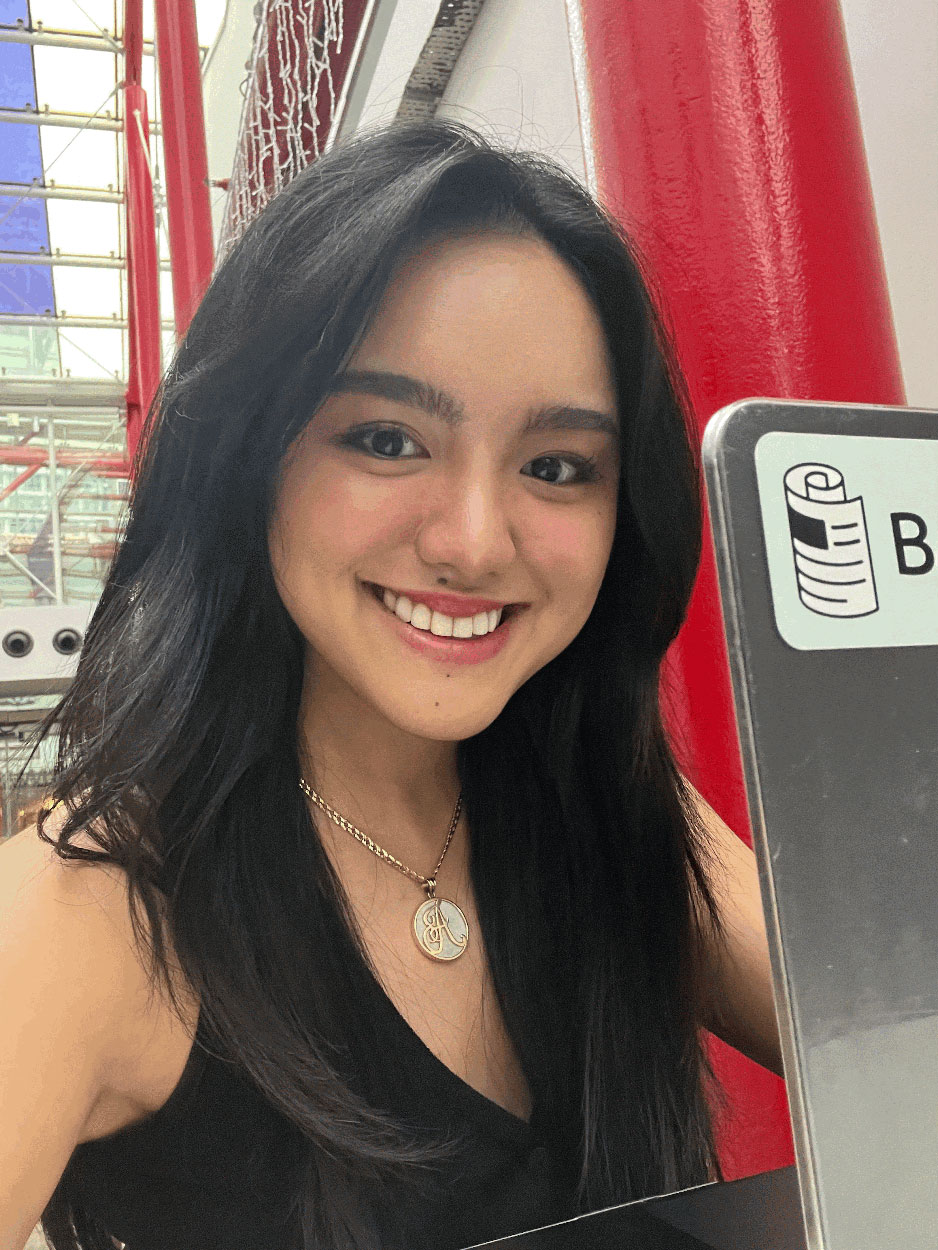
Once I graduated high school in 2020, I was weighing my options between university and a gap year as COVID raged on. I chose the latter because I wanted to grow and take matters into my own hands.
Eventually, I landed in the start-up space because my understanding was that the future lay in the hands of startups. A lot of the exciting developments taking place in the business world are engineering by startups, and I wanted to be at the centre of that action.
Concurrently, I was also contemplating learning how to code. Regardless of whether I become a business owner or not, I knew that coding was a key skill to have.
Serendipitously, I came across a startup offering a boot camp where one could learn to code in just twelve weeks. I saw this as a once-in-a-blue-moon chance.
This opportunity felt like destiny. After all, I was looking to code and get into the startup world. I reached out to them and offered to work for them in exchange for the fees for the course. I was their first intern and first employee and ended up working with them for a year. Here I learned what it was like to build an early-stage startup.
I went from doing mundane admin tasks to handling functions like paid and organic marketing, building a marketing funnel, and managing students and other stakeholders. I also dabbled in B2B sales, convincing companies to work with us. Because of my work, I was always reading the news.
I pored over tech publications from the region, as well as the US, in a bid to find more leads. However, I found myself growing increasingly frustrated with what I was reading. I found most articles to be written perfunctorily, lacking depth and details regarding the founders, and what their motivations were.
It dawned on me that these articles would not be helpful to a layperson trying to navigate the industry. Every article on startups I had read so far was either too lengthy, lacked critical information, or did not meaningfully explain what the company did. I wanted to make these articles sound more exciting, comprehensive, and engaging.
I was also frustrated because I had to turn to multiple publications to look for information. I started thinking about how this information could be presented to readers from a single source.
People who work in or are interested in the Southeast Asian business ecosystem need to have access to insights like these and stay updated on developments in the startup industry.
Websites just weren’t cutting it. It dawned on me that there was a simple solution to this problem – a newsletter on startup news for Southeast Asian audiences.
Once I had this insight, I got to work. I consolidated news snippets, examined PR updates, and evaluated what information would be most useful or meaningful for people within the startup ecosystem. Then I chose a couple of articles to focus on and rewrote them in my own style and tone-of-voice. When crafting the piece, I ensured that it was really easy to understand what the company was doing.
That’s how BackScoop was born.
Building a solid base of readers and subscribers
To grow my subscribers, I adopted some drastic measures. I started reaching out to all of my Facebook friends and personally messaged them asking to subscribe to the newsletter.
This is how I got my first few readers, even though they had little connections to the intended audience (business and startup owners) for the newsletter. To specifically find the people who would be interested in my newsletter, I asked myself where they like to spend their time. The answer was LinkedIn.
Every week, I added about 150 new people on LinkedIn. I’d drop an introductory note about the newsletter and hope for the best. To my surprise, I found that most people accepted my invitation to connect personally.
So, that’s the story of how I built my community of readers.
Gradually engineering the move
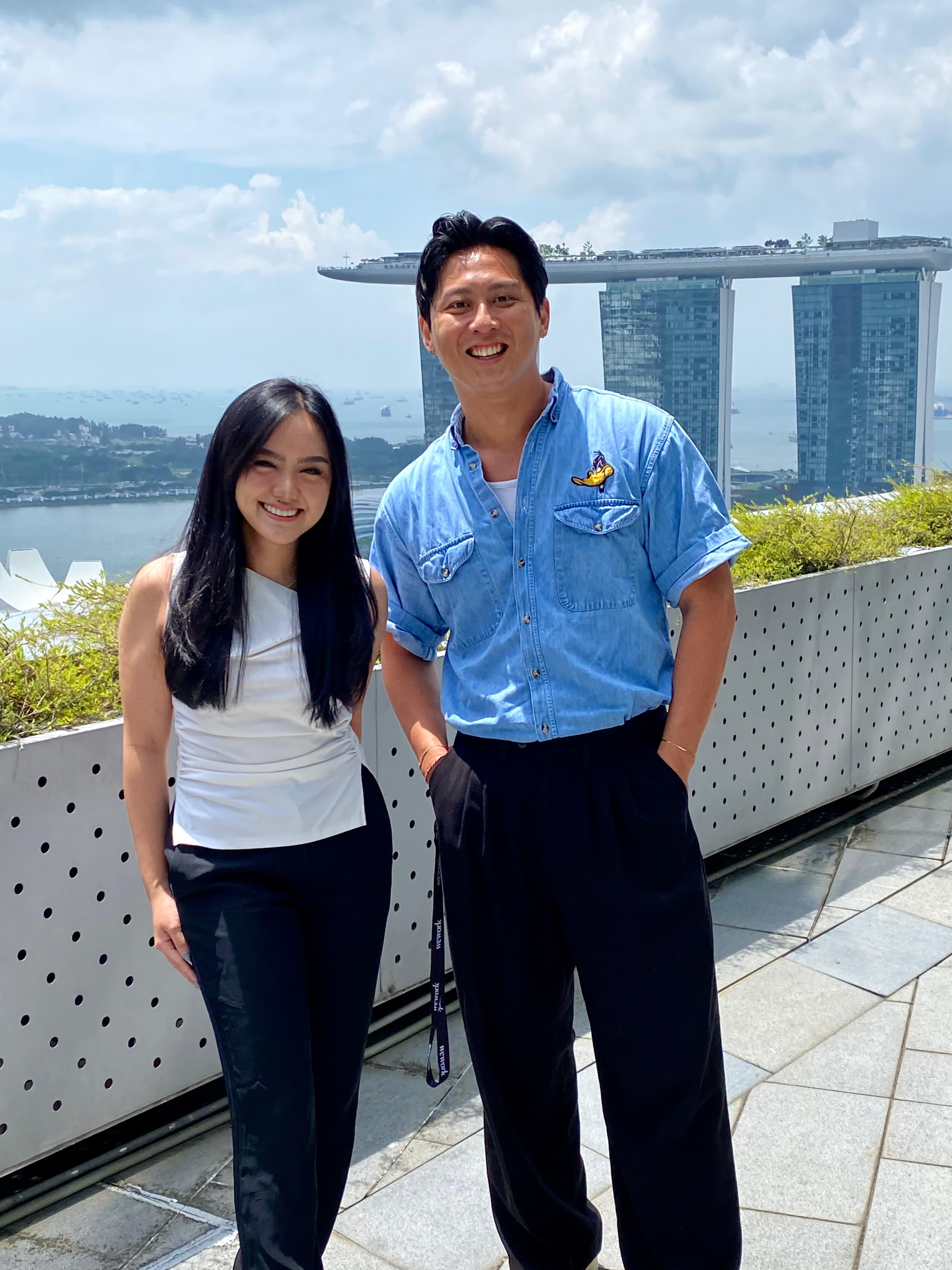
In early 2023, I started visiting Singapore on business trips, where I’d meet with potential clients and business partners. I’d spend my time trying to understand Singapore, and over the course of my trips to this beautiful island nation, a few events transpired.
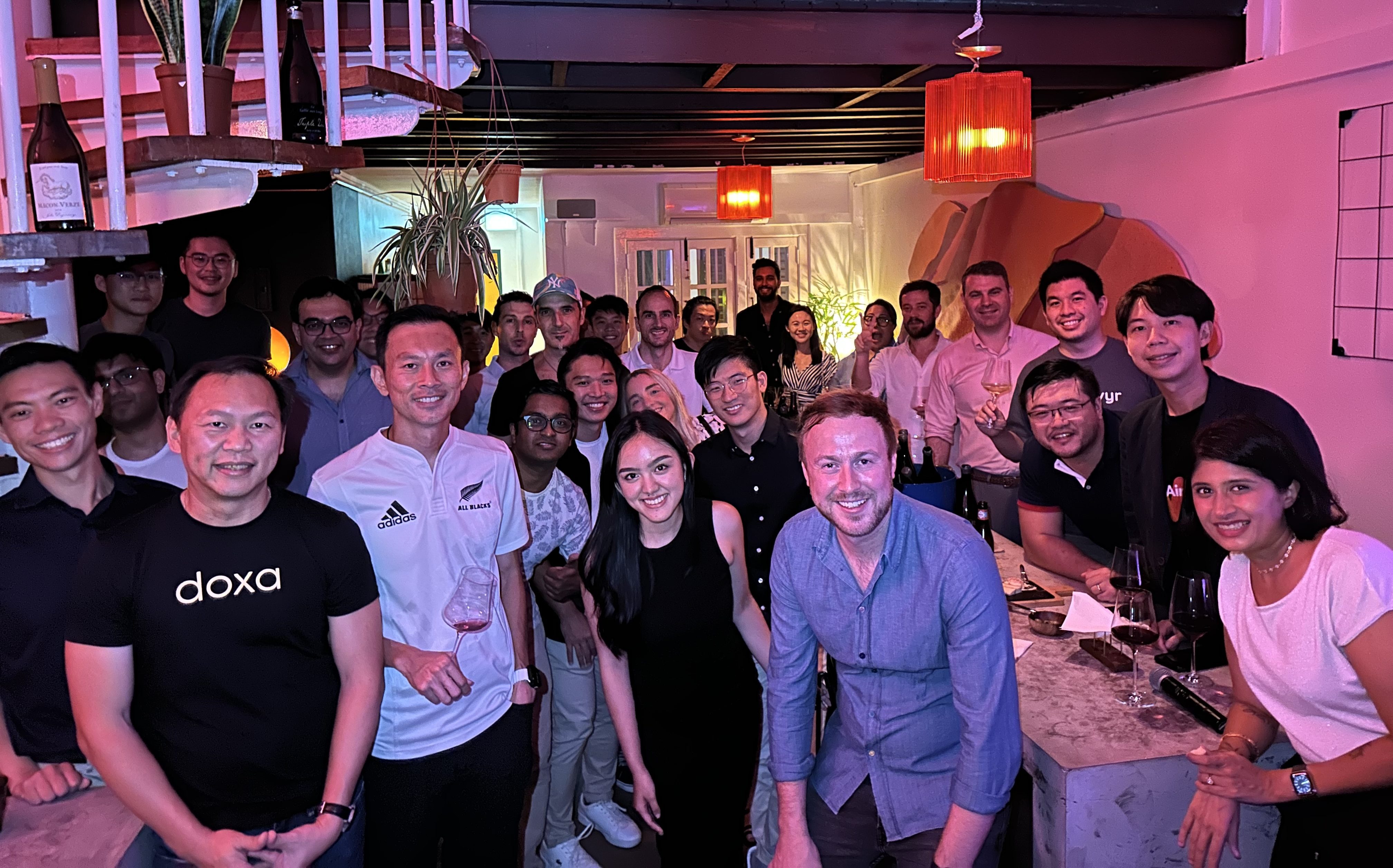
I had added a lot of my readers on LinkedIn, and met them in-person, if they were in the Philippines. At the same time, whenever I visited Singapore, I’d tap into the same network. I’d post about my travels on LinkedIn and ask for recommendations on where to go and who to meet.
My week would be filled with meetings – usually breakfast or coffee. Sometimes, if I’d been corresponding with readers for a while, they would invite me to dinner, or to go night cycling, or even weekend getaways.
First, I started building meaningful personal relationships during my visits to Singapore. Being in Singapore allowed me to gradually build a support system from scratch. If you, like me, are a young person trying to build something ambitious, or pursue a meaningful career, you’d want to find your people and find them fast.
Second, business opportunities kept flowing. When I first visited Singapore, I figured that I’d receive around one to two deals at most. But deals would close faster, and opportunities would naturally present themselves. I could be walking in the Central Business District and run into a prospective or existing client – this has happened more times than I can count!
I’ve had readers come up to me while I’m outside going about my day and ask, “Amanda, is it really you?” Another time, I was eating late-night bak chor mee (minced pork noodles). The patron next to me turned and said, “Amanda, is it you from LinkedIn? I read your newsletters!”
By 2024, I was in a different headspace. Remaining in the Philippines made me feel stunted.
Not that it was anything about the country or people—but I needed to be somewhere that was more strategic for work and building out the next chapter of my life.
I knew that moving overseas would help me grow more as an entrepreneur and as a person. I started to realise that at this point of my business, I needed to be closer to my customers and an environment with more entrepreneurs and ambitious people. This was Singapore.
Every time I visited Singapore I came away feeling immensely excited. I would go home, think of all my meetings, and be unable to sleep because I would be so excited for the next day.
I’d wake up early the next day bursting with energy. Once back in the Philippines, the feeling would dissipate. A few times after this happened, I realised these were the signs. I needed to move to Singapore.
The chaotic logistics of moving to a new country
Before making the fated move, I shortlisted a list of options and sent them to my friends in Singapore. Some would say, “I drove past this house once, it’s so noisy. You shouldn’t stay there. You wouldn’t like that neighbourhood.”
There was so much I didn’t know about, like which area I should move to, what furniture to put in my house, how to negotiate rental agreements.
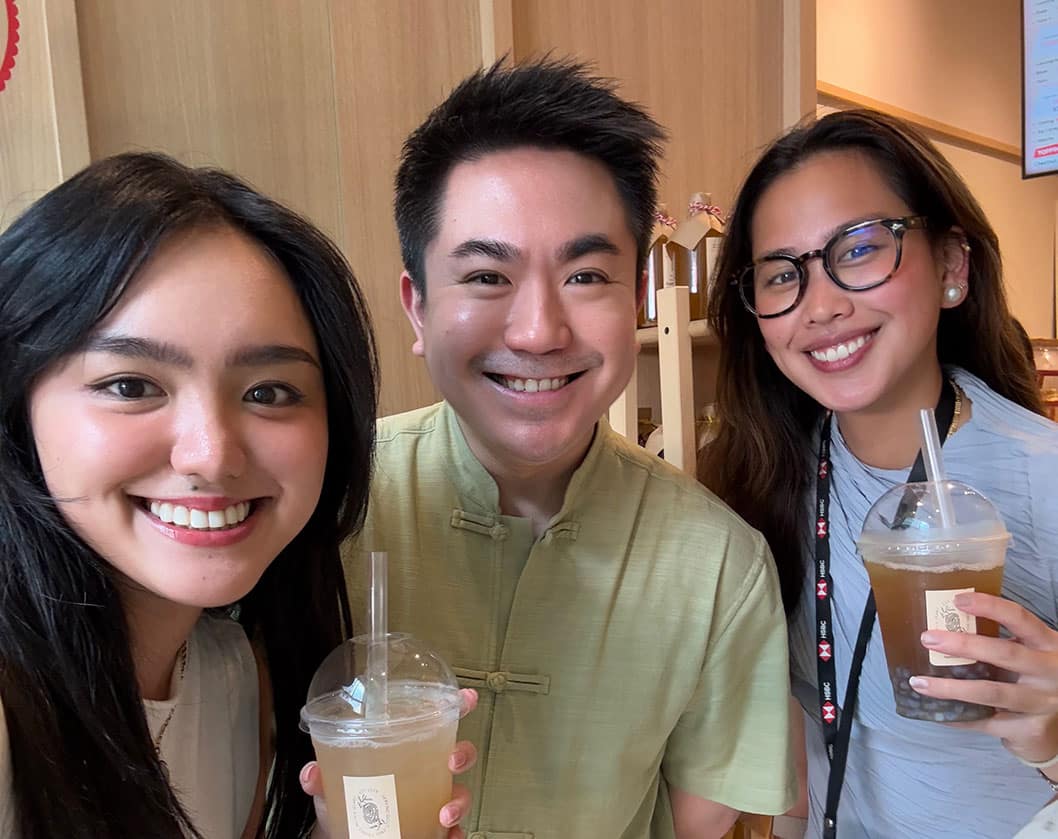
Once I finally landed up at my place in Singapore, I wasn’t able to collect my keys as the building management had a cut-off time for such things, and I could only arrive later. One of my readers-turned-friends picked it up for me. I didn’t have upholstery or utensils, so my friends offered to take me to the mall to go shopping – not that I knew where the mall was. My new place didn’t have an elevator – so my friends helped me lug up boxes to my floor.
To me, this was the power of community in action. My transition to Singapore was so much easier because of the community I had built up prior to arriving.
If there’s anything my move to Singapore has taught me, it’s that everyone should budget for an adjustment period, which would be the first few months in the new place. Use the adjustment period to find your people and to reacquaint yourself with your circumstances.
Advice for younger entrepreneurs
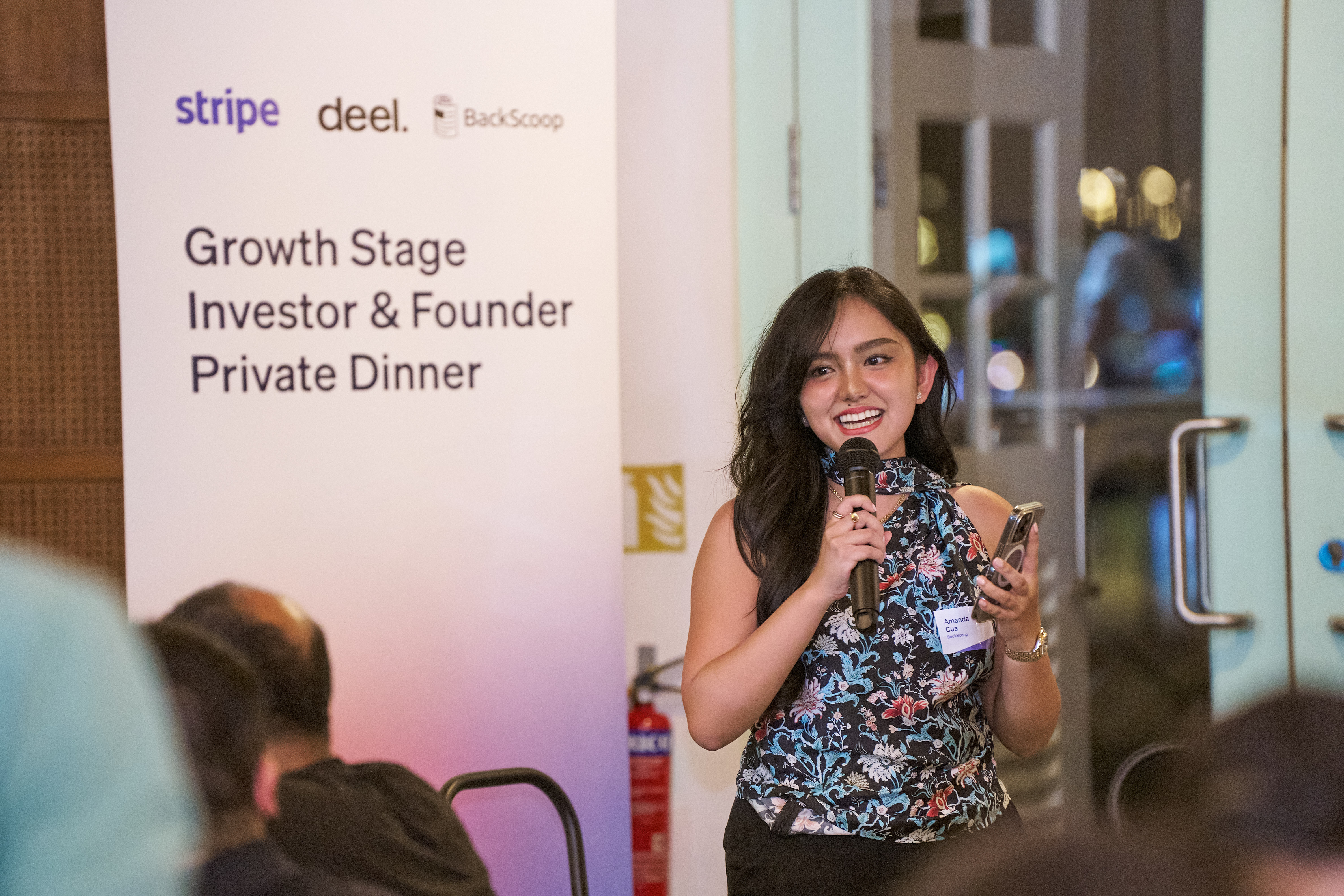
To my fellow founders seeking advice on how to build something – whether that’s a network or company – in Singapore, especially if you’re starting from scratch, here are my tried-and-tested tips.
Connect with people, as much as you can, and as often as you can
You’re allowed to go off-script
That being said, have a plan
Make the most of Singapore
Looking ahead

The great thing about Singapore is that because it is so small, you can easily access the people you write about. It is a place where I can build both a fulfilling career and my life at the same time.
There is no shortage of ambitious and driven people, business opportunities, potential friends, and activities to do. The best part? Singapore is so small, you can easily get to do it all.
So, my plan is to leverage my strategic location in Southeast Asia to meet more business owners in Singapore and the region.
It has also inspired me to think bigger.
We’ve now grown our coverage outside just startups and tech and into traditional businesses.
Currently, I’m working on more in-depth features centering business owners and their perspectives, and I want to cover businesses of all sizes – SMEs, conglomerates, and more.
The current path I’m walking on has me making a lot of difficult decisions and trying to figure out how to navigate barriers meaningfully.
Sometimes I wonder, if I had never turned down my college acceptance offer, I would have never embarked on this crazy trip to Singapore. The business I’m building and the choices I’m making have put me on a path where the world has handed me more and more opportunities. I’ve become more open-minded and receptive, and I’m a lot happier. I know what I want.
I’m more open, as a person. I’m able to strike up a conversation with just about anyone. I’ve said yes to so many different experiences.
And I believe in my own ability to achieve more than I’ve ever believed I could.
Now that I’ve discovered what I’m capable of and my own ability to grow, I feel like the world is so unlimited. After building my business, and making the choices I made, life became infinitely more rewarding.
About Amanda
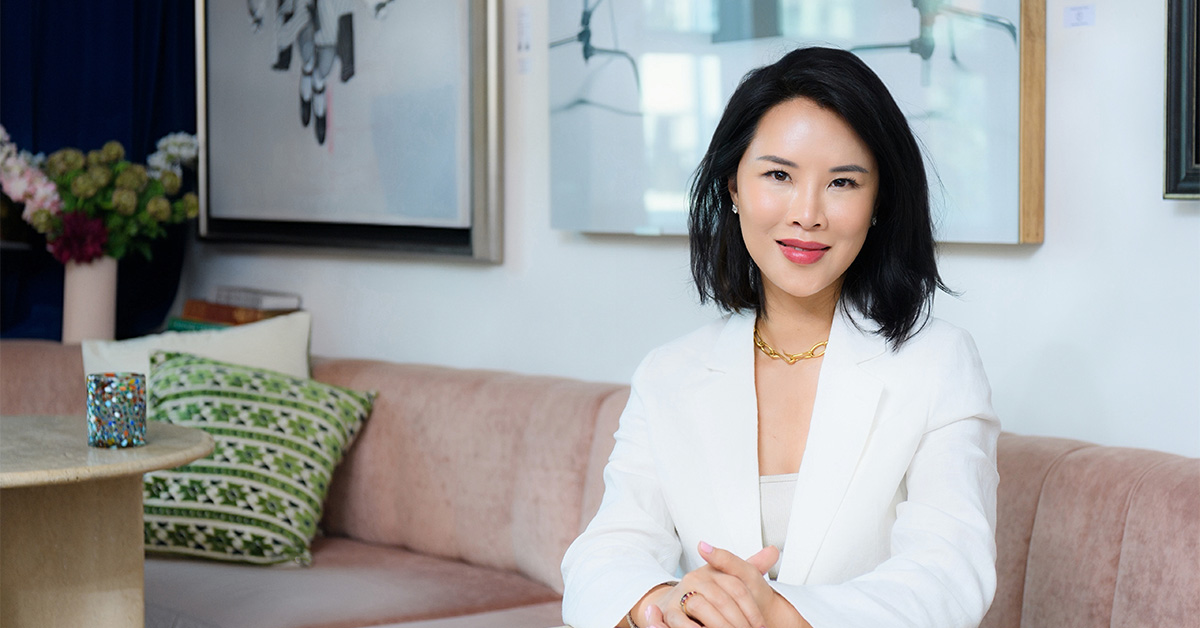
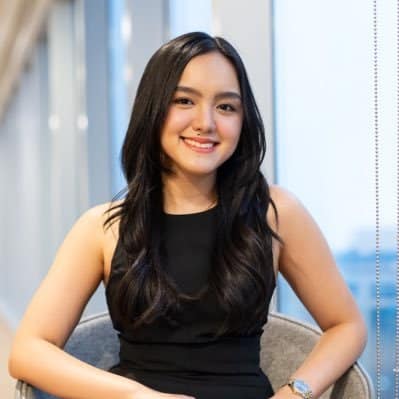
She founded BackScoop, an online newsletter providing bite-sized content on startup and business news, from her bedroom in the Philippines. Currently in Singapore, Amanda is currently in conversation with the biggest names in the Southeast Asia tech startup ecosystem.
Connect with her here.