By SGN | Updated 8 Dec 2025
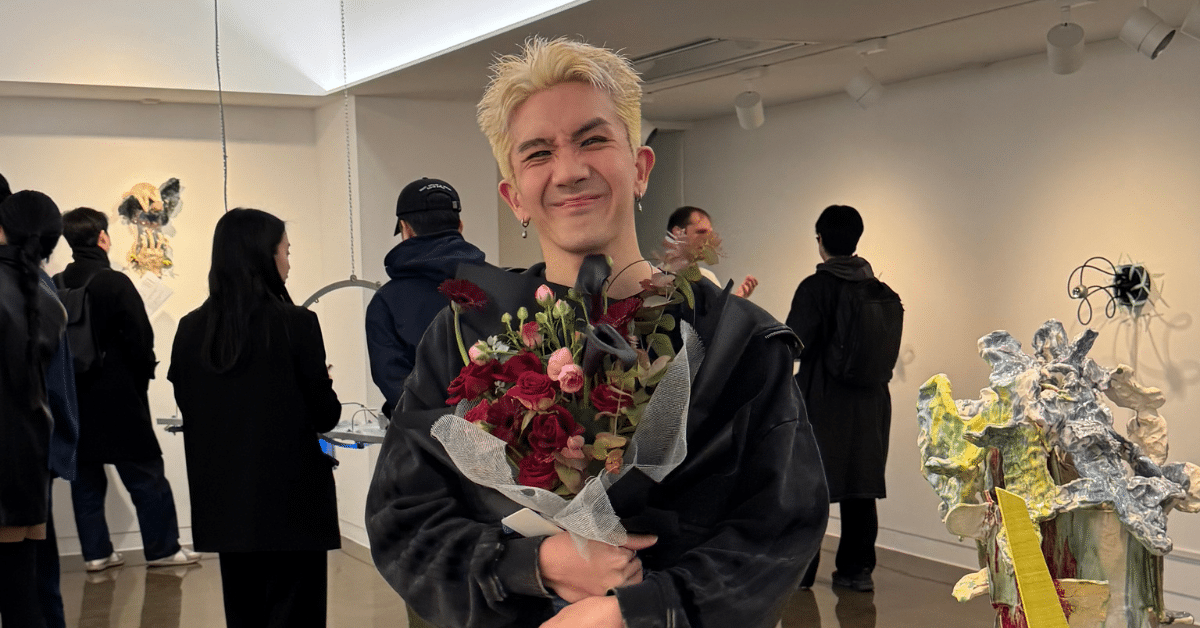
It’s not every day that one gets to work with the most coveted pop stars in the world.
But this has been a reality for Singaporean filmmaker Choānn, who first made waves with his debut film, Dreaming Kester at the 22nd Singapore International Film Festival (SGIFF) in 2009; breaking records as the youngest finalist in the history of the festival at the time.
Besides having his works featured at a slew of international film festivals, Choānn’s filmmaking skills have landed him substantial opportunities with some of the world’s foremost entertainers.
But long before he was busy courting the attention of famous pop stars, he was an awkward teenager making films on a recycled handy cam, lovingly crowdsourced by his art teachers, Miss Chan and Mr Liong.
Kickstarting a filmmaking career at age 15
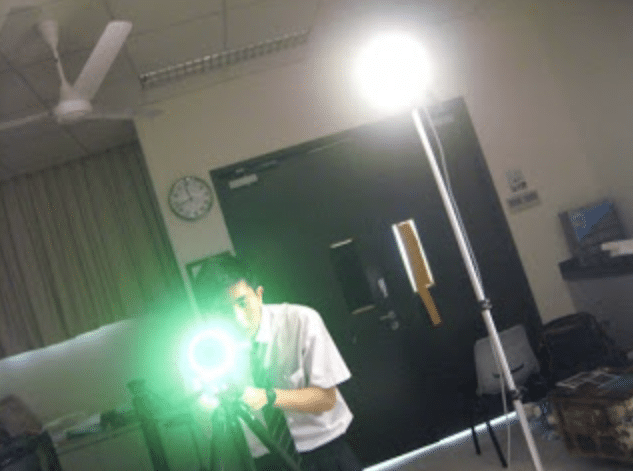
Choānn’s first brush with creating cinema was at the tender age of fifteen. He had explored other mediums like oil painting and illustration and even considered becoming an animator at one point.
Yet, it was film he gravitated towards repeatedly.
His school offered a video workshop programme, which he decided to enroll in. To his surprise, it gave him plenty of room to experiment visually—an experience that sparked his love for the art form.
His first short film, Dreaming Kester, was created with no frills and on a shoestring budget.
Dreaming Kester follows the story of a boy who is accosted by a cult-like organisation, intent on forcing him to grow up. The boy resists, and travels back in time to meet his imaginary best friend (made from cardboard boxes), so they can examine his childhood memories together, as an antidote to growing up.
“The story is an allegory for what I was experiencing right before I went off to the army,” he explains. “It was a manifestation of my own fear of growing up.”
Taking on the roles of director of photography, sound engineer, costume stylist, and even makeup artist, he wore many hats to bring the project to life. “It was exhausting,” he recalls, “but it taught me how every department, no matter how small, comes together to create movie magic.”
And while he cringes at his juvenile creations today, the movie’s inherent charm and innocence won audiences over, when it was screened at local and international film festivals like Singapore Short Cuts, SGIFF, and Asian Hot Shots Berlin.
Notable Singaporean filmmaker and judge for that year’s proceedings, Royston Tan, approached him to let him know that Dreaming Kester had left him in tears.
Choānn was taken aback, knowing how amateurish the movie was. “But it was heartening to see that people resonated with the film’s sincerity, rather than my technical proficiency.”
And while his storytelling skills and technical abilities have evolved and improved by leaps and bounds, the childlike sincerity of his younger self is something that he hopes to maintain in his later works.
“Dreaming Kester taught me what it’s like to be a filmmaker, to have a vision, and to fight for it,” he explains. “And to create art with a strong emotional centre of gravity, so people can resonate with it.
Courting international pop stars
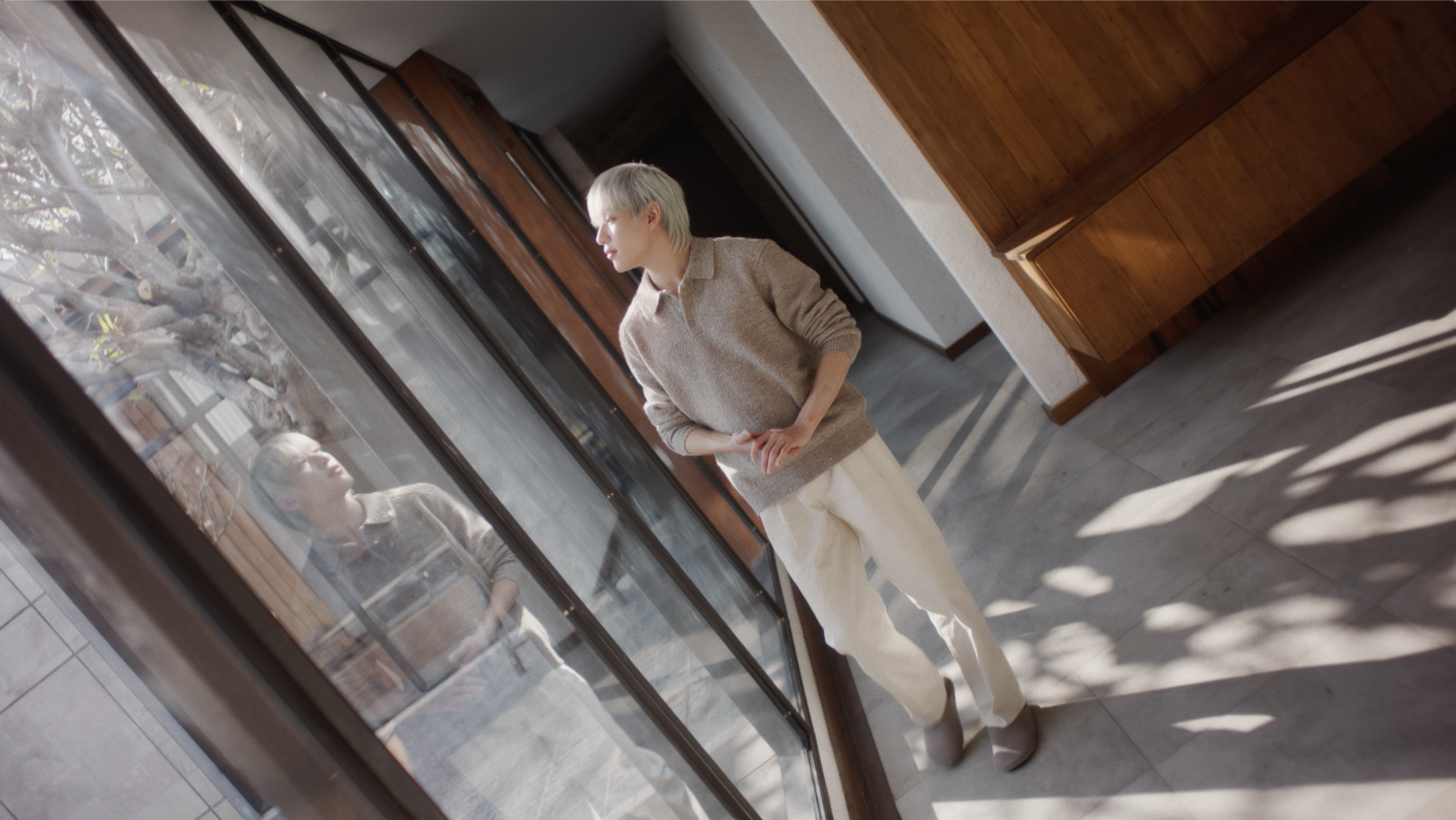
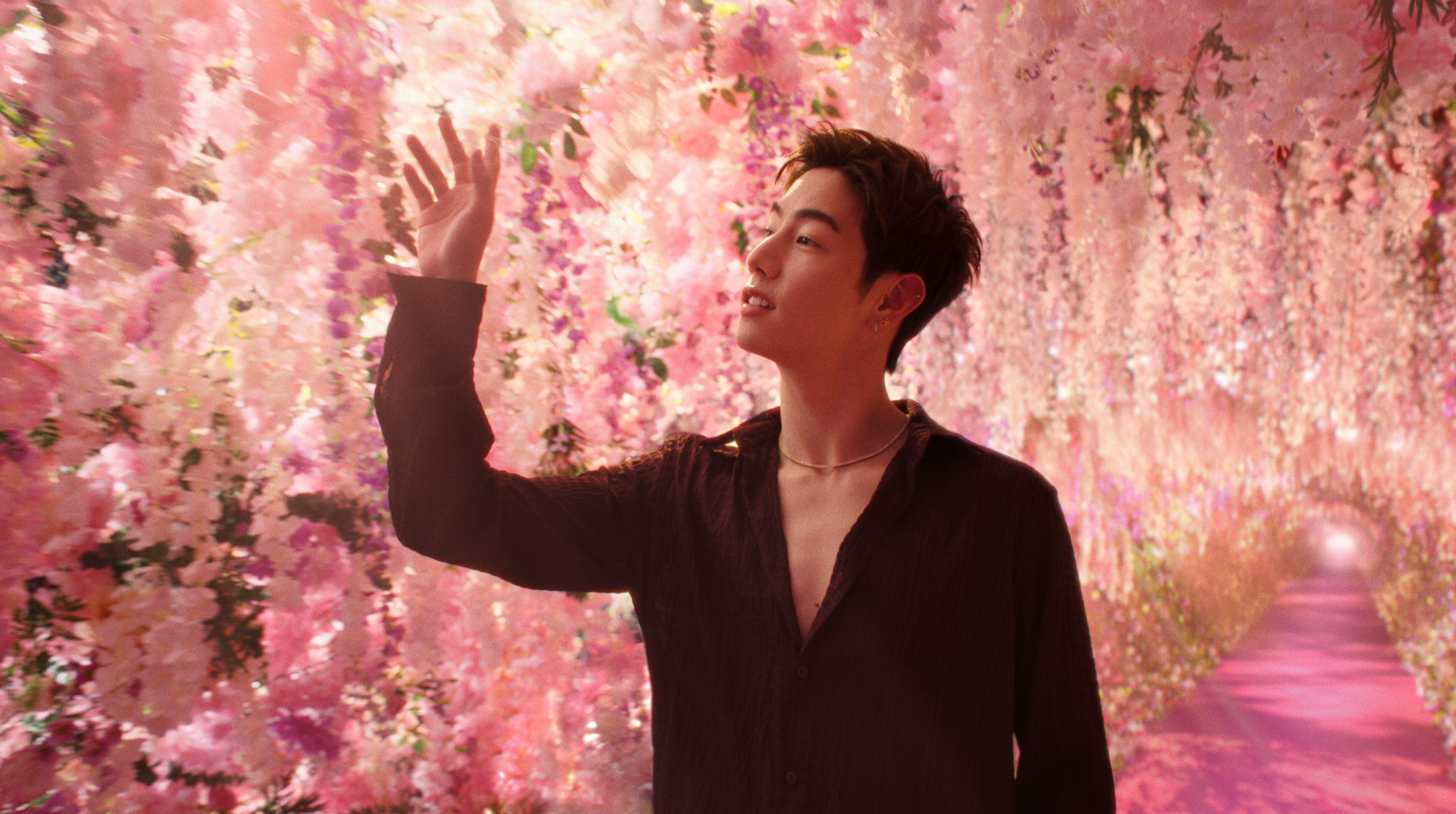

Dreaming Kester was just the start. Over the years, Choānn has built a stacked resume, which includes pop stars, drag queens, celebrities, and more.
One of his fondest memories was working on a music video for Pink Dot SG that spotlighted local drag queens—many of whom had lost much of their livelihood when bars and nightclubs were forced to close.”
“Given the COVID restrictions of 2020, Boo Junfeng and the Pink Dot SG team were looking to create a sense of excitement for viewers online.”
“Suddenly, I was added to a group chat with ten other drag queens, and the ideas just kept popping off. It didn’t matter that resources were tight – ideologically for me, it aligned with what I was trying to do,” he explains.
“As an artist, I wanted to platform the people who deserved a voice and representation. Especially drag queens in Singapore, who deal with a lot of societal backlashes.”
Managing these larger-than-life personalities was a little hectic. “Everyone was treating the project as their pièce de resistance. So, my challenge was to create a concept that made both the drag queens and Pink Dot happy,” he says.
Finally, Choānn stumbled upon the winning idea: placing drag queens in quintessentially Singaporean spaces, like kopitiams (food courts) and HDB (Housing & Development Board) blocks.
“These spaces might have rejected or shunned them in the past, so why not have the queens ‘reclaim’ them for a night?” he reasons. “We’d also be giving these typically ordinary spaces a “drag up”. At the end of the day, drag is about extravaganza, and celebrating self-expression.”
The reception to this idea was overwhelmingly positive. “The entire community of queer creatives showed up for each other so meaningfully. Everybody brought their skills and expertise to the table in a way that ensured an excellent final product,” he comments.
In contrast, directing Billie Eilish and Finneas’s music videos for the songs TV and The 30th, in collaboration with Singapore Tourism Board (STB) and Universal Music was a more stringent process.
The timelines were exceedingly tight, and Billie was operating on a hectic schedule. She had requested to sing live, and for the video to be done in a single take. For STB, they wanted the video to be shot in an iconic Singapore attraction.
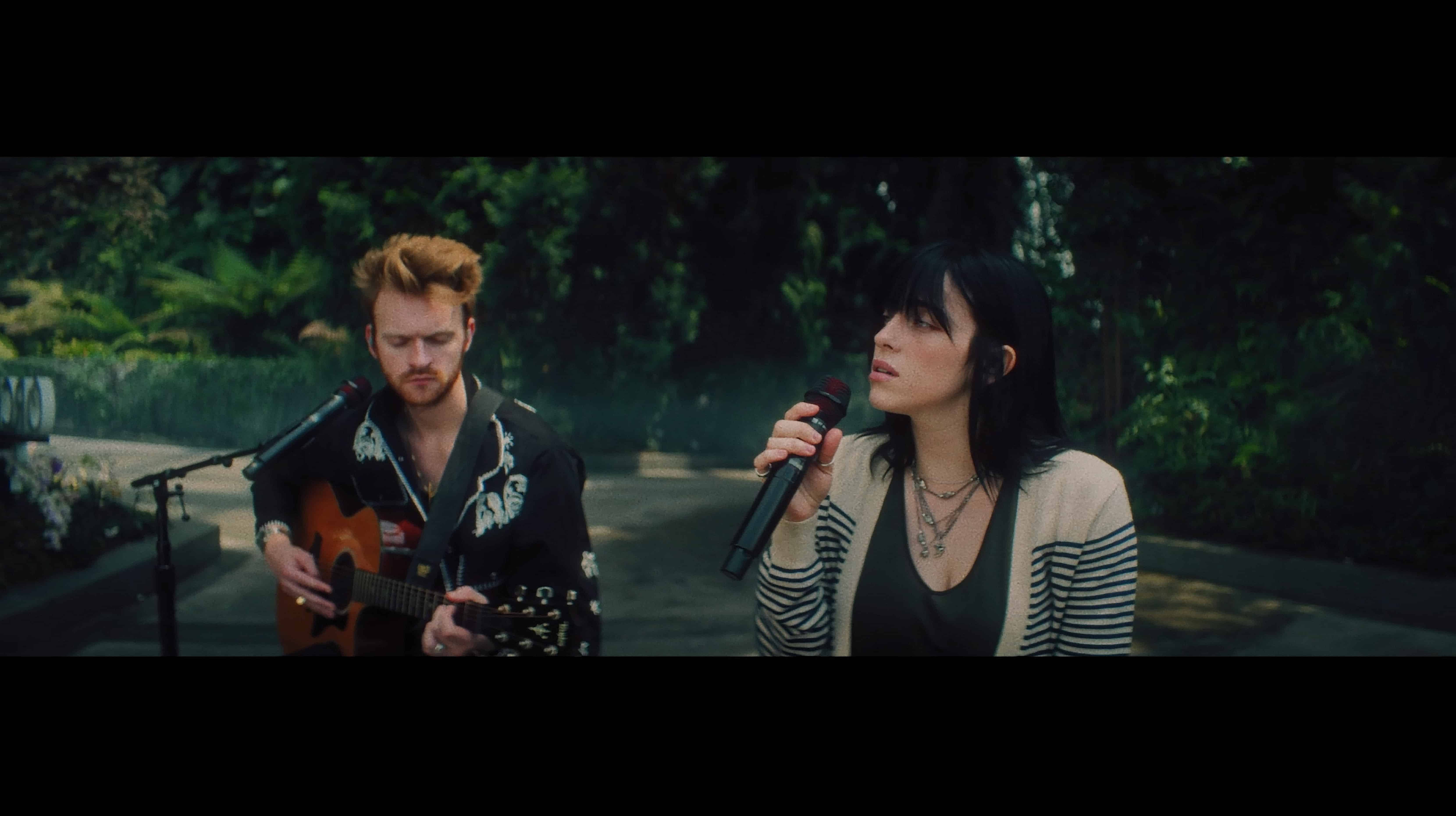
Upon listening to the quiet, stripped-down vocals of Billie’s album, he realised his options were limited. “Singapore is quite flashy, and a lot of our famous local attractions are man-made. “We don’t have a little stream for her to sit by, as she sings her songs,” he says, with a chuckle.
Then inspiration struck.
To meet both STB’s request and Billie’s own desire to perform in a venue reflecting her grapple with existentialism, Choānn suggested the Cloud Forest at the Gardens by the Bay.
“I wanted the video to look like she and Finneas were singing from inside a snow globe, which represents the echo chamber she references in her songs,” he recalls. Much to his relief, Billie and other stakeholders liked the idea, and the project was greenlit.
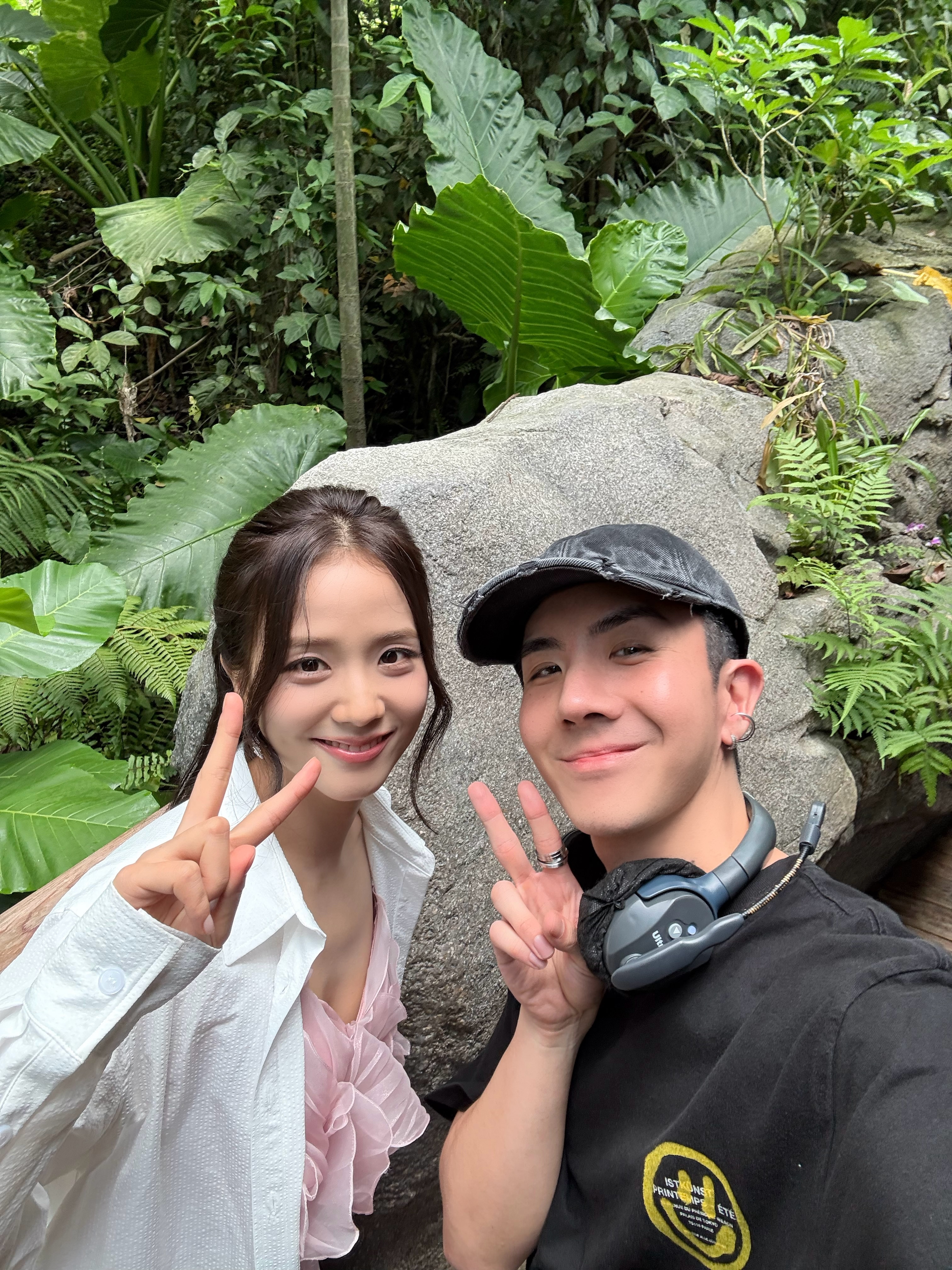
Billie Eilish isn’t the only megastar on Choānn’s Rolodex. He recently directed BLACKPINK’s Jisoo in a music video shot entirely in wildlife park Mandai Wildlife Reserve.
This project marks the second time Choānn has been courted by the Singapore Tourism Board (STB) to direct a music video for an international music star. “I’m super thankful for the opportunity to shoot Jisoo’s “Your Love” music video,” he shares, revealing that the opportunity for the project came about from the Singapore Tourism Board.
He flew back to Singapore from Los Angeles—where he is currently based—to shoot the video and did not tell a soul. “The entire experience was surreal, but I am extremely proud of what we achieved in such little time,” Choānn reveals. “I’m also very grateful to Abundant Productions for their support.”


Besides Billie and Jisoo, Choānn has also created music videos for local musicians like Jasmine Sokko, with whom he has built up a strong creative rapport over the years.
In working with artists, he makes it a point to learn about the personal and creative journeys that led them to create their art. He strives to stay true to the artist’s creative vision, though at times he must strike a compromise to satisfy management expectations.
“Every artist has a different focus on how they want to present themselves to the world, and it’s like working with different brands. Some have detailed brand guides, and some are more free-form,” he shares. “I think a lot of my job is pre-emptive guessing and praying I’m right.”
The challenges of filmmaking, and the way ahead
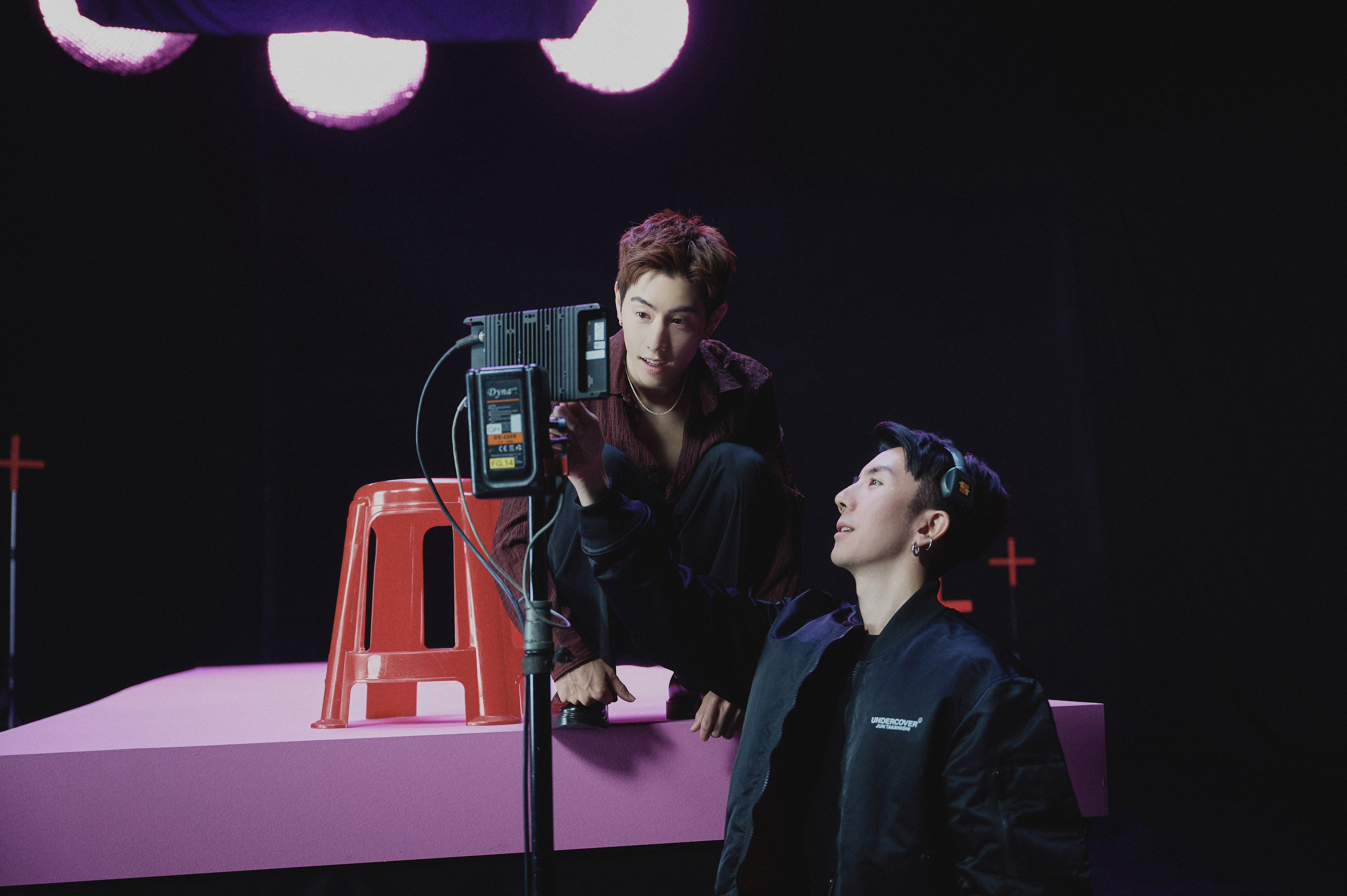
Above all, filmmaking is a group project, and collaboration brings its fair share of brickbats.
“When you’re working with artistic people, everyone has their own creative sensibilities they want to bring to the table,” he explains. “As a director, you need to manage different egos. How do you compose a vision that looks cohesive while balancing everyone’s needs and wants?”
A big part of being a director is people management. “How do you inspire people to feel proud, to rally them, to make them excited to create art? These are questions I must grapple with,” he shares.
It’s also no secret that making films is an expensive endeavour.
“You need to save money before you can start thinking about creating your passion project,” he comments.
“There are a lot of conversations about pursuing your dreams and passions, but no one talks about being financially stable enough to fund it. One of my biggest challenges is being able to balance my commercial work with my passions, so I have enough money to make what I love.”
The remedy, he explains, lies in disciplining oneself. “You can’t make art without money, and money doesn’t come out of nowhere.”
For the Los Angeles-based Choānn, geopolitics and industry-altering technological advancements compound the issues faced by filmmakers like himself.
“In LA, filmmakers from around the world are trying to make a name for themselves. So far, I’ve run into Russian, Australian, Chinese, European filmmakers, and we’re all in the same boat. Like me, they uprooted their lives to prove themselves in the entertainment capital of the world. No connections, no advantages.”
When overseas, Choānn is often the only Singaporean in the room. “I do feel a sense of pride, because as a Singaporean, I’m trying to make a difference. Whenever I’m in a new space, I feel a certain responsibility to show up in the best way possible. I’m proud to be Singaporean.”
While Singapore’s own film industry is still on the rise, it offers benefits and advantages that people may take for granted, he says.
“With regards to our country’s economic, political, and social spheres, we have it easier than a lot of countries. To young Singaporean filmmakers, I say, go out there and soak up all the knowledge you can.”
“Get used to having to fight for your creative vision and ask yourself what comforts you’re willing to give up to achieve your goals.”

About Choānn
Choānn is a Singaporean film director whose works have been displayed at major film festivals like SGIFF, Red Sea Shorts Competition, 48 Hour Film Project, and more. He is currently based in Los Angeles.
Connect with him here.