By SGN | 23 Jun 2025

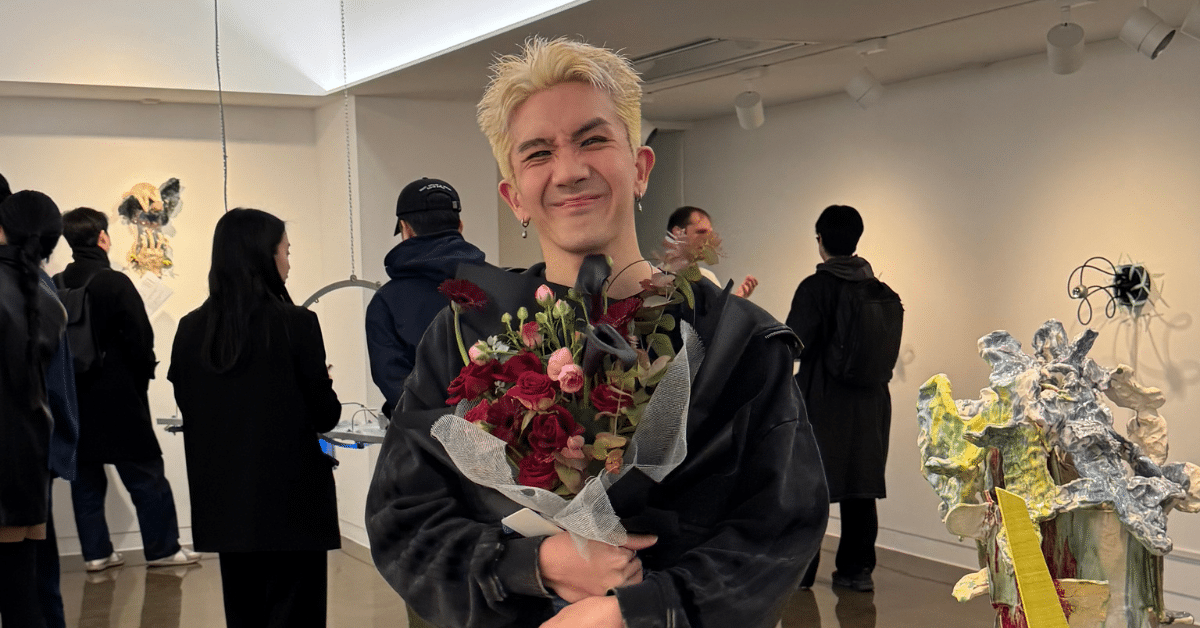
Kenny Wongchamcharoen is no stranger to Singapore. He first arrived as a teenager on an ASEAN scholarship and spent his secondary school and junior college years here, times that shaped both his education and personal growth.
So, when the chance came to return for a summer internship from May to August 2024, he jumped at it without hesitation.
“Singapore has always held a special place in my heart,” Kenny says. “It wasn’t just about catching up with old friends or teachers. I wanted to experience the city anew, as a working adult this time.”
Now studying Industrial Engineering, Data Science, and Mathematics at UC Berkeley, Kenny was drawn back to Singapore’s unique mix of innovation, global connectivity, and cultural diversity.
“After two years in the US, I have come to appreciate how thoughtfully Singapore is designed both as a place to work and to live,” he reflects.
Last summer, Kenny joined the venture studio xcube, diving into a fast-paced startup environment where he could apply his skills and grow. He viewed this opportunity as more than an internship, seeing it instead as a chance to reconnect with a city in which he had spent his formative years.
Why a summer internship in Singapore
Kenny’s decision to pursue his internship in Singapore was informed by more than just fond memories. It was a deliberate choice rooted in his passion for startups and fintech— interests that first took shape right here in the Lion City.
While in junior college, he organised Singapore’s very first Interschool FinTech Challenge, an experience that sparked his fascination with finance and technology. One of the judges at the event, Eelee Lau, encouraged him to get in touch if he was ever looking for job opportunities.
That early connection with Eelee would eventually come full circle, leading him back to the city that inspired it all. After finishing his freshman year at Berkeley, Kenny was exploring internship options in both the US and his home country of Thailand.
Although he had several offers from Thai companies, he noticed that Eelee had moved to xcube.co, a Singapore-based venture studio. The startup’s mission and model caught his attention. “I’ve always wanted to build something meaningful from the ground up, rather than taking on a small, defined role in a large corporation,” Kenny explains.
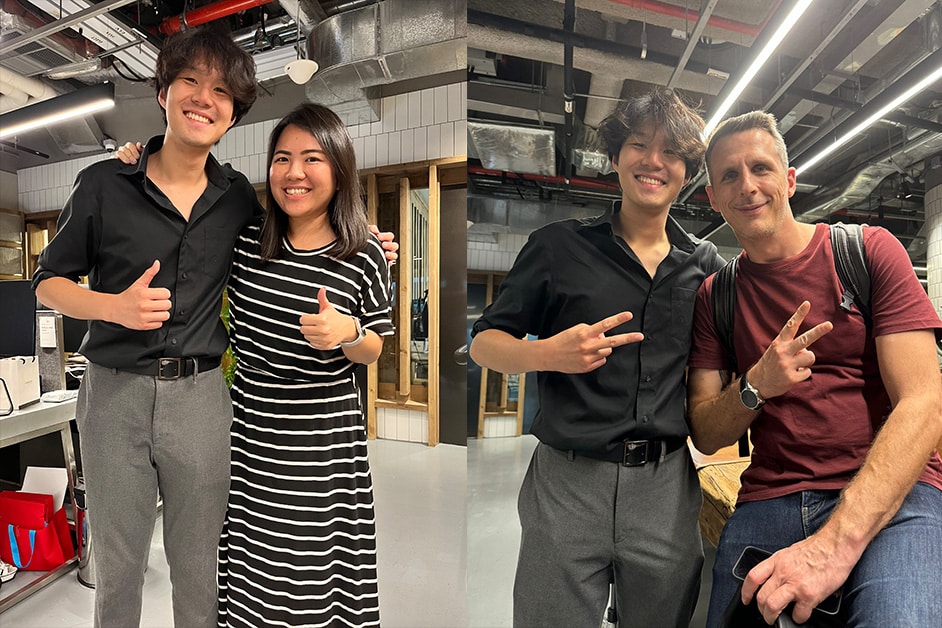
Recognising the potential fit, he reached out to Eelee on LinkedIn. In turn, she introduced him to Sebastian Picard, the CEO of xcube.co, who shared more information about the product analyst role.
“After our Zoom call, I felt strongly connected to the team, because their energy really resonated with me,” he recalls. “The product analyst role seemed to align greatly with my skills and interests, so that worked out really well.”
Beyond just nostalgia, what pulled Kenny back to Singapore was its energy, a place where innovation, diversity, and global ideas come together. With its thriving startup scene, he saw it as the perfect place to put both his Berkeley-honed skills and bilingual edge to good use.
Moreover, as a student of Industrial Engineering and Data Science, Kenny also appreciated how Singapore leverages data and optimisation across sectors like logistics, fintech, and urban planning.
“Singapore feels so clean and organised, and things just work smoothly. It’s the kind of place where you can really focus on growing, both in your career and as a person,” he explains.
“Ultimately, choosing Singapore over Thailand and other options made the most sense,” Kenny reflects. “I wanted to be part of the startup ecosystem that shaped me and apply what I learned at Berkeley.”
A smooth experience with the Work Holiday Pass
After landing the internship with xcube.co, the next step was figuring out how to make it all happen — legally. That’s when Kenny applied for the Work Holiday Pass, a scheme that lets students and recent grads work in Singapore for up to six months.
“The application process was honestly much smoother than I expected,” Kenny shares. He submitted everything online through the Ministry of Manpower (MOM) website, including his university enrolment letter and passport details. “The instructions were clear, and MOM was very responsive. I didn’t run into any major issues at all.”
Before flying into Singapore, Kenny received a temporary approval letter that allowed him to enter the country — but there was an important caveat. “You get a temporary approval first, but you can’t legally start work until you’ve received the actual card,” he explains. “Some people don’t realise that, and technically that’s not allowed.”
Once in Singapore, he had to book an appointment at MOM to finalise everything. “It was pretty efficient. I just had to get my fingerprints and photo taken, and then they issued me the physical pass. After that, I could start work straight away,” he recalls.
The whole process took just over a week, which was much quicker than Kenny had expected. “The only thing I really had to double-check was whether I met all the eligibility criteria, especially the age limit and university status,” he recalls. “I’d suggest others do the same. It’s easy to overlook the small details.”
For anyone considering the WHP, Kenny suggests preparing your documents early and keeping a close eye on emails from MOM. “They’re quite fast, and you don’t want to miss any follow-ups,” he advises.
Another tip? Sort out your accommodation ahead of time. “I was lucky to stay with a friend, but finding short-term housing in Singapore isn’t always easy. Airbnb residences do not allow for stays under three months unless it’s a serviced apartment. Co-living spaces or student residences are probably your best bet.”
Kenny also wants to clear up some common misconceptions about the pass. “Some people think employers might be hesitant to hire WHP holders, but that wasn’t my experience. Once I explained that the pass doesn’t require employer sponsorship and lets you work legally for up to six months, most companies, especially smaller startups, were very open to it.”
He adds, “Another myth is that the WHP is only for service or hospitality jobs. In reality, the application process is straightforward if you meet the criteria, and the pass allows you to work across many industries. I worked in tech and venture building, and I know others who interned in finance, consulting, and more.”
“Overall, the WHP experience was really smooth,” Kenny concludes. “If you’re thinking about working abroad, I’d definitely recommend it. It’s a great way to experience Singapore while gaining international work experience.”
What Kenny did and learned at xcube.co
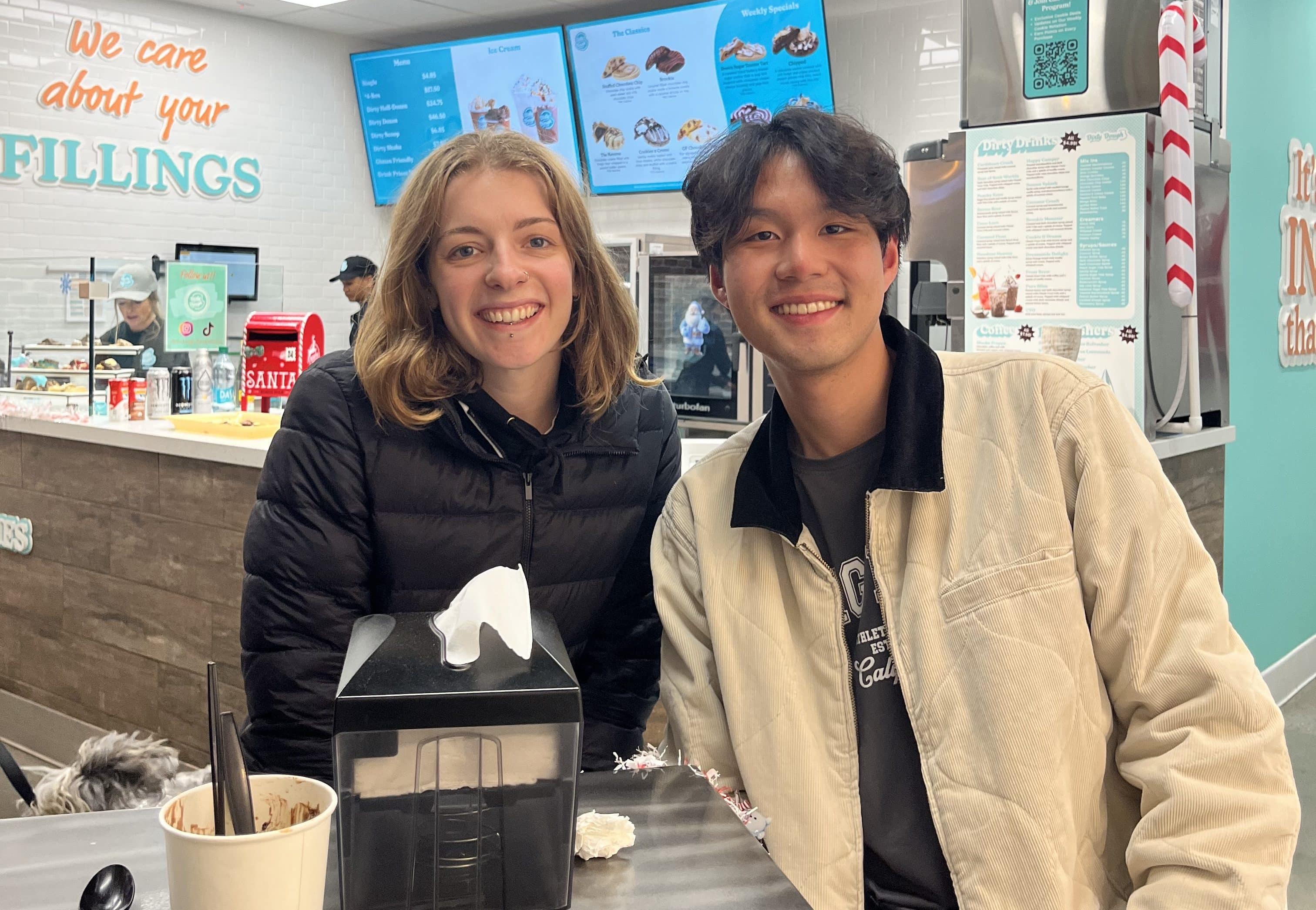
Kenny’s stint as a Product Analytics Intern at xcube.co gave him a front-row seat to the fast-paced world of venture building.
His days were spent diving into data analysis, business modelling, and forecasting, all with the goal of shaping a fresh ecosystem of startups to pitch to investors. “What really struck me was how much the role blended analytical work with creative thinking,” he recalls.
But Kenny’s contributions went well beyond numbers. He helped craft a sharp two-page introduction, an investor pitch deck, and a detailed industry report that mapped out market opportunities and brought the venture ecosystem to life.
“I even got to scout promising early-stage startups and brainstorm team setups for future projects,” he adds. “It was exciting to be involved in every stage of the process.”
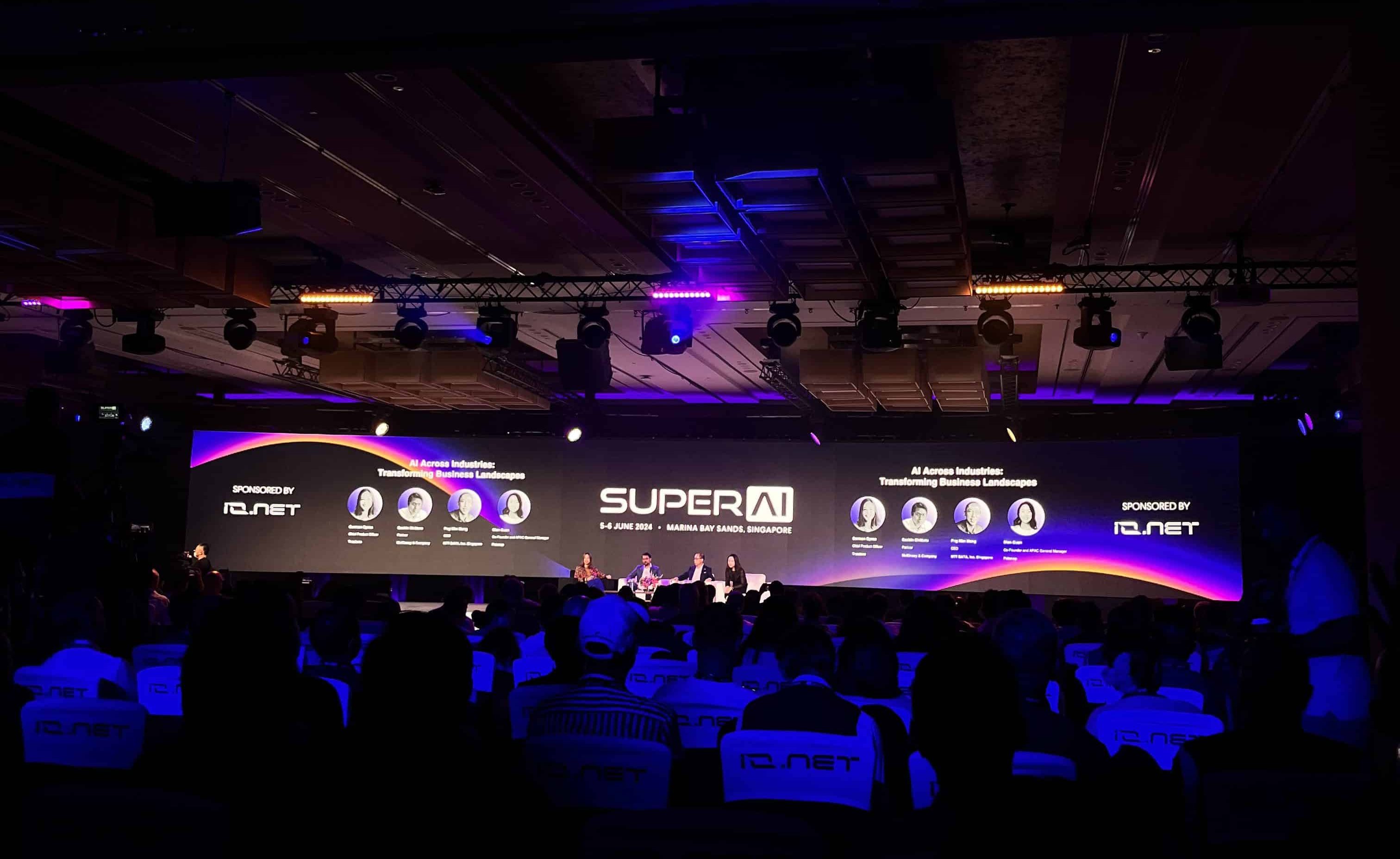
He also attended his first tech conference during the internship, which offered a clearer view of Asia’s dynamic and fast-evolving tech scene.
This experience pushed Kenny to think about product strategy from a much broader perspective. He quickly realised that success isn’t just about good data or building a great product. Rather, it came down to understanding market values, local behaviours, and the legal frameworks shaping possibilities.
He found it fascinating how regulations around emerging technologies like digital assets and crypto vary widely across Asia. “Singapore is often seen as a tech-forward hub, but the regulatory environment can be quite strict. Meanwhile, countries like Bahrain are more relaxed and actively courting crypto innovation. That was a revelation for me,” he explains. “It really showed how much regulation influences how and where innovation can thrive.”
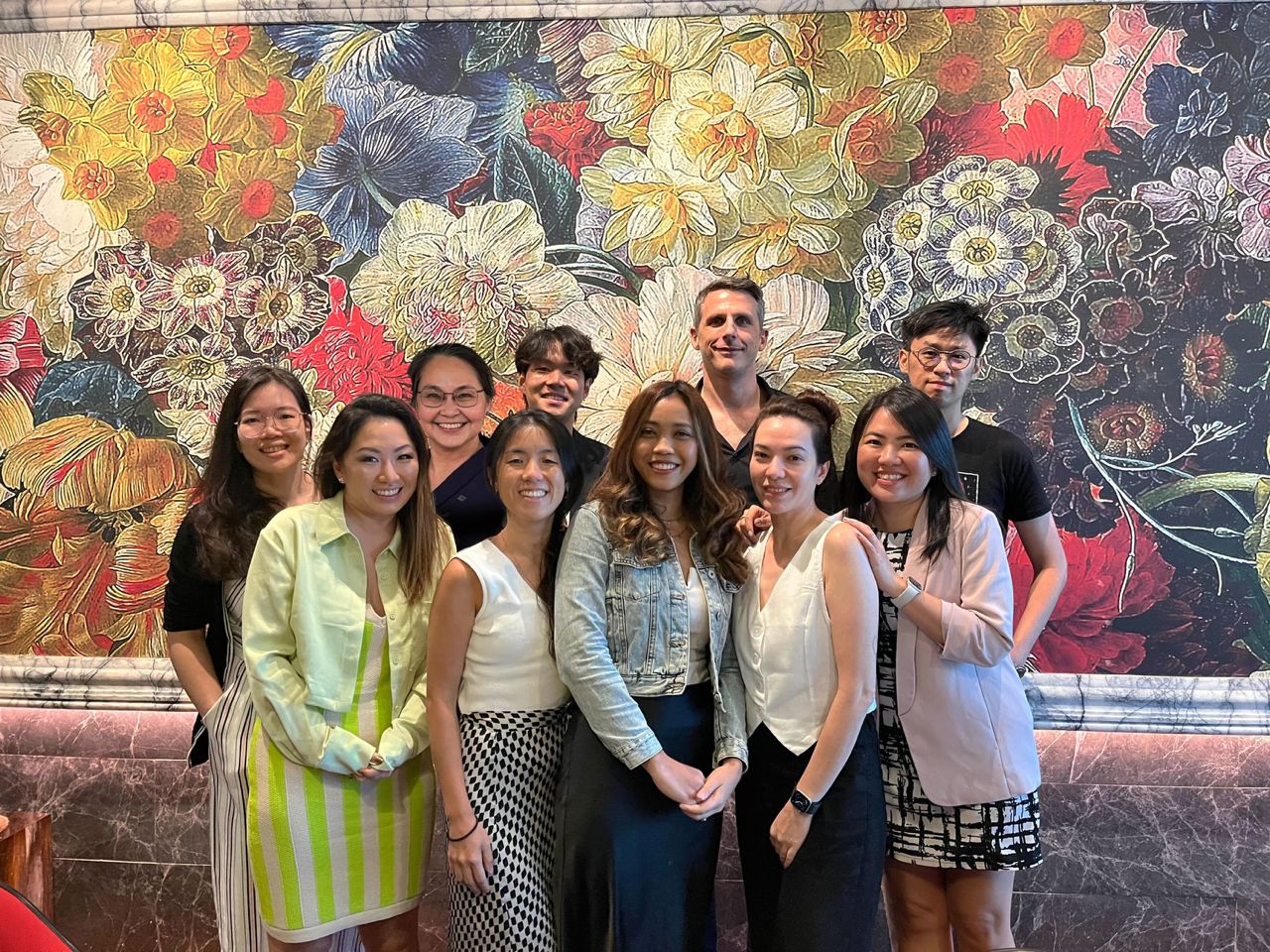
Kenny was also struck by the company culture at xcube.co. Despite being based in Singapore, the team was multicultural, with colleagues hailing from Singapore, Malaysia, UK, and the US. To top things off, the company had a French founder.
This created a workplace that wasn’t traditionally “Asian” but rather global, open, genuinely collaborative, and, in Kenny’s words, “very similar to what I’ve experienced in the US.”
He valued this flat hierarchical model where age or job title didn’t restrict contribution, and he felt comfortable pitching some of his wildest ideas to Sebastian, the CEO, who never dismissed any suggestion outright.
“I never felt like I had to hold back,” Kenny mentions. “Some of my best moments included pitching far-fetched ideas to Sebastian and receiving thoughtful, constructive feedback. He challenged me to think deeper, question my assumptions, and refine my storytelling.”
Kenny also valued the way feedback was delivered: always direct, yet respectful. No idea was ever labelled ‘stupid’. The occasional invitations to lunch from his boss and colleagues only strengthened the feeling of an open environment, where ideas flowed freely without office politics or rigid seniority.
“It reminded me a lot of the startup culture in the Bay Area: open, energetic, and inclusive. I absolutely loved it,” he adds.
A long-awaited return to his second home
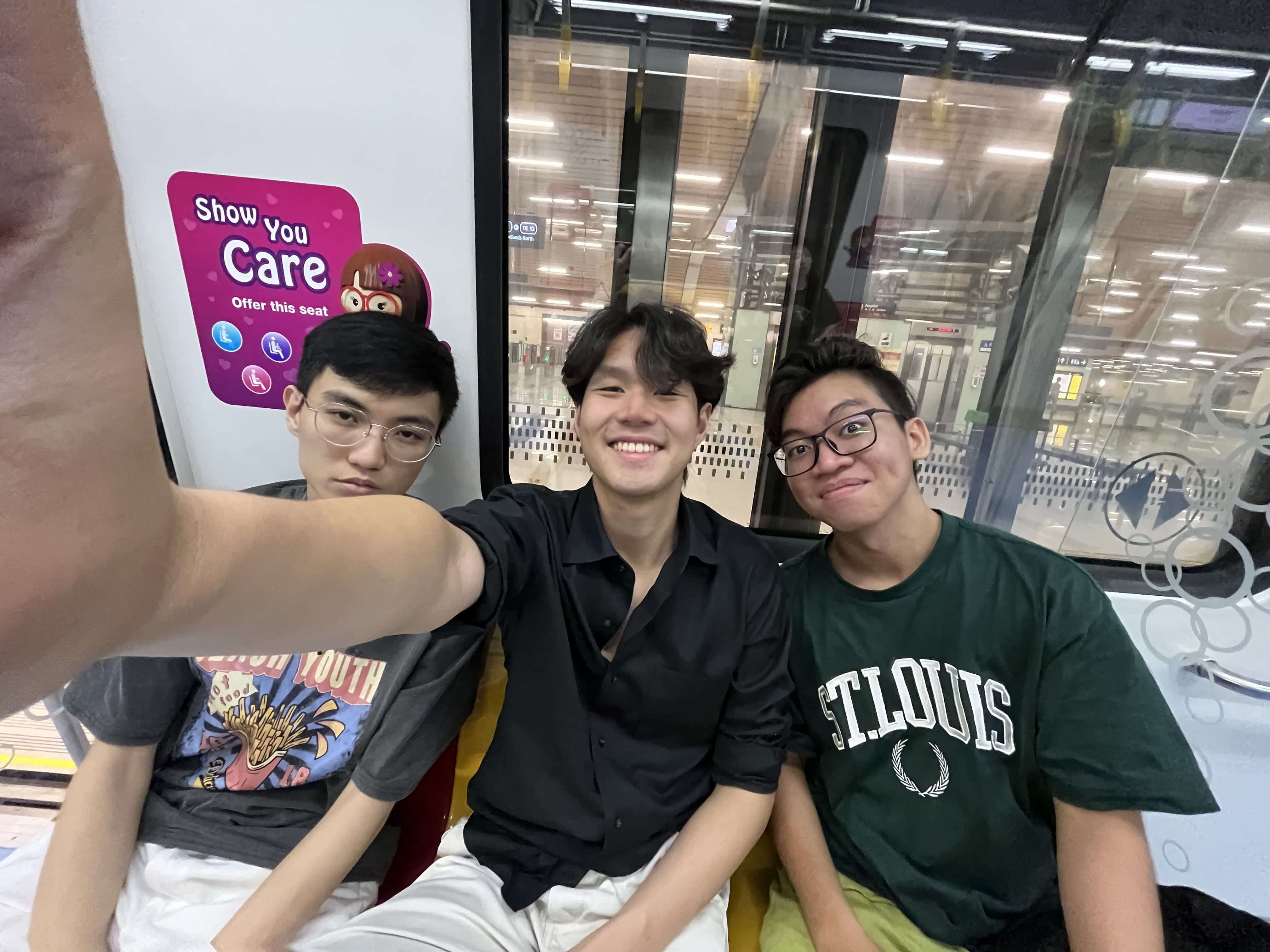
Returning to Singapore felt like slipping back into a familiar rhythm for Kenny. After spending four years studying in the city-state, it wasn’t a fresh start — it was a homecoming.
Still, he remembers the little surprises from his first arrival. “Singlish took some getting used to,” he says with a smile. The rapid-fire mix of English, local slang, and accents meant he had to really tune in to catch every word.
People’s blunt communication styles caught him off guard at first too. “Folks can seem a bit direct, but that’s just how they are,” he explains. “Underneath that straightforward style, there’s a lot of warmth and genuine care once you get to know someone.”
And then there’s the famously hot, sauna-like weather that even the Bangkok native struggled to adjust to at first. But Kenny quickly learned to embrace it instead of fighting it. “It’s nothing an iced kopi and a blast of air-conditioning can’t fix!” he grins.
Returning also meant reconnecting with friends from secondary school and junior college, some of whom he has kept in close touch with, even while living abroad. They spend time exploring Singapore and making the most of their time together.
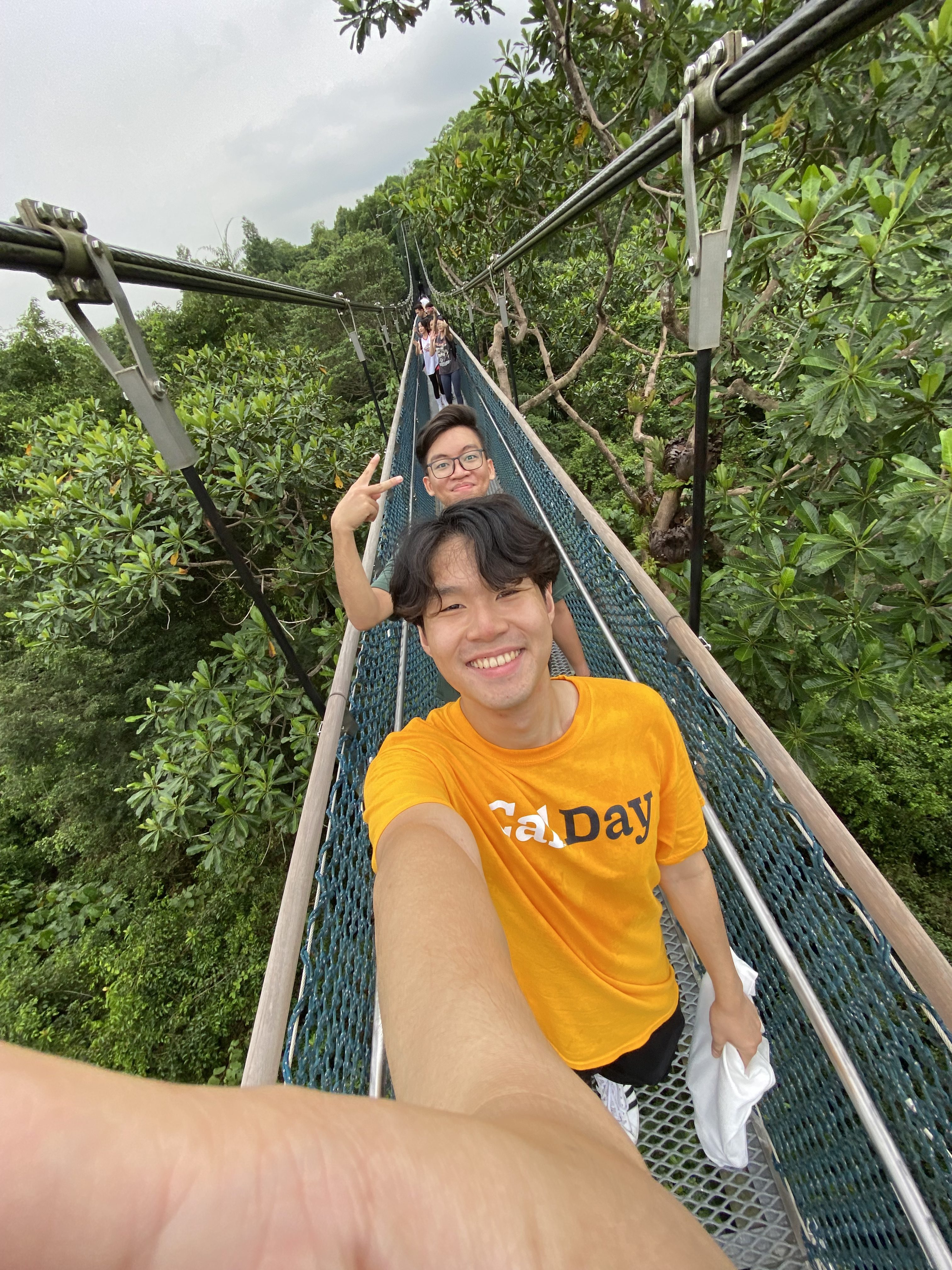
One particularly memorable adventure included Kenny and his best friend from junior college going on a gruelling hike through MacRitchie Reservoir.
“It was a brutal four to five hours of relentless humidity,” he laughs. “But being surrounded by that dense, green rainforest made me realise just how much Singapore treasures its green spaces. It’s like Central Park, but with a wild, tropical heartbeat.”
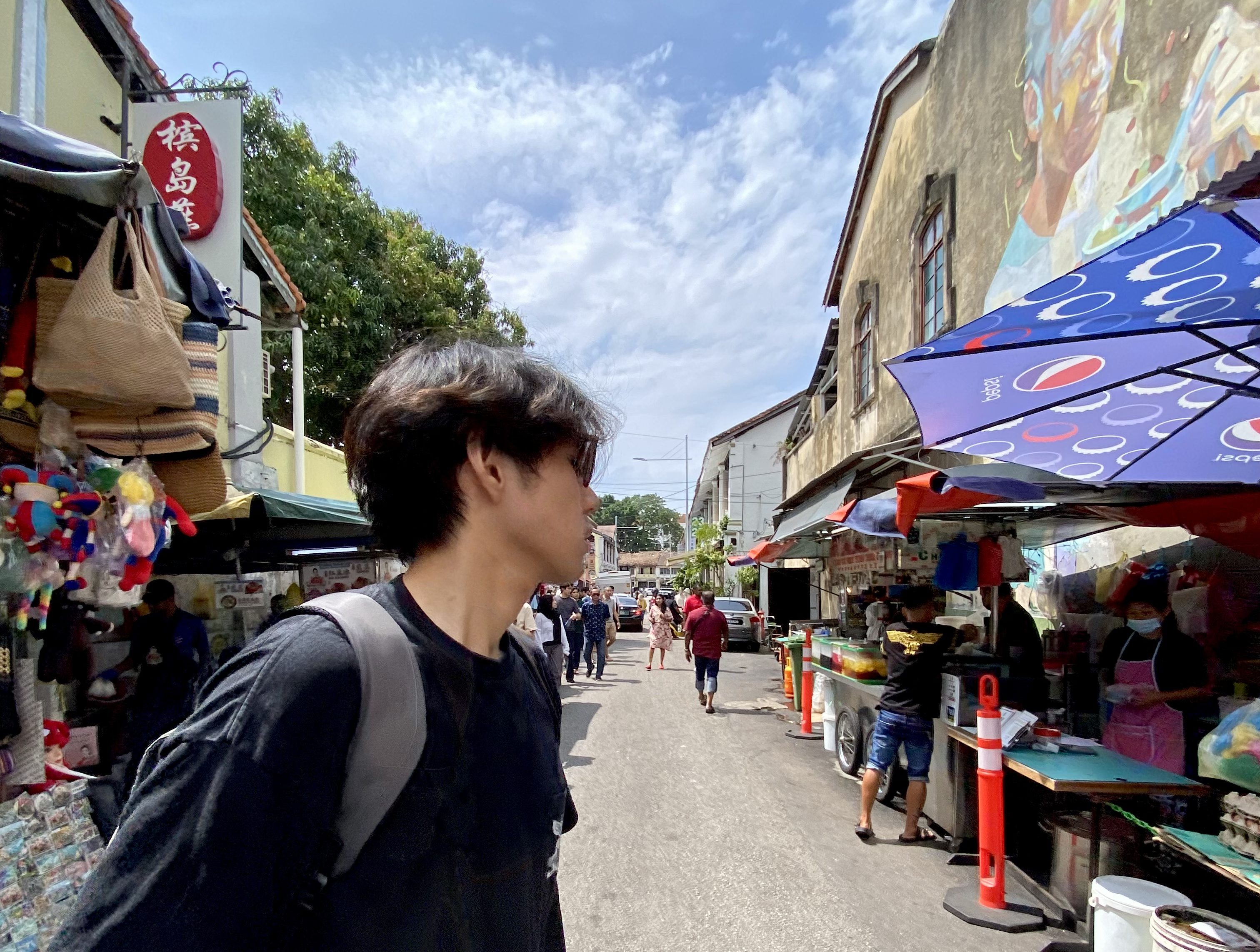
Another unforgettable memory is a spontaneous Chinese New Year road trip all the way from Singapore to Penang. “Crossing into Johor Bahru was total chaos, because literally everyone was on the road!” Kenny recalls. “But the journey was so worth it. The food in Penang, the vibe of the town, it really hit me in that moment how lucky we are to have Southeast Asia right on our doorstep.”
Kenny’s tips, advice, and future plans

For anyone hoping to make the most of the Work Holiday Pass, Kenny’s advice is simple: start early.
“Many companies aren’t familiar with the WHP, so explaining that it lets you work legally without them needing to sponsor a visa can really open doors,” he says.
Reaching out to old contacts also made a big difference. “I got in touch with someone I worked with during a fintech competition years ago, and that connection resulted in my internship. So, don’t hesitate to ask for help! People here want to support you, as long as you show initiative.”
Above all, Kenny highlights the importance of keeping an open mind. “Singapore’s mix of industries and cultures means you’ll learn so much, both professionally and personally.”
Looking ahead, he’s optimistic but thoughtful. “I definitely want to come back to Singapore to work one day. I really enjoyed living here as a student and then working here.”
While he’s also considering spending a few years in the US—either working or pursuing graduate school—he adds, “Singapore’s tech and startup scene really excites me. I can absolutely see myself returning to build a meaningful career here.”
“In my eyes, this journey has been one of growth. Adapting to a new culture means staying curious and open. Every step is a chance to learn and evolve. As long as you take initiative and have an open heart, you can find a place that feels like home — no matter where you come from.”

About Kenny
Kenny is a rising junior at the University of California, Berkeley, studying Industrial Engineering & Operations Research and Data Science. He is passionate about startups, product strategy, and using data to solve real-world problems. An ex-ASEAN scholar who studied in Singapore before moving to the US, he recently interned at xcube.co in Singapore under the Work Holiday Pass.
Connect with him here.