By SGN | 21 Apr 2025
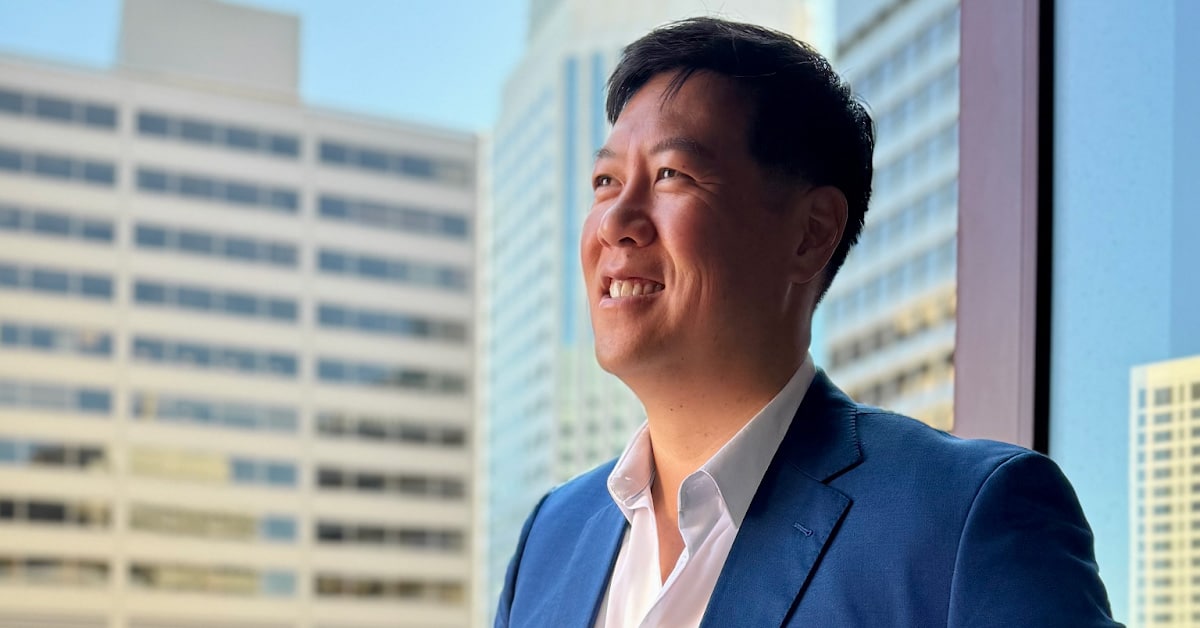
Chinese-American Ronald Cheung didn’t follow a carefully charted career path; his journey has been anything but predictable.
Born and raised in New York City, he has since found himself in places he never expected. From working in recruitment and marketing in the US, swapping coasts for classrooms teaching in South Korea, and now contributing to Singapore’s AI and tech scene, each step in his journey began with a leap of faith.
“Many key experiences in my life weren’t things I deliberately sought out,” he reflects. “They were just opportunities I said yes to.”
That same open-minded mindset led him to one of his boldest moves: building a career abroad. While New York would always be home, he was ready to experience life in a new place.
Armed with no real strategy except sheer determination, he applied for every vaguely relevant role on LinkedIn, casting the net as wide as possible. Out of all those applications, only one led to an interview.
“That happened to be in Singapore,” he says. “I looked it up – warm and sunny weather, English-speaking population, and a seemingly fun place to live. So, I thought, why not give it a shot?”
Stepping into the world of recruitment in NYC
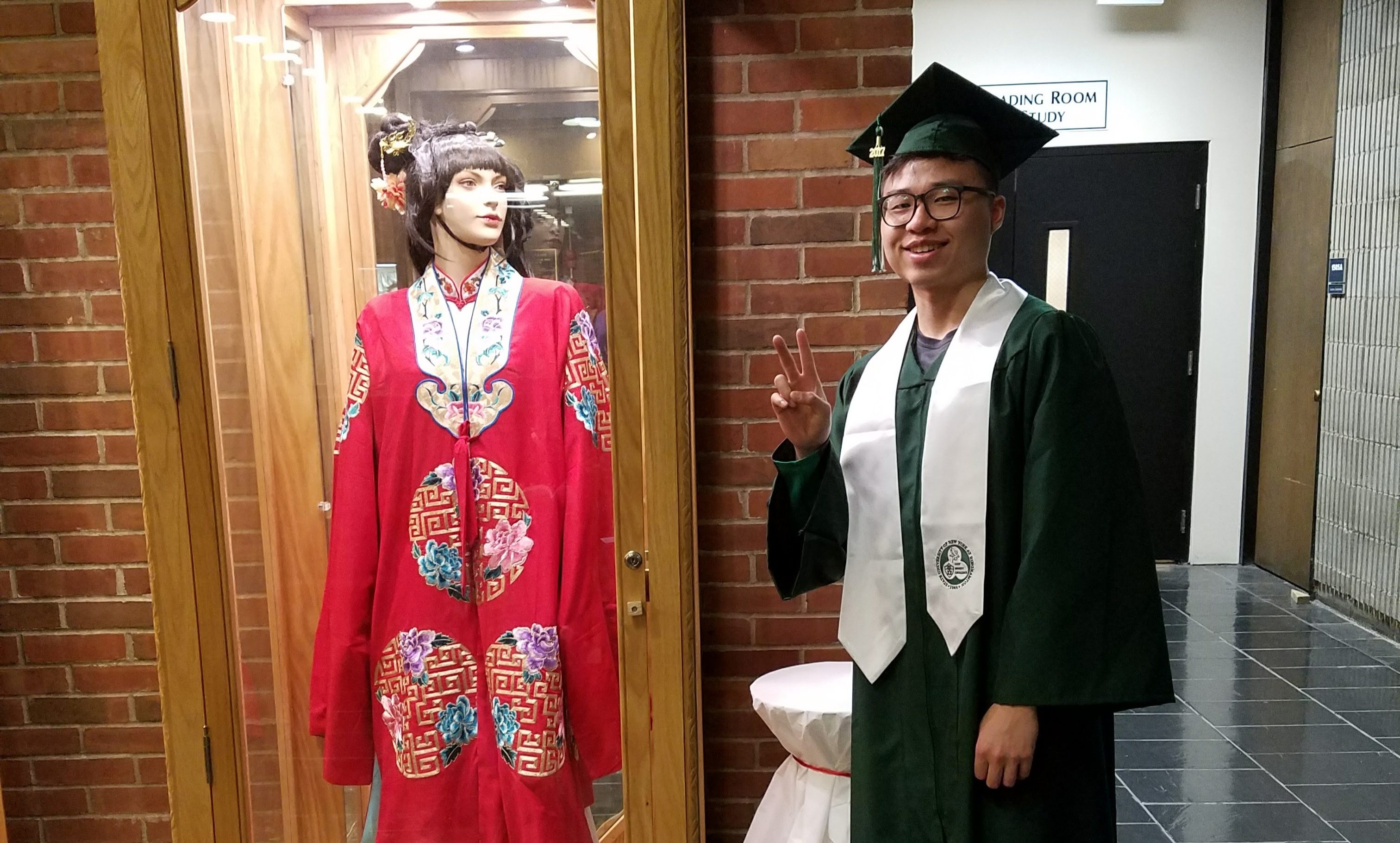
Ronald had never been one to stay in his comfort zone.
At university, while others focused on lectures and exams, he was busy building something from the ground up. He helped launch a student-run food delivery app, personally signing up 125 users and growing the platform to 1,200 in just three months.
After graduating, he landed in the high-stakes world of recruitment in New York, placing tech talent in top financial firms. The job was intense – long hours, non-stop calls, and high expectations – but it taught him how to read people, make quick decisions, and navigate the corporate world.
“In my first recruitment job in New York, I was just 22—cold-calling senior execs at big-name firms like Goldman Sachs, trying to pitch them job opportunities,” he says with a laugh. “I’ll never forget the first time someone actually listened. It was surreal – this mix of imposter syndrome and adrenaline. I remember thinking, Wow, this guy’s been in the industry longer than I’ve been alive, and he’s actually taking me seriously.”
“In that moment, I realised that no matter how senior someone is, at the end of the day, we’re all just people.”
Despite the thrill of landing placements and closing deals, something seemed to be missing. The fast-paced, high-pressure life in New York was all Ronald had ever known, and he couldn’t shake the feeling that there was more out there.
An English teaching stint in South Korea
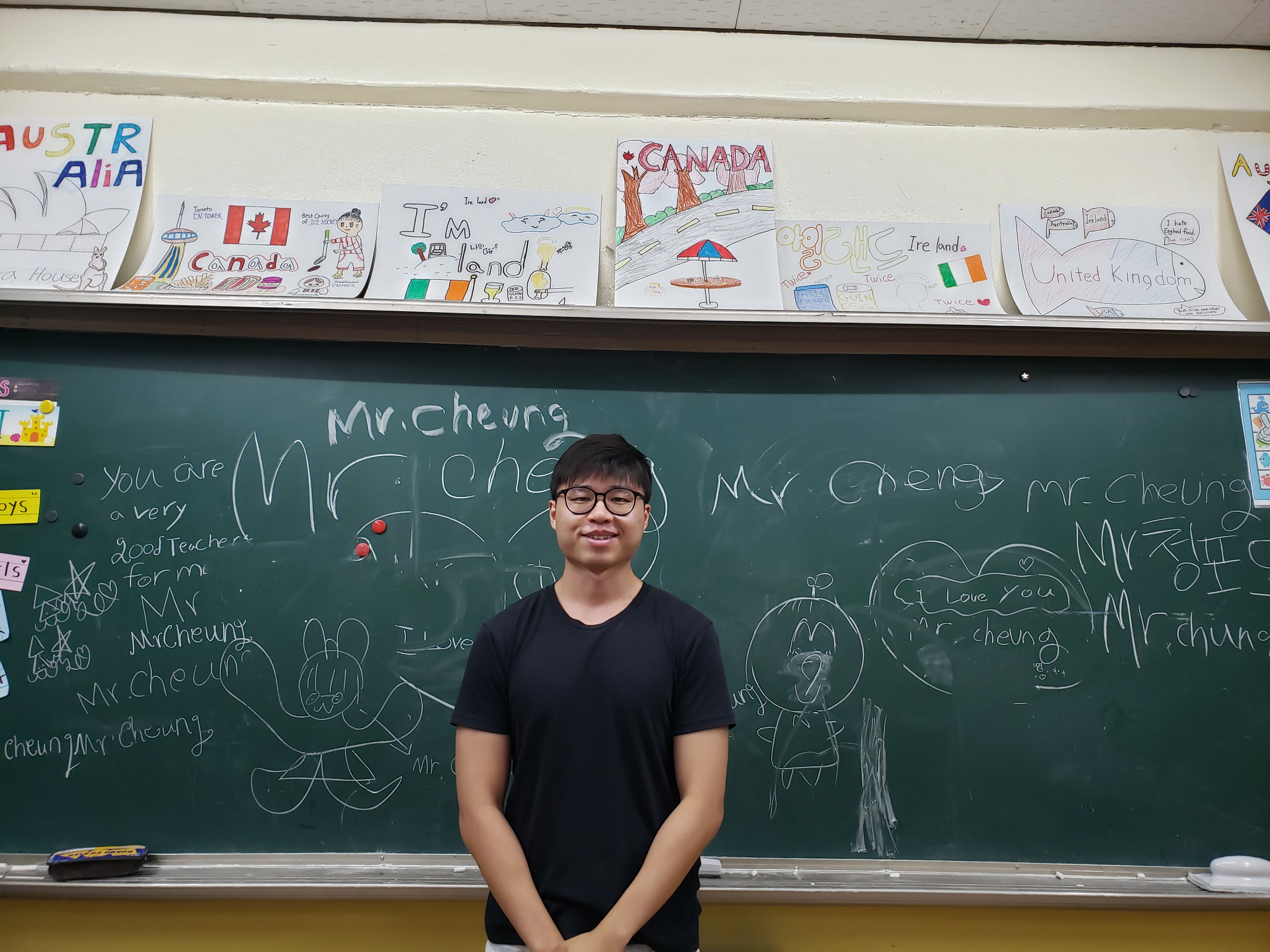
In a move that surprised even himself, Ronald swapped New York’s towering skyscrapers for the bustling classrooms of South Korea, where he spent a year teaching English to elementary school children.
“I never actually planned on becoming an English teacher,” he admits. “A friend mentioned it in passing, and I thought, why not? It sounded like something worth trying out.”
Stepping into the classroom, he quickly realised teaching was nothing like he had imagined. “I assumed there would be a set curriculum, strict lesson plans, and a clear way of doing things,” he says.
“Instead, I found myself in front of a room full of kids who barely spoke my language and total freedom to teach however I wanted. It was equal parts liberating and terrifying. What I did—and how I did it—was completely up to me.”
The moment it all truly sank in was when a student first called him “Mr. Cheung”.
“I still felt like a kid myself,” he says with a laugh. “Half the time I didn’t know what I was doing. But hearing that name—Mr. Cheung—suddenly made it real. I wasn’t just Ronald anymore. I had to step up.”
That experience reshaped the way he approached his career. “It made me realise that life, along with most professions, has far fewer rules than we think. There is more room to be creative, to do things differently.
“It made me see that even in recruitment and employer branding, I could try to challenge conventional norms if I believe there’s a better way.”
Starting a recruitment career in Singapore
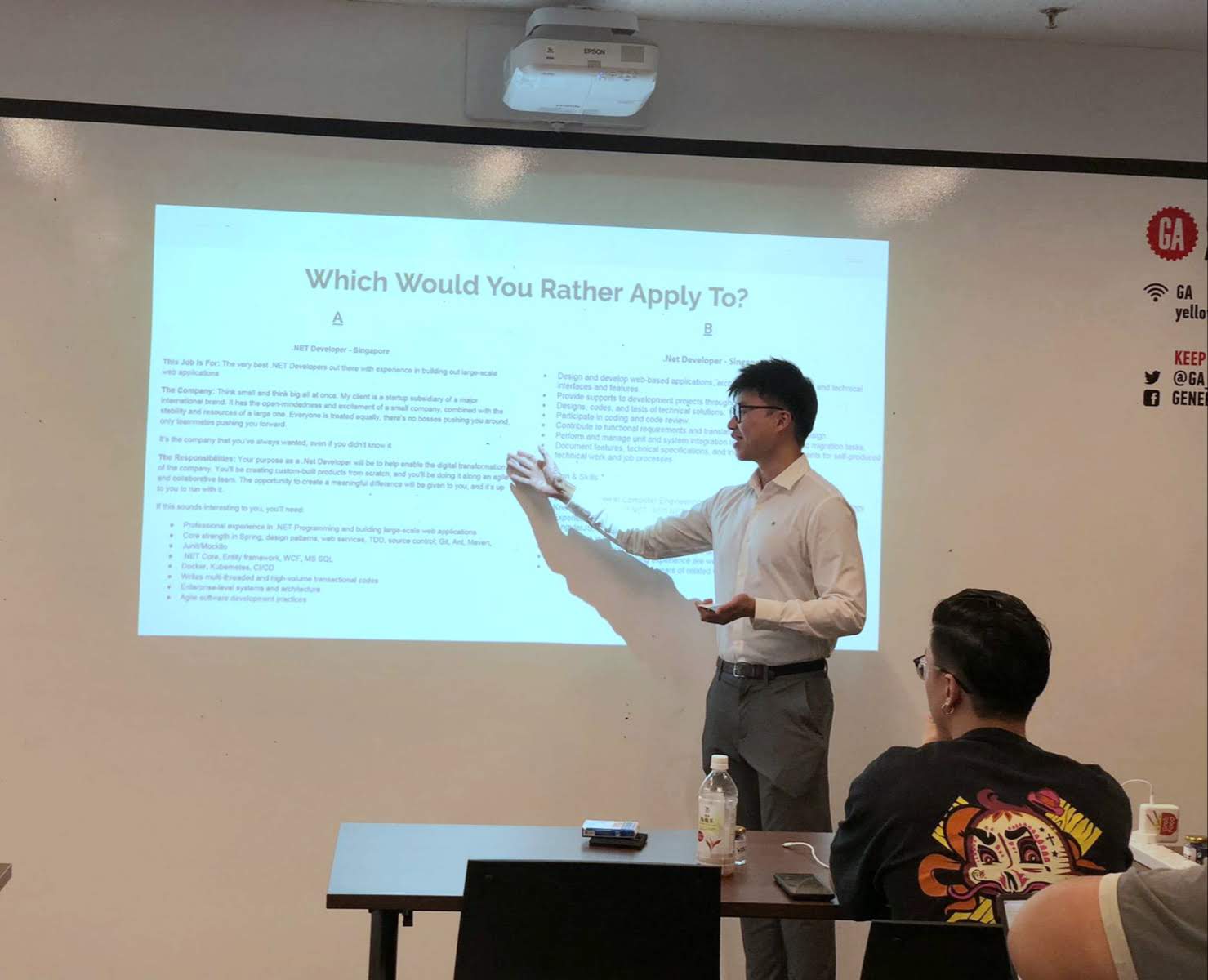
After completing his teaching stint in Korea, Ronald returned to New York. However, it no longer felt like home.
“I felt stuck,” he admits. “I couldn’t afford to move out, any job meant a brutal commute, and everything just felt too limiting. I knew I wanted something different,” he recalls.
Finding a job overseas, however, was a hurdle. “It’s difficult to land a job in a country that isn’t your own,” he says. “And, ironically, given that I work in recruitment now, I wouldn’t recommend blindly sending out CVs or resumes to every job listing you come across—but that’s exactly what I did,” he laughs.
With no concrete plan or destination in mind, except a determination to break free, he applied for every role that seemed even remotely relevant.
Out of countless applications, only one led to an interview. And that opportunity happened to be in Singapore, making it the second overseas adventure he had said yes to, after South Korea.
The role was with Volt Consulting Group, a mid-sized recruitment agency that is a Fortune 1000 company. As a Senior Consultant, Ronald specialised in technical recruitment, placing candidates in both permanent and contract roles across a diverse client base.
“I was involved in every part of the process, reaching out to clients, sourcing candidates, screening, managing interviews, and closing offers,” he explains.
Recruiting top tech talent in Singapore
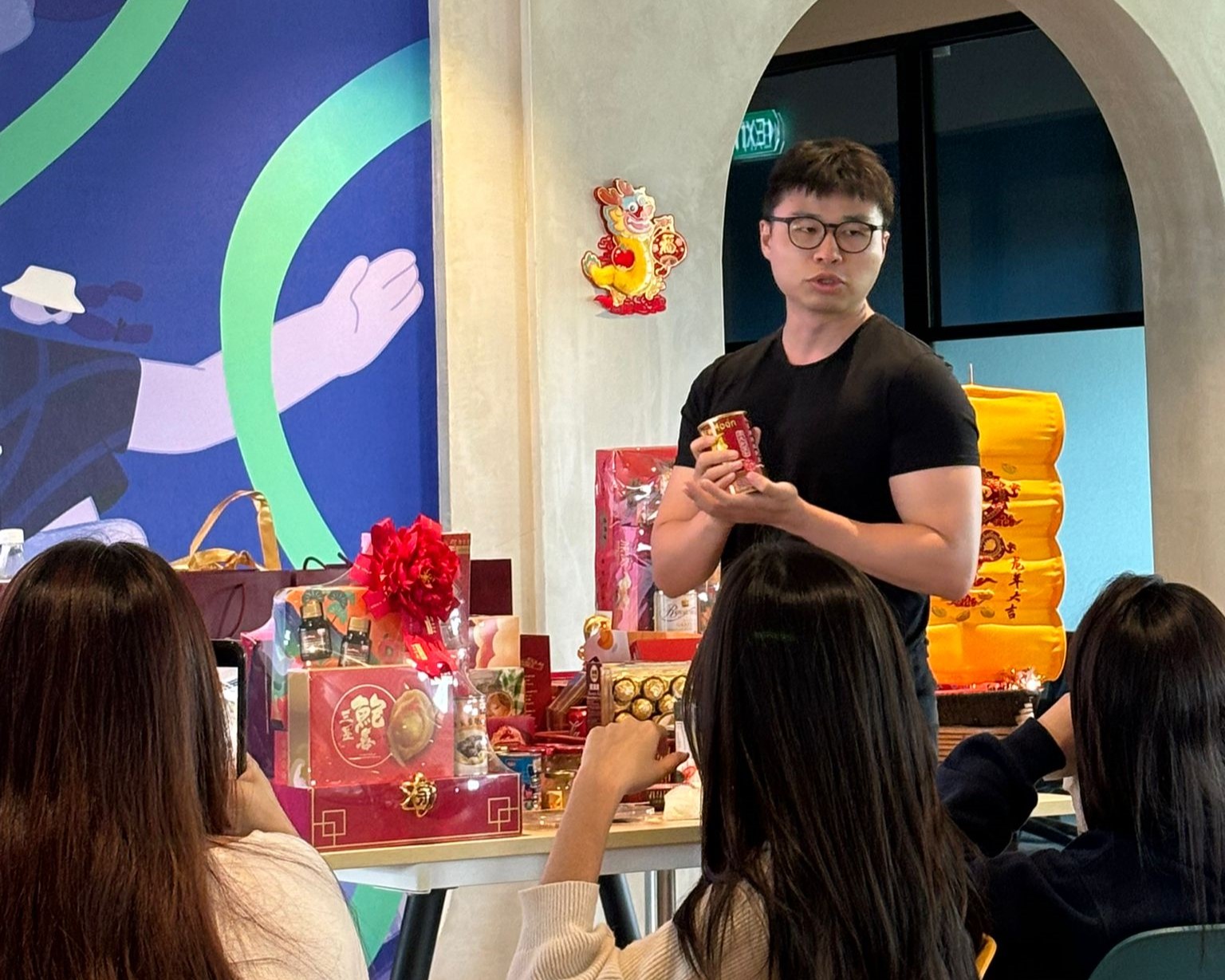
After his time at Volt (and a brief stint at Apple), Ronald joined GetGo, Singapore’s largest and fastest-growing car-sharing startup, as its second hire in the Talent Acquisition team. It was a whole new challenge, and one that reshaped his approach to recruitment.
Unlike established firms with deep pockets and extensive benefits packages, startups must be resourceful. “You don’t have the luxury of big budgets or all the tools a larger organisation might take for granted,” he explains. “You have to think outside the box and make the most of what you’ve got.”
That mindset shaped his approach at GetGo, where he spent two years recruiting 115 people across tech, marketing, and product teams, while managing the company’s LinkedIn page. “The only way to compete was to move fast, eliminate unnecessary steps, and make every candidate feel genuinely valued,” he says.
But speed alone wasn’t enough. “Recruitment has a low barrier to entry, and many recruiters rely on their company’s brand to attract talent. In a startup, you don’t always have that advantage,” he explains.
Now, Ronald is bringing that same mindset to Ailytics, a company that leverages AI-driven video analytics to improve workplace safety and efficiency.
“The culture here is still in its early stages,” Ronald shares. “We take hiring seriously, prioritising attitude over pure skills. Once someone joins the team, we trust them to make the right decisions and give them the autonomy to do so.”
Attracting the right talent in a niche industry requires a targeted approach. “We’re not looking for just any job seeker; we want people who are genuinely excited about startups and the space we operate in,” he explains. “That’s why we’ve started developing employer branding materials that highlight our values and what makes us unique.”
Cross-cultural experiences across North America and Asia
Having lived and worked in the United States, South Korea and Singapore, Ronald has seen first-hand how work cultures can differ not just across borders, but within individual cities and companies.
“It’s hard to make sweeping comparisons,” he says. “Even within the same country, work cultures can differ from company to company. But based on my experiences, there are definitely some clear differences.”
One of the most striking differences he observed was in Korea, particularly when it came to hierarchy. “Korea stands out the most in terms of hierarchy. There’s a strong emphasis on seniority, and people wouldn’t leave work until the most senior person had left,” he recalls. “In contrast, workplaces in Singapore and the US feel much flatter.”
While many point to Singapore’s famously long working hours, Ronald offers a more nuanced perspective.
“I know there’s a reputation that Singaporeans work long hours, but honestly? It hasn’t felt all that different from Korea or the US,” he says. “In fact, I’ve had a pretty decent work-life balance here. If anything, in my experience, I’d say Americans—especially in New York City—push the hardest.”
Much of that comes down to the cultural mindset, particularly in the US. “Americans are more individualistic and driven. We’re taught that our success is entirely up to us. That hunger to achieve is valued over conformity or comfort,” he explains. “People are more willing to put in long hours and put up with more nonsense.”
Even attitudes towards commuting differ, in ways that reveal deeper cultural expectations. “In Singapore, a lot of people wouldn’t want to commute over an hour for work,” Ronald says. “In America, more people are willing to put up with it if the price is right.”
Through each experience, Ronald has picked up valuable lessons in adaptability and perspective. “You start to realise that no place is perfect,” he says. “But if you stay open-minded, every culture has something you can learn from.”
A typical day in a life in sunny Singapore

Ronald’s day kicks off at 7:30am—usually with a few groggy blinks before he manages to drag himself out of bed.
Then it’s on to the daily grind: a packed bus, a sardine-can train, and a slow shuffle through the station, all the way from Tampines to One-North. “It’s not exactly glamorous,” he laughs, “but hey, it gets me where I need to be.”
Lunch is usually something simple, like chicken rice. “Nothing too fancy, but always satisfying,” he shares. After work, he heads home for a quick power nap, then jolts himself back to life with a strong cup of kopi o kosong—black coffee, no sugar—to shake off the fatigue before hitting the gym.
On weekends, Ronald keeps things simple. “My favourite place in Singapore is probably Suntec City. I just love walking around and being there.” Aside from that, his routine is refreshingly laid-back. “I go to the gym a lot, grab a bowl of pig’s organ soup afterwards, and occasionally unwind with a Tiger beer.”
Living in Singapore has shaped him in ways he never expected. “I think I’ve become a lot more law-abiding,” he muses. “In New York, anything goes. I grew up seeing people jump over subway gantries to dodge fares like it was just part of daily life.”
“But here? Rules are rules. I’ve even caught myself wondering if street performers have permits. That’s when I knew I’d been here a while.”
And of course, there’s Singlish. “At first, I thought I’d never use it. Now? The lahs and lehs just slip out naturally. No choice lah.”
Tips and tricks for getting hired
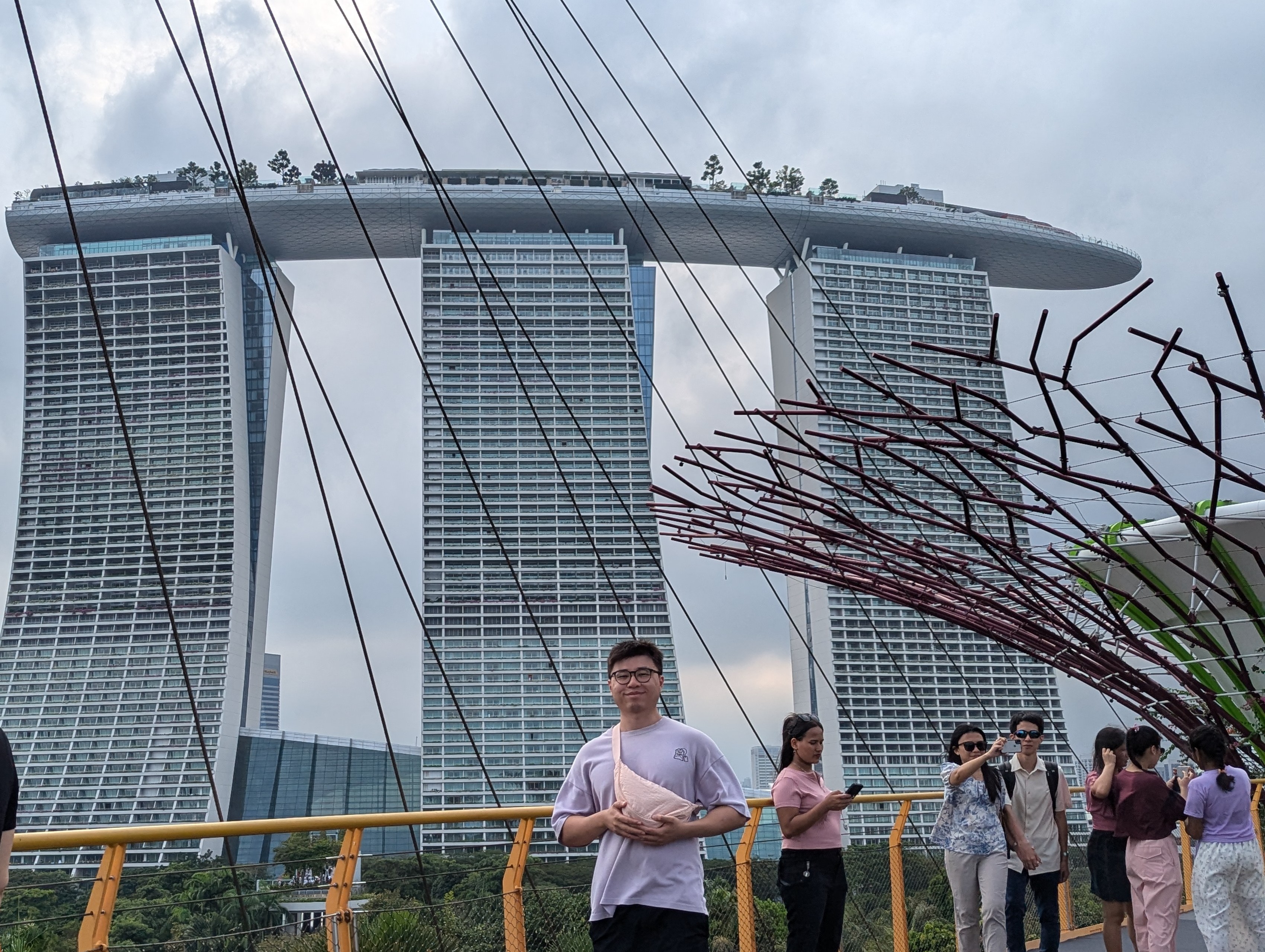
If you’re looking to break into Singapore’s tech scene, here are Ronald’s insights on the biggest challenges and opportunities in tech hiring, plus his advice for landing a job in Singapore.
“Good tech talent has a lot of options in Singapore – big tech, startups, banks. It’s a competitive field,” Ronald says. “You’re not just competing with other companies in your industry; you’re competing with every company hiring for tech talent.”
“Salaries are going up, fresh grads have higher expectations, and the cost of living is rising,” Ronald explains. “Every year, the numbers just keep getting bigger.”
When it comes to top opportunities for basing your career in Singapore, Ronald shares the following insights.
Government support for growing the tech sector is strong
Build your career in a stable environment in Singapore
Singapore is a small but connected market – so it’s easier to build your employer brand here
Ronald’s advice for landing a job in Singapore.
Your LinkedIn profile is your handshake
Invest in a personal website
Communication skills matter more than you think
At the end of the day, Ronald believes that success in the tech scene, whether as a recruiter or a job seeker, comes down to being proactive, adaptable, and always looking for ways to stand out.
“You don’t need to tick every box to get hired. What matters is showing up, standing out, and proving that you can learn fast and add value. The right company will see that and take a chance on you.”
About Ronald
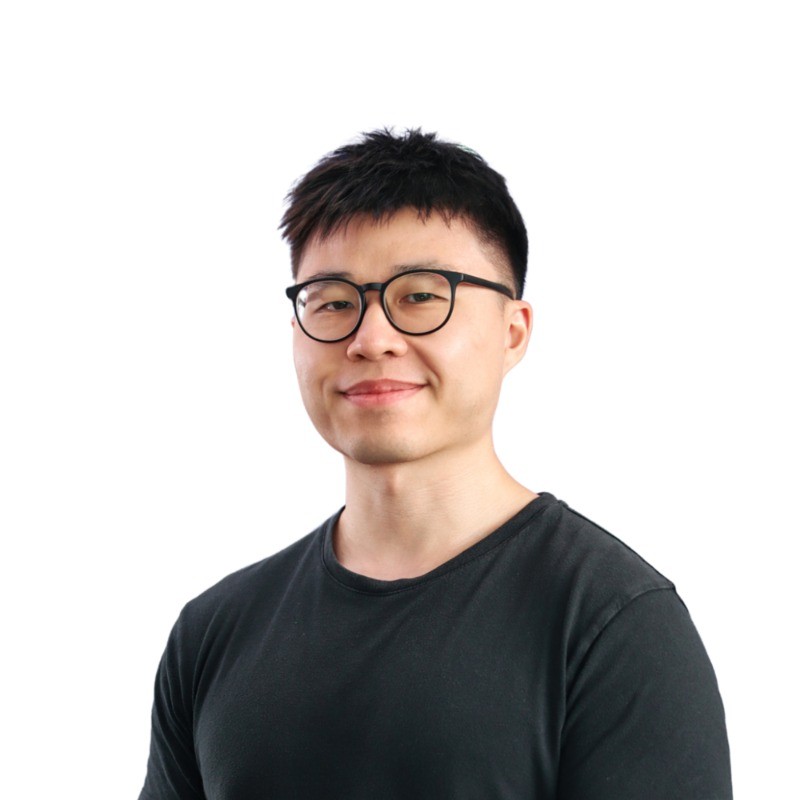
Ronald Cheung is a Talent and Branding Specialist at Ailytics, with a strong background in recruitment for tech, marketing, and product roles. Originally from New York City, he is now a Singapore Permanent Resident. Beyond his expertise in talent acquisition, Ronald has experience in writing and teaching.
Connect with him here.