By SGN | 21 May 2025

As a child, Michael eschewed the playground for the world of technology. “I’ve always been a bit of a nerd,” he laughs, recalling his early fascination with coding.
At just eight years old, he taught himself how to code on a computer his father had received from his work. “I taught myself BASIC, one of the earliest programming languages,” he recalls. “Most people in tech today probably haven’t even heard of it!”
This passion quickly set him apart. By the age of 16, Michael had already earned himself a coveted internship at IBM, the global tech and consulting giant headquartered in New York.
“During my internship, I coded software on an AS/400 mainframe,” he says, referring to a powerful business computer system that companies once relied on to manage critical operations like accounting and inventory.
“At the time, I thought it was the coolest thing ever, and honestly, I still do. Those old legacy systems are iconic, especially for tech geeks like me.”
By then, Michael had already ticked off on his bucket list what most teens wouldn’t even dream of — but he was just getting started. After completing his PhD in Computer Science and Micro-Electronics at the famous Inter-University Micro-Electronics Centre (IMEC) in Belgium, he joined McKinsey in 2000, just on the cusp of the dot-com boom.
“I barely knew anything about business when I joined,” he admits, “but I saw management consulting as the fastest way to learn.”
Little did he know that what began as a job close to home would quickly turn into a whirlwind global adventure. “I ended up working and advising clients in more than 30 countries across North America, Europe, Middle East, and Asia,” he recalls.
On a journey to support deep-tech founders
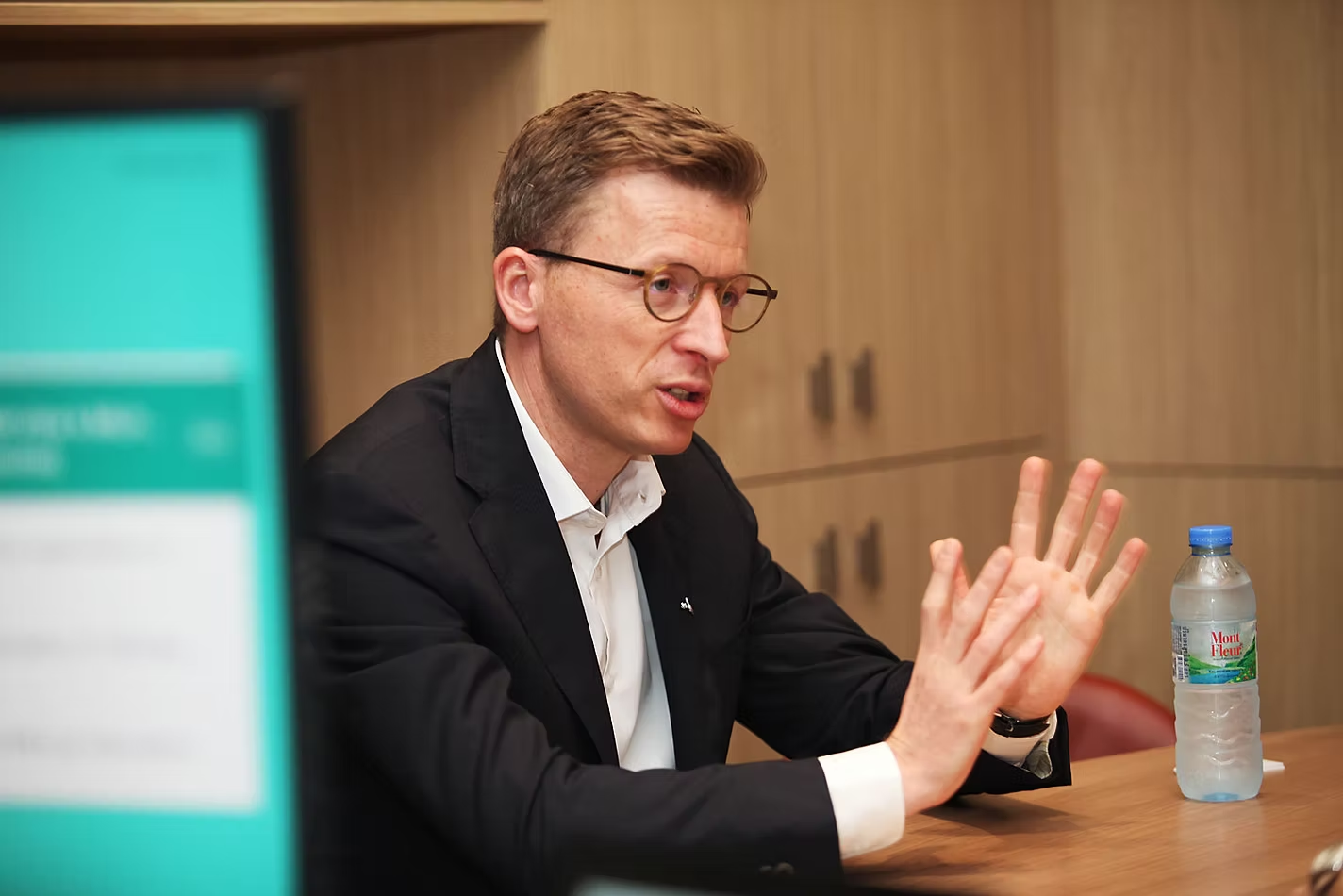
After his time at McKinsey, Michael took on a role as the first President of True Digital Group, a digital & technology business unit that is part of the CP Group in Thailand. His stint at the Thai telco-tech company, where he saw firsthand how technology can transform entire industries, proved to be a turning point in his career.
“For me, this was a once-in-a-lifetime opportunity to be an operator and not just an advisor as I’d been before,” he reflects.
After a few years, he was further tasked to be the first Group Chief Digital Officer of CP Group, supporting digital transformation and innovation across a vast $90 billion conglomerate, spanning 15 industries in 22 countries. It was a massive undertaking that gave him a front-row seat to the challenges and opportunities of innovation at scale in traditional industries.
One of the initiatives he’s most proud of from that period is the launch of a digital media platform designed to compete with global OTT giants. “It’s since become the largest in Thailand. It has around 25 million users and has since expanded regionally,” he shares.
Another key milestone was the creation of a digital academy for CP Group in collaboration with General Assembly, aimed at equipping employees with essential digital skills and preparing the workforce for the future.
“We trained over 10,000 employees in digital skills,” Michael says. “We wanted to create lasting societal impact across Southeast Asia.”
After years of building digital platforms, launching large-scale upskilling programmes, and leading transformation across industries, he began to see how the same principles could be used to support a field he had long been interested in — deep tech.
“I’ve always been fascinated by deep tech, particularly the founders and the unique challenges they face,” he shares.
That commitment dates back to 2018, when he began angel investing in deep-tech companies such as Hydroleap and Ackcio, both grounded in strong technical foundations.
“For me, it was never just about financial returns only,” he explains. “It was about helping deeply technical founders succeed as entrepreneurs and bringing transformative innovations that can move the planet and humanity forward.”
Yet, despite its promise, deep tech has struggled to gain momentum in Southeast Asia. While consumer-facing tech continues to dominate headlines, deep-tech innovation often lags in terms of funding and investor support.
“In fact, deep-tech funding in Singapore reached a five-year low in 2024, according to Enterprise Singapore,” he notes. “That’s a clear signal that more needs to be done to help these companies scale.”
Founding Antares Ventures in Singapore
Since 2018, Michael has invested in 26 deep-tech ventures globally, distinguishing himself by providing hands-on support to help startups scale across Asia. Shaped by decades of experience, his strategy has delivered strong results—including five successful exits.
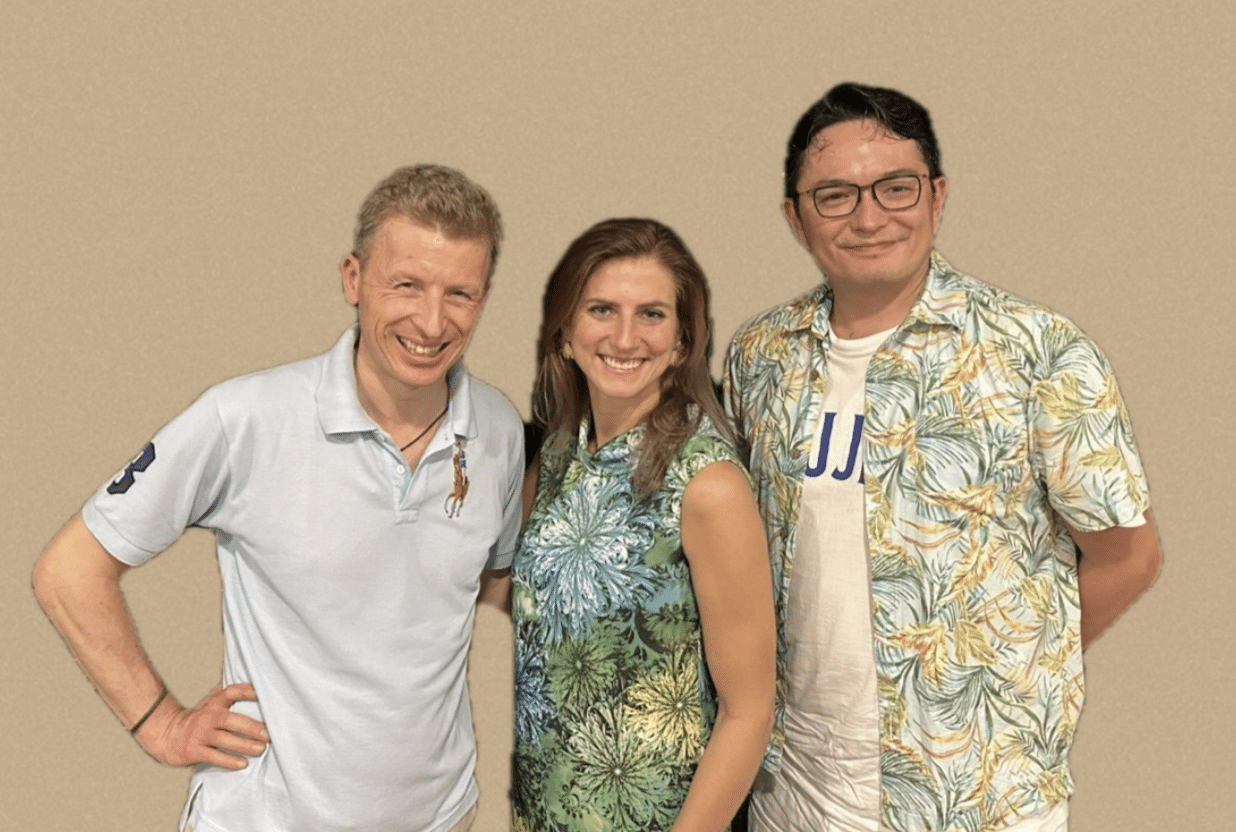
Building on this track record, he launched Antares Ventures in 2024, bringing together a trusted team of seasoned deep-tech investors.
Louis Murayama, with a background in biotech and deep-tech venture investing, adds deep operational expertise from years of scaling startups across Japan and Southeast Asia. Milena Nikolova, with over 25 years in investment banking and climate tech, brings a global investor network, strategic partnerships, and sharp insights into climate innovation.
“We started Antares to help deep tech companies bridge the gap between research and real-world impact,” Michael explains. “We didn’t just want to offer funding; we wanted to provide the tools, expertise, and networks to help these companies truly thrive.”
In just one year, Antares Ventures built a portfolio of 10 innovative companies. One standout is Singapore-based VFlowTech, which is changing the game in energy storage with its Vanadium Redox Flow Battery technology.
The company recently secured a major partnership with Advario and JTC Group Corporation to deploy its batteries on Jurong Island, providing up to 40 MWh of energy storage. That’s enough to power around 3,000 households for a day!
“This partnership is a major milestone in Singapore’s sustainability journey,” says Michael. “It’s about bringing reliable energy storage to support regional energy resilience.”
“We’re incredibly grateful for the support from Singapore’s Energy Market Authority (EMA) and Enterprise Singapore in making this a reality.”
Why Singapore remains the ideal launchpad for deep tech ventures
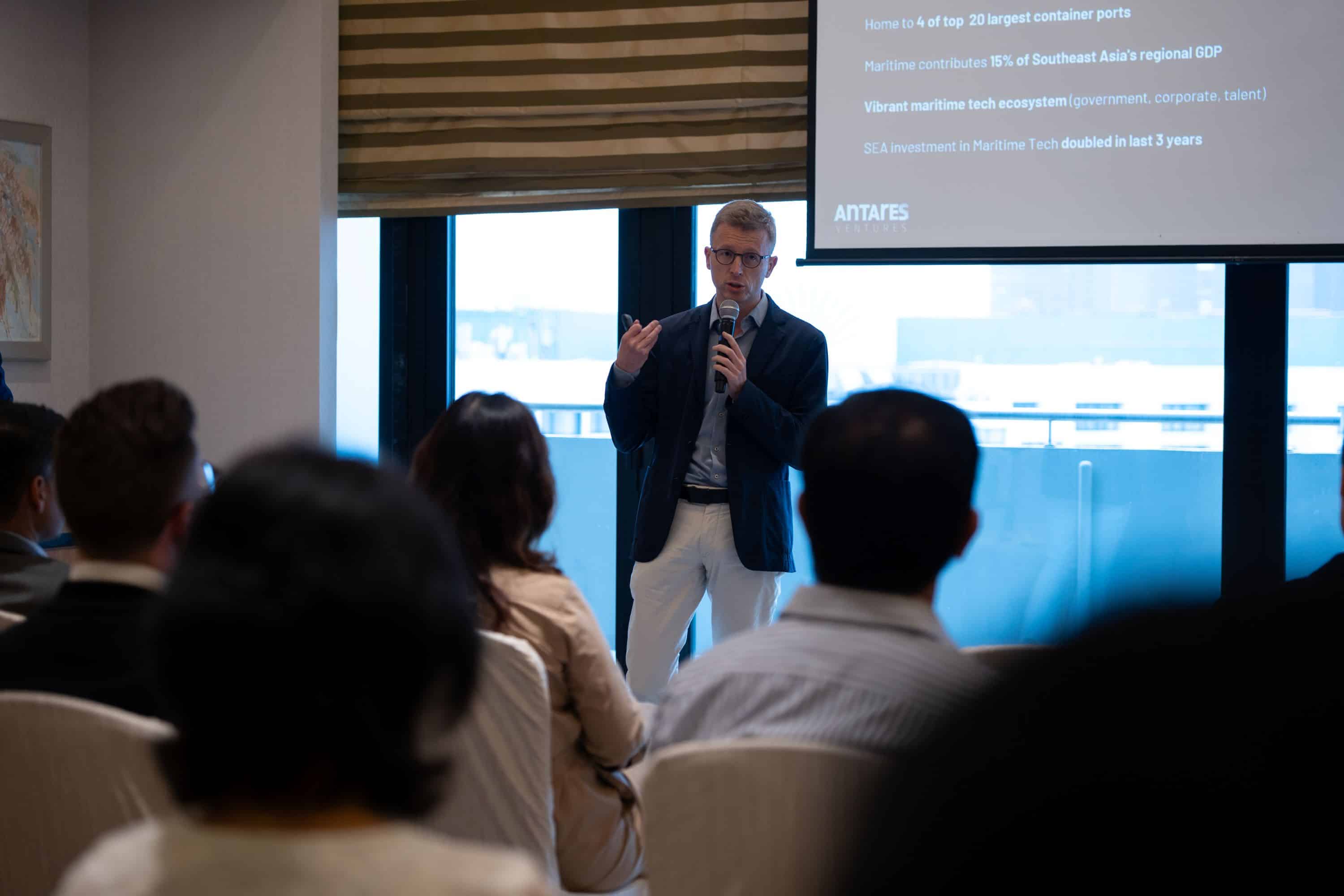
Michael sees Singapore as a growing hub for deep-tech innovation, especially in advanced computing and frontier technologies, bolstered by the country’s strong investments in computing infrastructure and world-class research in advanced materials and other domains.
With its strategic base in Singapore and deep regional ties, Antares Ventures plays a key role in helping global innovators expand across Southeast Asia and Asia more broadly.
At the same time, Michael remains committed to supporting homegrown startups – including Ackcio, Hydroleap, VFlowTech and Hyd-Gen where he has acted as board chairman – to scale and accelerate their commercialisation, both regionally and globally.
“Singapore’s ecosystem, with strong partnerships between startups, government, and corporate players, has been crucial to our growth,” Michael says. “Through our partnership with SEEDS Capital, the investment arm of Enterprise Singapore, we can connect startups to the resources, networks, and insights they need to scale.”
A notable example of Singapore’s value is Antares Ventures’ support for Open Ocean Robotics, a Canadian firm developing solar-powered autonomous boats that collect real-time ocean data to enhance maritime safety and sustainability.
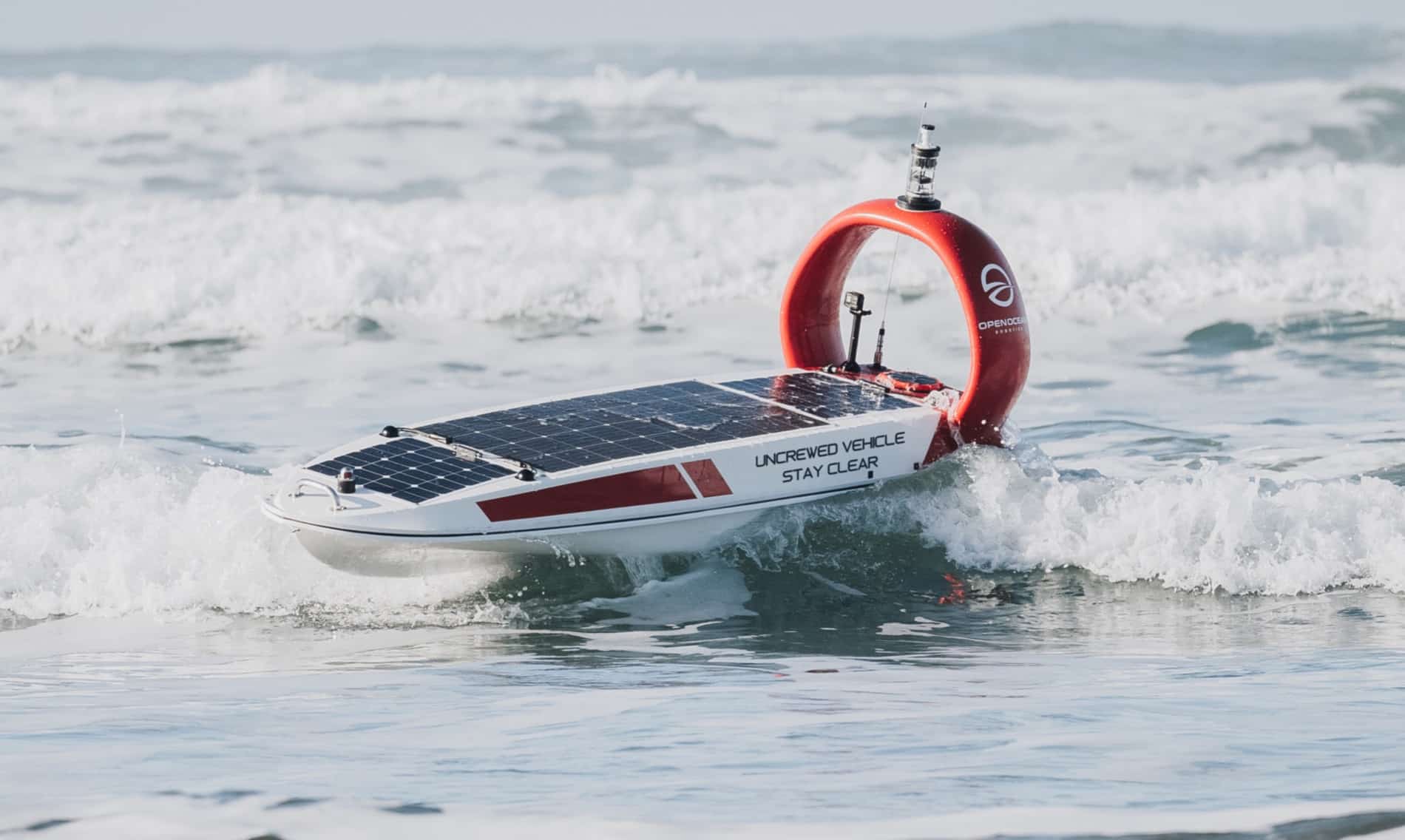
“Their success at the Singapore Smart Port Challenge truly highlights how the city provides an ideal environment for innovation,” Michael reflects.
Open Ocean Robotics earned second place in the competition, surpassing more than 200 maritime companies. With Antares Ventures’ support, the company forged a crucial connection with the Maritime and Port Authority of Singapore (MPA), paving the way for their expansion into Asia’s burgeoning markets.
Making Singapore home away from home

Since first arriving in Southeast Asia in 2013, Michael has spent nearly 12 years in the region, with most of that time based in Singapore.
“When I moved here to establish and lead McKinsey Digital Labs across Southeast Asia, my wife joined Lazada early on to head up their retail business,” he shares. “We came with two young children, aged one and three, and later had two more here. All of them now speak fluent Mandarin!”
Although proud of his Belgian roots, Michael says Singapore has truly become home. “Of all the cities I’ve lived in, Singapore stands out not just for its dynamism and opportunities but for its sense of purpose and community. Japan and Australia come close, but Singapore is where we’ve built our lives,” he says.
Outside of work, Michael carves out time to unwind and stay grounded. He finds calm along the coast at East Coast Park and Siloso Beach or amidst the greenery of Bukit Timah and MacRitchie Reservoir.
“I love how easy it is to connect with nature here. The city might be fast-paced, but there’s always a pocket of peace if you know where to look,” he says.
Michael is also a passionate art collector, and, whenever possible, he escapes the tropics to ski and hike, two hobbies that keep him refreshed and inspired. “These things help me reset. They’re a reminder that there’s more to life than work,” he shares.
Work-life balance is something he consciously prioritises and encourages founders to do the same and advises, “It’s easy to get caught up in the hustle. But balance is essential if you want to stay focused, creative, and resilient in the long run.”
He lives by a simple mantra: Be happy, be honest, and help others.
“It may sound straightforward,” he reflects, “but the pandemic reminded us just how unpredictable things can be. Life is short, so spend it on what truly matters.”
What’s in store for Michael’s next venture
Looking ahead, Michael is optimistic about what lies ahead for deep tech in Asia.
“With 60 per cent of the world’s population and rapidly growing cities, Asia faces some complex challenges, like clean energy and food security,” he says.
“Governments are pushing for change, but progress can be slow due to fragmented infrastructure and labyrinthine regulations. That’s why we’re working to bridge that gap with Antares Ventures.
He’s also encouraged by a new wave of change in the deep tech space. “More scientists are stepping out of the lab to build companies. They want their research to make a real impact,” he says, “That’s where deep tech truly shines; when it’s rooted in science and driven by purpose.”
For entrepreneurs looking to grow in the region, Michael keeps his advice simple: be resourceful and build the right connections.
“As an investor, I focus on three things: the founder’s mindset and adaptability, the market opportunity, and whether the business model is sustainable,” he says. “Founders who know how to navigate challenges and tap into strong networks are the ones who thrive.”
He adds that while Southeast Asia is often associated with consumer tech, the future lies in tackling complex global challenges—something deep tech is uniquely positioned to do.
“It takes time, resilience, and teamwork to turn scientific breakthroughs into real-world solutions. But with strong government support, academic programmes and industry partnerships, Singapore is building the right talent ecosystem to make that happen,” he says.
Michael notes that many founders he backs come from research backgrounds, often straight out of university labs. “They may not follow a linear path, but what they bring is technical depth, a global outlook, and a strong sense of mission.
“It’s truly a privilege to do this work in a country as dynamic as Singapore,” Michael concludes. “We’re just getting started, and I truly believe the next wave of global deep-tech champions can—and will—come from here.”

About Michael
Michael Gryseels is the Founder of Antares Ventures, a deep-tech VC firm supporting startups solving Asia’s biggest challenges. Based in Singapore, he draws on years of experience from CP Group, True Digital, and McKinsey to back and build impactful technologies across the region.
Connect with him here.