By Lounell Gueta | 10 Feb 2026
I was born in the 80s in San Francisco – not the city in California, but a tiny village on the southern tip of Luzon in the Philippines. Growing up as the youngest of five, I looked up to my parents, who were teachers at the primary school next to our house.
In that region, typhoons are a fact of life. We were used to disruptions to food, water and electricity. Even as a child, I learned to appreciate the value of education. I loved studying, even during the school holidays – under the light of an electric bulb, or a kerosene lamp when power was cut off.
Eventually, I dreamed of becoming a robotics researcher. After graduating from the University of the Philippines, I taught there for several years before deciding to further my studies.
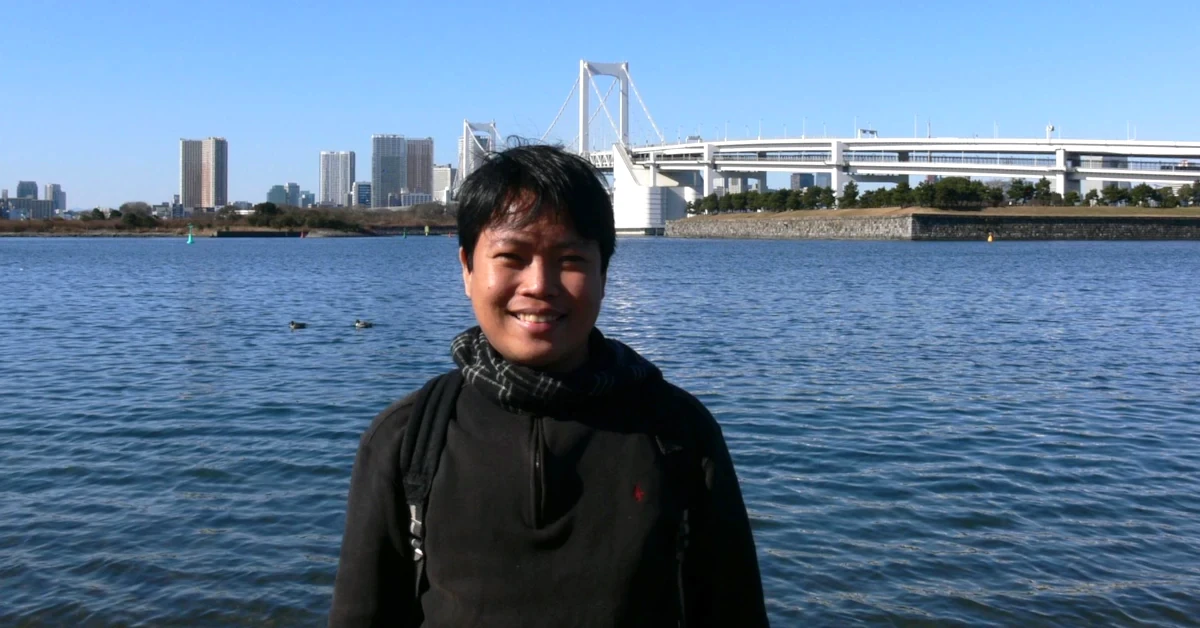
Japan has long been the epicentre for robotics, so I was thrilled when the Japanese government awarded me a scholarship to pursue a PhD at the University of Tokyo. I was excited for my new journey ahead – to gain experience and financial independence abroad.
Learning from the Japanese
For my PhD in precision engineering, I developed algorithms for robot arm-based systems to automate production. One thing I admired in Japan was the close collaboration between universities and companies. As an academic researcher, I was able to visit assembly lines. The experience was a bridge that eased my transition into industry when I joined Hitachi in 2011.
Through working in Japan, I was exposed to its unique business culture and approaches. For my first assignment at a factory in the Philippines, I conducted gemba walks (on-the-ground surveys) to identify manufacturing issues with fresh eyes.
As I stepped into a managerial role, I learned the practice of nemawashi, or engaging in one-on-one discussions before making a collective change or announcement. It is a vital tool to overcome resistance and gain support early on. Similarly, the ringi style of decision-making, where an idea is subjected to peer review, taught me patience. The process takes time, but it ensures that everyone’s voice is heard.
When the Tōhoku earthquake struck in 2011, I’ll never forget the quiet calm and fortitude of the Japanese people amid the devastating aftermath. Over time, I found that the discipline so ingrained in their culture rubbed off even on a foreigner like me.
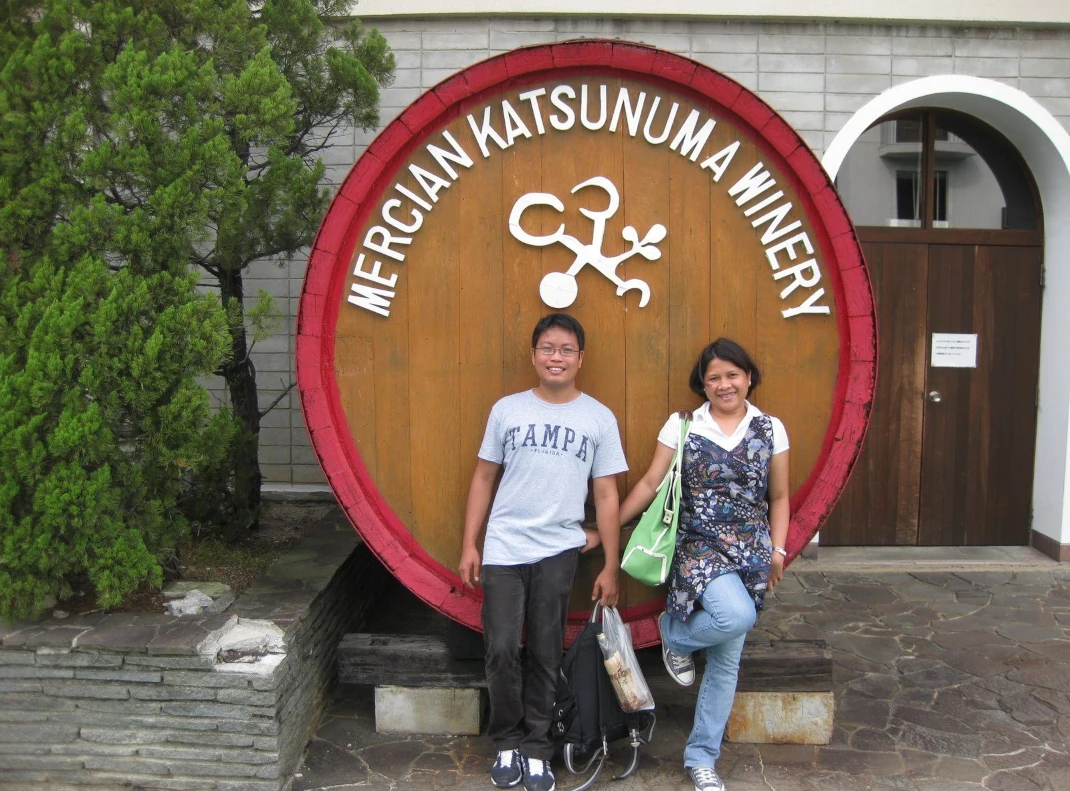
Over my seven years in Japan, I lived in Tokyo, Kashiwa and Yokohama. I made many fond memories, but the best one of all was without a doubt meeting my wife Grace. Back when we were graduate students, she stayed in a dormitory near where I lived. Every Sunday, we would attend the same chapel in the area. We grew close, and she has become the year-round cherry blossom in my life ever since.
Why I moved to Singapore
In 2013 came my big move to Singapore. For years, I had already been flying down to visit my retired parents and three siblings, who worked in the airline and construction industries.
Relocating allowed me both to be closer to family and to start my own. Grace, who was based in Manila for a couple of years, joined me the following year. Soon, we were blessed with two children, Lorenzo and Lizandro.
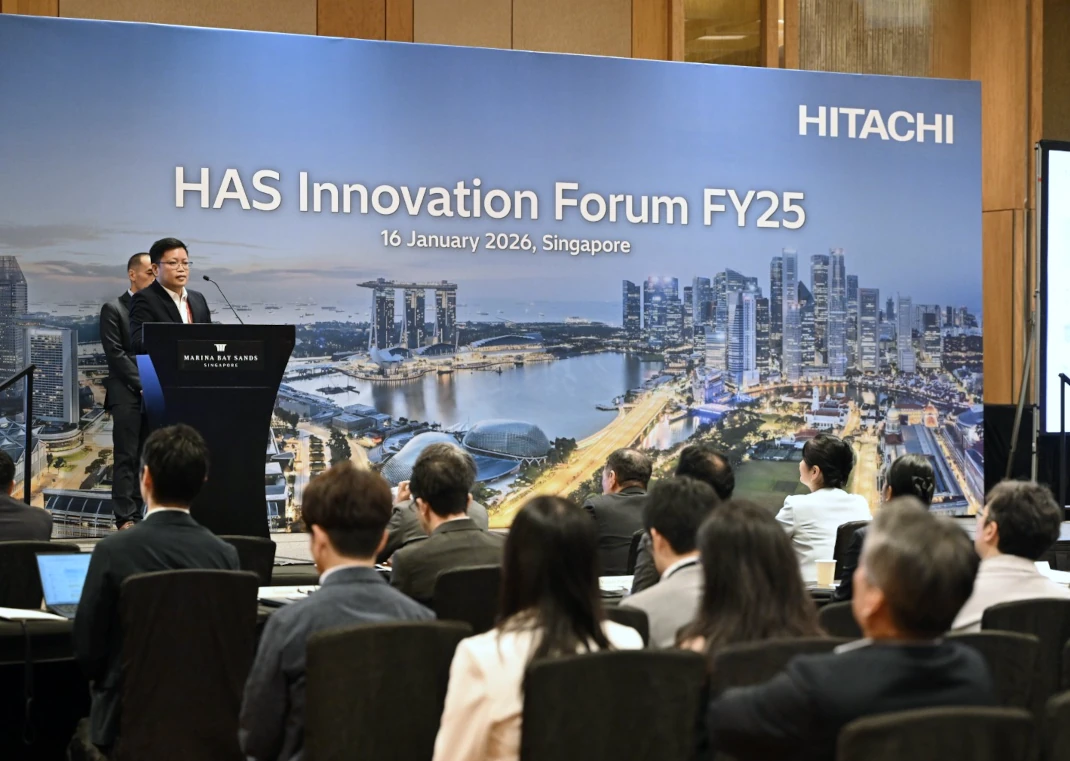
To stay with the company I loved working for, I transferred to the Southeast Asian headquarters, or Hitachi Asia Ltd. Today, I’m a chief researcher leading efforts to develop advanced technologies that solve real issues of daily life.

Projects I’ve worked on include optimising the sharing of delivery trucks and turning Hitachi’s social robot EMIEW (pronounced “emu”) into a receptionist for banks and offices. I am particularly proud of my work in assessing road health, based on complex vibration data, to support cross-border logistics across five countries in Indochina.
Currently, my focus is on rail transportation: to make public transit safer and shorten travel times for commuters. My team is studying the impact of crowding on train and station operations with an agent-based simulator that models passenger behaviour.
Getting an MBA was a bucket-list item that I finally checked off when I completed mine at the National University of Singapore in 2023. Paired with my PhD, it gives me the business acumen I need to progress in my career. Juggling work and studies was a challenge, but it was rewarding to get to connect with professionals across different industries.
Life in a vibrant community
Singapore may be associated with a high cost of living, but because it is a major global aviation hub, it’s easy and inexpensive to travel across the region and beyond. It’s like living with the world at your doorstep.
The food scene is outstanding – a rich melting pot of cuisines. Local food is great, and if you crave the taste of home, you’ll almost certainly find a restaurant that tastes authentic or familiar. My family loves the local coffee shop culture. Whether we’re at a hawker centre or a Starbucks, it’s usual for us to meet new people and make a friendly connection.
On weekends, we often make our way to Hangar66 Café next to Seletar Airport. Our older son’s eyes light up as he watches planes up close – it’s a passion that began with his interest in folding paper planes.

To stay plugged into Philippine culture, I participate in alumni gatherings and embassy-led events, and I attend seminars tailored for Filipino expatriates. We also connect with the wider community, whether through volunteering activities or gatherings at our condominium.
My wife regularly volunteers at the Enabling Services Hub in Tampines as a way of repaying the kindness and opportunities that our family has received in Singapore. She has seen how spending time with persons with disabilities – talking, listening or simply being present – can make a difference.
In Japan, I experienced the type of rain that falls gently, except during the occasional storm. In Singapore, the rain pours with a sudden power. To me, it reflects the spirited, vibrant community that has embraced our growing family.
About Lounell
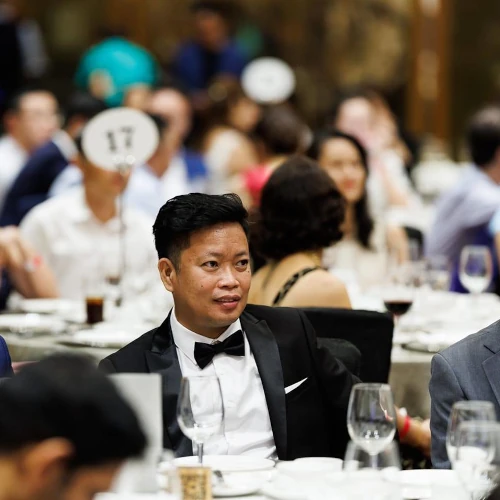
Lounell Gueta is a chief researcher at Hitachi in Singapore whose areas of expertise include transportation, logistics and robotics. He has worked in various cities in Japan and holds a PhD from the University of Tokyo, an MBA from the National University of Singapore, and master’s and bachelor’s degrees from the University of the Philippines.