By SGN | 21 Jul 2025

Amanda Chen had always felt a pull between worlds.
Growing up as a Taiwanese-American, she straddled two cultures, an experience that shaped her curiosity for diverse perspectives and complex identities. When it came to choosing a university, she was naturally drawn to learning environments that embrace nuance and encourage interdisciplinary thinking.
That curiosity led her to explore liberal arts colleges known for their academic flexibility, eventually bringing her to Yale-NUS in Singapore.
Unlike traditional universities in the US, Yale-NUS offered something that felt closer to home in both identity and interest: a curriculum that wove together science, policy, economics, and the humanities, grounded in both Western and Asian traditions.
“What stood out to me was how intentionally the curriculum blended disciplines and perspectives, not just across science and policy, but also across cultures and worldviews,” she says. “It pushed me to think about environmental issues in a more context-specific, systems-oriented way, which still shapes how I approach climate work today.”
Returning to Southeast Asia after grad school
After graduating from Columbia’s Climate School with a Master’s in Applied Climate Science, Amanda soon began exploring ways to re-enter the Southeast Asia climate space.
“I’d seen how much momentum was building in the region,” she says. “The climate-tech space here is still nascent, and that creates a lot of room for building solutions that are both impactful and rooted in local realities.”
Wanting to move quickly, Amanda applied for a Work Holiday Pass, a six-month visa designed for university students or recent graduates.
“It wasn’t part of a grand plan,” she says. “It was just the most practical and flexible way to come back, get started in the ecosystem, and figure out where I could add value.”
Real-world learning from ESGL and EDF
Before joining Wavemaker Impact full-time, Amanda completed several internships across the climate and sustainability space during her university years in Singapore.
One of the more formative ones was with ESGL Holdings Limited (formerly Environmental Solutions Asia), a Singapore-based waste management and sustainability firm, during the summer after her second year of university. There, she worked on ESG frameworks, decarbonisation strategy, and circular economy operations.
“It was a deep dive into how sustainability gets implemented on the ground,” she says. “I learned how different operational, financial, and policy pieces come together in real-world contexts.”
She also worked on a capstone project with the Environmental Defense Fund (EDF) during her Master’s, focusing on climate finance and corporate engagement in the US.
Embarking on a new chapter at Wavemaker Impact
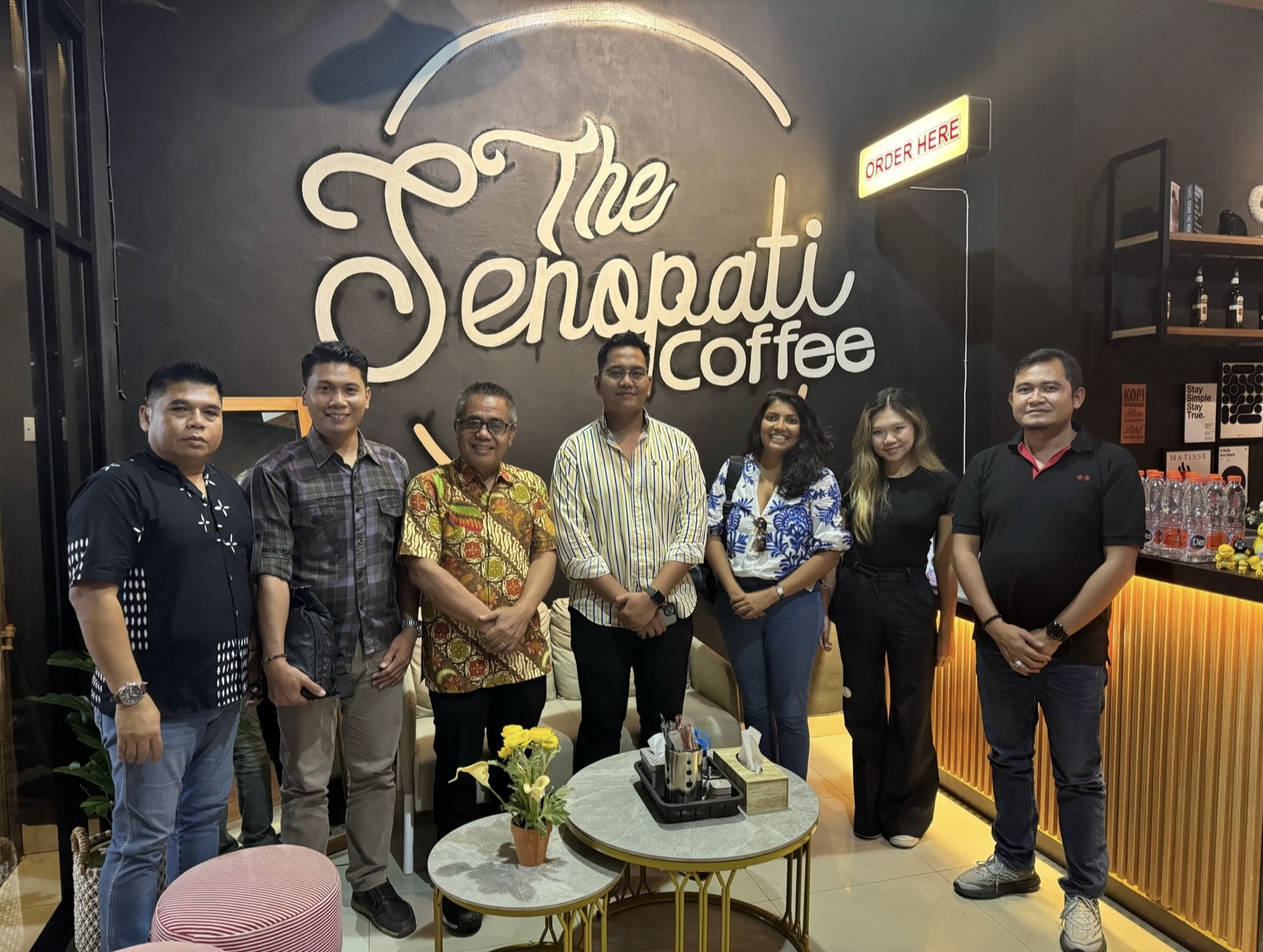
Amanda initially joined Wavemaker Impact as a Venture Analyst on a Work Holiday Pass, supporting the venture building team across two full build cycles and several markets. Her work includes carbon and market modeling, customer segmentation, on-the-ground research, and early product validation.
“We start by identifying a real-world problem worth solving and then figure out how to embed climate impact meaningfully within it. That means looking for areas where strong commercial and climate outcomes can go hand in hand,” she explains.
“We talk to dozens of people, including households, SMEs, developers, and work backwards from their pain points to design something that can scale.”
At present, she focuses on identifying high-impact opportunities to build climate-tech ventures. Each startup she supports aims to achieve two ambitious goals: reduce 100 million tonnes of CO₂ emissions and generate US$100 million in revenue.
She has conducted fieldwork in Indonesia, the Philippines, and Vietnam, engaging with potential users, installers, and product partners. “You get such different insights when you’re speaking to people in person, and you realise quickly that climate solutions need to be incredibly grounded to stick.
“A lot of what shaped my thinking came from seeing first-hand how people navigate issues like high utility costs, poor infrastructure, or lack of financing. It made me rethink how we frame climate solutions. They have to work for real people, not just on paper.”
A second chapter in Singapore
Having spent her undergraduate years in Singapore, Amanda did not feel like she was starting from scratch when she returned.
“It was not culture shock. It felt more like slipping back into a familiar rhythm,” she says. “Like picking up right where I left off.”
Outside of work, she enjoys slow weekends filled with café-hopping, long walks through different neighbourhoods, and catching up with old university friends.
“The week tends to move quickly, so I really value weekends as a time to slow down and explore. I am always on the hunt for great coffee or food, and Joo Chiat is one of those places that never gets old,” she shares.
Reflections on the Work Holiday Pass
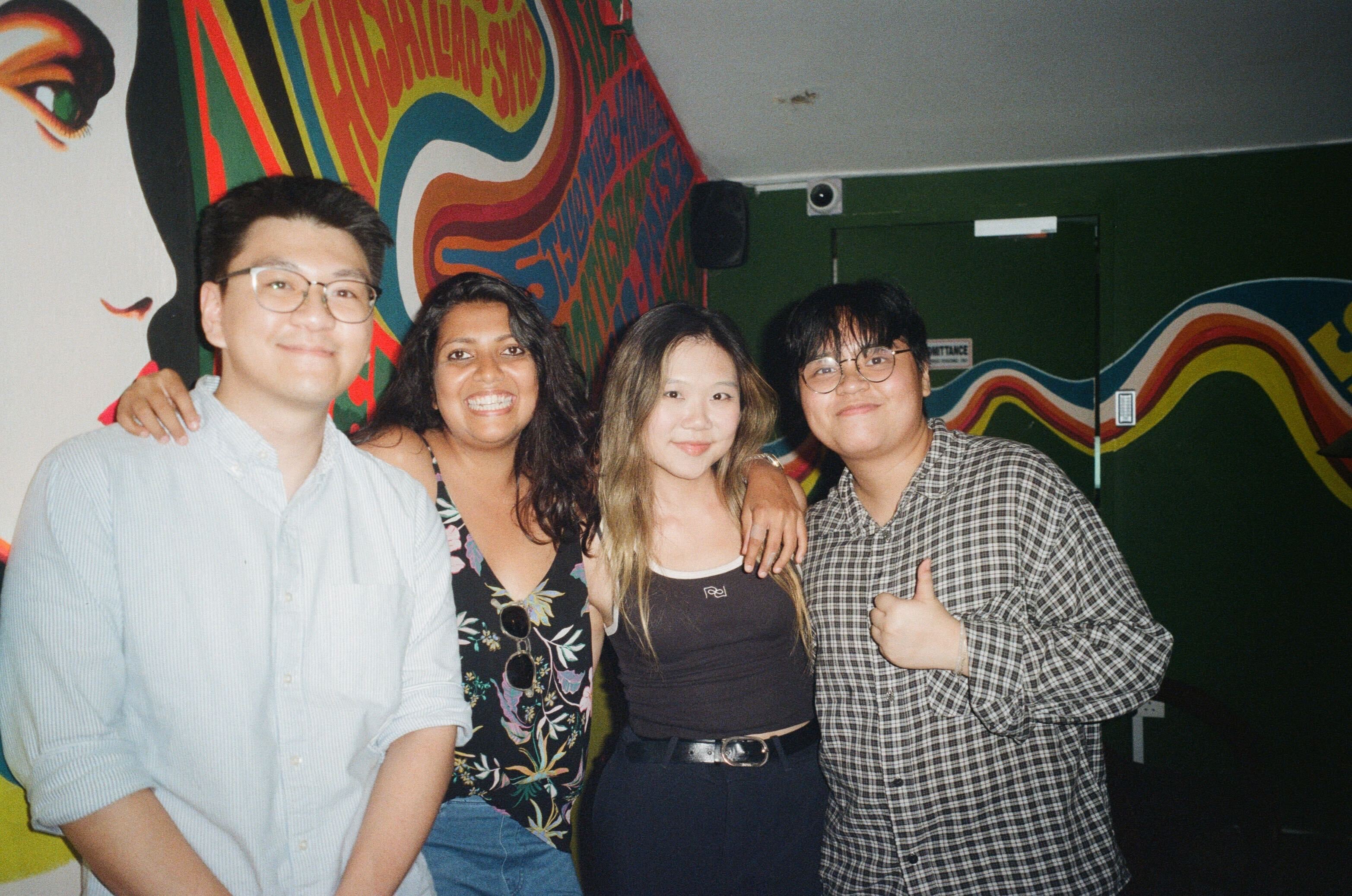
Amanda sees the Work Holiday Pass as a flexible bridge to employment in Singapore.
“It gave me the room to get started before transitioning to a full-time Employment Pass right away,” she explains. “For others who want to test out working in Singapore or the region, it’s a helpful first step.”
When asked what helped her the most, she says, “Honestly, just chatting with people who had done something similar: folks in startups, climate, VCs. Those conversations gave me a much clearer sense of what kind of work environment I’d thrive in.”
Looking forward
Amanda is now on a full-time Employment Pass, continuing her role at Wavemaker Impact.
“There is no one-size-fits-all approach to climate solutions,” she reflects. “What works in one country might not work in another. The only way to find out is to build with people, not just for them. That’s what keeps me here.”
Looking ahead, she is eager to continue growing in the climate-tech space, with a focus on Southeast Asia. For students and young professionals considering the Work Holiday Pass as she once did, Amanda’s advice is both practical and thoughtful: be intentional and take the initiative to connect with others.
“The Work Holiday Pass is a great way to experience what it’s really like to work in Southeast Asia,” she shares. “But before diving in, ask yourself what you hope to gain from the experience. Talk to others who have done it and learn from their paths. Those conversations can help you discover what fits.”
From professional circles like Young Women in Sustainable Development to platforms such as the Singapore Global Network, Amanda sees these spaces as gateways to friendships and new opportunities.
“Moving to a new place and immersing yourself in a different culture can be challenging,” she says. “But it is also one of the most powerful ways to grow. Stay curious and open; you might just find your place in ways you never imagined.”
Interested in working in Singapore?
Learn about our Work Holiday Pass and how to get started.
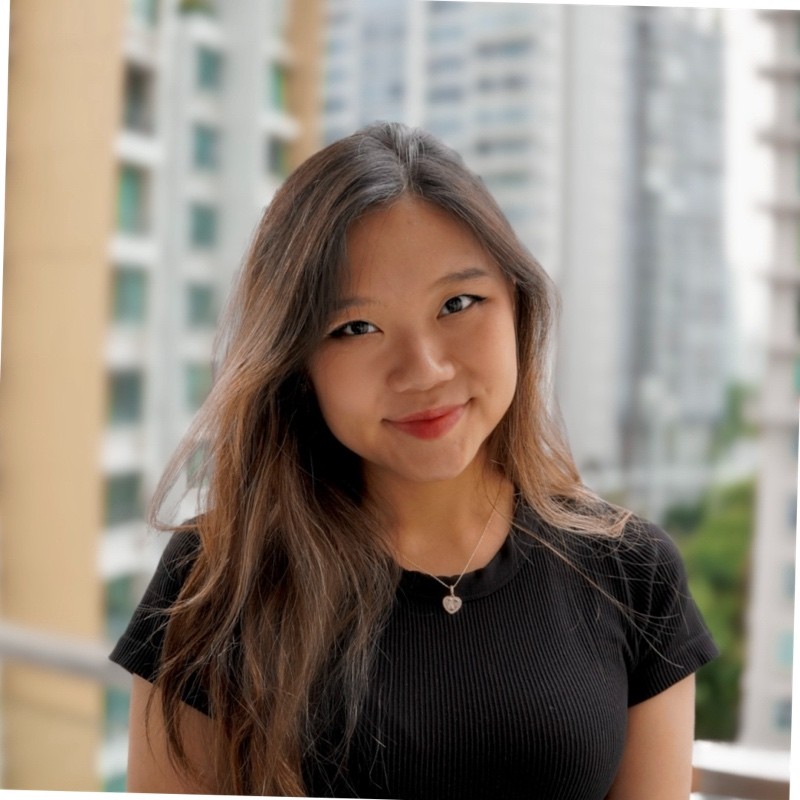
Meet Amanda
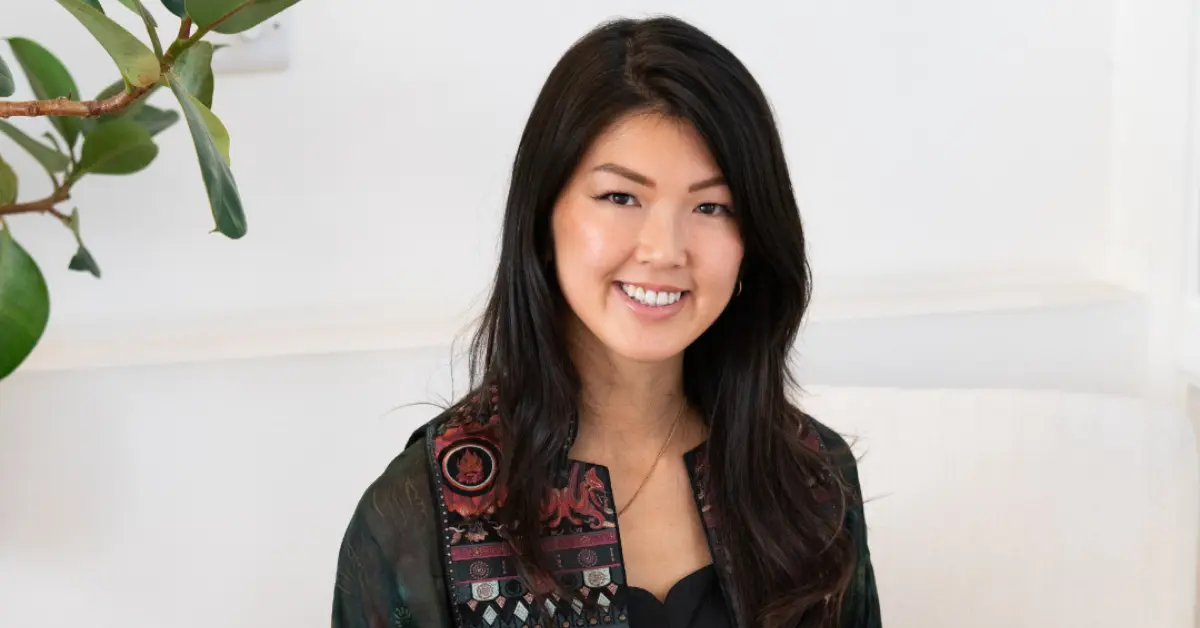
Amanda is a Venture Analyst at Wavemaker Impact, with a focus on climate-tech startups in Southeast Asia. After completing her Master’s, she returned to Singapore to pursue her passion for sustainable innovation.
Connect with her here.