By Sharmishta Sivaramakrishnan | 1 Aug 2025
On living across borders
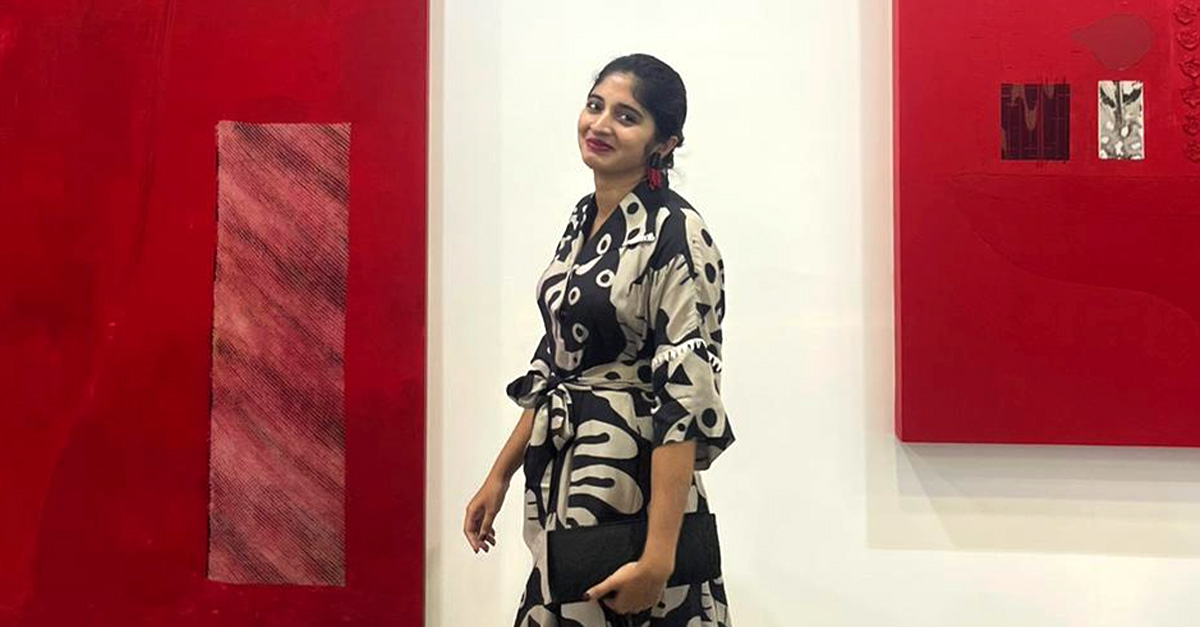
By 31, I’ve lived across 5 different regions—growing up, studying and working across the Middle East, Asia, Europe, North America, and now, in Africa. Each place has shaped a different part of me, but together they’ve taught me how to find belonging in motion—and meaning in complexity.
Each geographic move in my life has stretched my perspective, but also sharpened my sense of what I hold onto. Being a global Singaporean isn’t about choosing one identity over another—it’s about recognising how deeply that thread runs, even when everything else around me shifts.
There are things we hear on National Day, or in the MRT station, and then there are the things that actually make me feel Singaporean—the mundane, the magical, and sometimes even maddening.
I’ve spent years in and out of Singapore, attending international schools, working across borders at international organizations, and meeting Singaporeans in the most unexpected corners of the world. However, no matter how far I go, there are some tiny, unshakable habits and reflexes that remind me that while I feel like I’m from everywhere, I am also from our (not so) little red dot.
In the spirit of SG60, here’s a list of 60 visceral, personal, and oddly specific things that make me feel Singaporean.
1
Wondering if “Singaporean” is the short answer or the start of a 10-minute story
2
Kopi C siew dai in a glass mug, always. Although, I’m not too proud to admit that I forget my kopi nomenclature on occasion
3
Hearing at least three languages wherever I go, sometimes in the same sentence
4
Never carrying cash, but always having a mysterious stash of coins I can’t trace, and then using it as a reason to say Alamak!
5
Belting out Home every National Day with inexplicable muscle memory, whether I’m back on the island or on a plane
On the question “Where Are You From?”
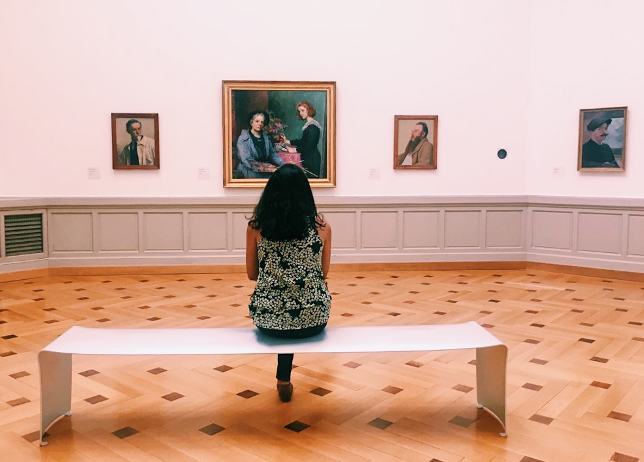
I’ve spent more time than I’d like to admit trying to answer the question, “Where are you from?” Sometimes “Singapore” is enough. Other times it opens a whole thread—about accents, citizenship, identity. But the more I travel, the more I realise: it’s not about where you were last based. It’s about what you carry. And Singapore lives in me in ways that are far more instinctive than intellectual.
6
Getting territorial about the best types of kueh
7
Taking my shoes off before entering anyone’s house—anywhere in the world
8
Having parliament.gov.sg bookmarked on my browser just to catch up with all the PQs in Parliament
9
Remembering the ComfortDelGro contact line (6522 1111, if you were wondering)
10
Feeling a strange comfort in the scent of pandan
On what becomes second nature
There are certain things about being Singaporean that just stick like second nature. I don’t need to write down certain phone numbers or MRT directions—I already know them (the Thomson-East Coast line was a strong contender for my favourite line during my recent visit). A whiff of pandan feels like a hug whether I’m walking by a Bengawan Solo or a bakery in Borough Market (London). It’s these lived moments that have become my other pairs of shoes, whether I’m walking on our island or elsewhere.
11
Arguing about which MRT line is the most superior
12
The urgency in "have you eaten?" being more emotional than nutritional
13
Having opinions about ERP gantries
14
Being able to explain CPF to someone... kind of
15
Missing the sound of the SMRT bus doors closing
On spotting fellow Singaporeans abroad
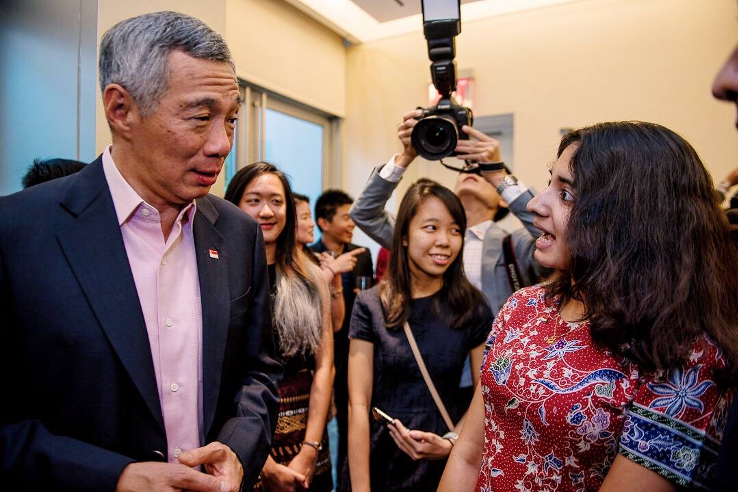
When you live overseas, you start to spot each other. Not just by a person’s accent or lah-sprinkled conversation, but by the questions they ask. “Have you eaten?” “Which MRT line did you live near?” “You brought back bak kwa or not?” Belonging isn’t always about location. Sometimes it’s just knowing someone else also misses the smell of pandan in the morning.
16
Knowing tissue paper is currency—especially during lunchtime at Maxwell
17
Trying to learn Singlish every chance I can, not because I can’t speak English, but because somehow it feels so fundamentally ours
18
Reserving tables with packets of tissue like it’s the Geneva Convention
19
Wanting kaya with every piece of toast (but only with salted butter)
20
Knowing where every embassy is along Tanglin Road without needing Google Maps
On our specificity of taste
We can be absurdly specific about things—where to find the best ang ku kueh, which MRT line makes the most sense, and how kaya toast should actually be done. But this specificity is also what makes me feel Singaporean.It’s what makes everything from our breakfast to our bureaucracy somehow distinct. Some may call it pedantic. I see it as our national passion for detail-orientedness—I live with a cup-half-full view. We want things a particular way and that penchant makes us all the more cohesive as a people.
21
The pride I feel when I see our flag overseas
22
Reckoning with the fact that our weather forecast is just: “hot, hotter, or raining while hot”
23
Knowing five kinds of noodles by name—and judging people who confuse them
24
Talking about MPs like they’re neighbourhood cousins
25
Laughing at how kiasu we are before anyone else can
26
Treating weekends like a race between errands, errands, and errands
27
Getting sentimental during SAF Day even if I never served
28
Knowing the difference between “nice to eat” and “shiok” on a cellular level
29
Knowing the lyrics to Home by heart
30
Obsessing over efficiency
On how we show that we care
I also love how we, as Singaporeans, like to say we’re practical, efficient, and no-nonsense. But we’re also quietly sentimental. We get emotional during the Pledge. We watch the NDP livestream from overseas and still cry a little when the fireworks go off. Even our complaints come from care. Because if we didn’t care, we wouldn’t have so many opinions about buses, hawker centre seating strategies, or ERP timing.
31
Saying “got announced already” like it’s the national news cycle
32
Ordering “everything also can” and meaning it
33
Explaining the nuances of chewing gum and its consumption in Singapore
34
Trusting news articles, but also triple-checking everything myself
35
Getting goosebumps during the Pledge
36
Feeling joy when someone abroad pronounces “lah” correctly
37
Being annoyed when I can’t remember rules, and even more annoyed when they’re broken
38
Attempting to use the word “paiseh” in diplomatic meetings
39
Knowing an absurd number of fun facts about Singapore’s Four National Taps
40
Filing feedback with People’s Association and feeling patriotic about it
On our love-hate relationship with rules
We have a strange relationship with rules. We memorise them, roll our eyes at them, and then get irrationally irritated when someone doesn’t follow them. We joke about being too rule-bound, but we’re also the first to whip out the feedback form. Maybe it’s because we’re fussy (just a little bit) but I like to think it’s also because we think things can always be better and I hope, mostly, because we want to help fix them.
41
Knowing the difference between PIE, BKE, KPE, and TPE like they’re close friends
42
Calling everyone Uncle and Aunty—genuinely
43
Having more loyalty cards than house keys
44
Buying Tiger Balm for every ailment
45
Feeling both pride and panic when Singapore is mentioned on CNN
46
Keeping a stash of shophouse photos on my phone
47
Getting lost in ION Orchard even though I’ve been there more times than I can count
48
Celebrating public holidays that don’t even apply to your religion
49
Explaining SingPass to your friends abroad and realizing how futuristic it is
50
Still referring to years as “Pre-Circuit Breaker” and “Post-Pandemic”
On what we carry with us
There’s a shared language we don’t realise we speak—part nostalgia, part a system upgrade. We track time not just in global events, but in whether the Bedok Interchange got a facelift. We keep shophouse photos like postcards—I would know, having carried shophouse paintings with me through the four countries I’ve lived in over the past seven years. No matter how tech-savvy we get as a nation, I still can’t find my way around ION without accidentally looping past the same escalator three times.
51
Being deeply pragmatic—and deeply idealistic—at the same time
52
Knowing that queuing is a competitive sport
53
The peace of seeing four different faiths on one street
54
Knowing that if I say “I’m at Parkway,” I don’t need to explain further
55
Planning everything around rain, even if I forget to bring an umbrella every time
56
Incredibly proud that the Botanic Gardens is a UNESCO World Heritage site
57
Believing that if the Bedok otters are thriving, we must be doing something right
58
Crying a little during the National Day Parade, even from a live stream
59
Surviving Outward Bound Singapore (OBS) at age 13 and still using it as proof that I can handle anything
60
Loving Tiong Bahru for its tension—old estates, indie film vibes, and the same (legendary) chwee kueh
On how everything co-exists
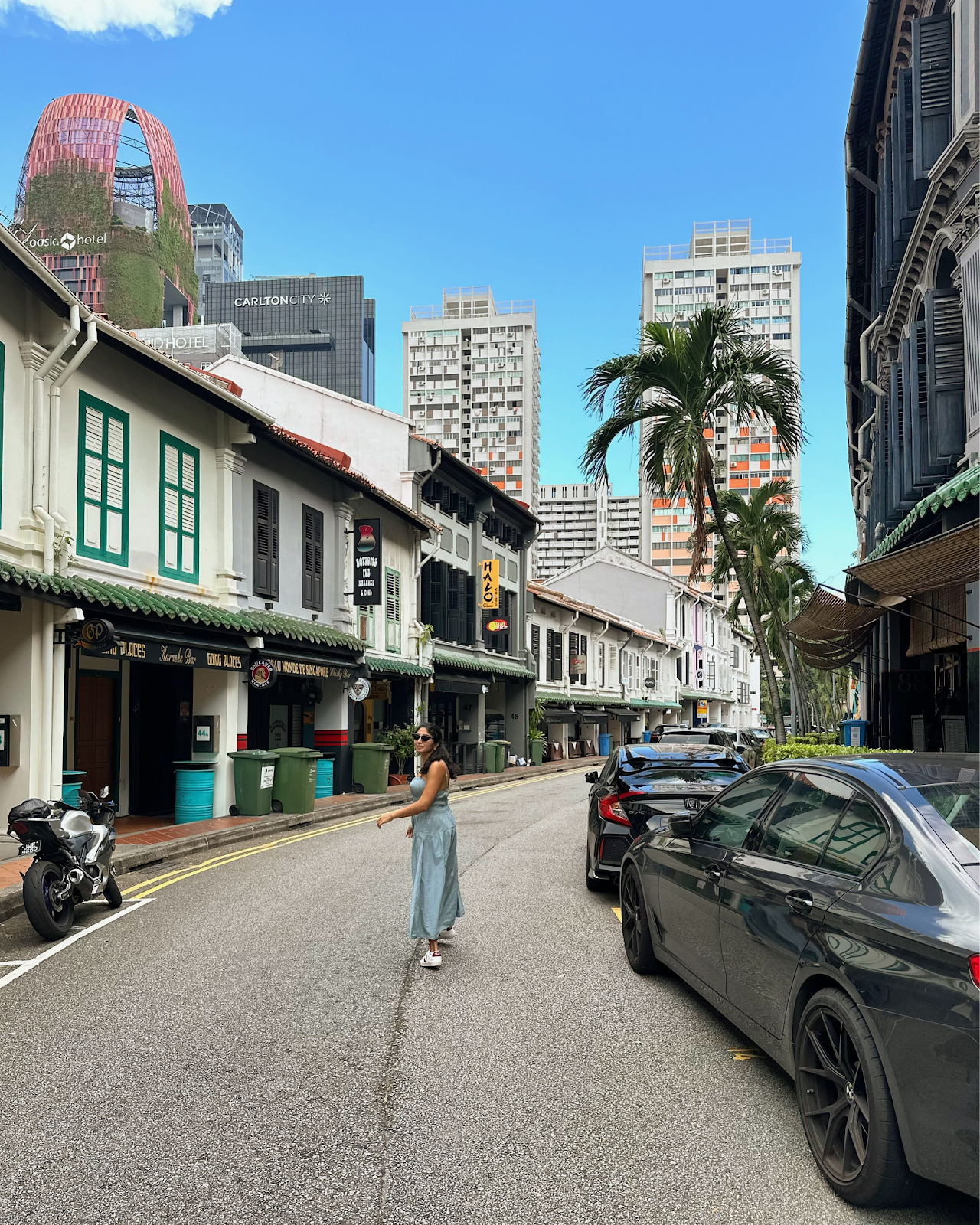
We’re a small place, but we contain multitudes. The uncles at Tekka and the kids in Supreme hoodies. The old flats and the new rooftops. We’ve got indie film screenings next to hawker stalls that haven’t changed since 1982—and both are full.
We love systems, but we’re full of exceptions. We believe in progress, but also in keeping things just the way they were. We plan our lives in calendar invites and yet somehow always manage to bump into someone we know at Keong Saik Road. I know we’re structured, not sterile. There’s a vibrant pulse underneath these quirks—and it’s ours.
Together, these 60 things form a kind of visceral fingerprint of my Singaporeanness. Being Singaporean isn’t one thing, and that’s the point—it’s different languages, cultures, and experiences. You don’t need the same 60 to belong—we carry Singapore in different ways.

Meet Sharmishta
Sharmishta Sivaramakrishnan, a Singaporean development economist, leads Global Operations for 35+ countries at the Clinton Health Access Initiative. Having lived across the Middle East, North America, Europe, and Asia, she previously worked at EY–Parthenon, the Singapore government, and global organizations like the UN. Passionate about healthcare and sustainable development, she holds degrees from George Washington University and the Graduate Institute, Geneva.
Connect with her here.