By SGN | 26 Sep 2025

Hilwan Idrus’ journey into technology began with art.
Growing up in Singapore, he dreamed of a career in animation and 3D modelling, enrolling in Nanyang Polytechnic’s Digital Media Design course in 2003.
But as he worked on group projects, his curiosity took him in another direction. “I found myself more fascinated by the logic behind how things work, than by creating visuals,” he recalls. “I enjoyed solving problems more than designing the artwork.”
By his third year, that curiosity crystallised into action. He began building websites for anyone willing to pay, without even realising he had started freelancing. When his family faced financial challenges, those projects became a crucial way to help support them.
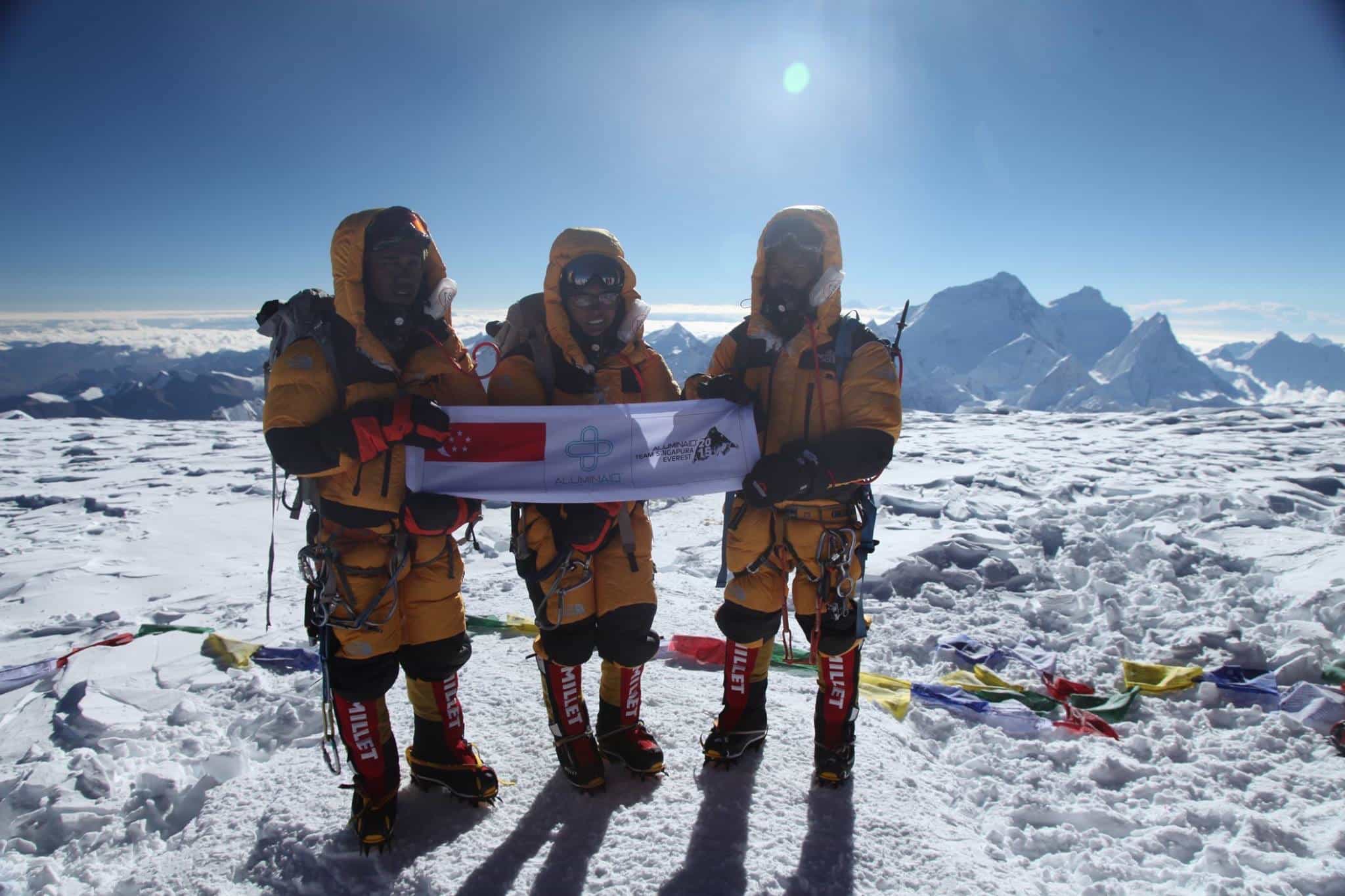
Since then, Hilwan’s path has been anything but conventional. He turned down a scholarship, left university early to pursue full-time work, and even served as Captain of the Singapore Everest Team.
Today, Hilwan leads global technology projects for Mastercard in Missouri, combining his artistic sensibility with technical expertise to create meaningful solutions.
“What’s kept me going all these years is the joy of creating something useful, whether through code or climbing,” he reflects. “That spark has never gone away.”
Opting for real-world experience over formal education
Hilwan enrolled in the Bachelor of Fine Arts programme at Nanyang Technological University in 2008, a natural progression from his Digital Media Design studies. But it did not take long for him to realise that the classroom was not where he thrived.
He had already begun freelancing in his third year of polytechnic and continued through university, finding himself far more energised by real projects than by textbooks and lectures. “I was more interested in actual work than schoolwork,” he chuckles.
His belief in learning by doing grew stronger when he landed a freshman-year internship at Digital Arts Network Singapore, a studio specialising in interactive media and digital design. This was a rare opportunity, especially since most students only secured internships much later in their studies.
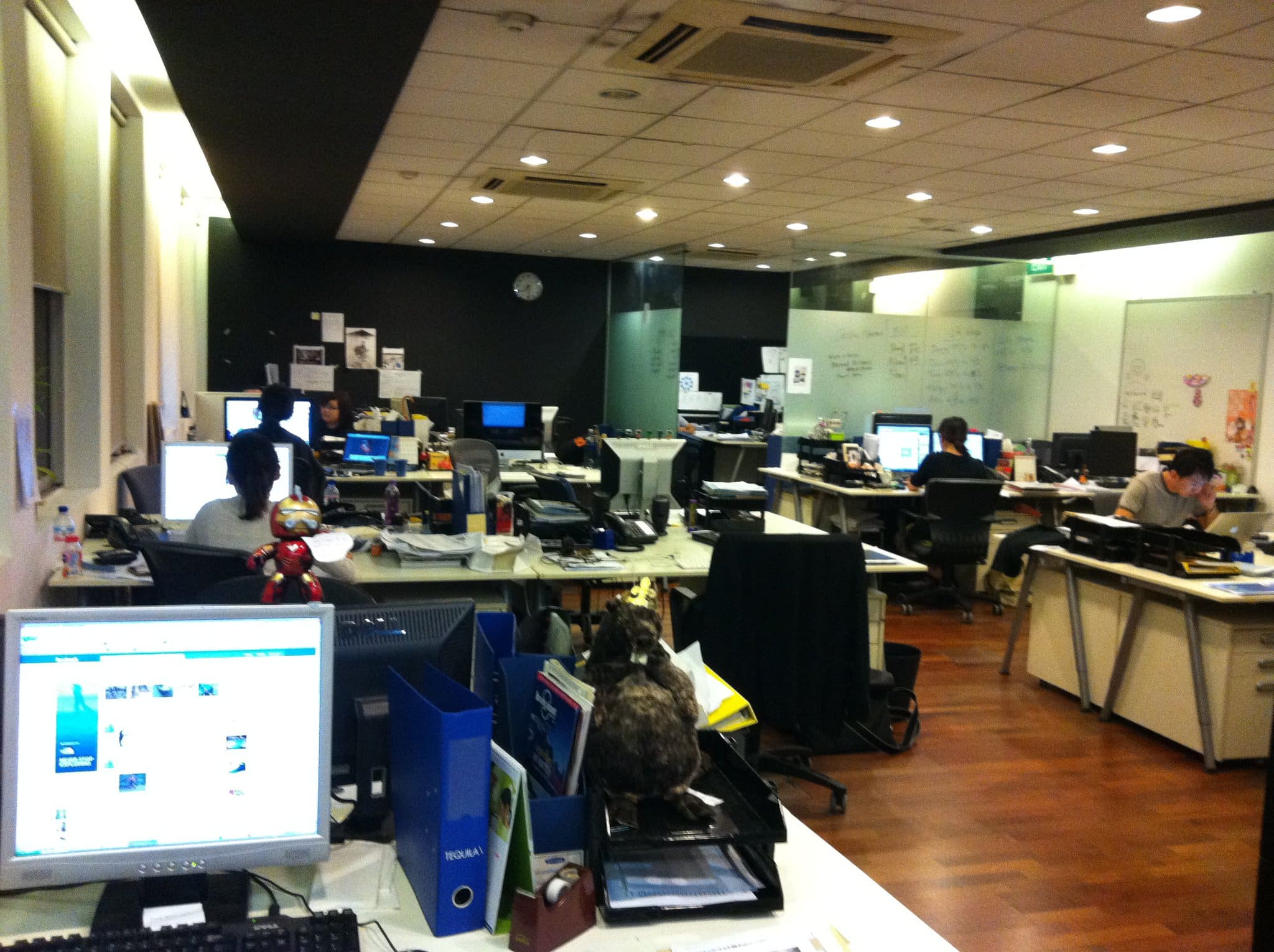
During his internship, Hilwan immersed himself in interactive media development, contributing to projects like the Singapore Airlines and StarHub regional websites. He programmed interactive elements, coordinated development, and designed user-centred experiences that were both functional and creative, drawing on his art background to add a thoughtful touch to every project.
He performed so well that Digital Arts Network Singapore offered him a full-time role before he had even completed his first year. “It confirmed what I already knew. My strength lay in creating real solutions, not just studying theory,” he reflects.
After this experience, Hilwan decided to leave NTU and focus entirely on building his career.
How design thinking matters in engineering
Although Hilwan didn’t finish his degree, the lessons he learned from his art background stayed with him.
“Art taught me to pay attention to form, flow, and intention,” he says. “It is not just about whether something works, but how it feels to use it. Even the smallest details, such as a smooth animation or a subtle shadow, can completely transform the experience.”
Design thinking shapes everything Hilwan builds. Be it designing a complex merchant software development kit, developing internal tools, or shaping a frontend experience, he always stops to ask himself: Does this make sense? Is it easy to use? Does it naturally guide the user?
One defining moment came early in his career. “Back in 2012, I was at TBWA working on a campaign website for Singapore Airlines,” he recalls. “Parallel scrolling websites were all the rage, but there weren’t any tools to build them yet. That meant everything had to be built from scratch.”
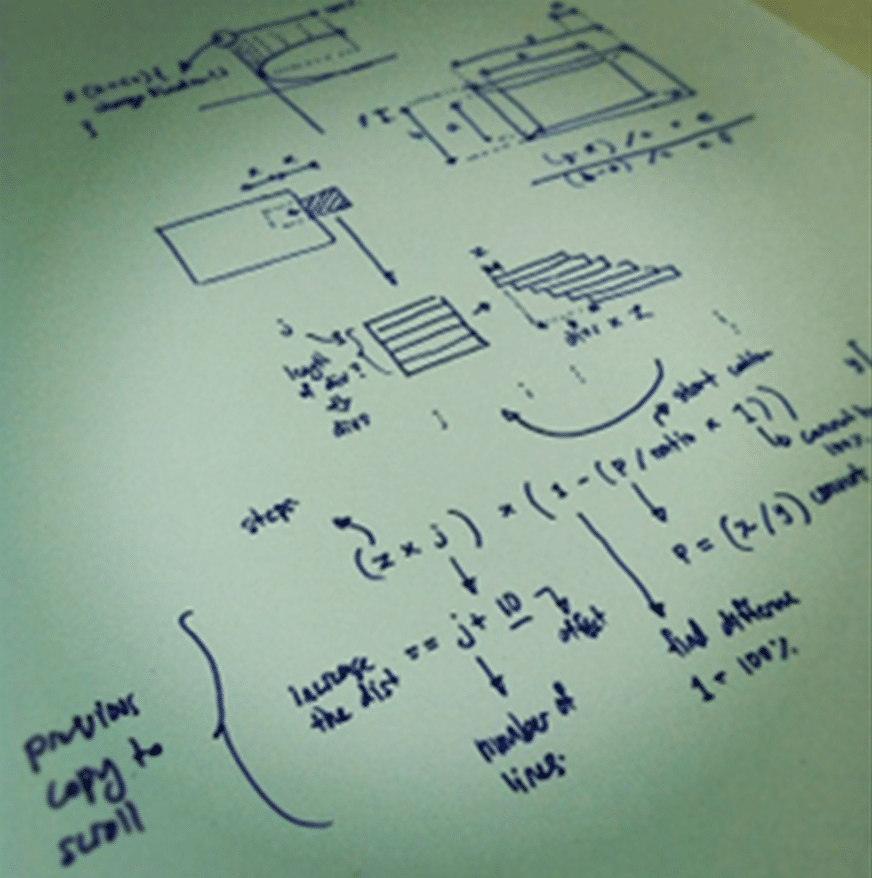
He had to work out the math behind infinite scrolling on his own and code it all, using plain JavaScript. On top of that, the site needed to run smoothly on older versions of Internet Explorer, which came with its own set of headaches. “It was tough, but honestly, I loved every minute of it,” he says.
Hilwan recalls spending long nights and weekends fully immersed in writing code. When the website finally launched, Singapore Airlines showed their gratitude by gifting him return flight tickets for the weekend.
“That meant a lot to me,” he says. “It wasn’t just about the tickets. It was proof that my work really mattered, and that I was building something people actually cared about.”
Honing leadership skills as Captain of Everest Team
While working in Singapore’s fast-paced tech scene, Hilwan sought a way to balance long hours at a screen with something physically demanding.
He started with 10K runs and gradually moved on to half marathons, full marathons, and ultra-distance races. Before long, the standard 42 kilometres felt too short. “I even started running to race venues before the events had begun,” he recalls.
Hilwan’s dedication showed in his weekly runs. Every Wednesday, he jogged 30 kilometres from Woodlands to Tanjong Pagar, and every Saturday 45 kilometres to Tampines, a ritual he kept for a year. On one occasion, he spent ten hours covering 65 kilometres overnight from Labrador Park past East Coast Park to Changi Village and back, “just for fun.”
This relentless drive soon led him to multi-day challenges, including the gruelling three-day Sabah Adventure Race in 2011.
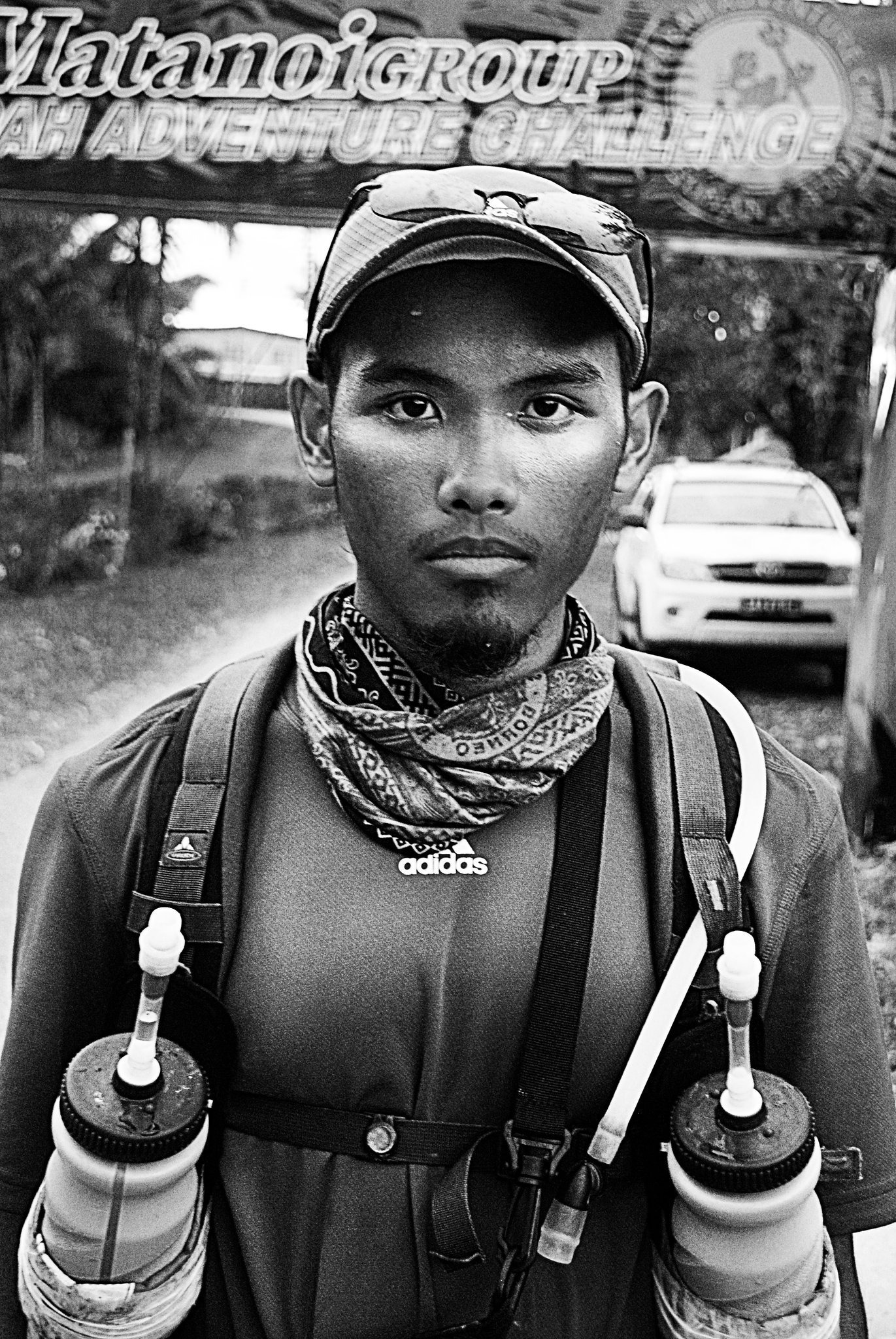
What began as a way to stay fit soon became a fascination with endurance, discipline, and testing his own limits. That curiosity eventually drew him to the mountains.
“I grew up on bedtime stories of adventures on Gunung Ledang (Mount Ophir), a mountain in Johor, Malaysia which my grandmother climbed,” he says. “My mum also climbed it when she was ten, wearing school shoes and a skirt.”
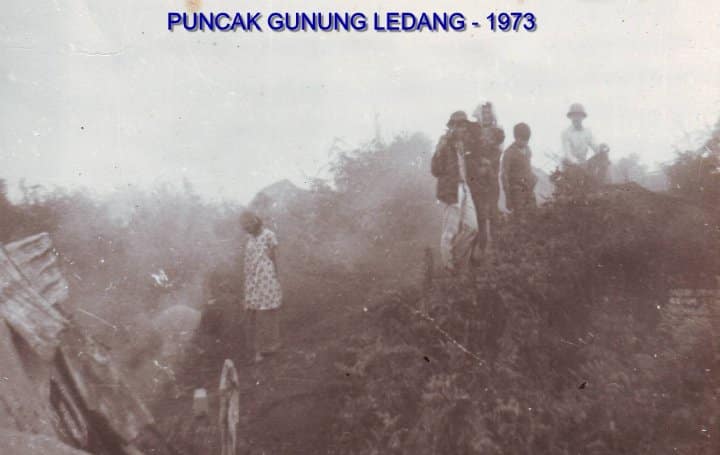
Hilwan’s mother, a long-distance runner who nearly represented Singapore in national track and field events, inspired Hilwan to pursue his own path in climbing and represent Singapore in high-altitude expeditions.
His early climbs, including Mount Shitidhar, revealed the demands of high-altitude expeditions. The turning point came during training for Mount Cho Oyu, a crucial step towards Everest, when he suffered a stroke in 2014.

The following year, he stayed in Singapore while his team attempted Everest. When a devastating earthquake struck Nepal, he took on a different role, coordinating logistics, boosting morale, and helping his team make clear decisions from afar.
“Looking back, those years were transformative, not only for my climbing but also in how I approach challenges in life,” he reflects. “The mountains taught me resilience, patience, and the ability to stay calm when everything feels like it is falling apart.”
Taking a second leap of faith: joining Mastercard in Missouri
After several years of building his career in Singapore, Hilwan took a big leap of faith to join Mastercard in Missouri.
“I first heard about the role through my professional network during my Everest expedition, and my resume eventually reached a headhunter in O’Fallon, just an hour from St Louis, where my wife had taken a postdoctoral research role,” he recalls.
The offer from Mastercard actually came with a 17 per cent pay cut compared with his role as a Senior Software Engineer at AZQORE. “I took it anyway,” he says. “I knew how important the US was for my wife’s research. It was worth it.”
That initial sacrifice soon paid off. Thanks to the work and improvements he made on Mastercard Gateway, his salary had risen nearly 50 per cent by his third year, and he was granted vested Mastercard stock as early as his first year. “Looking back, the initial pay cut didn’t matter at all,” he reflects.
At Mastercard, Hilwan brings the same resilience and problem-solving he honed in the mountains into his work, approaching challenges with focus, creativity, and determination.
“These days, my mornings start early,” he shares. “By 8am, I’m in meetings with special interest groups like Architecture and Frontend. It’s a great way to stay connected and tackle challenges together.”
After those syncs, he dives into hands-on work. “Right now, I’m untangling a legacy codebase, upgrading old dependencies, and making sure everything stays stable. The product is live, so I have to be very careful not to break anything.”
Code reviews take up a large part of his day. “I’m meticulous about them. I run tests that cover all features, ensure no unnecessary dependencies sneak in, and that everything fits our architecture standards. It’s about building reliable software, not just shipping code.”
One of his proudest achievements was fixing a messy process at Mastercard Payment Gateway Services, where merchant configurations were a constant headache.
“Every engineer kept their own copy of the merchant payment configuration, which would get passed around like a hot potato. There was no owner or process. So, during lunch breaks, I built a tool for myself. It ended up being adopted company-wide and saved countless hours.”
Now at Mastercard Connect, Hilwan builds internal design tools used across the company and created an AI helper to answer common questions about integrations and bugs, freeing the team to focus on bigger problems.
“What excites me most is that my work sits at the intersection of payments and AI,” he says. “Payments must be secure and the AI accurate and transparent. Balancing automation with trust is tough, but that’s what makes it rewarding.”
Hilwan’s approach is simple: smooth out the bumps so engineers can focus on solving real problems. “Good engineering isn’t just about speed or flashy features,” he reflects. “It’s about creating flow and building tools so intuitive they fade into the background and let you get the job done.”
Adapting to life in Missouri
Moving from Singapore to Missouri turned out to be a bigger adjustment than Hilwan had anticipated.
His wife arrived first for her postdoctoral research role at Washington University in St. Louis, now an Instructor there, right in the middle of a cold January in 2019.
“For someone like me, born and raised in the tropics, that winter was a real shock,” he says. Hilwan joined a few months later but missed his connecting flight in Chicago and had to take a five-hour train trip to St. Louis. “It was definitely not how I imagined arriving,” he laughs.
“The pace of life here is completely different,” he shares. “Everything feels slower and more spread out compared to Singapore’s constant buzz. Public transport is almost non-existent, so you have to drive everywhere. Even simple things like government services take longer, and most shops close by 8pm. Walmart is probably the only place open late!”
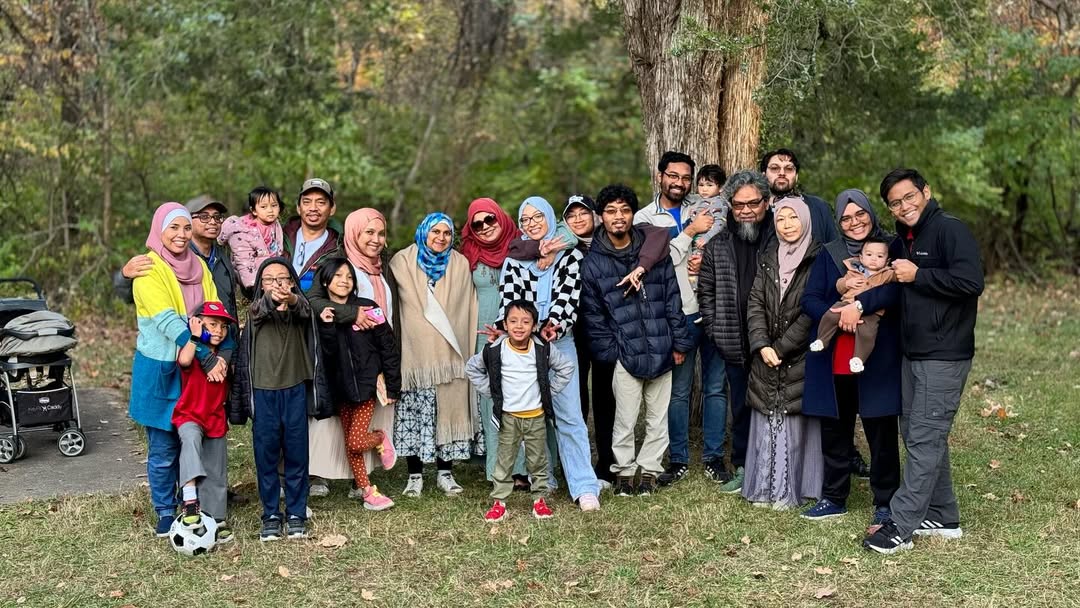
Hilwan was pleasantly surprised by the sense of community. “One day, while in a mall parking lot, a Malaysian Malay Muslim greeted me with ‘Assalamualaikum’ (Peace be upon you),” he recalls. “That simple greeting led me to meet a Singaporean Malay Muslim family who had been living here for over five years.”
Through that connection, he discovered a network of families from Malaysia, Singapore, and Indonesia. Today, more than ten Malay Muslim families in St. Louis form a close-knit and supportive community.
Still, Hilwan misses the little things from home. “Nothing beats grabbing three-dollar nasi lemak (coconut milk rice) at midnight or chatting over teh tarik (pulled tea),” he says with a smile. “We even tried to cure our homesickness at a hawker stall in New York, but paying twenty dollars for a bowl of laksa just made us miss home even more!”
He chuckles at the small changes in himself. “After seven years, an American accent has crept in, but I can still switch it off when I want. And tipping was funny; I once tipped a hawker auntie in Singapore, and she was so surprised she gave me extra begedil (fried potato patty)!”
Outside work, he unwinds by building small apps to automate repetitive tasks. He enjoys long family drives, like the nine-hour trip to Dearborn, Michigan, just for halal food. “We ate like there was no tomorrow,” he grins. Weekends are filled with hiking, camping, grilling steaks, and long-distance running.
Through it all, Hilwan has grown to appreciate Missouri’s slower pace. “Life here is different, but in a good way. I’m learning to enjoy the space, the quiet, and the simple moments with my family.
Advice for aspiring engineers and leaders
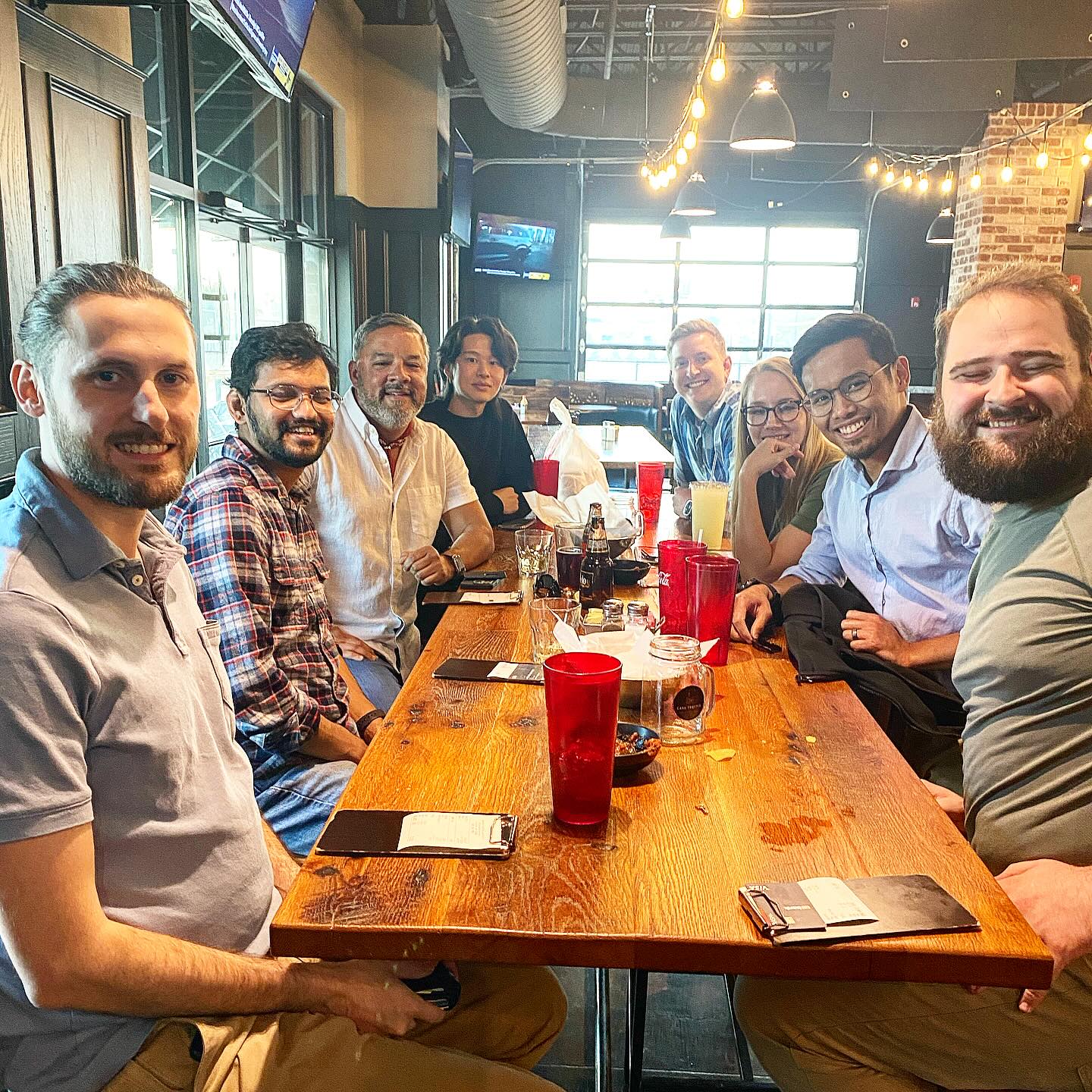
Hilwan often reflects on a defining moment early in his career in Singapore.
“When I was told lunch breaks were strictly one hour, even on Fridays, I knew it would clash with my Friday prayers. I explained I could stay late or work weekends, but Friday prayers were non-negotiable,” he recalls. “That honesty earned me the job and taught me two things: stand firm on your values and be upfront.”
For Singaporean engineers considering working overseas, he offers practical advice. “Singapore is fast, efficient, and reliable. Other places may not be. You need patience and flexibility. Communication is key. Many of us are naturally reserved, but you have to speak up. Do not just explain what you are building; explain why it matters, how it saves time, money, or effort for the company.”
Hilwan sees leadership as beginning with small acts of service. “Help someone unblock a problem, improve a process, or build a simple tool. Leadership often starts by making things better for those around you. You also have to get comfortable making decisions even without all the answers.”
“Real engineering is not about React or Angular, it is about solving problems,” he says. “Build small projects or tools that put your skills to use. Take the initiative, but if it does not help the team or save time, know when to move on.”
“Stay curious, ask why, and do not wait to be told what to do.”
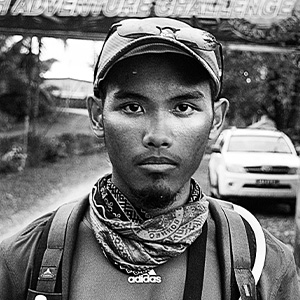
About Hilwan
Hilwan Idrus is a Tech Lead at Mastercard in St. Louis and former captain of the Singapore Everest Team. He began in digital media and art in Singapore, but a curiosity for problem-solving led him to coding and a career in the US, where he now leads global tech initiatives blending creativity, adventure, and engineering.