By SGN | 14 Nov 2025
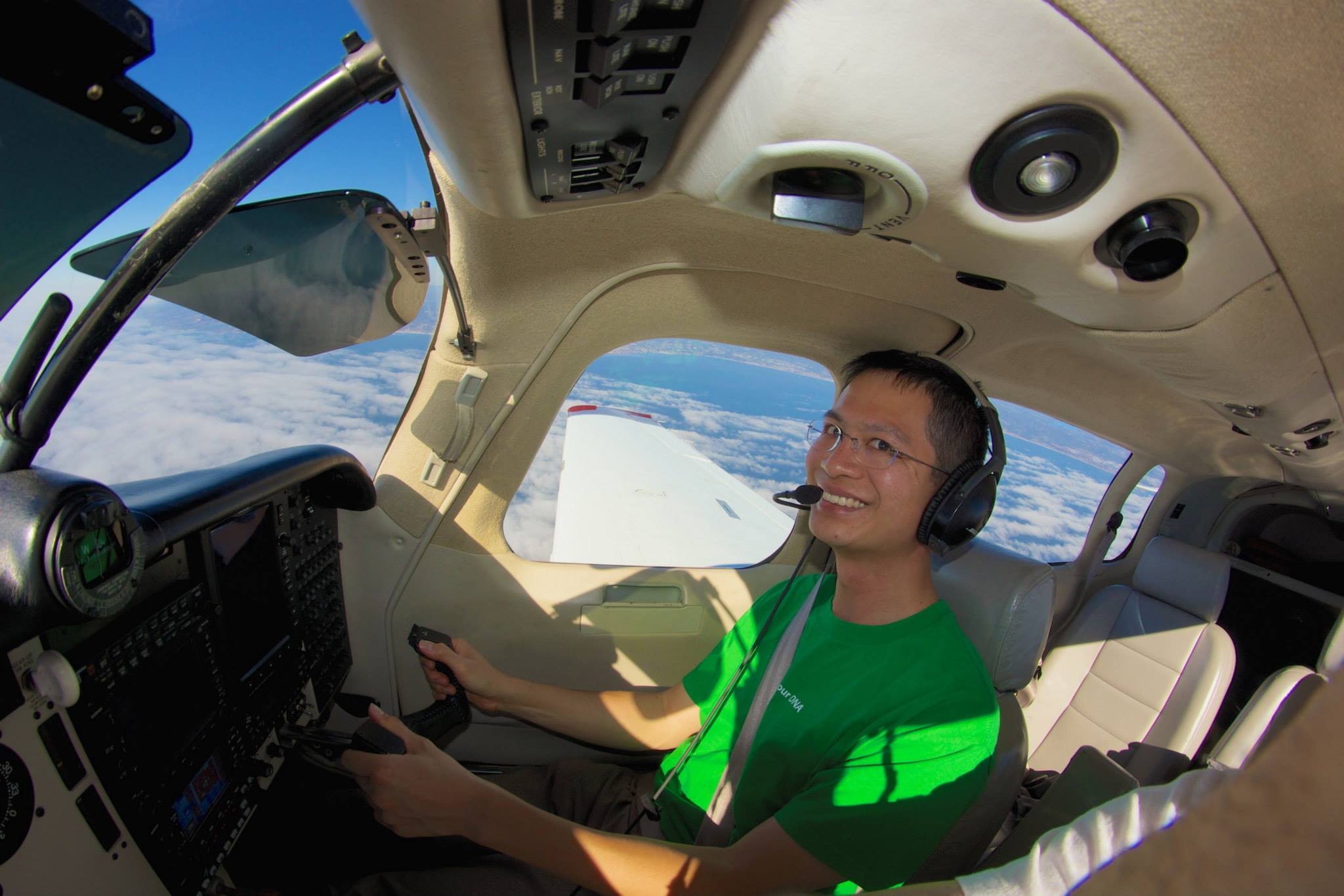
Growing up in Singapore, Mark often worried about not following the “right” path, which meant going through the Express Stream, completing National Service and getting into a local university. But one English class changed his perspective.
“Our teacher asked us to grade each other’s essays,” he recalls. “A classmate wrote about why she wanted to study in the US. Her essay spoke about broader horizons and exploration. It inspired me to dream differently, even if it meant taking another route.”
After completing his studies, Mark joined Apple in 2003 as a Hardware Engineer, working on some of the company’s most iconic products, including the iMac and early iPad. Life in Silicon Valley was exciting, but something felt missing.
“I missed the food, the culture, the little things that made Singapore feel like home,” he says. “That’s when I realised I wanted to connect with other Singaporeans abroad.”
He found that connection through SingaporeConnect, a community that brings people together through shared meals, cultural celebrations and professional networking. What began as casual participation soon turned into leadership. Today, Mark serves as President, keeping the kampung spirit alive across the Pacific.
“In many ways, it feels like a full circle moment,” he reflects. “Through these experiences, I’ve learnt that the world can be both small and vast, familiar and different, all at once.”
How childhood curiosity set Mark on a path to the US
Mark’s fascination with computers began in the family living room in Singapore.
“As a child, I loved tinkering with my dad’s Apple II+ work computer,” he recalls. “One day, I watched him typing away and grew curious: what could this device do, and what could I do with it?”
To his delight, his father let him have a go. Soon after, a young Mark picked up a book on programming and typed out his very first programme.
“From then on, I kept returning to Queenstown Library to borrow programming books,” he says. “I would copy out the programmes, tweak little things, and before long I was creating my own. That was when I first imagined a career in programming.”
Mark’s father, however, wanted him to pursue engineering. They came to a compromise: Mark was to study computer engineering, a harmonious blend of his passion for programming, and his father’s wishes.
Based on the recommendation of friends, he chose to study in the US, enrolling at Carnegie Mellon University in Pennsylvania for his undergraduate degree. It was only after arriving that he truly began to appreciate the difference in study culture.
“In Singapore, education was structured, with fixed syllabi and clear expectations,” he explains. “In the US, it was about curiosity and exploration, which suited me perfectly because I’ve always been the sort of person who likes to discover things on my own.”
“At Carnegie Mellon, you could wander outside your department and take on projects in completely different fields. The whole environment encouraged you to think beyond boundaries.”
After his Bachelor’s degree, Mark pursued a Master’s at MIT. “There was a vibrancy there that I’d never experienced before,” he says with a smile. “There were more parties, especially with Harvard and Boston University nearby. But what struck me was the change in mindset. Instead of merely chasing grades, the students wanted to change the world.”
Those years left a lasting impression on him. Mark still donates regularly to both universities as a token of gratitude for how they shaped his journey.
“I had the best of both worlds,” he reflects. “Singapore gave me a strong foundation, and the US gave me the freedom to explore.”
An Apple career for 22 years and counting
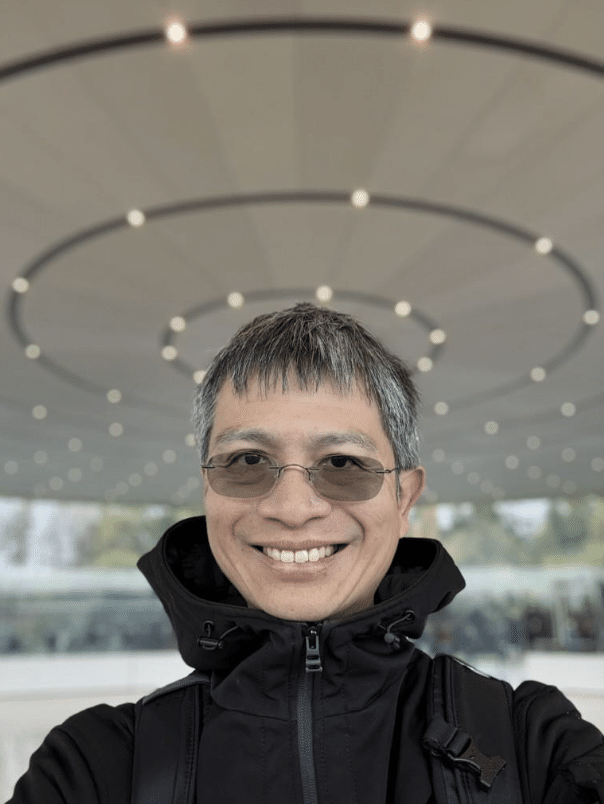
For Mark, receiving a job offer from Apple felt like a full circle moment, even though he never actually applied.
“It started with an internship, not through a traditional interview,” he recalls with a laugh. “An Apple director came with his team to give a presentation. I took photos and made a small web page about their visit, then sent it to them afterwards. The director replied and asked if I would like to intern with Apple.”
What followed was an unexpected courtship. “When the manager called me, I thought it would be an interview,” Mark says. “But instead, he spoke about how great it was to work with his team and hoped I could join them. I was excited but cautious, since the career centre had advised me not to accept anything without an official offer letter, and Apple could not issue one that early.”
For the next three months, the manager kept in touch, even sending a hamper filled with apple-shaped chocolates to persuade him. “One of my classmates joked that I was playing hard to get,” Mark laughs. “That made me realise I should just say yes.”
Years later, he asked the director why he had chosen him in the first place. “He told me it was the initiative I showed in putting together that web page, and how it captured the story of what made Apple’s products so special. That really stayed with me.”
That offer brought Mark across the United States once again, from Massachusetts to the heart of Silicon Valley. He had no way of knowing then that he would help shape some of Apple’s most iconic products.
“At that time, the energy at Apple was incredible,” he says. “Innovation was everywhere. We felt like we were building the future. It was thrilling to be part of something so transformative.”
Mark began his Apple journey in 2001 as a Hardware Engineer, working on system characterisation for early iMac models. He tackled challenges such as PCI testing and ensuring Bluetooth and wireless systems could coexist without interference.
Over time, his role expanded. As a Hardware Design Engineer, he contributed to a long list of breakthrough products, from the iMac G4 and G5, to the first Intel-based iMac and Mac Pro, and even the original iPad 3G. These experiences gave him the rare opportunity to help shape products that defined Apple’s identity.
Later, as an Engineering Manager, Mark led system electrical engineering and hardware design for the Mac mini and Mac Pro.
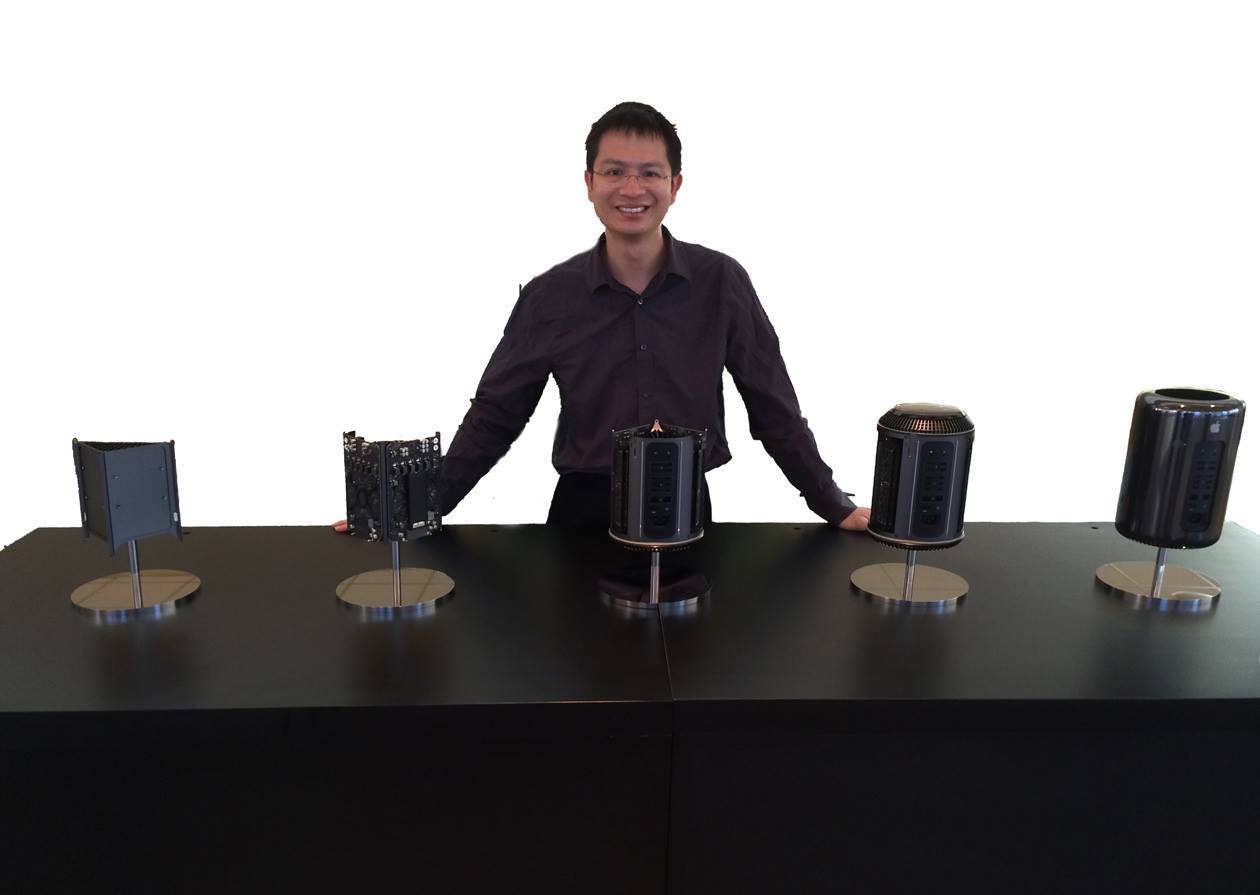
“That role was about bringing ideas together and turning them into products people did not even know they wanted,” he says. “It was about making something elegant, functional, and reliable, all at once.”
Today, as an Engineering Architect, Mark works at the intersection of architecture, system electrical engineering and hardware validation. He collaborates with cross‑functional teams to integrate meaningful optimisations and design systems that propel innovation.
“It’s about seeing the bigger picture,” he explains. “Whether it is a visible change in design, or a subtle improvement in how systems work together, it all contributes towards products people trust and enjoy.
Mark reflects on how much technology has changed. “Memory used to be precious. Back in the Apple II+ days, which was just one of the early styles of the original Apple II, four thousand bytes was a lot. Even storing two extra digits for Y2K felt like a big deal. Today we hardly think about it, but that lesson stuck with me. It shaped my approach to efficiency.”
From volunteer to president at SingaporeConnect

Even with a thriving career at Apple, Mark craved deeper connection to his Singaporean roots, especially being so far away in Silicon Valley.
“You can’t find good chicken rice or Hokkien mee (Hokkien fried prawn noodles) here,” he says. “And there is nothing quite like Singapore culture, from Singlish to the way we talk about Singaporean things. I also missed how efficient our government and public services are compared with here. That made me want to find a way to connect with my fellow Singaporeans.”
His search led him to SingaporeConnect, an organisation founded in 2005.
“SingaporeConnect began with simple gatherings in the South Bay,” he explains. “More and more Singaporeans were coming over to work in Silicon Valley, and these events became a way to connect.”
Mark joined the organisation in 2007, when social media was still in its early days. He viewed these events, like Lunar New Year celebrations and potlucks, as a lifeline to home. Drawn by the spirit of community, he began volunteering and gradually took on more responsibilities in planning and growing the group.
“Over time, we tried different kinds of events and saw more people joining in,” he says. “I hope we have helped Singaporeans feel at home here, while also building bridges with the wider community and strengthening Singapore’s presence in Silicon Valley.”
By 2008, he was invited to take on the role of President. Already passionate about community building, he welcomed the opportunity. “It felt natural,” he mentions. “When something matters to you, you give it your all.”
Leading a community with SingaporeConnect
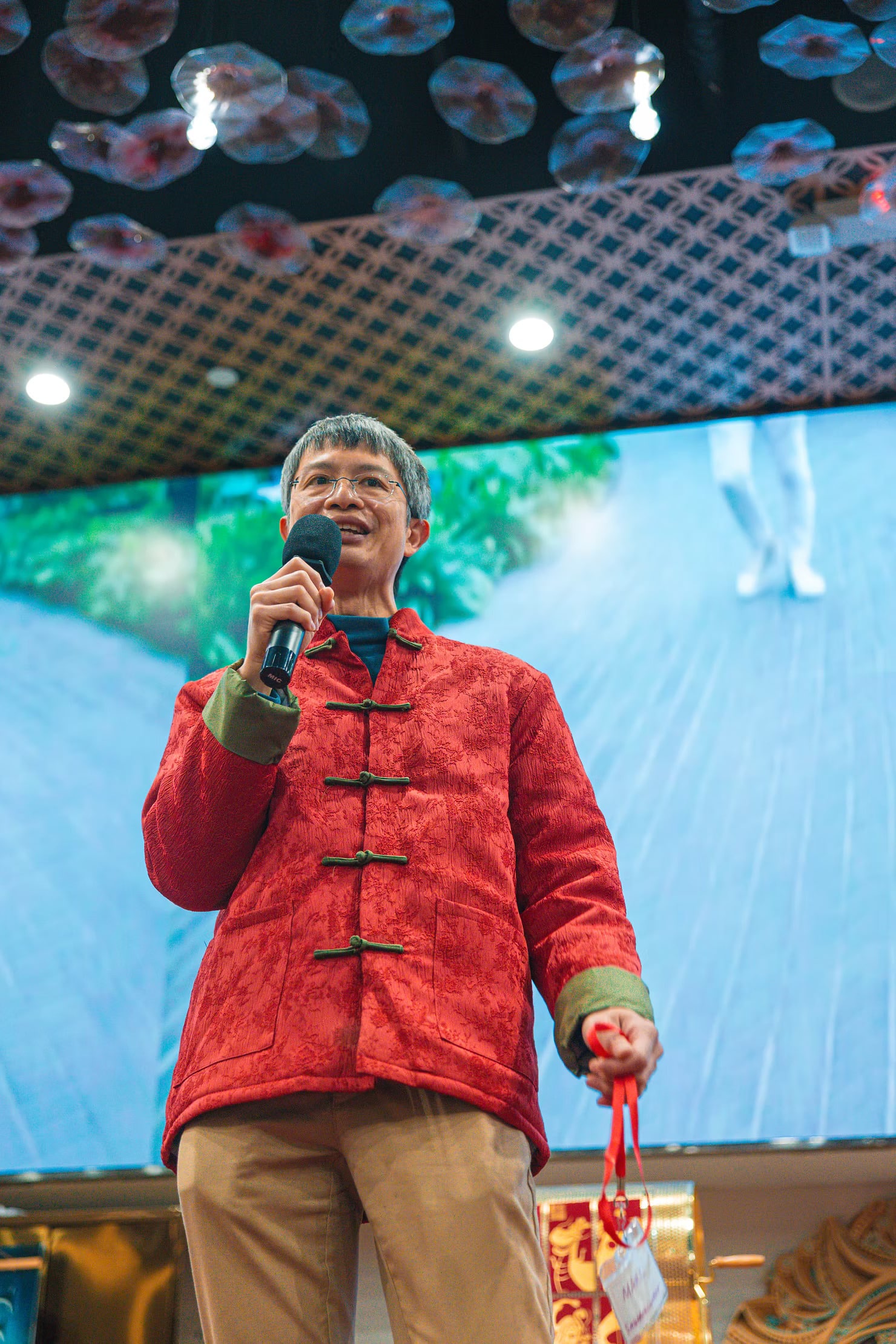
Under Mark’s leadership, SingaporeConnect grew into a vibrant community of around 1,500 Singaporeans and friends of Singapore across Silicon Valley and California, supported by more than 100 volunteers.
“We’ve partnered with other Asian organisations and groups such as the Malaysian Professional & Business Association and the Indonesian Professionals Association, who are keen to offer their members a taste of Singapore,” he says.
In 2021, SingaporeConnect jointly held an Aidil Fitri Celebration with these groups, bringing together all three Consul-Generals from each country to share greetings. “It was incredibly touching to bring together these three countries over a shared celebration of Eid,” Mark recalls.
Over the years, SingaporeConnect has also hosted a variety of other events, including cultural festivals, foodie meet‑ups, and professional networking gatherings. The community has collaborated with notable Singaporean brands like Eu Yan Sang and Prima Taste, as well as with organisations including the Singapore Global Network.
The events are open to everyone, with non-Singaporeans often joining in and enjoying themselves just as much. Mark is always amused and intrigued by their perspectives.
“One of the most striking things I’ve heard from people who have met Singaporeans is that Singapore is uniquely English-speaking and culturally close to America,” he reflects. “At the same time, it embraces cultures from across the world, making it truly global.”
Keeping the community connected through the pandemic
Even when the pandemic hit in 2020, Mark was determined to keep the community alive.
“The challenge was to stay connected without meeting in person,” he explains. “We started with a single Zoom call, to share information and to check in with one another.”
That first call turned out to be more than just a regular update. People spoke openly and participated actively, showing just how much they valued connection. Before long, these gatherings grew into 29 virtual forums.
The sessions brought together hundreds of participants from around the world, covering topics like health and wellness, and career development.
By 2021, the forums became less frequent as the COVID situation began to improve. Mark had planned the final session of the year to focus on vaccine updates, but conversation shifted to the new Vaccinated Travel Lane, which people were eager to discuss.
“During that time, I was moving between Singapore and the US, so I hosted some sessions from Singapore and others from the US,” Mark recalls.
“We had guests join from both sides, sharing what life was like under stay‑home‑notice quarantines and the circuit breaker shutdowns. Hearing perspectives from Singapore as well as the San Francisco Bay Area made those conversations richer.”
The experience was a reminder of the value of connection. “It was humbling to see how much these sessions meant to people,” he mentions. “Some even asked us to keep them going long after the pandemic had eased.”
When gatherings returned in person, Mark and SingaporeConnect were ready. They resumed hosting events that brought Singaporeans and friends of Singapore together.
“Whether you’re a student, a professional, a retiree or single, there is a place for you in the community,” Mark says. “It is truly a kampong spirit that crosses borders.”
Life in Silicon Valley as an engineer and community leader

Life in Silicon Valley has been a mix of invention, challenge, and connection for Mark.
There is no typical day for him. “It depends on where you are in the product’s life cycle,” he explains. “Some days are about imagining new possibilities. Others are about designing, testing, or solving problems that seem obvious, but nobody has tackled yet.”
“When you work here, you quickly learn that building a computer is more than a technical exercise,” he says. “It starts with ideas, sometimes a dozen at once. You need to be part-artist, part-designer and part-physicist. You have to think about what is possible, while considering how to make it work at scale. It must be something people want and it must work reliably.”
Outside the lab, Mark’s role as president of SingaporeConnect offers another side to life in Silicon Valley: building community.
“There’s a parallel between engineering and community-building,” he reflects. “Both require ideas, teamwork, patience and trust. You bring people together to create something lasting, whether that is a product or a community.”
Life in Silicon Valley as an engineer and community leader

As SingaporeConnect looks to the future, Mark envisions a community that continues to evolve and adapt to the needs of its members.
“Our mission has always been to bring people together,” he says. “But as technology and society change, so must we. We’re exploring new ways to connect, whether it be through virtual platforms, hybrid events, or initiatives that bridge the gap between Singapore and the global community.”
One area of focus is the integration of technology to enhance community engagement. “We’re looking into how digital tools can help us stay connected, share resources, and support each other more effectively,” Mark explains.
Mark also emphasises the importance of cultural preservation and education. “As our community grows, it’s crucial that we continue to pass on our heritage to the next generation,” he says. “That’s why we’re considering programmes that immerse young Singaporeans abroad in our culture, language, and traditions, ensuring they remain connected to their roots.”
Looking ahead, Mark remains committed to fostering a sense of belonging and support among Singaporeans and friends of Singapore.
“The journey of community building is ongoing. It’s about adapting, innovating, and always staying true to our values.”
About Mark
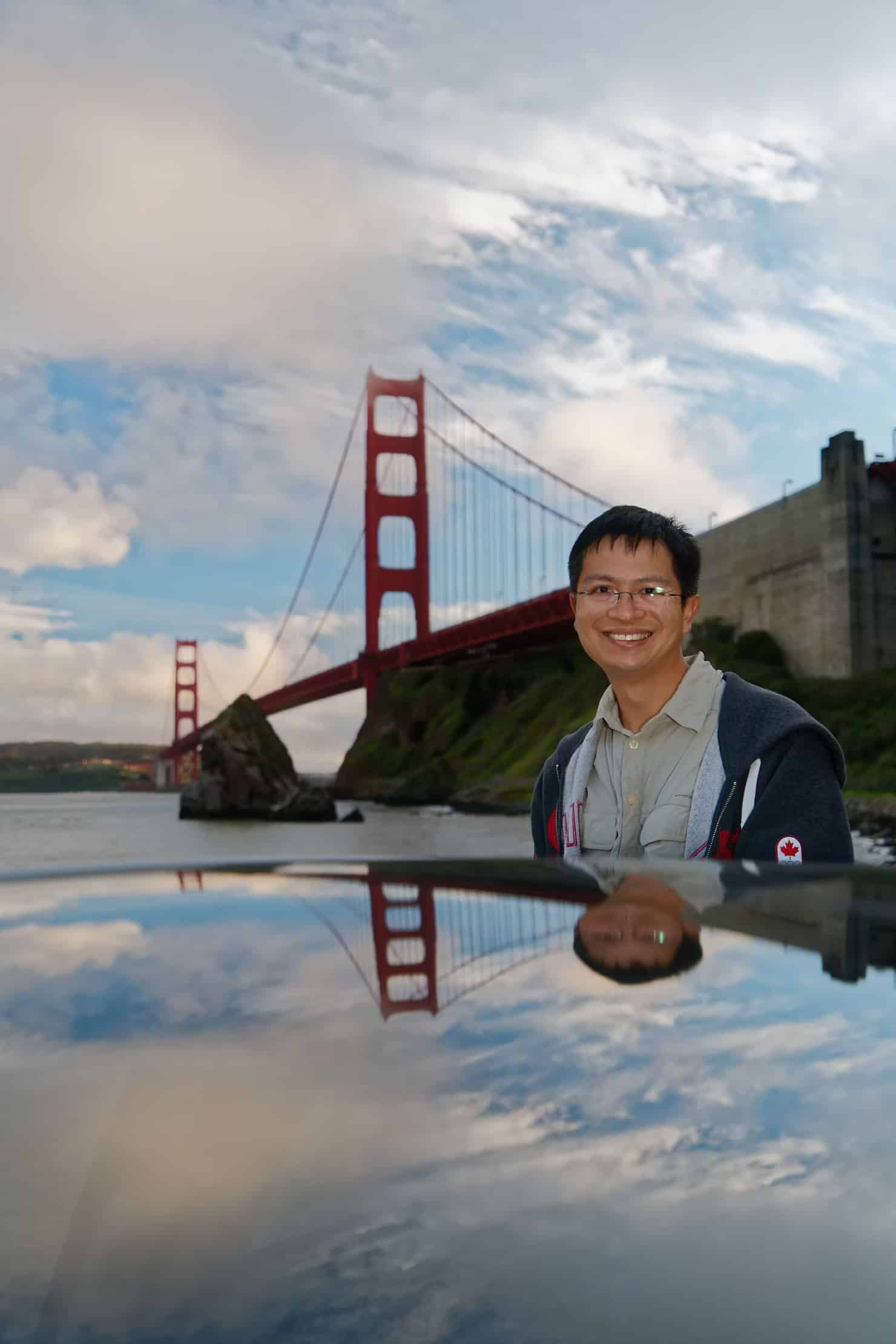
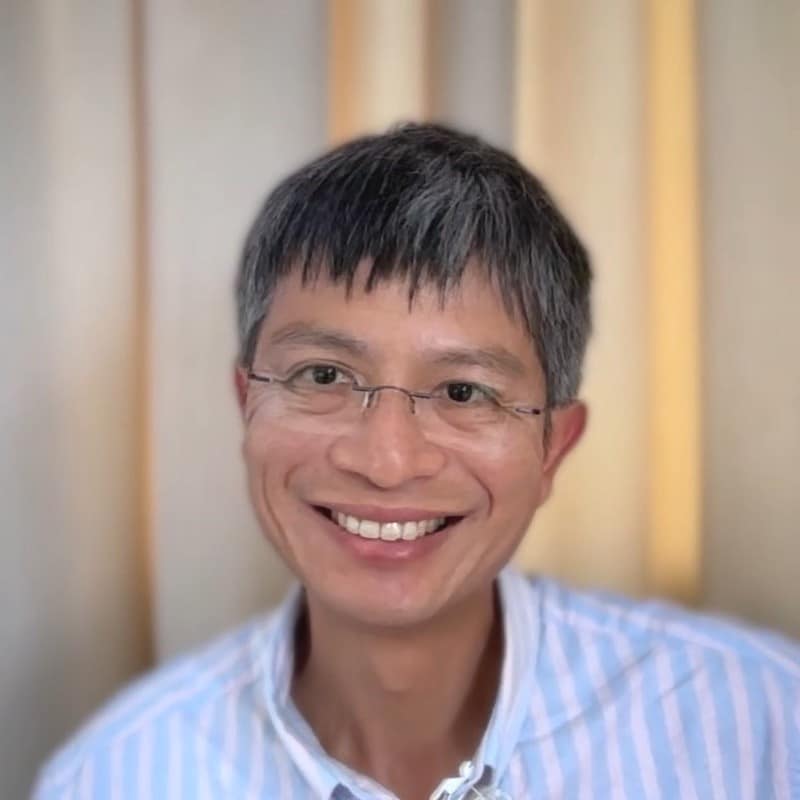
Mark Sin is a Singaporean Apple engineer and community leader based in Silicon Valley. He is the president of SingaporeConnect, a network that brings Singaporeans and friends of Singapore together to share stories, celebrate heritage, and build lasting connections.
Connect with him here.