By SGN | 21 Jan 2025
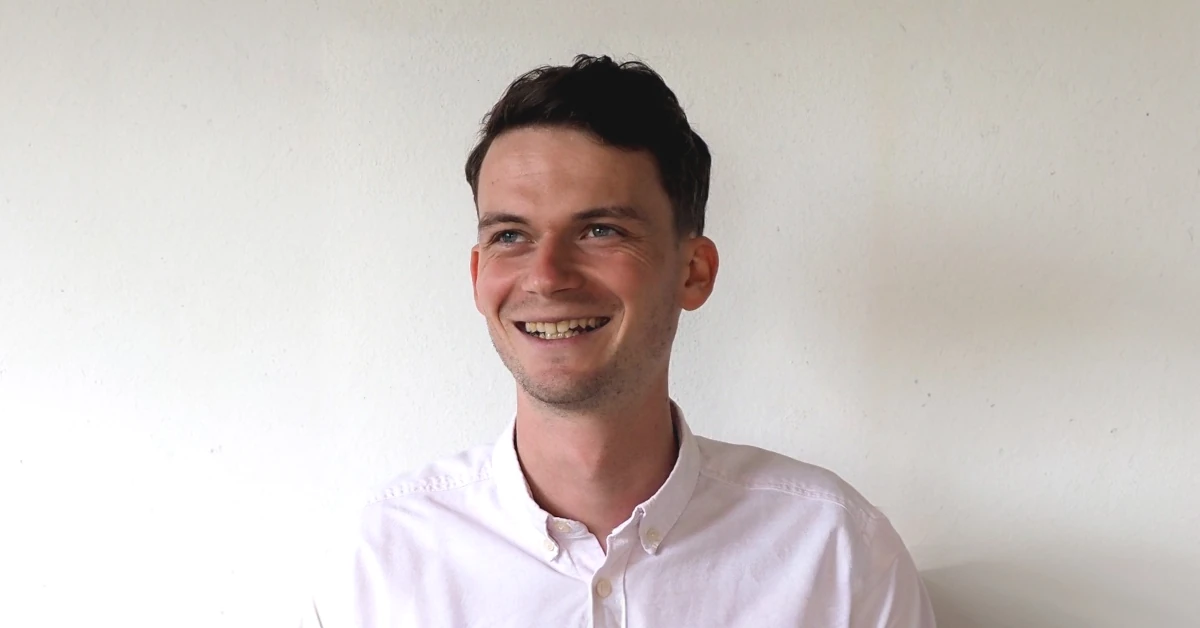
For more than a decade, Sophian Hoe’s globetrotting journey has taken him across cities like Sydney, Dubai, San Francisco, and now Funchal in the Madeira region of Portugal. Throughout his travels, he has focused on strengthening his connection to home and family through cherished rituals and traditions.
As the founder of Makan Madeira, he discovered that the further he ventured, the more deeply he felt the need to stay rooted to his heritage, especially during Lunar New Year.
“Lunar New Year is a time to pause and reflect, and to celebrate the bonds we have,” Sophian shares. “Even if I’m miles away from home, these reunion meals anchor me strongly to my roots.”
Keeping traditions alive no matter where he may be
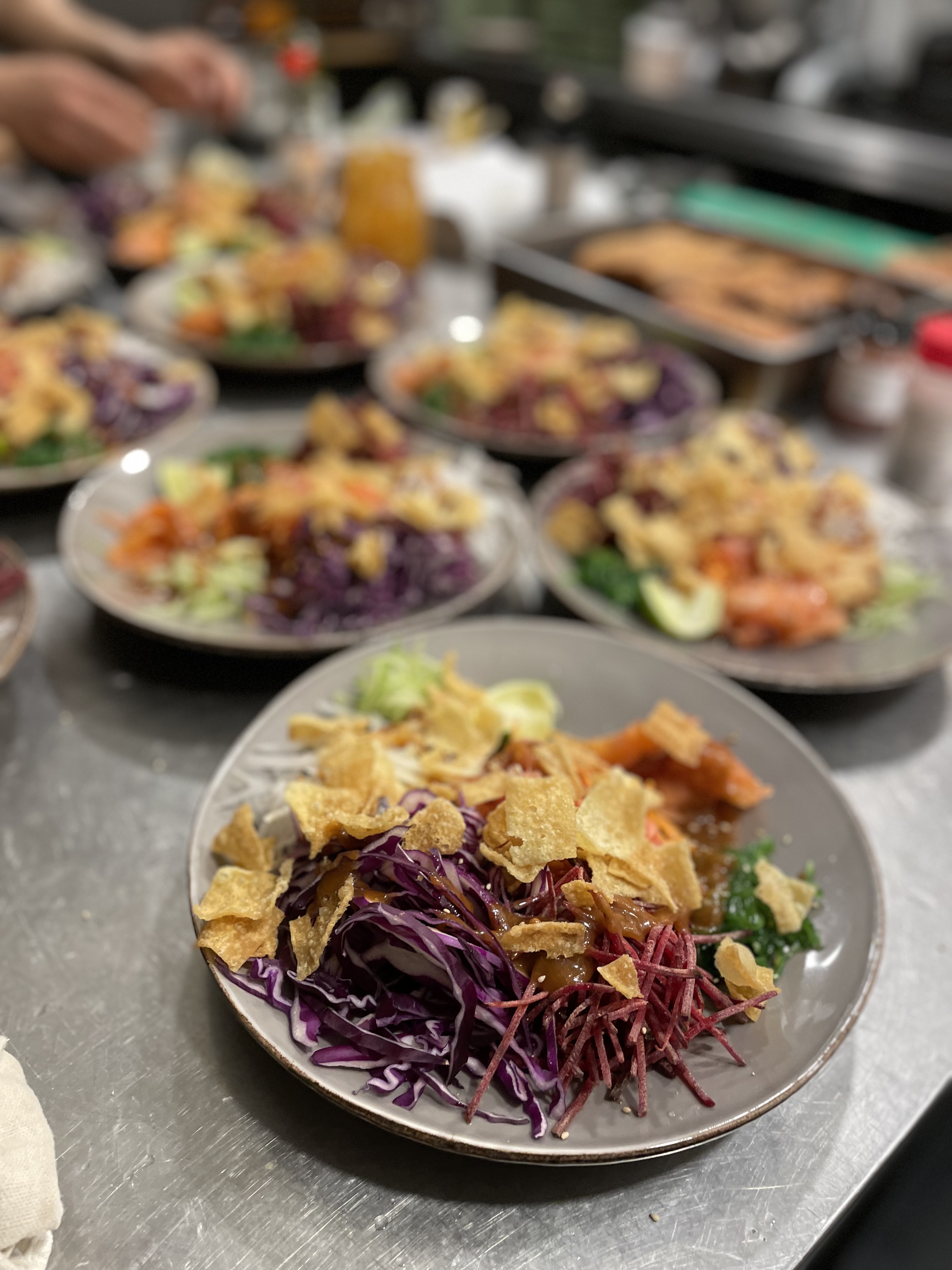
Living abroad has given Sophian a fresh perspective on Lunar New Year.
In many of his adopted cities, the occasion is just another working day, and the vibrant celebrations he grew up with in Singapore are nowhere to be found.
“LNY being a working day elsewhere doesn’t bring up difficult emotions like it used to,” he reflects. “I’m used to it and don’t mind working during the festivities anymore.”
Still, one tradition remains non-negotiable: the reunion dinner. For Sophian, it’s a cherished cornerstone of Lunar New Year, and he’s found creative ways to uphold it.
“In Australia, we’d have a steamboat at home. In Dubai and San Francisco, I’d gather friends for a meal at restaurants,” Sophian says. “One memorable time in Dubai, I found a Singaporean restaurant that served yu sheng (Chinese raw fish salad). I had to make a special reservation in advance to give them time to prepare the ingredients. When it arrived, we eagerly did the lo hei (raw fish salad tossing). The curious looks from other diners only made it more enjoyable!”
In Portugal, Sophian has taken his celebrations a step further by organising events for the Singaporean community in Lisbon and Porto. These gatherings offer a chance to share familiar foods, speak Singlish, and reminisce about home. “It’s heartwarming to connect with fellow Singaporeans and celebrate our shared identity,” he recalls.
Sophian has also introduced his Portuguese friends to the uniquely Singaporean lo hei tradition. With the colourful yu sheng and its lively prosperity tossing, it’s an instant hit.
“It’s such an icebreaker!” he laughs. “People love the playful aspect of it – turns out, everyone enjoys an excuse to ‘play with their food.’”
Whether it’s hosting his Southeast Asian Supper Club or a Singaporean gathering, Sophian ensures the reunion dinner remains a highlight. “Traditions don’t have to look the same to feel the same,” he explains. “It’s about the connections we share, and the joy of bringing people together.”
Navigating ingredient-related challenges with resourcefulness
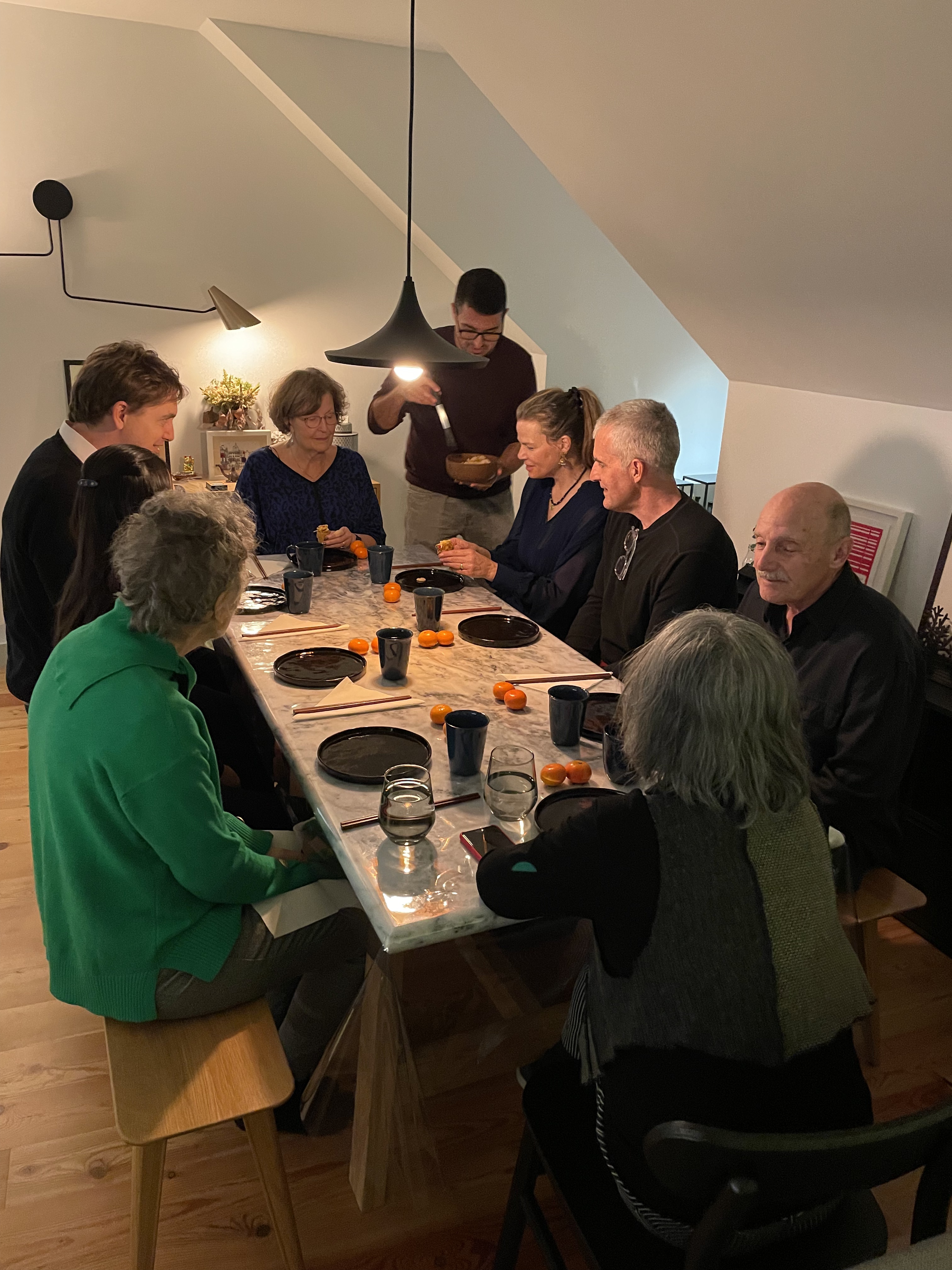
Sourcing authentic ingredients for Lunar New Year dishes overseas can be taxing, but Sophian takes it in his stride. Lisbon’s markets offer a decent range of Asian products, but there are gaps he must work around.
“Sometimes I can’t find things like bok choy (Chinese cabbage) or choy sum (Chinese flowering cabbage), so I swap in local greens like couve galega (Portuguese kale) or almeirão (Portuguese mustard greens),” he explains.
Similarly, for a dish like ngoh hiang (five-spice meat roll), he might replace traditional Chinese sausages with chouriço (Portuguese sausage) or presunto (cured ham) to add a unique Portuguese twist while still maintaining the rich, savoury flavour.
“It’s not about replicating the dish entirely but about capturing the essence of the flavours.” he says.
His ingenuity ensures that the traditional dishes retain their soul, whether he’s recreating a beloved childhood dish or improvising a new favourite to share with friends.
A culinary ambassador for Singapore
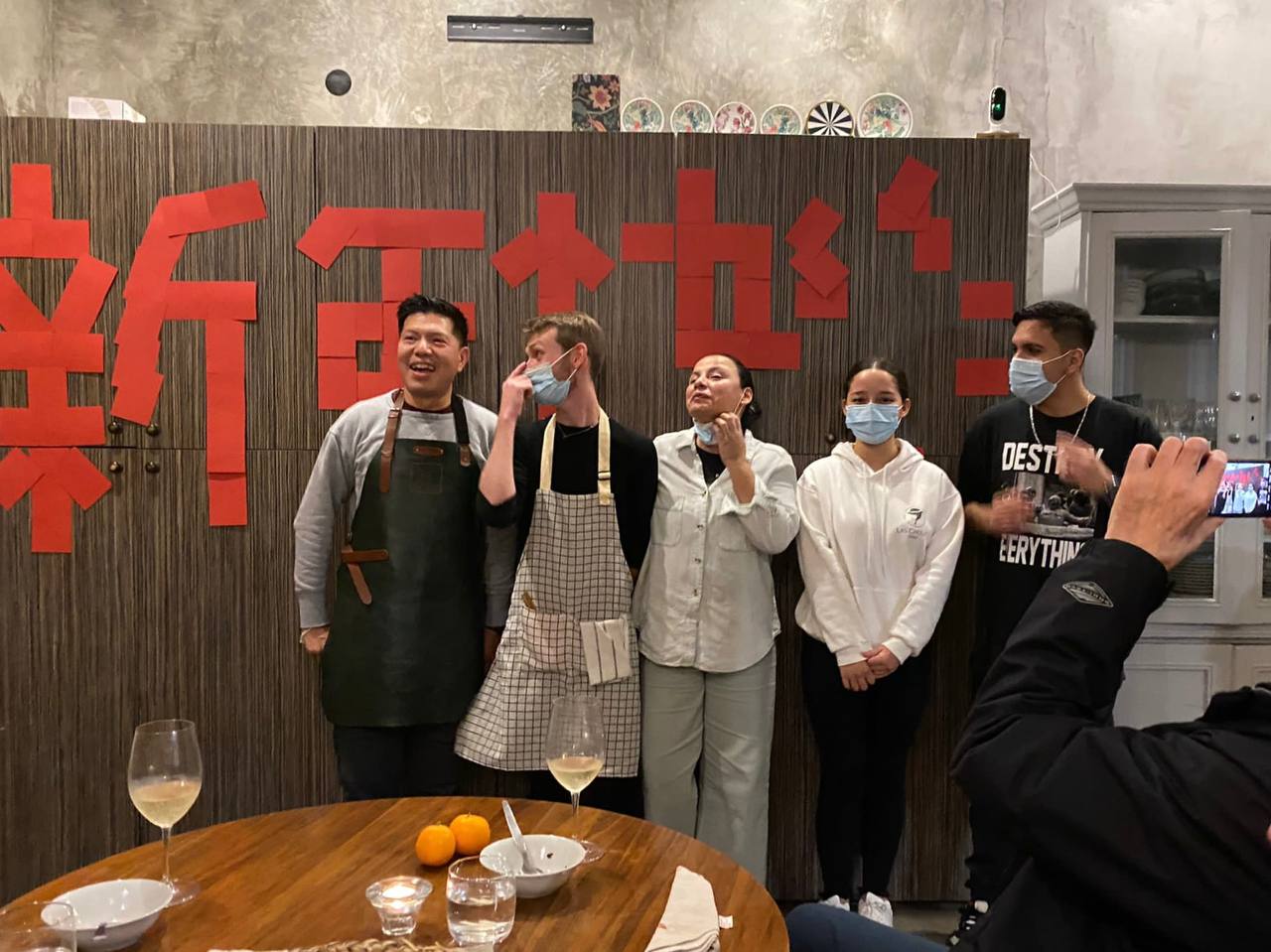
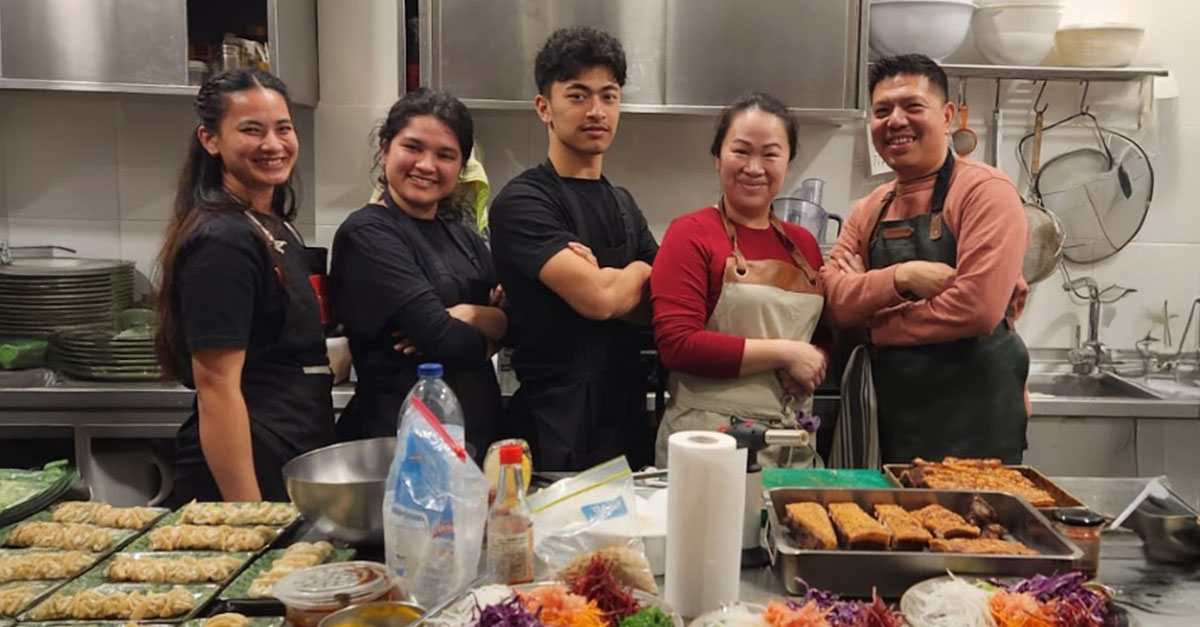
Sophian’s passion for showcasing Southeast Asian cuisine extends far beyond Lunar New Year. Before opening Makan Madeira in October last year, he hosted a series of pop-up events in Funchal, offering a tantalising selection of dishes.
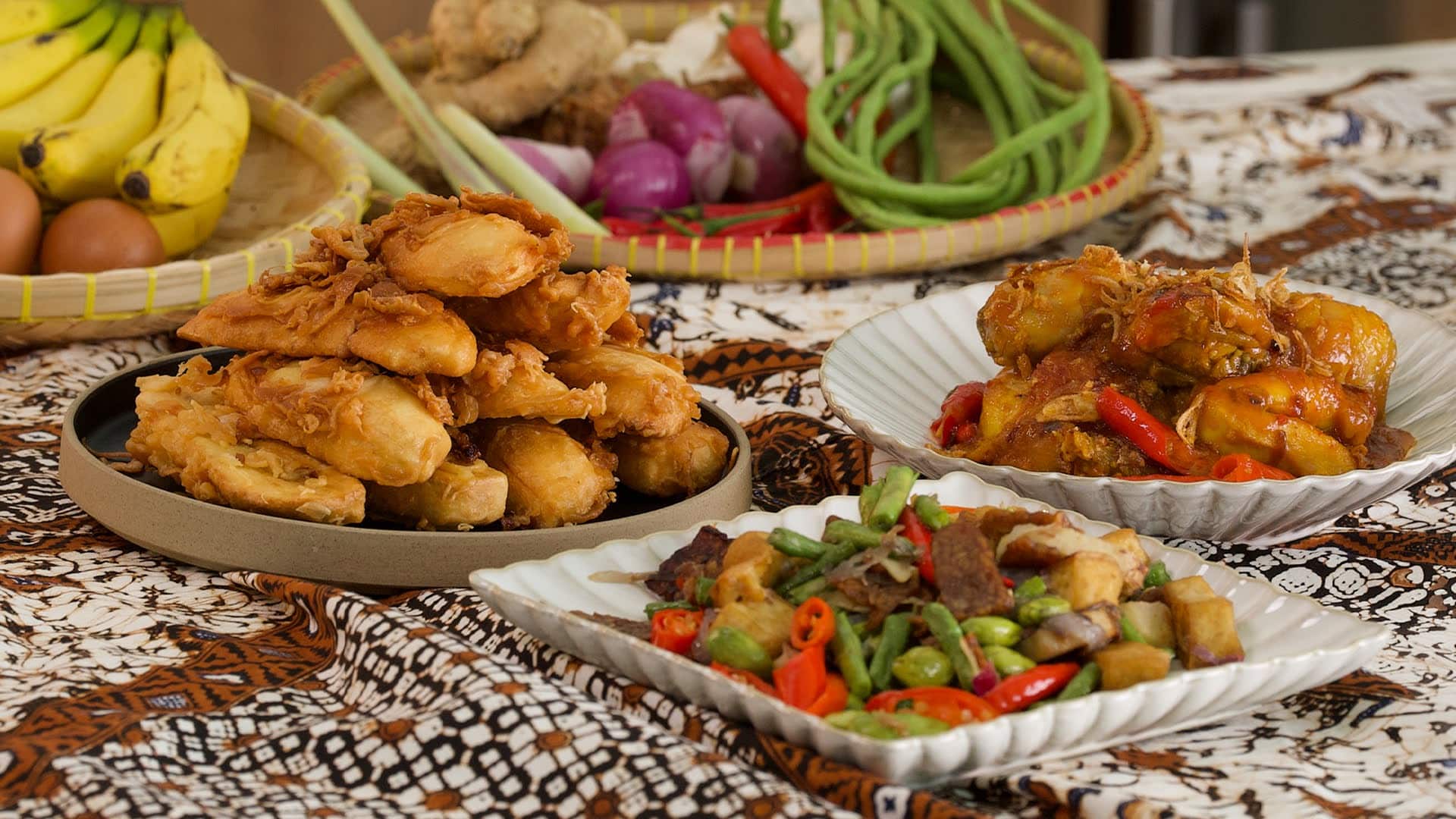
These included spring rolls, epok-epok ayam (chicken curry empanadas), nasi lemak (coconut milk-infused rice served with fried peanuts, anchovies, chicken, and egg), and goreng pisang (fried Madeirense banana with shredded coconut and sesame seeds).
As Lunar New Year draws near, Sophian is excited to plan to present a special dinner package at Makan Madeira. “We’ll be serving salted egg yolk soft shell crab, as crabs symbolise wealth. We will also be offering steamed fish and yu sheng as part of our specials,” he explains.
“It’s the perfect opportunity for diners to experience a traditional Singaporean feast, and we recommend making reservations at least three days in advance to ensure availability.”
Sophian’s Lunar New Year celebrations have become more than a personal tradition; they act as a culinary bridge, connecting diverse cultures. Through food and shared experiences, he has introduced his foreign peers to the depth and diversity of Singaporean customs.
“Cooking these dishes for my friends in Madeira is my way of preserving the heritage I grew up with,” he says. “It’s about creating new memories, forging friendships, and celebrating the true spirit of Lunar New Year.”